
This is one of the typical cultural activities to introduce the belief values and typical spiritual life of the Tay community at the Vietnamese Ethnic Culture Day. The ritual takes place in the space of the Tay ethnic village at the Village of Culture and Tourism of Vietnamese Ethnic Groups (Doai Phuong, Hanoi).
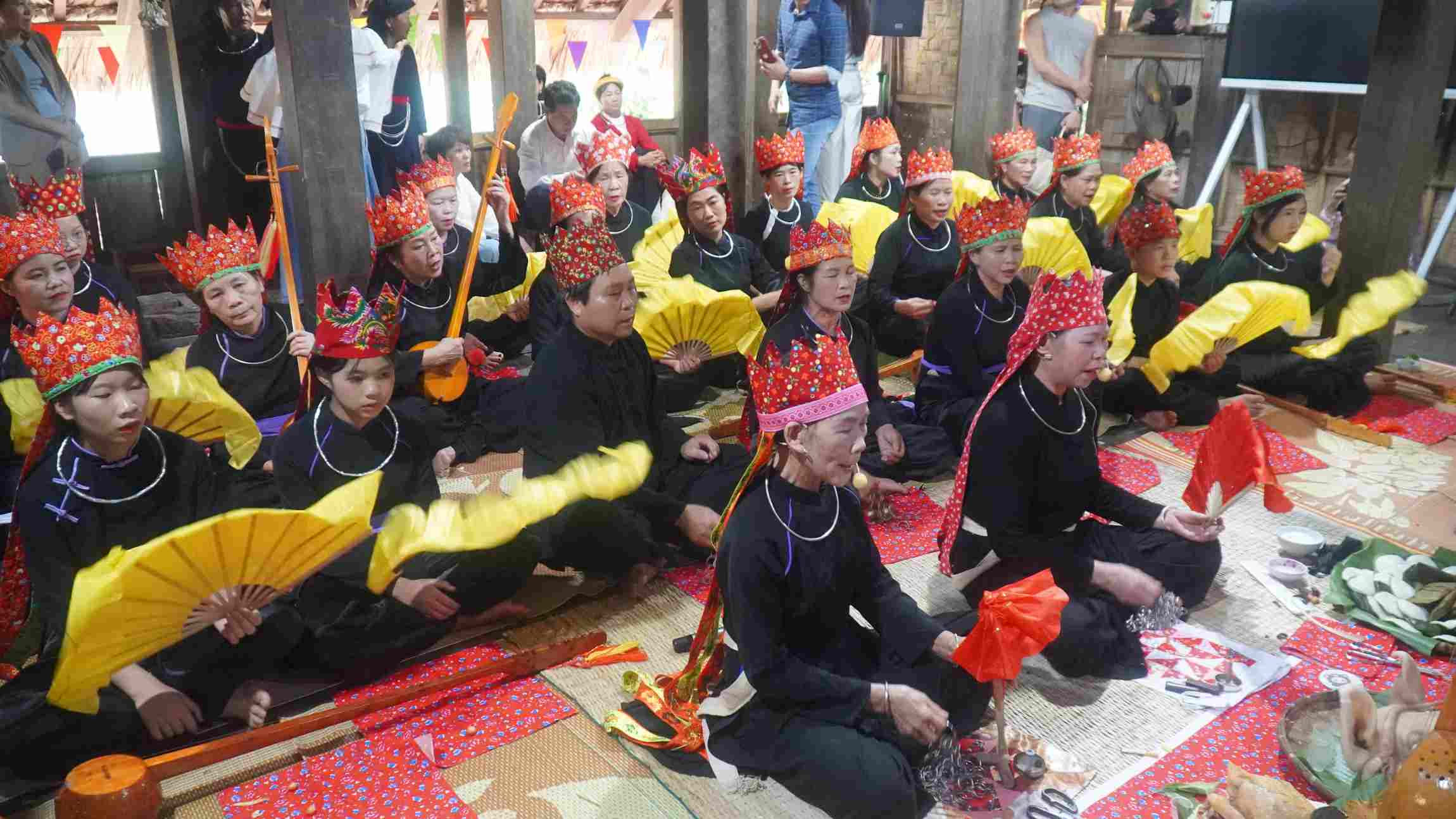
In the Lau Then ritual system - a sacred journey connecting people with the spiritual world, the Son Trang excerpt plays a particularly important role. According to the traditional belief of the Tay people, this is a milestone marking an officially recognized individual who is qualified to practice rituals, pray for blessings and support the community.
The name "Then Hotpot" is understood as a "great ceremony", in which "Son Trang" implies the process of training and testing to achieve maturity. This is an opening ceremony dedicated to those who are new to the Then religion (also known as Do children, Dong children).
Under the direct guidance of the Then masters, learners begin their journey to approach rituals, learn how to practice and gradually grasp the core spiritual values.
Son Trang is not simply a ritual that teaches ritual skills, but also carries a profound meaning about maturity in spiritual life. Through rituals, Do children gradually complete three important elements: understanding the Dharma, mastering rituals and establishing strong connections with ancestors and gods.
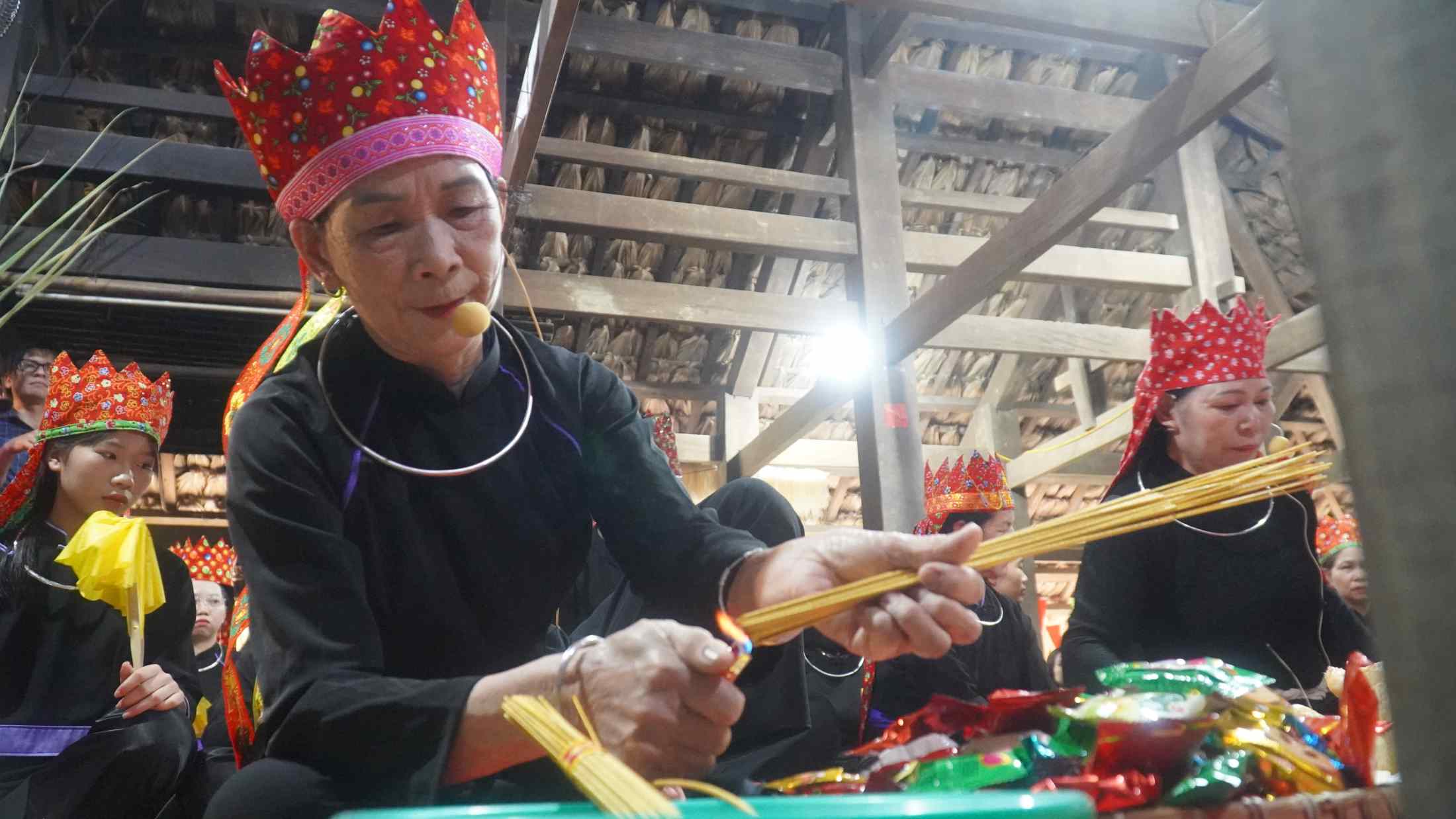
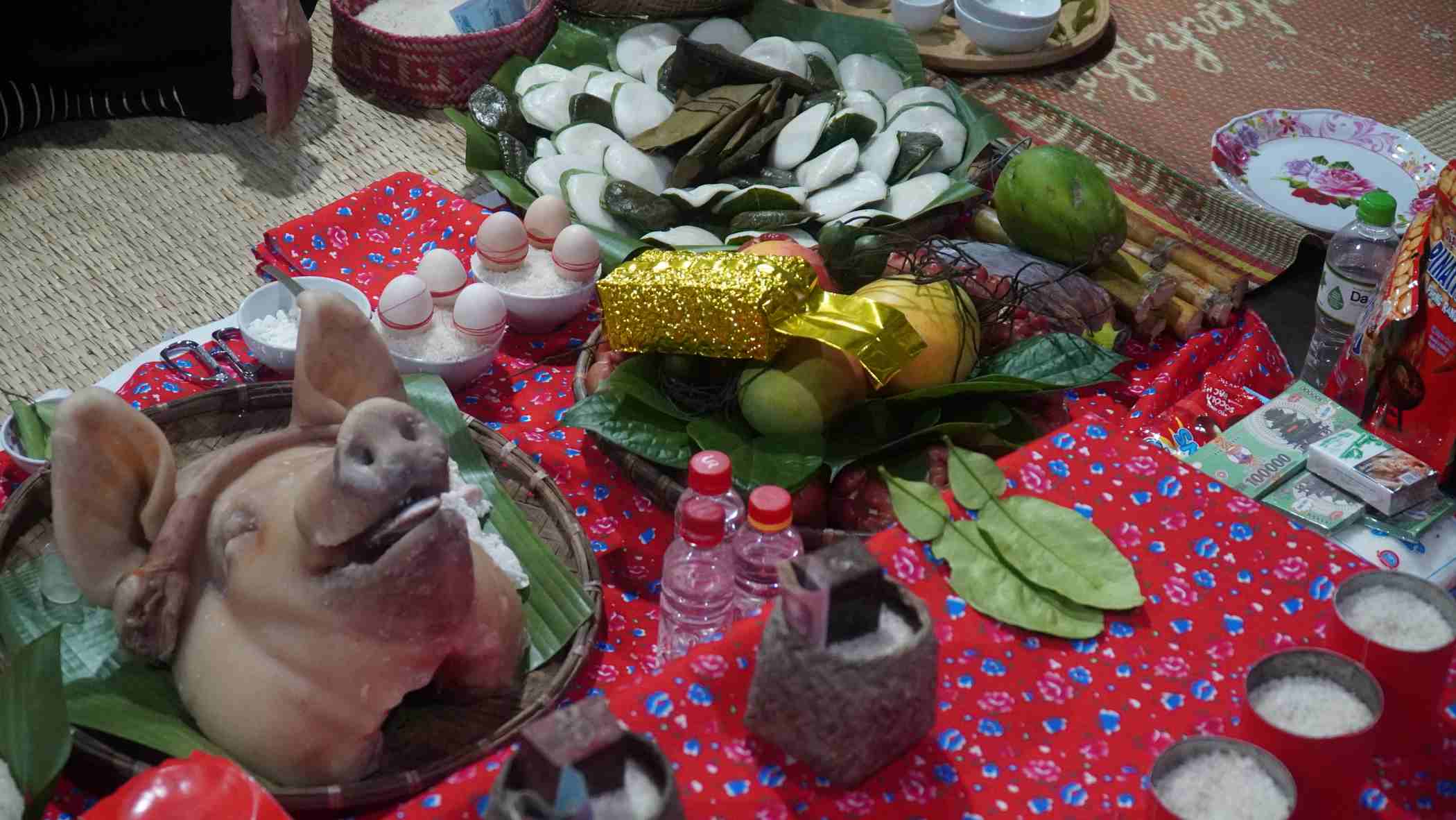
The ceremony begins with the preparation of offerings such as: fabric, flowers, new rice, offering money, delicious wine... This is a very important task, showing the sincerity and thoughtfulness of the performer. Each offering has different meanings, reflecting the views on the world and life of the Tay people. In which, the vegetarian offering tray offered to ancestors usually includes: wine, tea, cigarettes, banana flowers, papaya, cakes and candies, betel and areca nuts, fruits and a plate of joss paper.
Next is the ritual of inviting ancestors to witness in this important ritual. The Then women perform sweeping the road with wine and sugarcane to ward off bad things, paving the way for good luck. Then is the step of burning votive paper clothes to invite ancestors to receive the offerings, and together with the children, embark on a spiritual journey.
The process of going to the sky is recreated through the ancient Then performance. The Then women both sing and flutter, play the zither to lead the new monks through difficulties. Each Then word is a guide, a teaching of experience, expressing the character and spirit of a religious practitioner.
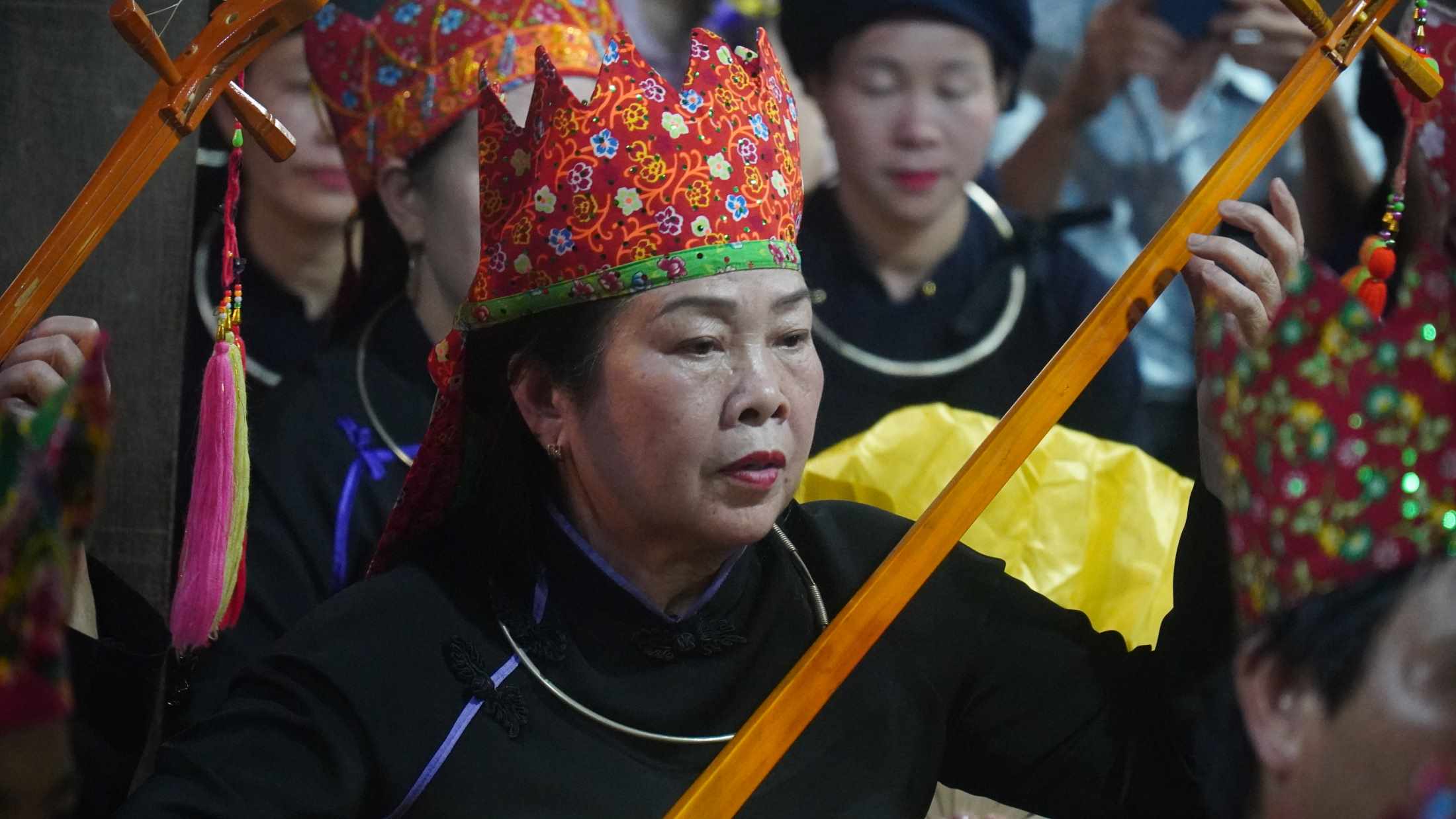
After the permission ceremony, the Then women pray to the gods to bestow blessings on everyone. Following is the ritual of praying to all directions and swearing before ancestors and gods. The performer of the ceremony expresses their wish to live honestly and always know how to help.
When the main ritual part ends, the thanksgiving ceremony continues to be held. The Then women and their children stand in a circle, holding the zither in their hands with the zither lever facing the sky, meaning the sound spreads everywhere. The image of the zither covering down symbolizes the preservation of quintessence, preservation and transmission of Then heritage values to future generations.
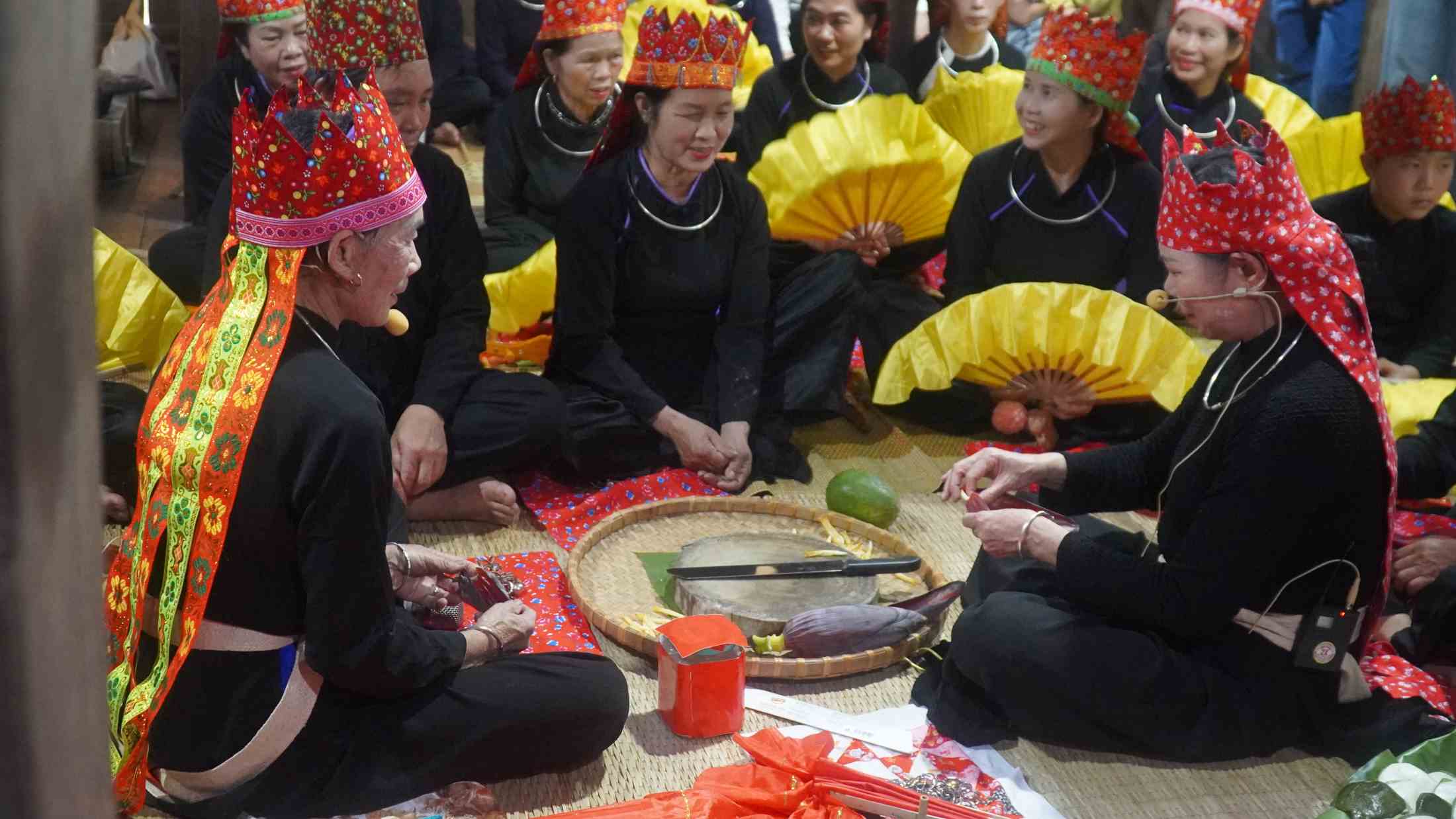
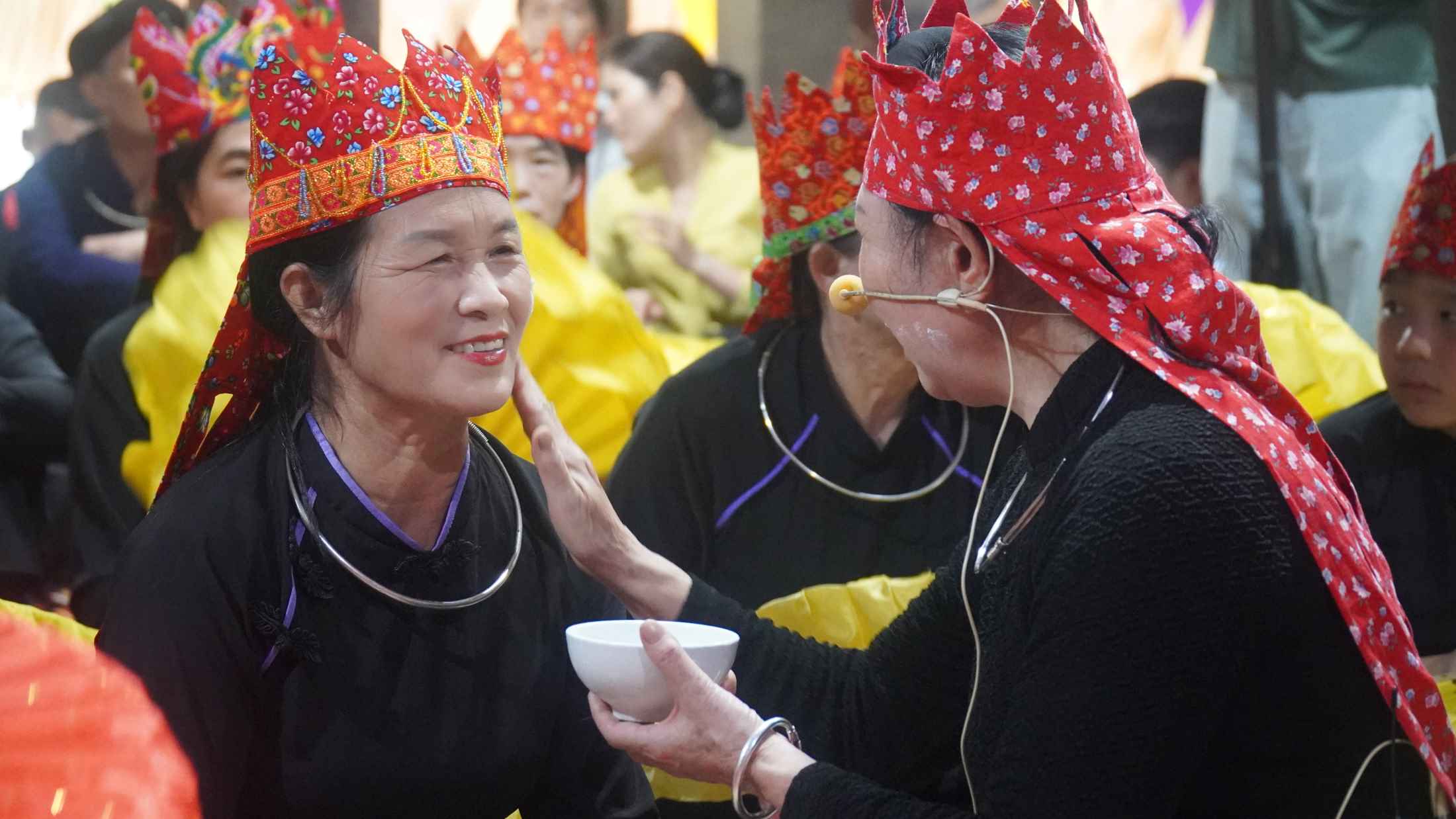
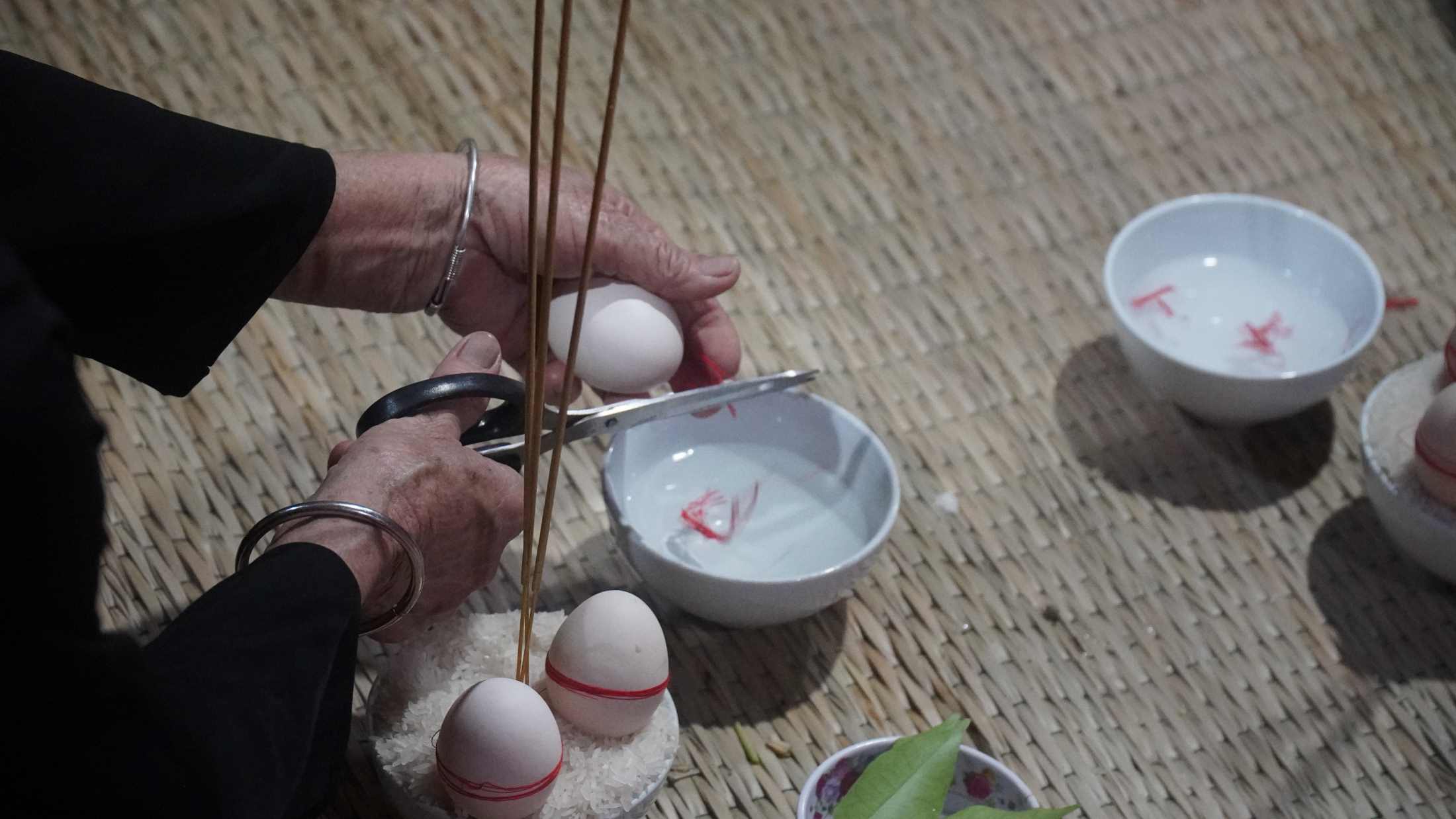
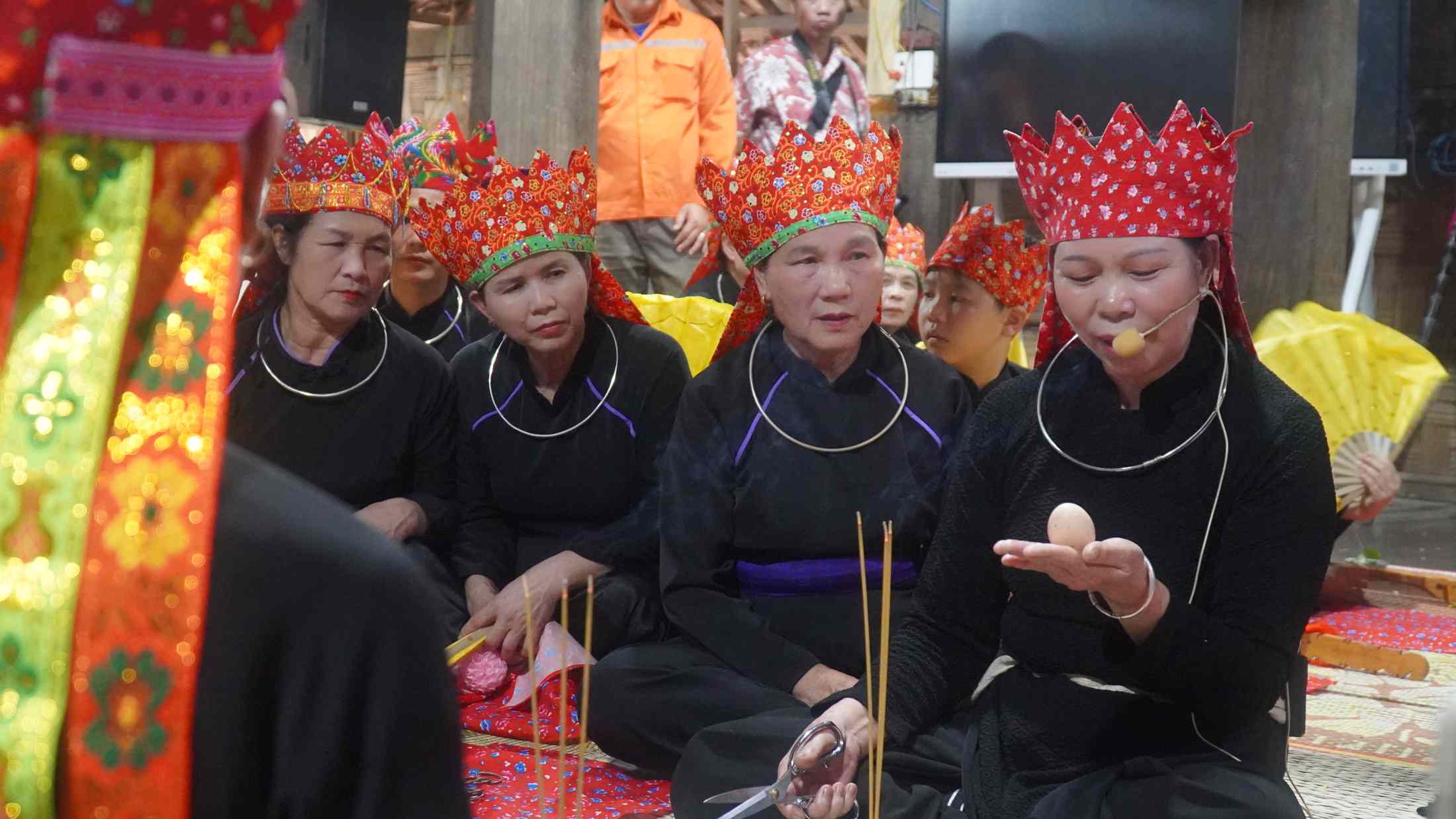
The program recreates the ceremony closing with the activity of dividing fortune and dividing soldiers and horses. This is the time when the newly recognized monk officially takes on the responsibility of preserving, practicing and teaching Then beliefs to the community. The thanksgiving trays are divided among everyone participating as a way to express gratitude and community solidarity.
Son Trang" ritual and other rituals of Then ritual reflect the profound humanistic values in the spiritual life of the Tay people. Through this cultural belief, the Tay community in Quang Ninh has sent wishes for a peaceful and prosperous life, and at the same time expressed gratitude to heaven and earth, gods and the merits of ancestors.


