
Identifying the bottlenecks correctly is not only an urgent requirement, but also a prerequisite for academic art to truly become a pillar in the cultural industry strategy. Lao Dong Newspaper reporter had an interview with Meritorious Artist Phan Manh Duc - Director of the Vietnam National Opera & Ballet Theatre about this issue:
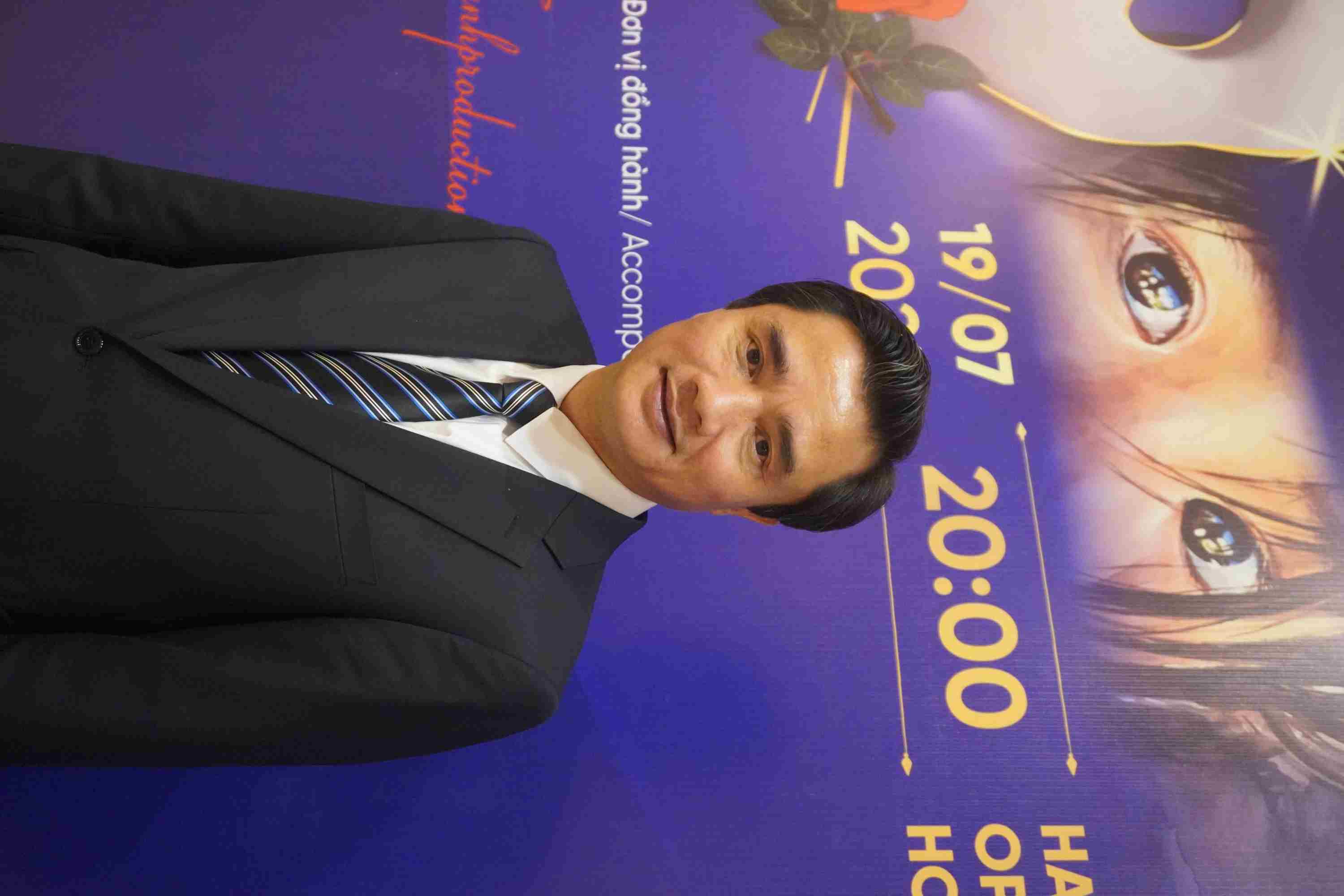
Sir, music - dance - drama is inherently an international academic art form. Resolution of the 14th Party Congress emphasizing building a culture "deep in national identity", how has the theater solved the problem of "Vietizing" academic art (such as using Ballet, Opera to tell Vietnamese cultural stories) so that these works both meet international standards and contribute to building the value system of Vietnamese people?
- "Vietization" of academic art is not a mechanical mixture of forms, but a process of contentifying national identity on the foundation of international art language. Ballet or Opera have global performance standards; but the story and value system that the work conveys can completely originate from history, culture and people of Vietnam.
First of all, we choose symbolic topics - from national history, classical literature to contemporary life - where core values such as patriotism, humanity, sacrifice and aspiration to rise converge. On that basis, the creative team (choreographers, directors, musicians, designers) transforms folk materials - such as traditional music, Asian body language, fine arts, costumes - into the tight structure of Ballet and Opera.
Second, we pay special attention to international professional standards, from training artists according to a systematic system, cooperating with foreign experts, to staging, performance, stage design, lighting... This ensures that the work is not only "Vietnamese" in content but also meets the technical quality of international theater. Finally, the highest goal is not only to create good works, but to contribute to shaping the human value system of Vietnamese people in the new context.
When the audience sees their own story - with ethical standards, aspirations and identity - told in academic art language, they will have deeper empathy. That is how academic art, although international, can still become an effective means to foster identity and improve social spiritual life.
Developing the cultural industry is a major focus, but Opera or Ballet requires extremely expensive investment costs for symphony orchestras, costumes, and decorations. What strategy does the Theater have to balance between "academical, niche" nature and the "revenue, market" problem, bringing aristocratic art genres truly into the value chain of a profitable cultural industry?
- We identify public-private partnerships not only as a financial solution, but also as a space to increase creativity. With "Vietnamese" works such as: "Do, Dong Ho" (Ballet), "Merciful Sea", "Miss Star", "Red Leaf" (Opera) or international works such as: "Carmen", "The Miserable", "La Traviata" (Opera), "The Swan Lake", "Don Quixote", "Giselle" (Ballet)..., the theater has proactively set a problem from the beginning, which is how to combine academic standards with contemporary Vietnamese materials, creating products that are both artistic in depth and have the ability to "told stories" attractive to the market.
Our biggest advantage is high-quality human resources - from symphony orchestras, choreographers, directors to Opera and Ballet artists - along with the brand of a leading unit in academic performing arts. When participating in co-production, the theater not only provides performing forces but also ensures the brand for the entire project. This is a factor that private partners really need when investing in music and ballet. In parallel, participating in production or professional companionship in concert programs of other units also helps us expand creative space, test new formats, and reach wider audiences without having to bear all costs.
It can be said that the theater's strategy is to take creativity as the core, take high-quality human resources and brand reputation as leverage, and take public-private partnership as a operating mechanism to make academic works truly valuable products in the cultural industry market.
The art of ballet has a characteristic of extremely harsh training (usually taking 10-15 years), but the peak performance career is very short. From a management perspective, what concerns and recommendations do you have about preferential policies and specific salary and bonus mechanisms to "keep" rare academic talents attached to the State stage?
- The story of remuneration for academic artists today is still a very big concern. For Opera, symphony or ballet, the basic salary in public units is still quite low; in many cases after decades of working, income from salary is only about 5 - 7 million VND/month, performance allowances are also insignificant. Meanwhile, compared to freelance artists or those participating in the entertainment market, the income level can be many times higher thanks to the frequency of performance and commercial value.
It is worth mentioning that this is the field that requires the most rigorous training. A symphonist or opera artist usually spends 10-15 years studying in a professional environment, with very high intensity. Ballet is even harsher, having to start very early, sacrificing both physical strength and youth. But paradoxically, the career age is short, for example, Ballet, usually only lasts until about 35-40 years old.
Thus, this profession has a very clear characteristic: "Long training - short dedication - income not commensurate". Meanwhile, freelance artists can extend their operating time and be more flexible in terms of income, so the shift of high-quality human resources and brain drain is happening.
Therefore, in my opinion, the solution needs to be viewed from the perspective of the artist's professional age. Besides the fact that the State has made changes and adjustments to the salary system, we should build a long-term career roadmap, from training - performance - transition. After the peak period, artists can continue to contribute in the role of teaching, choreographing, training or participating in production, creating new projects. At that time, the professional lifespan is not "shortened" but extended in depth of expertise.
Many opinions believe that persistently popularizing academic art and enhancing the public's "taste" is the most sustainable way to create a good aesthetic "filter" for society. What do you think about this silent but great mission of the Theater in the period 2026 - 2031?
- Cultivating the public's ability to appreciate art, especially through academic forms, is a way to build cultural "resistance" sustainably and from the root. When viewers are nurtured, accumulate knowledge, and have a good aesthetic foundation, they will proactively choose values, instead of being drawn into easy or hybrid trends.
For the Vietnam National Opera & Ballet Theatre, this is a long-term mission with strategic significance. The period 2026 - 2031 requires not only maintaining performance activities, but also expanding the role of public education, creating more opportunities to access and gradually form in-depth art appreciation habits, especially among young people. When the theater performs this role well, it will not only be a performance space, but also become a place to contribute to shaping aesthetic standards for society in a natural and sustainable way.


