
Ring Road 3 HCMC
The Ring Road 3 HCMC project has a total length of more than 90 km, passing through HCMC, Dong Nai and Tay Ninh (after the merger).
Previously, two sections including My Phuoc - Tan Van (15.3 km) and the section from DT. 25B (Dong Nai) to the Ho Chi Minh City - Long Thanh expressway (including Nhon Trach bridge) were completed and put into operation.
The remaining part of the project is more than 76 km long, with a total investment of nearly 75,400 billion VND, started in June 2023 and has now reached more than 70% of the construction volume.
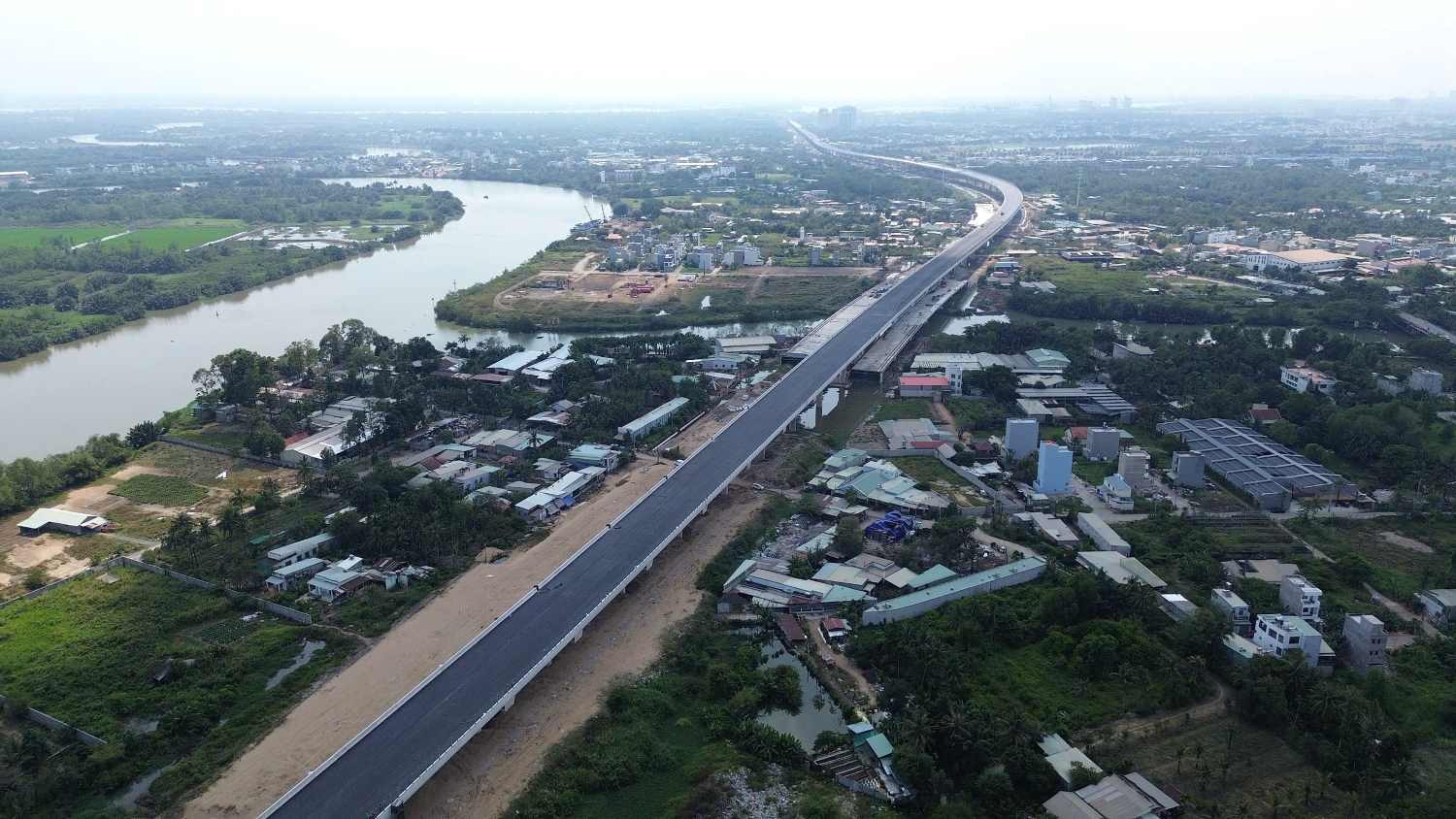
On December 19, 2025, the 14.7 km long eastern elevated road section (from Ho Chi Minh City - Long Thanh expressway to Tan Van intersection) was technically opened to traffic and is expected to officially open to traffic on April 30, 2026.
The entire Ring Road 3 of Ho Chi Minh City is expected to be closed and open to traffic on June 30, 2026.
When completed, Ring Road 3 will connect 5 radial expressways including: Ho Chi Minh City - Trung Luong; Ho Chi Minh City - Long Thanh - Dau Giay; Ben Luc - Long Thanh; Ho Chi Minh City - Moc Bai and Ho Chi Minh City - Chon Thanh (under construction), creating an important connecting axis for the entire Southeast region.
The route not only helps reduce congestion, save time and transportation costs, but also opens up new development space, forming industrial and logistics corridors and effectively connecting the seaport system.
An Phu intersection
The An Phu intersection project has a total investment of more than 3,400 billion VND, started at the end of 2022, and is expected to be completed in 2025. Due to slow progress, the project was extended by the Ho Chi Minh City People's Committee to the second quarter of 2026.
Currently, many important items have been completed and put into operation such as: HC1-01 underpass at Mai Chi Tho - Dong Van Cong intersection; HC1-02 underpass connecting the Ho Chi Minh City - Long Thanh expressway with Mai Chi Tho road; branch of bridge N2 (turning right from the expressway to Mai Chi Tho); Ba Dat bridge.
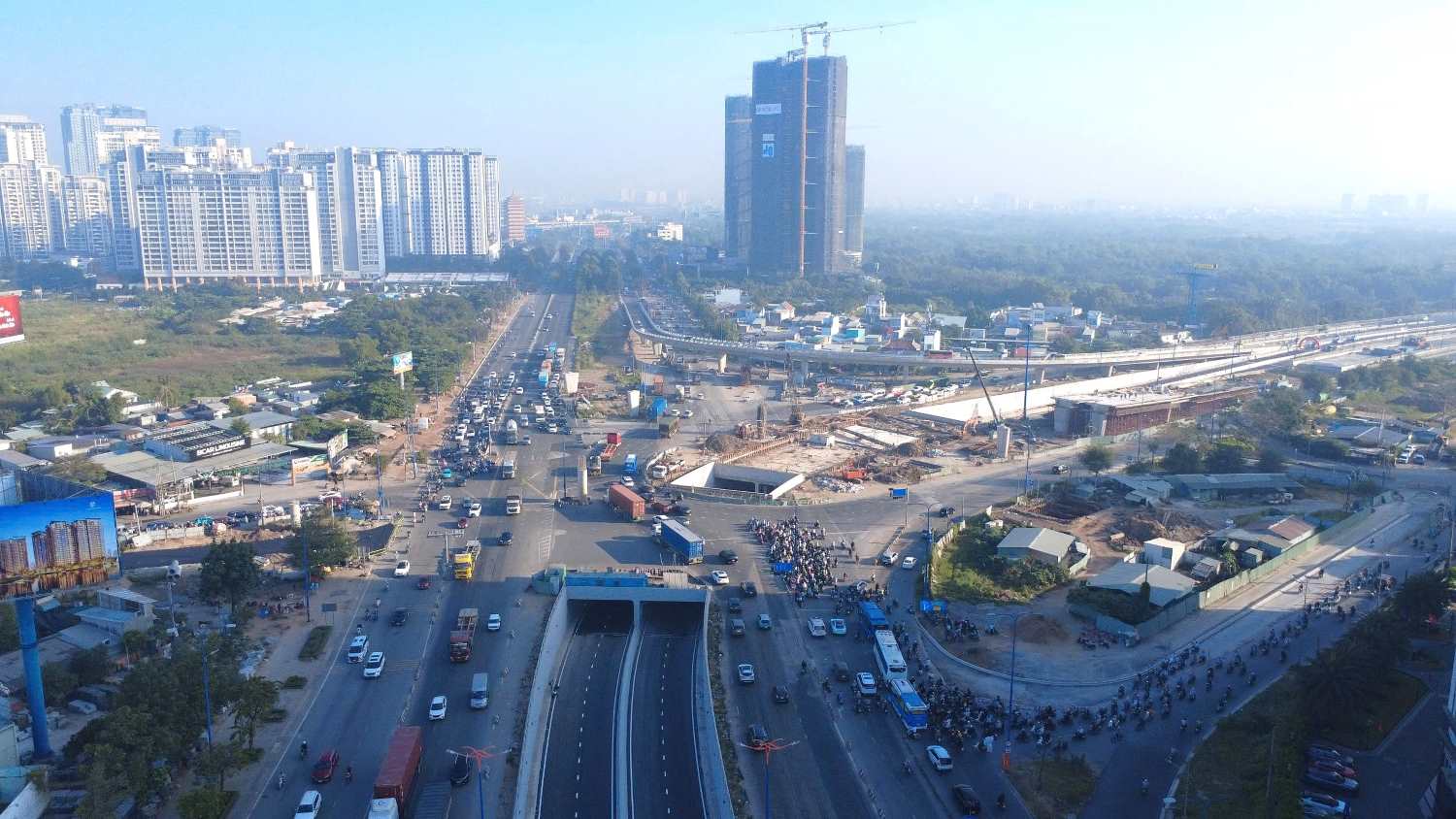
According to the Ho Chi Minh City Transport Board, the N3 overpass branch (from Mai Chi Tho street turning left to Dong Van Cong) will be opened to traffic on April 30, 2026. The N4, N1. 1 and N1. 3 bridge branches are expected to be completed and opened to traffic on June 30, 2026.
The N1. 2 bridge branch (from Luong Dinh Cua street to the expressway) is expected to be completed in October 2026, provided that the project is handed over more than 22,000 m2 of land in the first quarter of 2026.
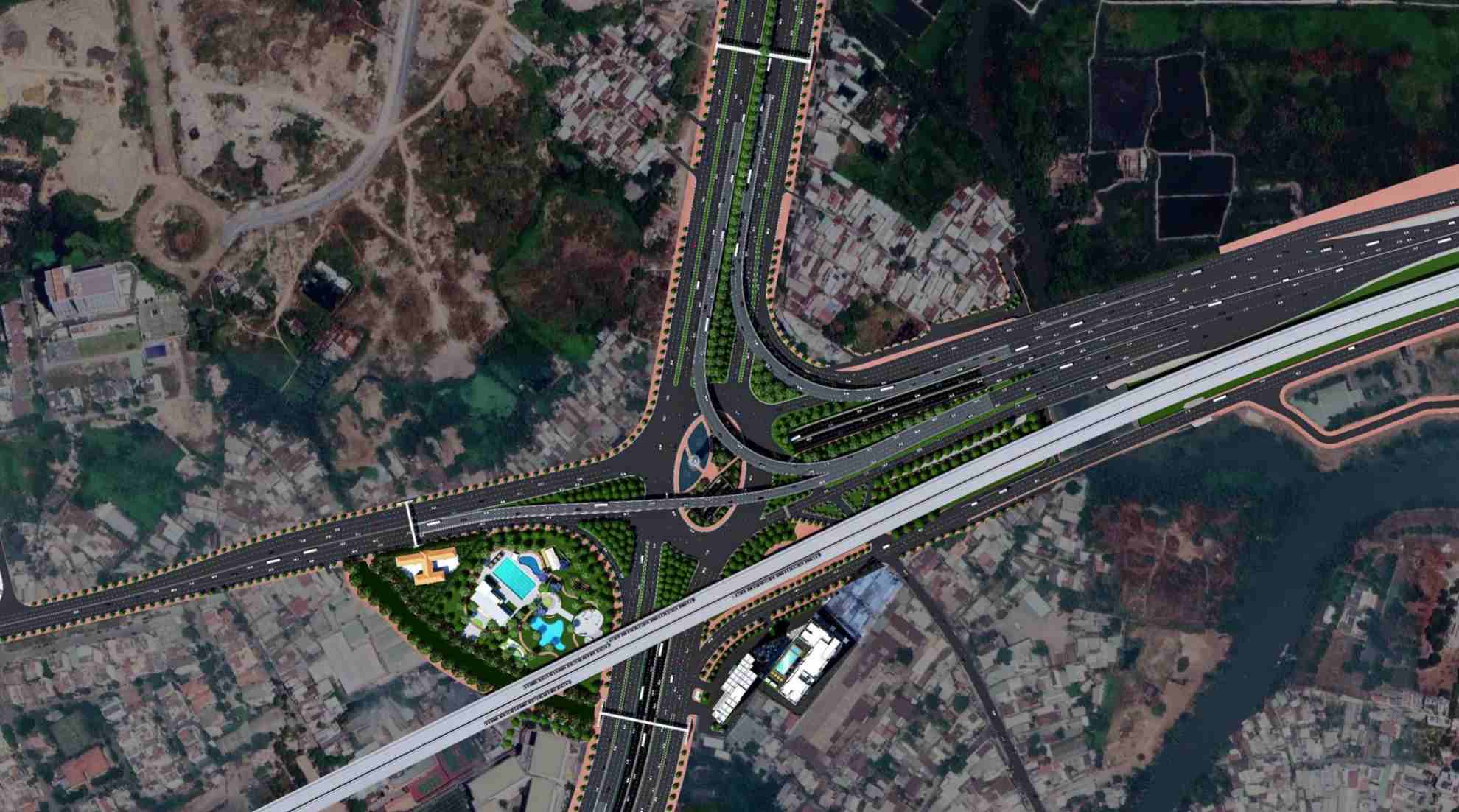
When fully completed, An Phu intersection will not only reduce congestion for the eastern gateway area of Ho Chi Minh City but also improve connectivity to seaports and Long Thanh airport.
My Thuy intersection
Started in 2016, the My Thuy intersection project has an initial total investment of nearly 2,000 billion VND. Due to slow progress and increased site clearance costs, the total investment of the project has been adjusted to 3,622 billion VND.
To date, the project has been completed and put into operation items belonging to phases 1 and 2, including: Ky Ha 3 bridge (left branch), left turn tunnel from Ring Road 2 to Cat Lai port, overpass on Ring Road 2 and My Thuy 3 bridge.
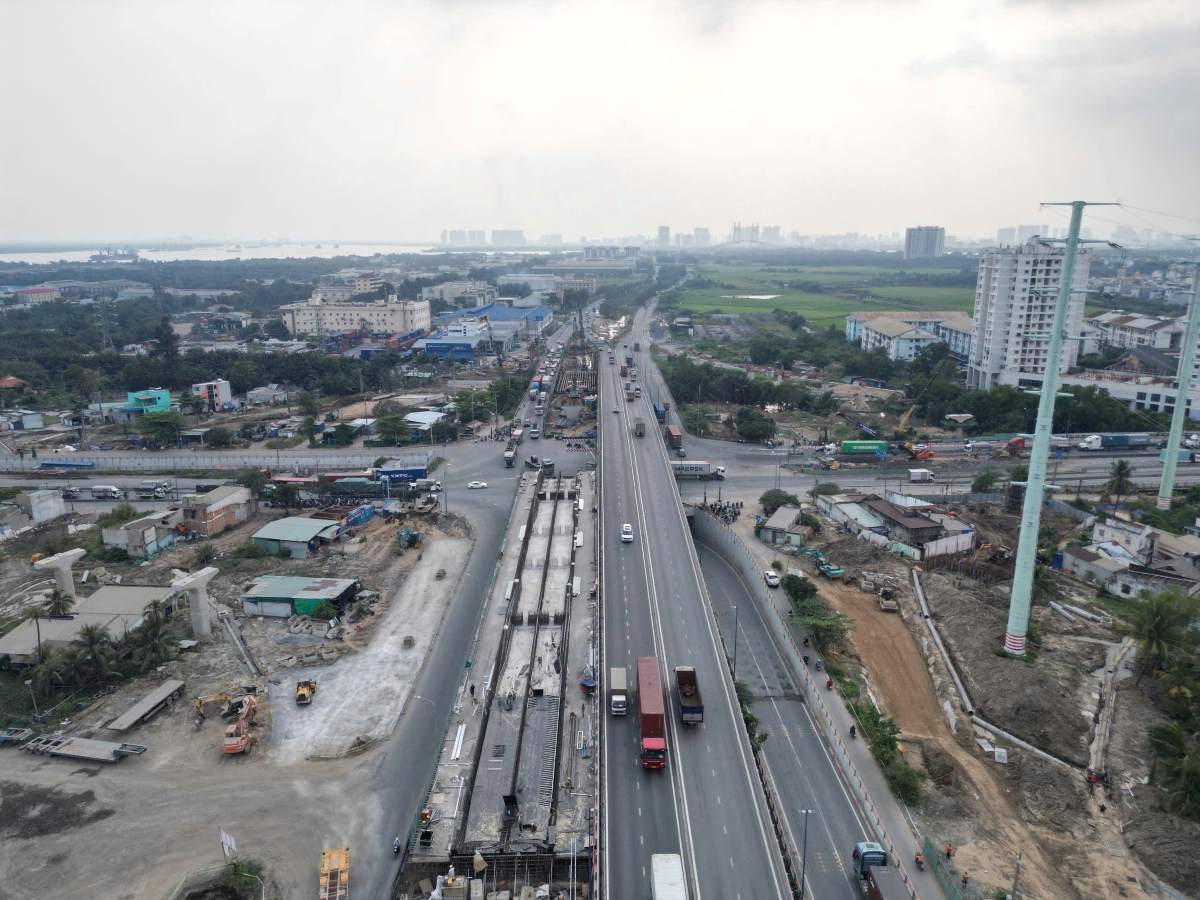
Recently, the Ho Chi Minh City People's Committee continued to extend the completion time of the entire project to the third quarter of 2026.
The remaining items are being accelerated for construction including: Ky Ha 4 bridge, left turn overpass from Cat Lai to Phu My bridge, overpass on Ring Road 2 (Vo Chi Cong street) and right branch of Ky Ha 3 bridge.
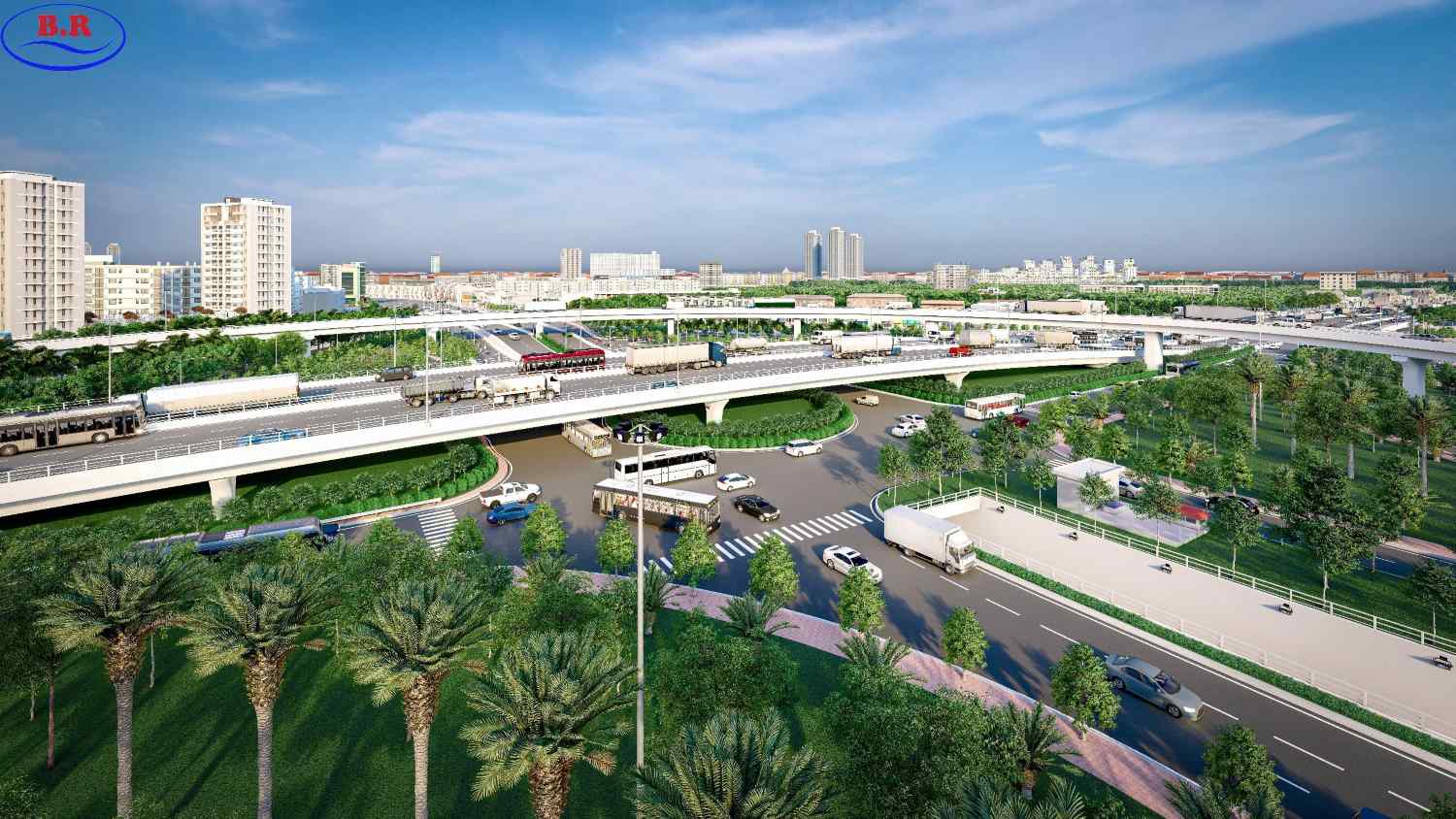
When completed, My Thuy intersection will contribute to reducing congestion and accidents at the gateway of Cat Lai port - the area with the highest density of container trucks in Ho Chi Minh City, and at the same time increase connectivity with the Cat Lai bridge project connecting to Dong Nai.
Pedestrian bridge across the Saigon River
The Saigon River pedestrian bridge project connecting the center of Ho Chi Minh City with Thu Thiem new urban area is also being accelerated to be completed in 2026.
Currently, the access road section on Saigon ward and Thu Thiem side is gradually forming.
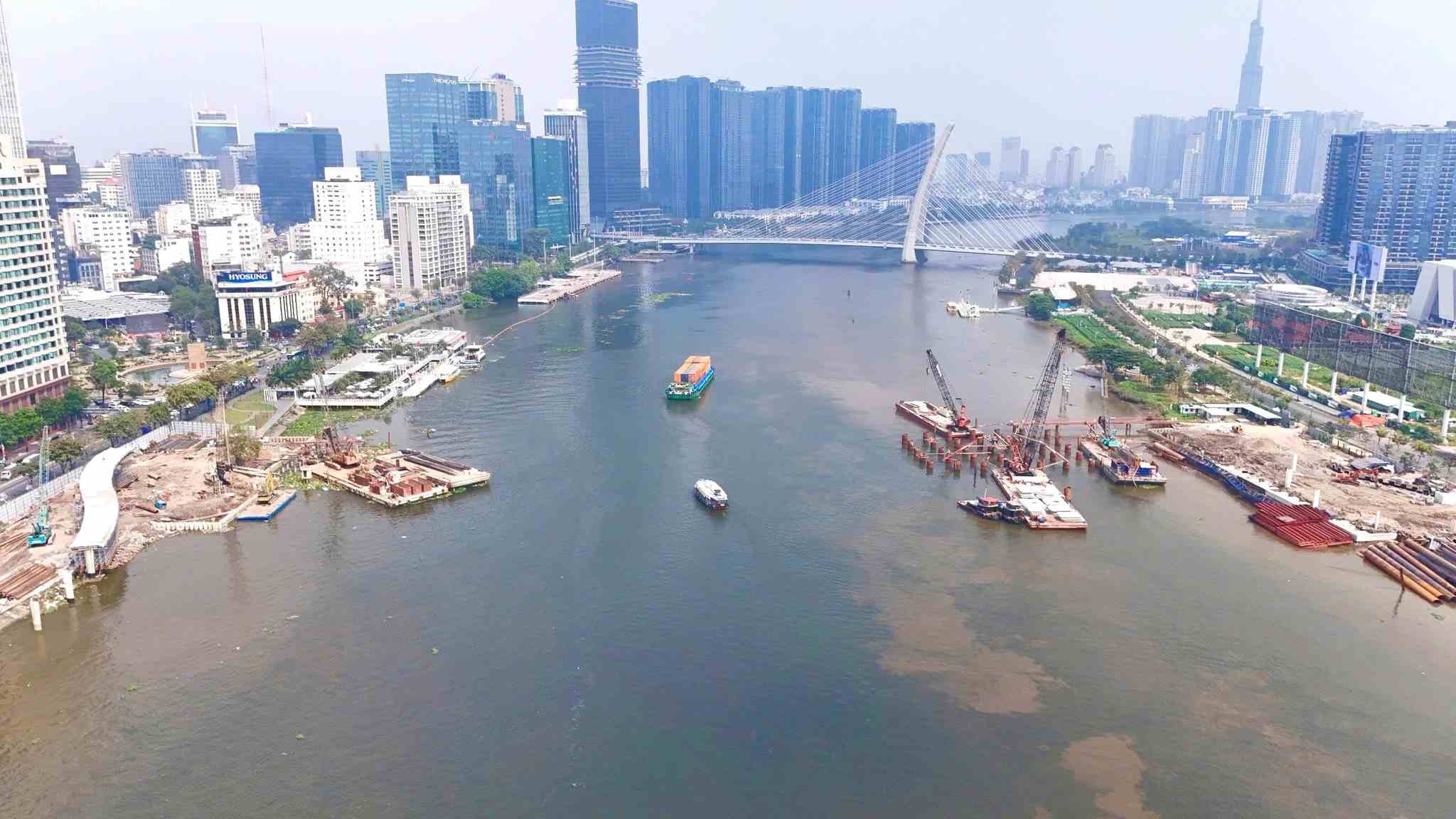
The bridge is 720 m long, 6-11 m wide, 10 m high, with a main aperture of 187 m, ensuring clear space for ships to pass. The total investment of the project is nearly 1,000 billion VND, funded by businesses.
The bridge is designed with the image of water coconut leaves - a typical image of the South, harmoniously combining traditional features and the modern breath of Ho Chi Minh City.
The space on the bridge is designed to be open, creating a clear view for pedestrians, and also arranging lanes for bicycles, people with disabilities and ambulances in case of emergency.
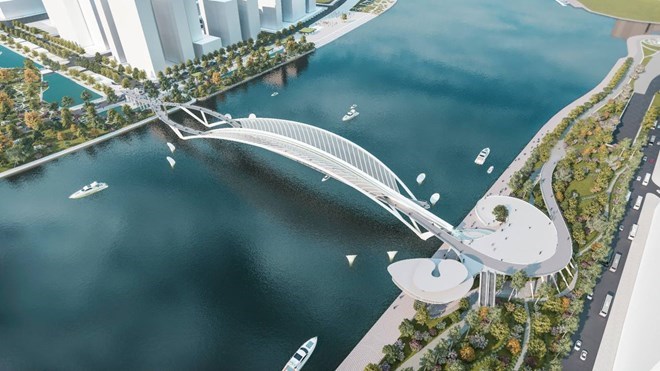
Ho Chi Minh City expects that when completed, the pedestrian bridge across the Saigon River will not only increase the connection between the city center and Thu Thiem but also become a new architectural symbol, an attractive cultural and tourist destination for people and tourists.


