
To celebrate the 96th anniversary of the founding of the Communist Party of Vietnam (February 3, 1930 – February 3, 2026), the Central Organization Committee has selected and honored 96 outstanding Party cell secretaries throughout the Party in 2025.
In this list, Dak Lak province has a representative, Mr. Y Kham Ta Nie - Secretary of the Party Cell, Head of hamlet A1, Ea Sup Commune Party Committee. He has been attached to the village for many years, persistently mobilizing people to change their thinking and ways of working to escape poverty and build a progressive life.
To celebrate the 96th anniversary of the founding of the Communist Party of Vietnam, the honoring of 96 exemplary Party cell secretaries throughout the Party is a recognition for grassroots cadres. They have been and are day and night sticking to the area, close to the people, contributing to bringing the Party's guidelines and policies into life.
Supporting people to rise up in life
For many years, Mr. Y Kham Ta Nie has always been a "Party member who excellently completed his tasks".
In the context that the Party cell has a majority of party members who are cadres, civil servants, retired public employees and ethnic minorities, Mr. Y Kham Ta Nie has proactively innovated the content and methods of Party cell activities in a practical direction, associated with village life.
Party cell meetings not only ensure compliance with regulations but also create a lively and democratic atmosphere, which is highly appreciated by Party members.
Ea Sup commune is a particularly difficult area of Dak Lak province, people's lives mainly depend on small-scale agricultural production, low income. In some places, farming and living habits are still backward, affecting the socio-economic development process.
From that reality, for many years, Mr. Y Kham Ta Nie has always been concerned and strived to mobilize people to change old habits, gradually moving towards a more civilized and progressive lifestyle.
Village A1 (Ea Sup commune) currently has 202 households, including 29 poor households and 27 near-poor households. In 2025, the whole village has 6 households escaping near-poverty and 22 households rising from poverty to near-poverty.
With a sense of responsibility, whenever he has time, Mr. Y Kham Ta Nie goes to each household to analyze right – wrong, more – less; mobilize young people to limit alcohol and beer, work hard, access new production models, and learn techniques to improve their lives.
Mr. Y No Ram's family is a typical example of escaping poverty in 2025 thanks to developing the household economy, combining animal husbandry and cultivation.
Mr. Y No Ram said that thanks to the encouragement and dedicated guidance of Mr. Y Kham Ta Nie, the family has more motivation to overcome difficulties, gradually become economically self-reliant, and no longer rely on the support of the State.
Contributing to preserving and conserving traditional culture
Mr. Y Kham Ta Nie also made important contributions to the effective implementation of the National Target Program for socio-economic development in ethnic minority and mountainous areas.
Ms. Hoang Thi Kieu Oanh, Head of the Culture - Society Department of Ea Sup commune, said that reputable people, village and hamlet heads and Party cell secretaries play a particularly important role in local socio-economic development.
These are people who are trusted by the people, have weighty voices, and help the government effectively convey policies and guidelines to ethnic minorities.
According to Ms. Oanh, the local government expects a team of prestigious people, including typical Party cell secretaries such as Mr. Y Kham Ta Nie, to continue to promote the spirit of responsibility, experience and understanding of customs to accompany the locality in propaganda and dissemination of the Party's guidelines, policies and laws of the State.
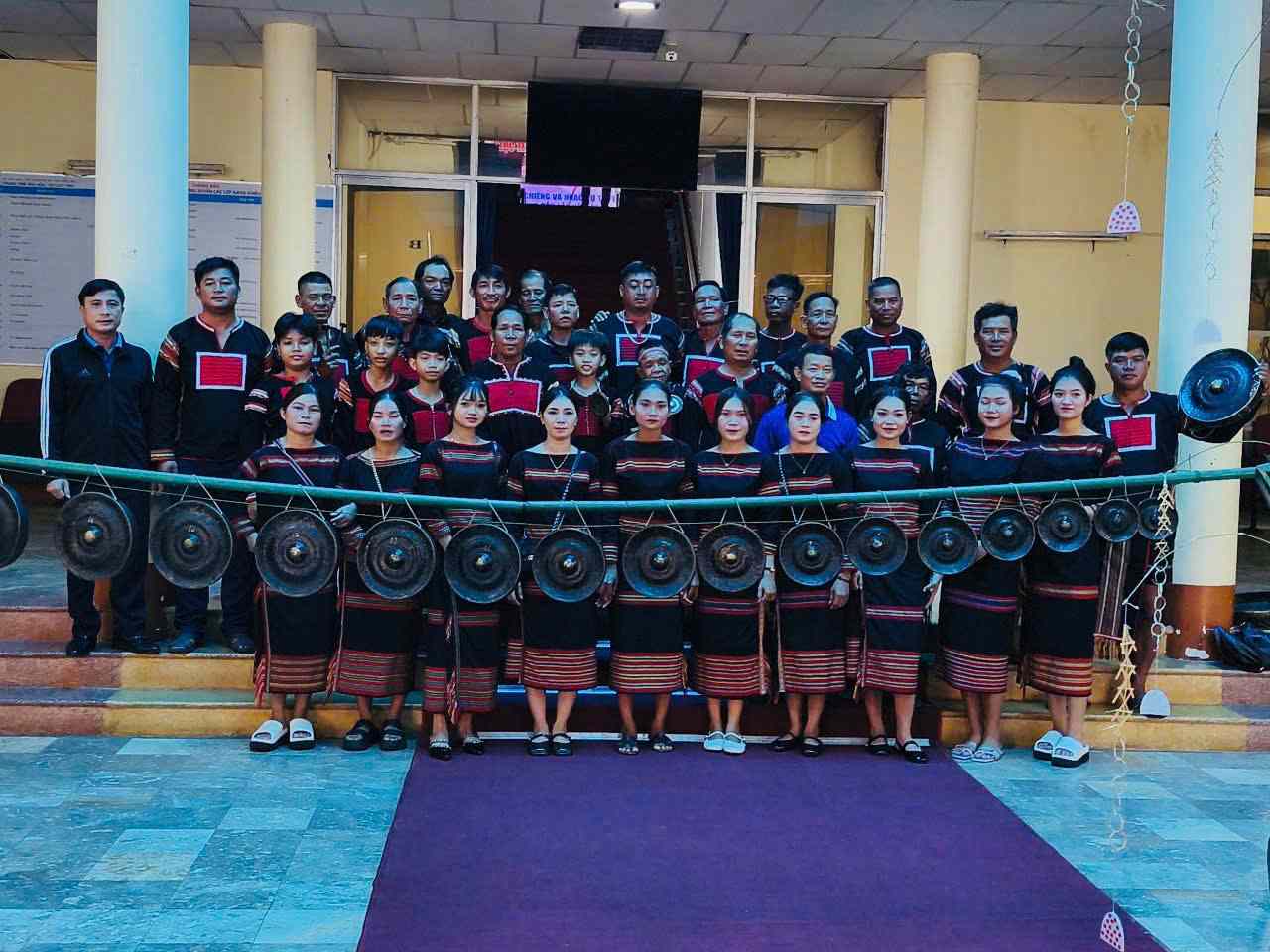
In addition, Mr. Y Kham Ta Nie is also a typical individual in preserving and conserving the gong culture of the E De people, contributing to helping the younger generation understand and continue the traditional cultural identity of the locality.


