
Criticism does not mean slander
From just a few unverified posts and comments, many people suddenly become targets of fabrications on social networks. False information spread quickly, causing victims to face suspicion from both strangers and acquaintances, disrupting their lives and spirits.
Reality shows that many cases on social networks quickly attract thousands of comments and shares even though the information has not been verified. The crowd effect causes rumors and accusations to spread strongly, seriously affecting the honor, prestige and life of the person being mentioned.
Discussing this issue, Dr. Tran Thi Hong Thu (Hong Thu Psychological Counseling and Therapy Office) said that it is necessary to clearly distinguish between the right to criticize and the act of slander and spreading false information in cyberspace.
Criticism is accepting the possibility that one does not know the whole truth, while slander is using fabricated or unverified information but still spreading it to harm the honor and rights of others," Dr. Tran Thi Hong Thu said.
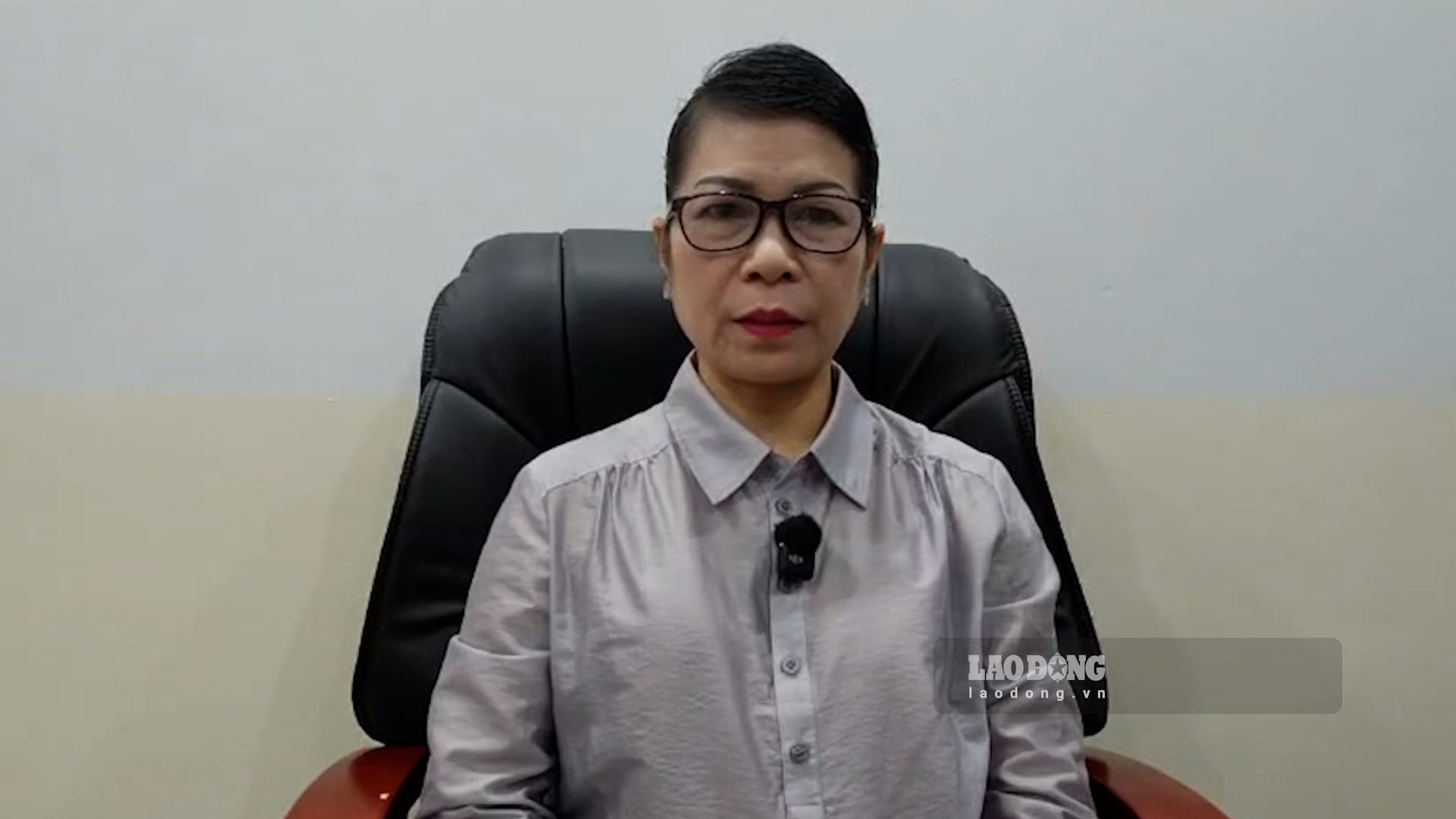
Spreading false information not only causes mental harm to victims but can also lead to legal consequences.
Vietnamese law stipulates responsibility for acts of fabricating and spreading false information to insult honor or cause damage to others," the expert emphasized.
Experts also noted that, depending on the nature, severity and consequences of the act, violators may be handled by different sanctions.
The perpetrator may be administratively sanctioned or criminally handled according to the provisions of law," said Dr. Tran Thi Hong Thu.
One unverified share can destroy a person's honor and put the performer in front of administrative or criminal sanctions. Responsible behavior in cyberspace is not only about protecting others, but also about protecting oneself from legal boundaries.
Everyone needs to verify information before sharing.
In the context of strong social network development, the amount of information posted every day is very large. Many unverified contents are still widely shared, unintentionally creating pressure and harm to those involved.
According to MSc Le Phuong (Director of the Center for Psychology and Human Development of NHC Vietnam - Quan Hoa Branch), amidst the huge amount of information on social networks, verification before commenting or sharing is necessary.
Every day thousands, millions of information is put on social networks. The first thing we must verify is whether that information is true or not," the expert said.

Besides verifying the source of information, users also need to fully understand the context of the incident before making an assessment. "Only when you understand clearly how the incident happened will you have a basis to make an objective assessment," MSc Le Phuong said.
Experts assess that emotional control also plays an important role in avoiding comments that are accusatory or facilitate the spread of fake news. "Each person needs to control their emotions so that their judgments and discussions are more objective and do not contribute to spreading false information," M.A. Le Phuong said.


