
Cao Bang Provincial People's Committee has just issued a master plan for arranging villages and residential groups in the area in 2026, with the goal of streamlining the apparatus at the grassroots level, improving management efficiency and being suitable to the practical conditions of mountainous and border areas.
According to the review, the whole province currently has 1,462 villages and residential groups with 132,845 households.
However, only 75 units met the standards for the scale of households according to regulations, and the remaining 1,387 units did not meet the standards.
Many villages and residential groups are very small in scale, with scattered populations and strongly divided terrain, causing difficulties in management and organization of community activities.
Based on the assessment of specific factors of terrain, population, traffic and requirements for ensuring national defense and security in border areas, the province plans to arrange 1,054 villages and residential groups into 506 new units; and at the same time maintain 408 units, including villages and residential groups in particularly difficult or highly specialized areas.
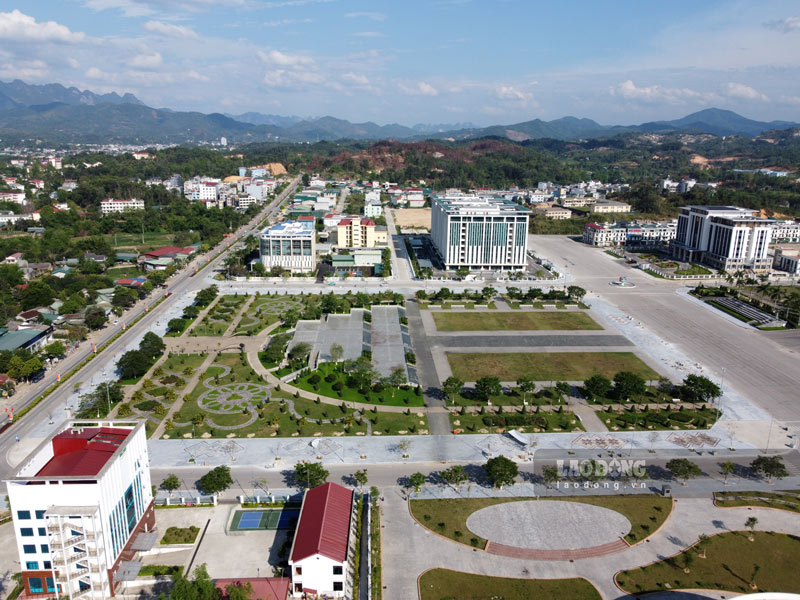
After arrangement, the whole province still has 914 villages and residential groups, a decrease of 548 units, equivalent to 37.48%. The number of non-specialized workers at the grassroots level also decreased from 3,896 people to 2,722 people, a decrease of 1,174 people.
According to Cao Bang Provincial People's Committee, the arrangement is not only based on the criterion of number of households but also considers the actual conditions of each area.
Many villages that have not reached the scale according to regulations are still maintained because they are located in border areas, remote and isolated areas, with difficult transportation or large distances between residential clusters.
Along with the arrangement, the province requires prioritizing the preservation of traditional place names, limiting the naming of new names in order to preserve the historical, cultural and community identity values of the local population.
The reduction of village and residential group focal points is expected to contribute to improving the operational efficiency of the political system at the grassroots level, reducing budget expenditures, and creating conditions to build a team of village and residential group officials to meet the requirements of digital transformation and management tasks in the new period.
According to the plan, localities will complete the arrangement in June 2026, ensuring publicity, democracy, maintaining political stability, social order and safety and not affecting people's lives.


