
The People's Committee of Ca Mau province officially issued a decision approving the Plan to implement forest fire prevention and fighting tasks in the dry season of 2025 - 2026 in the province.
The goal of the Plan is to proactively reduce the risk of forest fires, protect the ecosystem, maintain biodiversity and minimize damage during the dry season.

The plan requires reviewing and arranging all forces and means for forest fire prevention and fighting; strengthening propaganda to the community about the responsibility to protect forests; ensuring communication and accurate updating of forest fire forecasting. Implementing construction solutions to serve forest fire prevention and fighting such as: Dredging canals, reinforcing, filling dams to store water; repairing and building fire observation hutts; purchasing means and equipment to serve forest fire prevention and fighting.

Deploy training courses and drills on forest fire fighting for forces directly involved in forest fire fighting at the grassroots level; effectively implement technical solutions in forest fire prevention and fighting such as: solutions to limit fire-causing materials; plant trees to create green ice to prevent fire; clear canals and roads to mobilize vehicles and forces when forest fires occur.
According to the Department of Agriculture and Environment of Ca Mau province, the whole province has a total forestry land area of 148,196 hectares. Of which, the forest area with the potential to release fire is 45,804 hectares (including 16 forest owners as organizations, 1,812 forest owners are households and individuals in 5 communes and 1 residential community in the U Minh Ha forest area, island forest and Bac Lieu bird sanctuary 125 hectares).
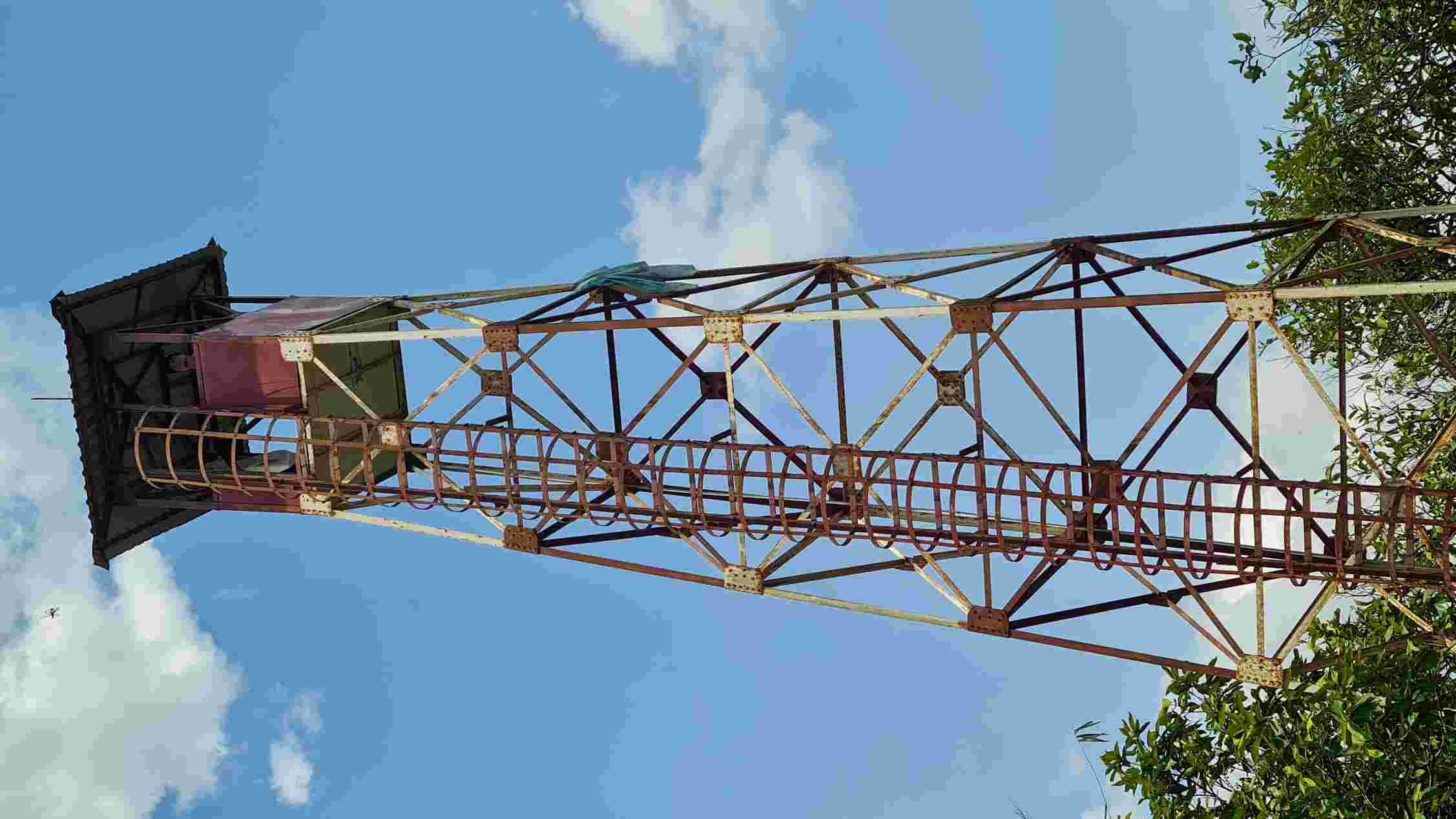
In addition to advantages, the task of forest fire prevention and fighting (PCCCR) still has many difficulties identified by the Department of Agriculture and Environment of Ca Mau as: The awareness of compliance with PCCCR regulations of some households and individuals is not high, the clearing of vegetation after exploitation is not in accordance with regulations; Some equipment for PCCCR work in some localities, agencies and units is degraded and cannot be used because it has been equipped and used for a long time; Facilities, equipment, means and funding for PCCCR work are invested but are still limited.
In addition, the investment in high-tech equipment to detect and warn of forest fire risks early has not been widely equipped (only U Minh Ha National Park is equipped with a camera system to support fire prevention and fighting). In addition, due to the impact of climate change, weather developments are complicated and unpredictable, leading to forecasts on the risk of forest fires sometimes not ensuring high accuracy.
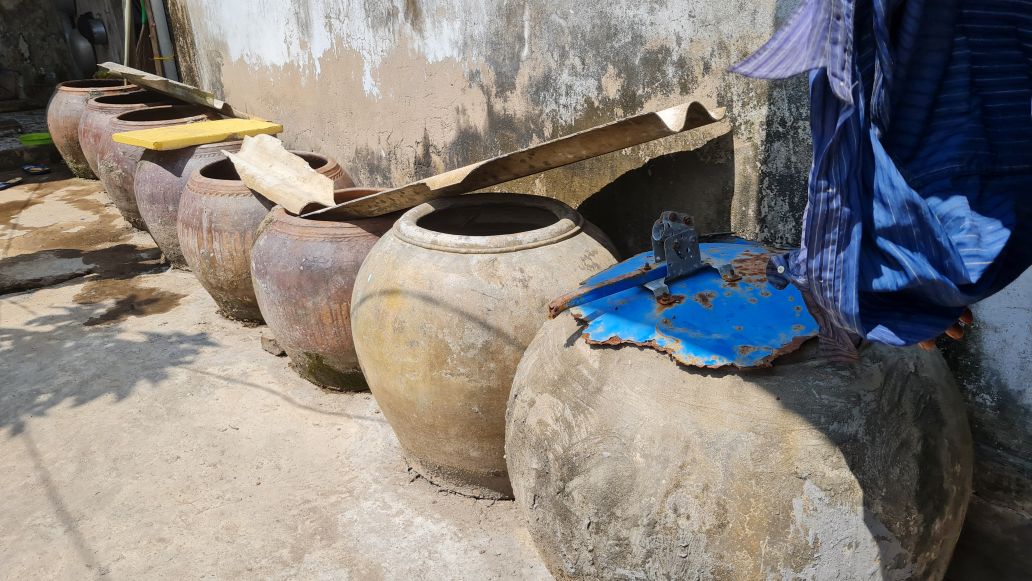
To proactively monitor PCCCR in the 2025 - 2026 dry season, Ca Mau province proposed to keep PCCCR water. The province recommends that forest owners and localities proactively build dams, drainage ditches, and close sewers to regulate water before the rainy season ends.
Units must proactively regularly inspect and reinforce dams to prevent water leakage and drainage; if the amount of water stored inside the culverts and dams is higher than the average, the water can be adjusted appropriately to ensure favorable conditions for the implementation of forest protection tasks, fire prevention and fighting and all production activities for people in the forest area.
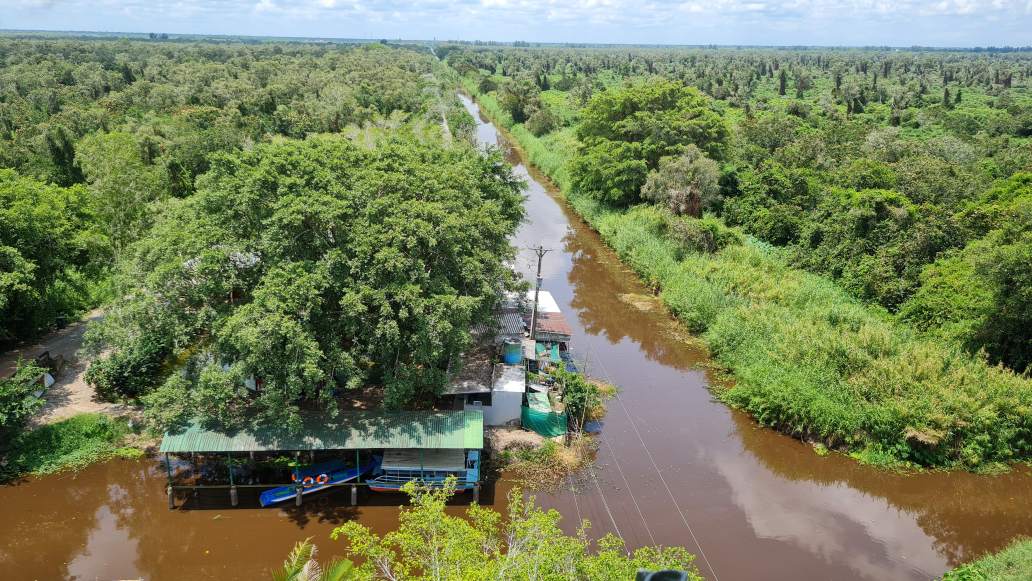
As for U Minh Ha National Park, it is absolutely necessary to strictly implement water retention to serve forest protection and PCCCR work. At the end of the dry season, water must be discharged and removed immediately to prevent prolonged flooding, to create good conditions for the growth and development of forest trees.


