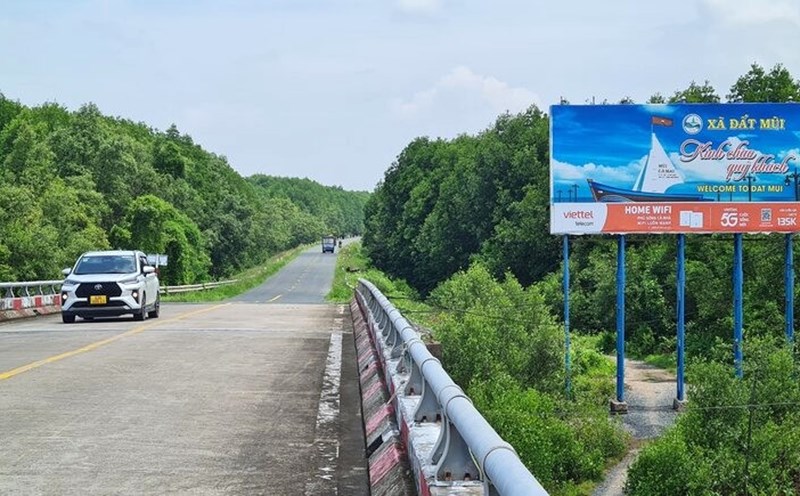
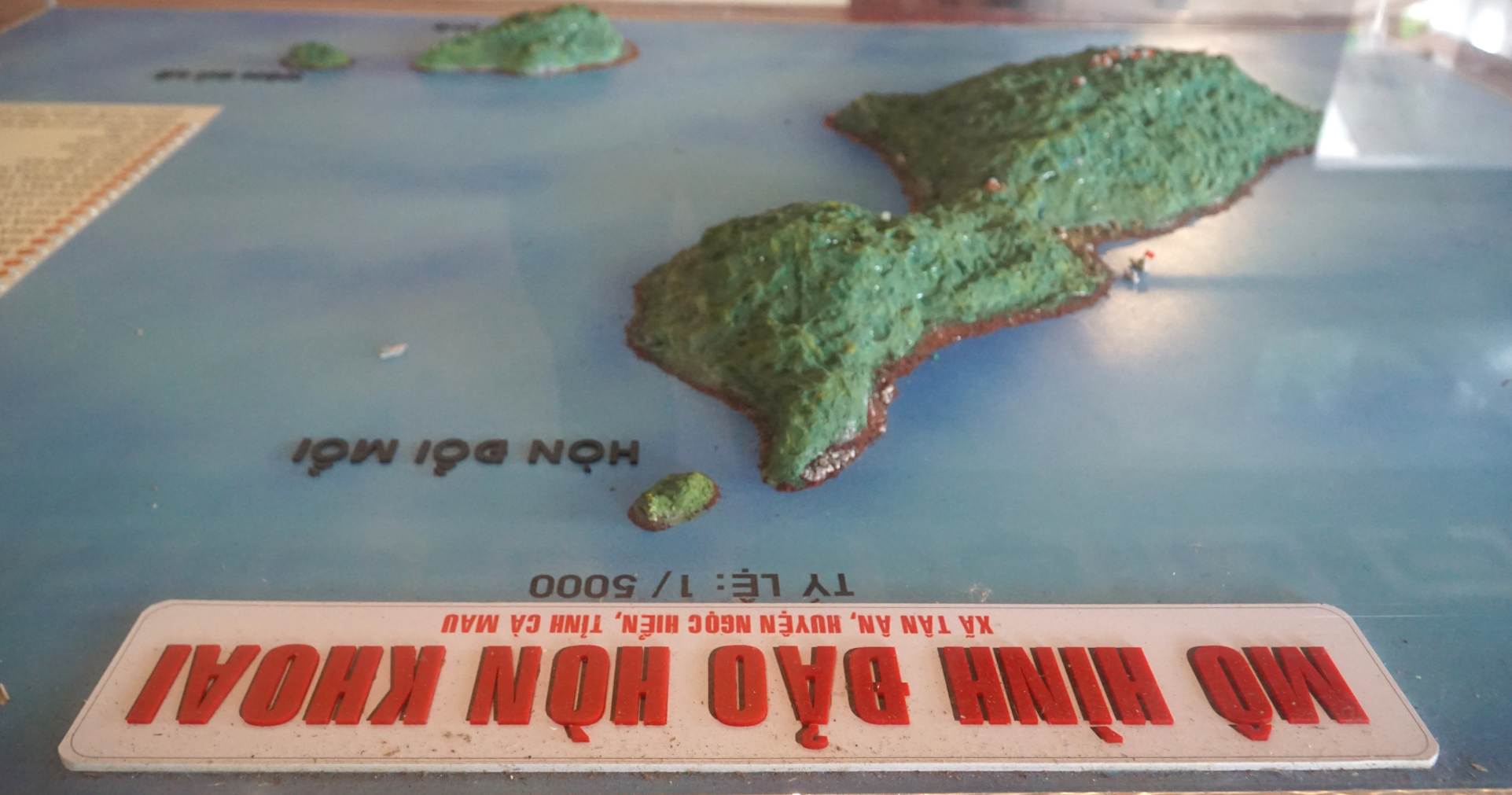
Hon Khoai island cluster (Ca Mau province) consists of 5 islands with an area of over 5.44 km2. Of which, Hon Khoai Island is 318 m above sea level, one of the rare natural highs in the entire Southwest sea. This is an area almost intact primeval forest, located adjacent to the international shipping route, directly serving as a gateway connecting Vietnam with the continental and island regions of South Asia, playing a role in controlling the entire Southwest sea space.
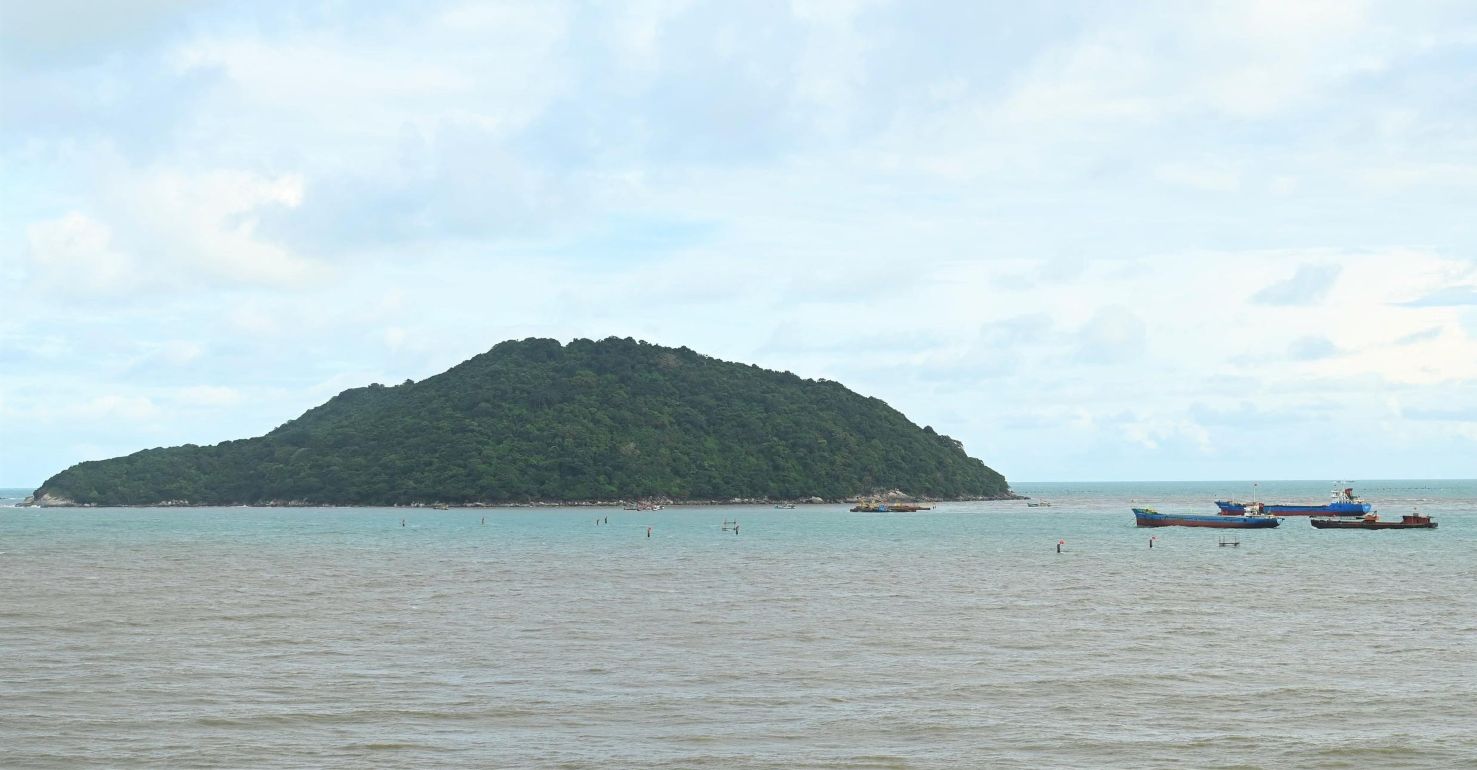
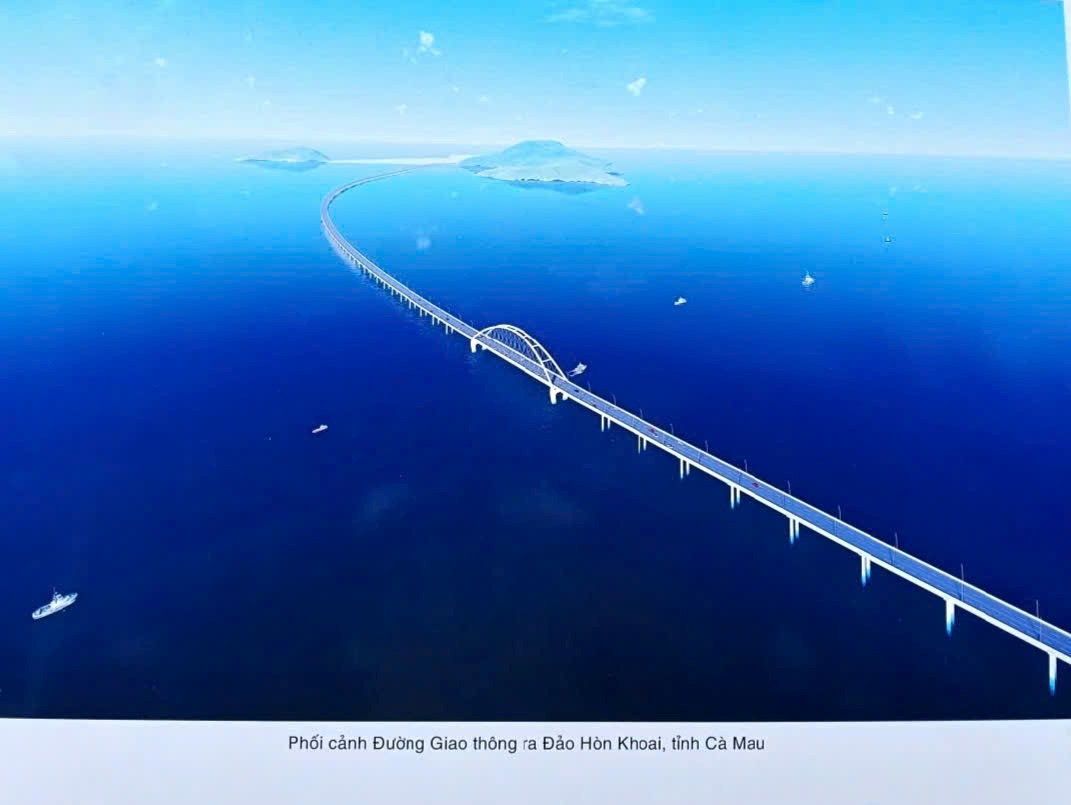
To celebrate the 85th anniversary of the revolutionary tradition of the Party Committee, army and people of Ca Mau province (December 13, 1940 13.12). Today, Hon Khoai has become the southernmost point of the Fatherland with many national key projects being constructed day and night.
Before the expanded Provincial Party Committee Conference in November 1940 in Lung La - Nha The, the Provincial Party Committee assigned comrade Phan Ngoc Hien, comrades Duong Van Giai and Nguyen Thi Quyt to Hon Khoai to build a revolutionary facility to prepare for the uprising.
In order to create a legal situation, comrade Phan Ngoc Hien went to meet the island boss Oliver to ask to open a school to teach. In a short time, most of the staff working on the island were propagandized and informed about the revolution.
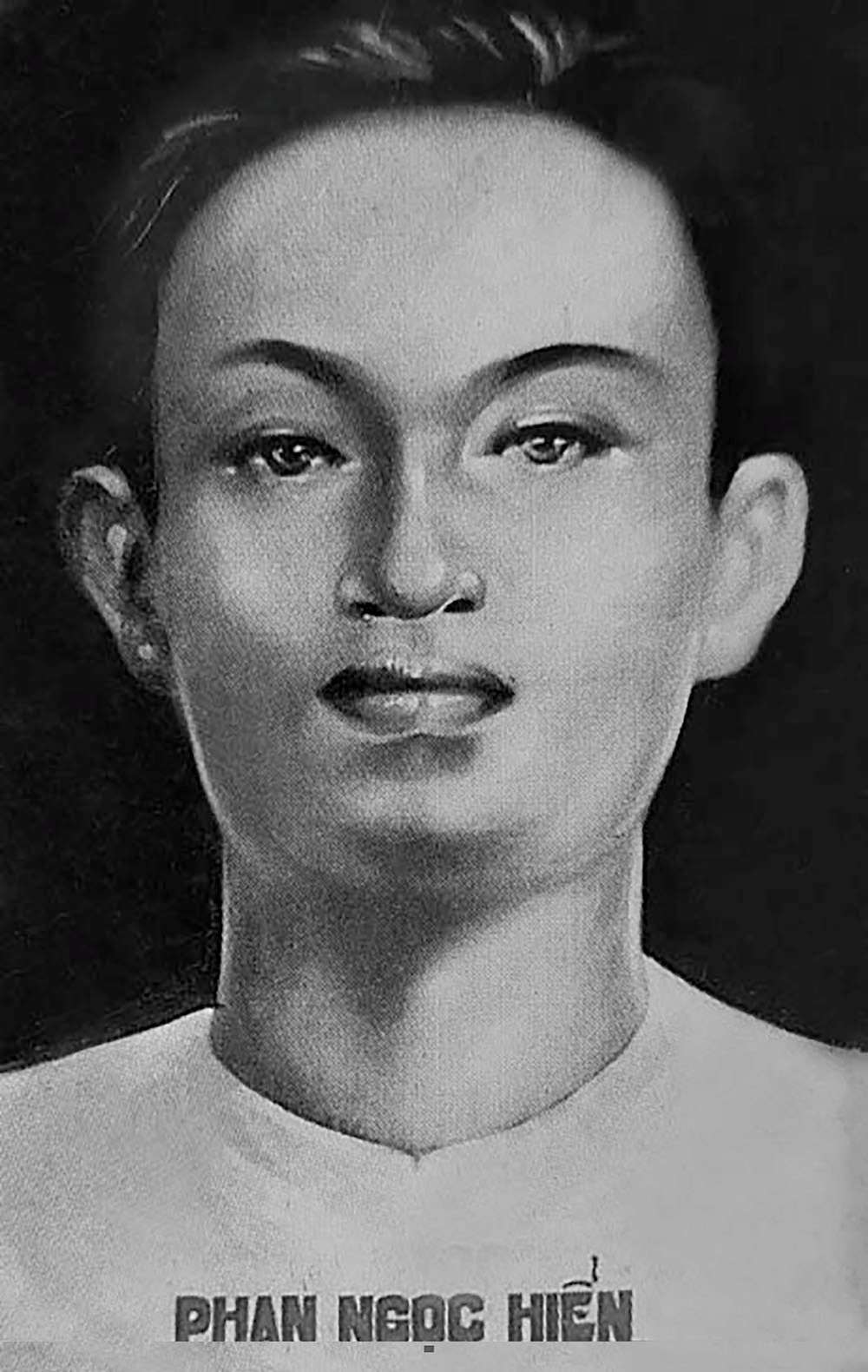
At 11pm on December 13, 1940, the Hon Khoai Uprising led by Phan Ngoc Hien broke out and quickly won, the island chief was seriously injured and died on the island. The Hon Khoai Uprising force completely dominated the situation on the island and quickly advanced straight to the mainland.
On the fishing boat, the Hon Khoai uprising raised a red flag and carried a record with the words: "The National Union battlefield against the Emperor for generations". When returning to the mainland, the rebels continued to attack Tan An Forest Protection Station and quickly won.
However, due to the order to stop the Uprising issued earlier, the Hon Khoai Uprising did not receive any communication or emergency support, after many days of being isolated in the forest, on December 22, 1940, the Hon Khoai soldiers were arrested by the enemy at Khai Long beach.
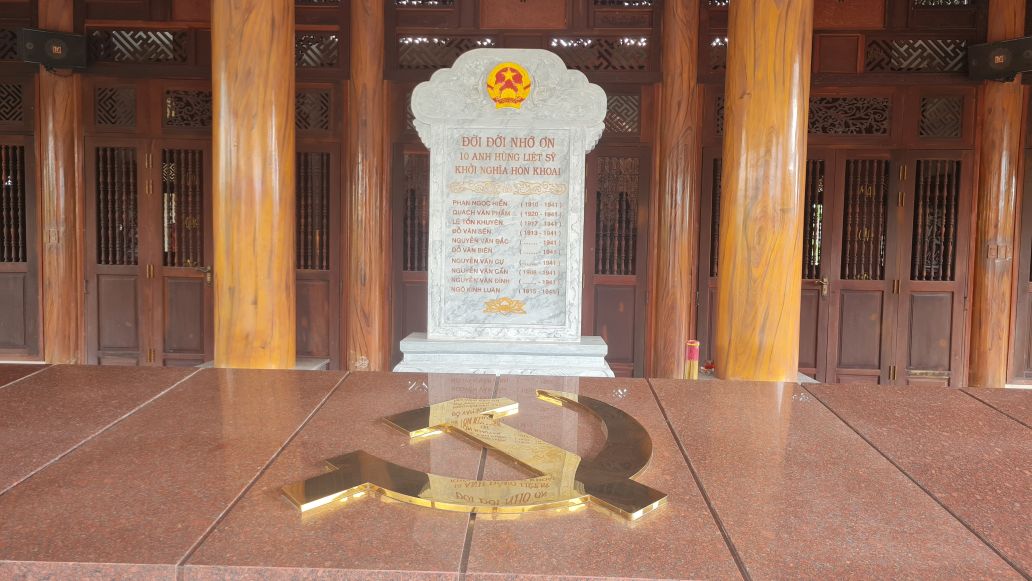
On July 12,41 the French colonialists executed the death sentence on 8 Hon Khoai uprising soldiers including: Phan Ngoc Hien, Do Van Sen, Nguyen Van Duc, Nguyen Van Cu, Do Van Bien, Nguyen Van Can, Ngo Kinh Luan, Nguyen Van Binh and 2 cadres of our Party related to the uprising, Quach Van Pham (Standing Committee of the Ca Mau Provincial Party Committee) and Le Van Khuyen.
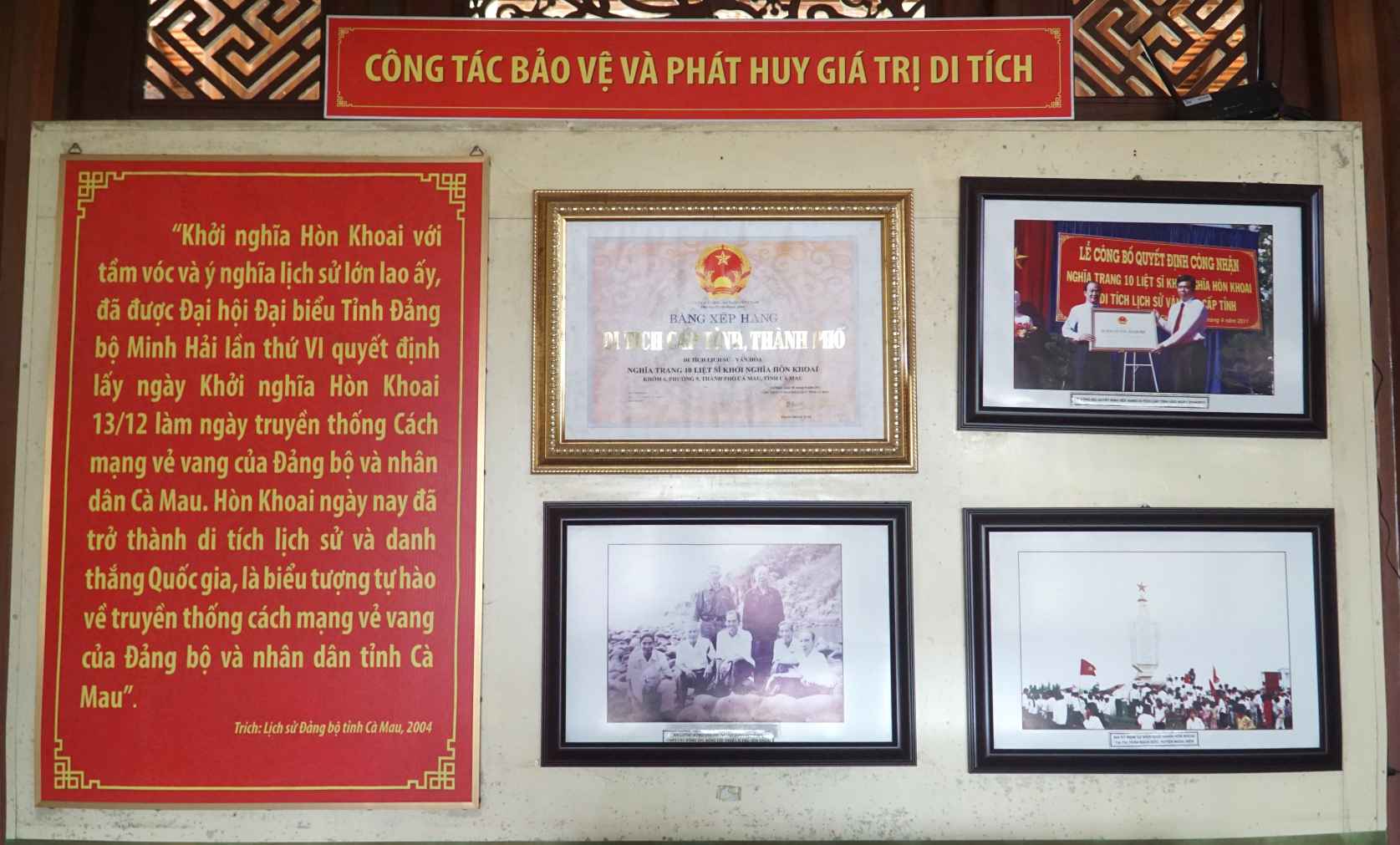
After being executed, the French buried a hole in the bodies of 10 revolutionary comrades of Hon Khoai (known to the people as the 10 people). The country was unified, the Party Committee, army and people of Ca Mau province invested in building a cemetery to commemorate the merits of 10 martyrs of the Hon Khoai uprising; at the same time, the province decided to choose the Hon Khoai uprising (December 13, 1940) as the traditional revolutionary day of the Party Committee, army and people of Ca Mau province.
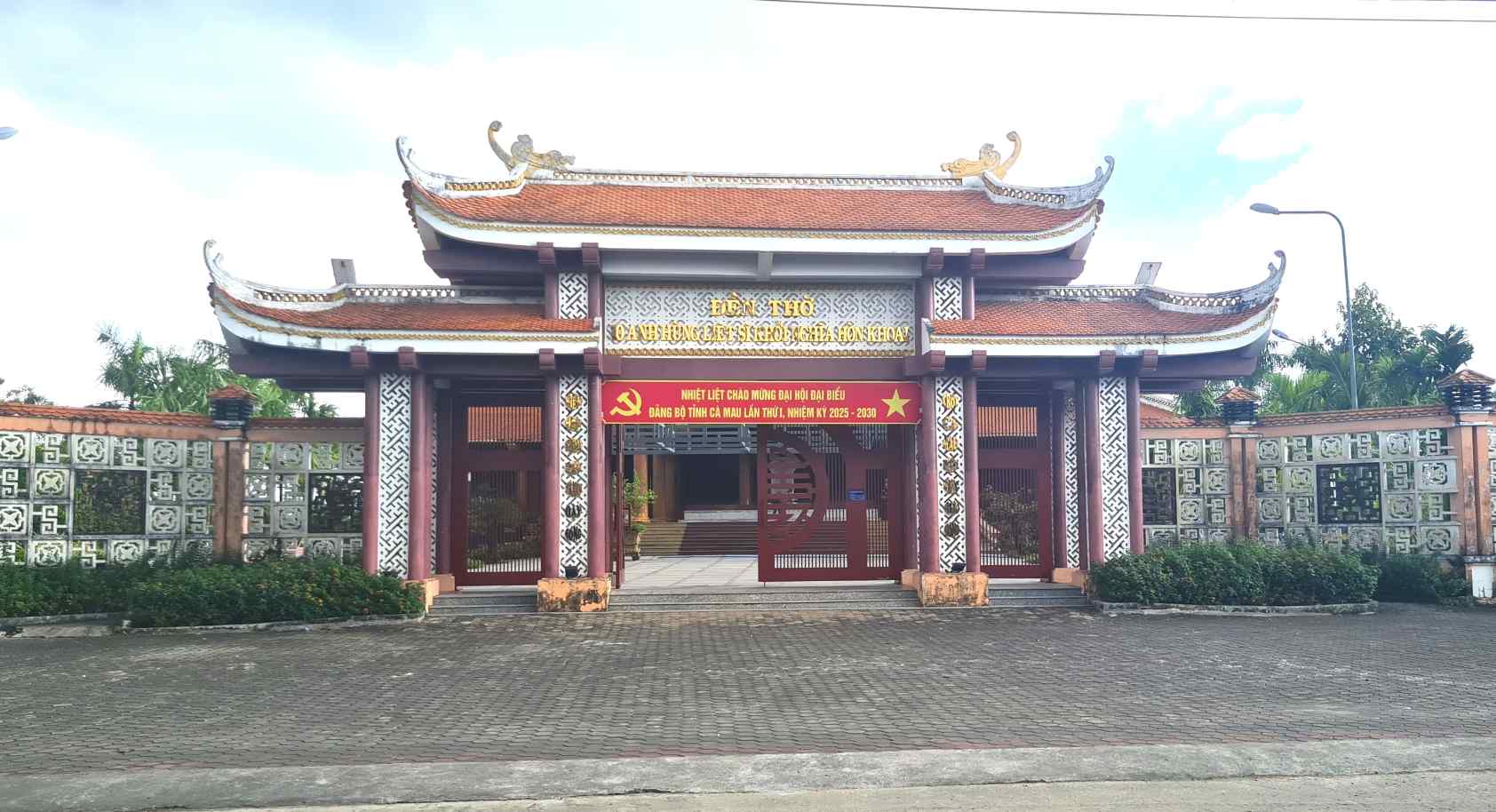
The relic site is located on Nguyen Trai Street, Tan Xuyen Ward, Ca Mau, this is a place to express the deep gratitude of the Party Committee, army and people of Ca Mau province for the heroes who made the Hon Khoai Startup.
On April 6, 2011, the Cemetery of 10 Heroes and Martyrs of the Hon Khoai Uprising was recognized by the People's Committee of Ca Mau province as a provincial-level historical and cultural relic.
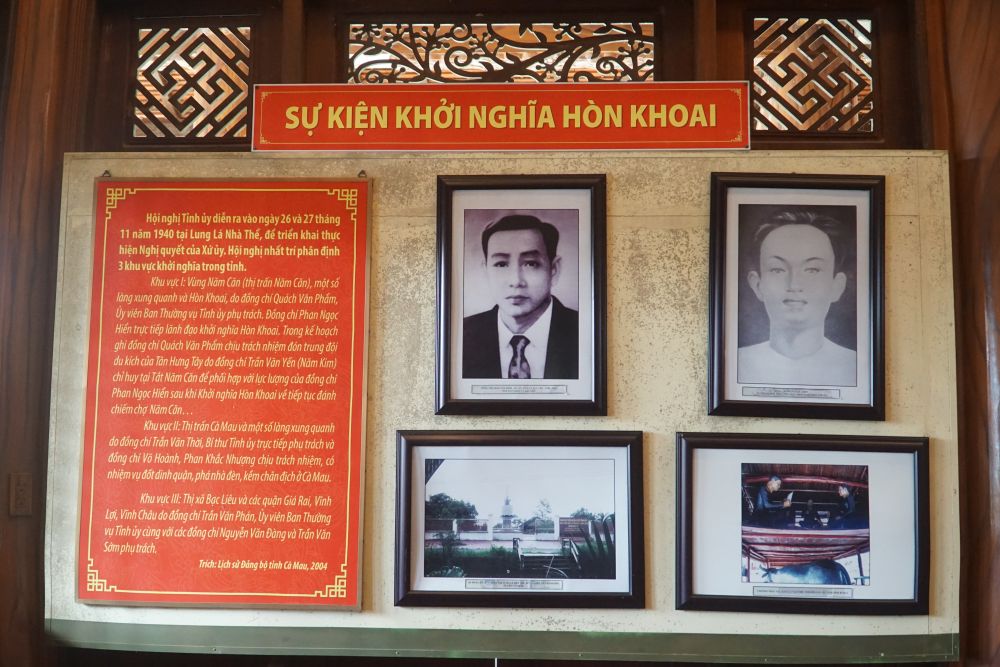
In 2016, the leaders of Ca Mau province agreed on the investment policy to build and upgrade the cemetery of 10 Heroes and Martyrs of the Hon Khoai Rising and renamed it the Temple of 10 Heroes and Martyrs of the Hon Khoai Rising.
The temple was started in 2017 on an area of over 8,000m2, including items: Lake, miniature Hon Khoai island model, temple, burial house, management house...
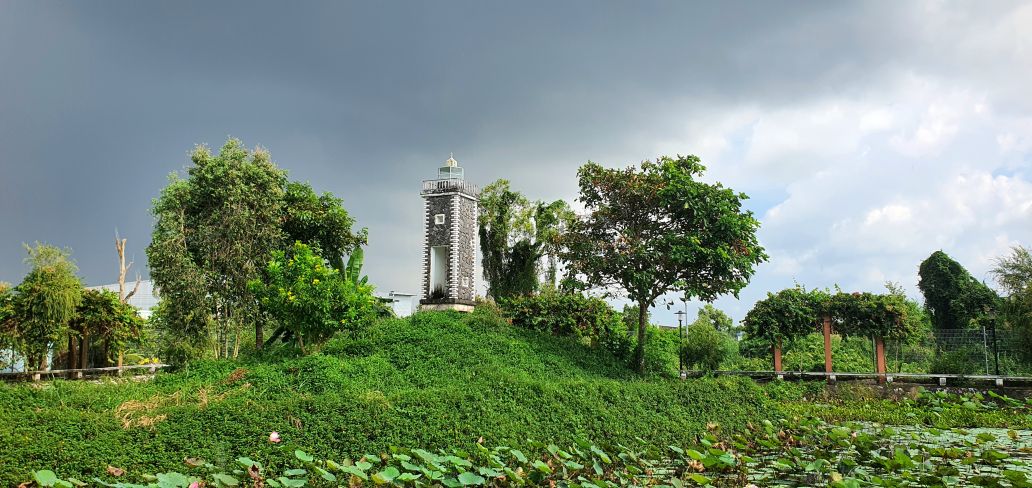
The temple was inaugurated on the occasion of the 78th anniversary of the revolutionary tradition of the Party Committee, army and people of Ca Mau province (December 13, 1930 - December 13, 2018). This cultural and historical project is a place to organize activities to commemorate and commemorate the heroic and martyr of the Hon Khoai uprising who heroically sacrificed for the cause of national liberation. At the same time, the project is also a red address to educate the revolutionary tradition for the younger generation; to show gratitude and honor those who have devoted and sacrificed for the Fatherland.