
From rainy nights to safe houses
In the Long Boc resettlement area (Nam Tra My commune, Da Nang city) in the days before the rainy season, Mr. Ho Van Thoan, 42 years old, is busy completing the kitchen and toilet of his new house. For his family of 4, building a house on a high dry land is the end of many years of living in anxiety.
The area where Mr. Thoan's family used to live continuously shows cracks. Every time it rains heavily, the whole family has to run to relatives' houses or schools to take shelter.
Worry became apparent after the natural disaster at the end of 2025, when a crack of more than 25cm wide appeared on the hilltop behind the old Long Boc village, extending hundreds of meters down to the concrete road and close to residential areas. The area is identified as having a very high risk of landslides.
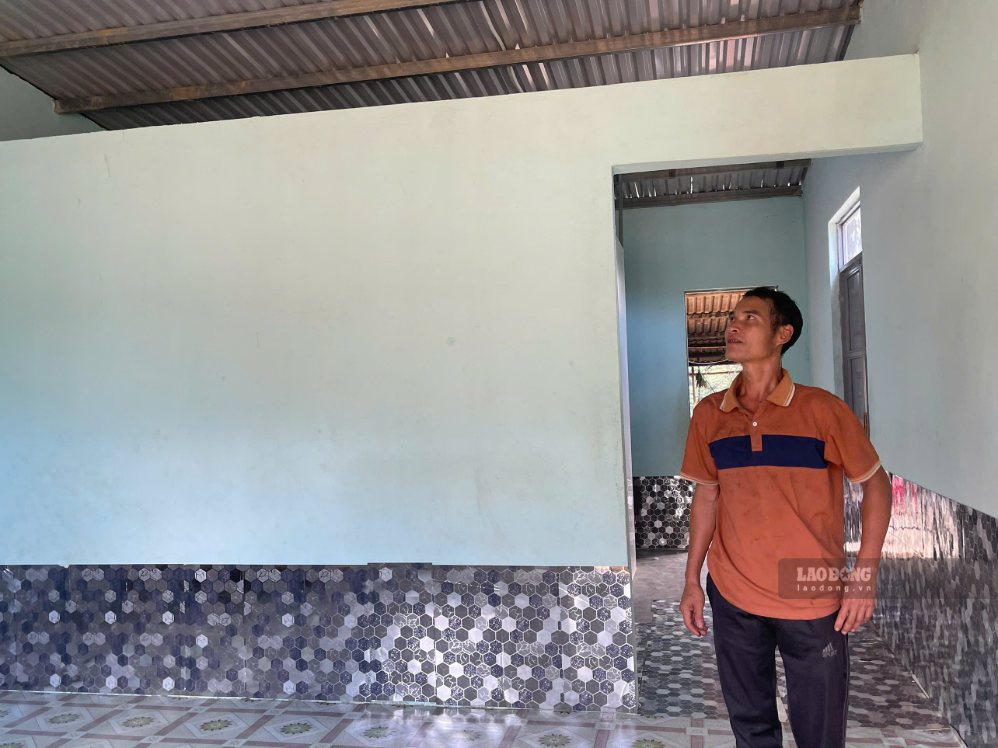
Long Boc resettlement area was then deployed with a total investment of nearly 20 billion VND, arranging accommodation for 51 households who had to be urgently relocated. By the end of August 2026, about 40 houses had been completed and had people living there; schools and infrastructure items are also continuing to be built.
Having a new house on a new land, we are most happy that we no longer worry about landslides or running away from rain like before. From now on, we will focus on working and raising our two children to study," Mr. Thoan said.
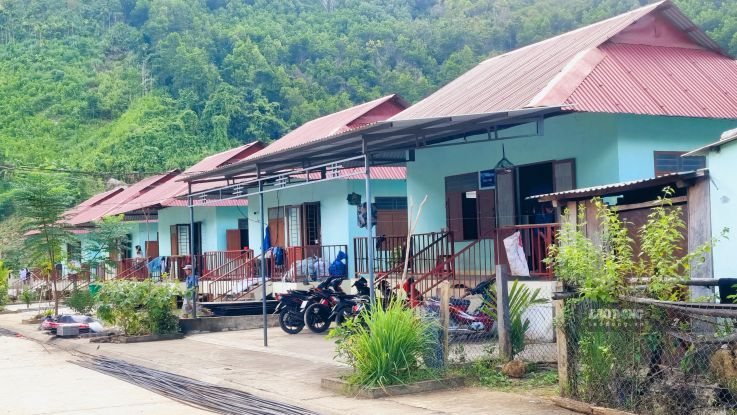
The story in Long Boc is not an isolated case. In Tra Tan commune, floods in 2025 damaged 85 houses, and more than 36 major landslide points appeared, with total estimated damage of more than 35 billion VND.
After the natural disaster, the locality rebuilt 18 houses and repaired 5 others. Mr. Pham Xuan Bi's family - whose two-story wooden house was completely collapsed by soil and rocks - has now moved to a solid house worth about 600 million VND in Ngoc Giac village.
From overcoming consequences to early prevention
Natural disasters in 2025 caused damage of more than 4,129 billion VND in Da Nang City, of which 505 houses were affected, including 144 houses to be newly built and 361 houses to be repaired. These figures are driving Da Nang to change its approach: not waiting for natural disasters to occur before relocating, but proactively taking people out of dangerous areas.
According to Resolution 63/2026/NQ-HDND, in the period 2026-2030, the city will arrange and stabilize population and production for about 8,739 households in 58/94 communes and wards by forms of concentrated, interspersed or on-site resettlement. Specifically, concentrated resettlement is expected to be about 6,385 households in 47 communes.
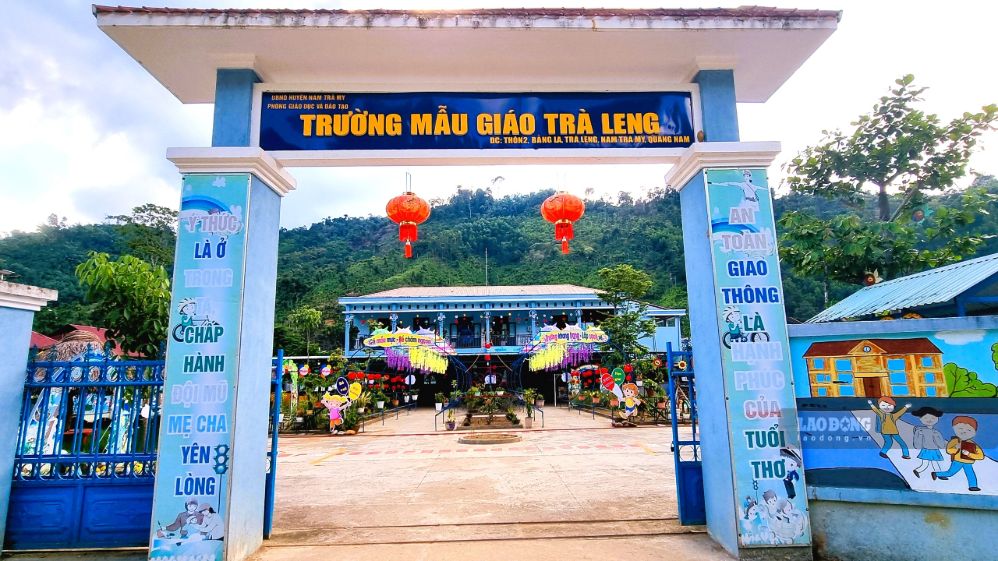
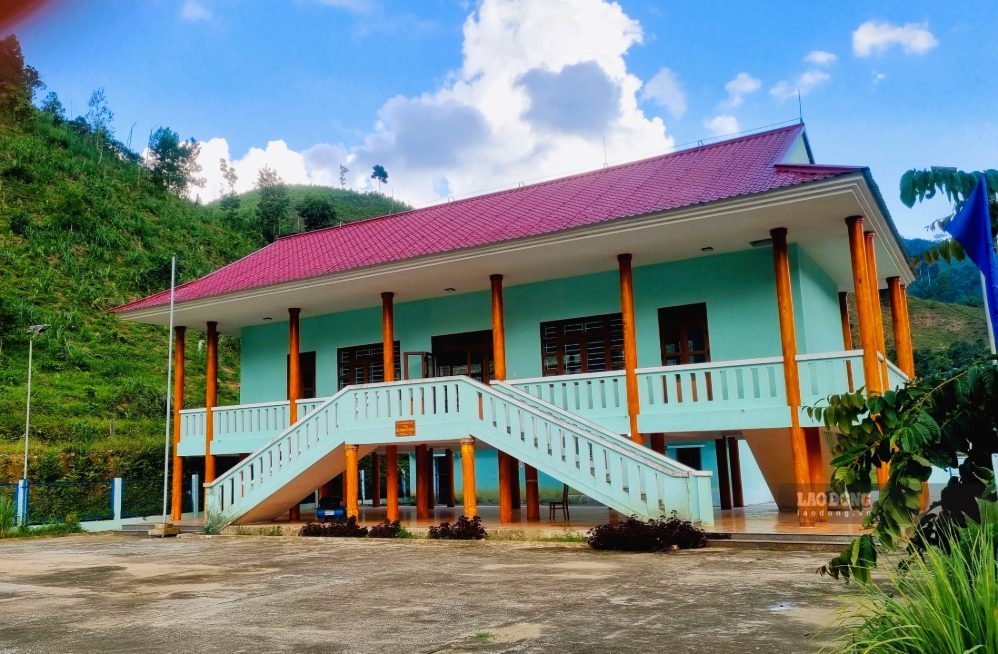
The city is completing a list of about 176 points and concentrated resettlement areas. Among them, 30 areas have been invested in transition or urgently built in 2026; an additional 146 areas are expected to be implemented in the 2027-2028 period, with a total investment of about 4,100 billion VND. Annually, the city budget is expected to allocate 200 billion VND, and at the same time integrate national target programs to implement.
From night racing to thousands of roofs expected to be erected in safe lands, Da Nang is shifting the mountainous resettlement problem from a disaster recovery solution to an early defensive layer.
The goal is not only to get people out of the landslide point, but to be able to stay for a long time, have jobs and live in the new land" - Mr. Tran Nam Hung - Vice Chairman of Da Nang City People's Committee emphasized.


