
Vocational training right at the grassroots level
In recent years, Dak Lak province has implemented many vocational training programs for rural workers, especially in remote areas.
Veterinary, garment, veterinary classes... organized right in the locality have helped many poor workers improve their knowledge and skills and opened up hope of sustainable poverty reduction.
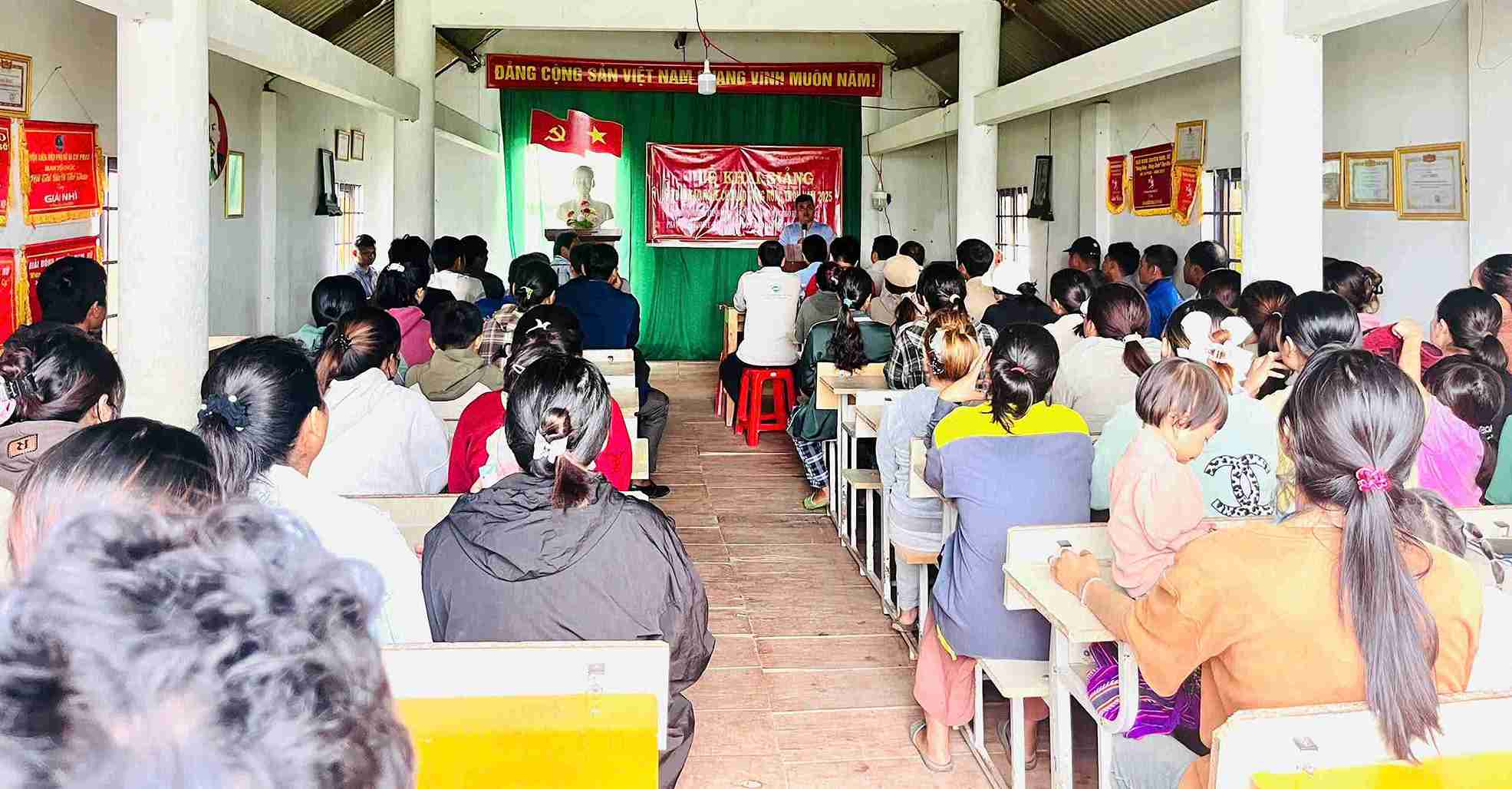
In 2025, after being allocated transitional funding from 2024, vocational education - Continuing education centers in the province such as Krong Ana, Cu Kuin, Buon Ma Thuot, Ea Kar, Krong Buk... have implemented vocational training classes for workers in rural areas.
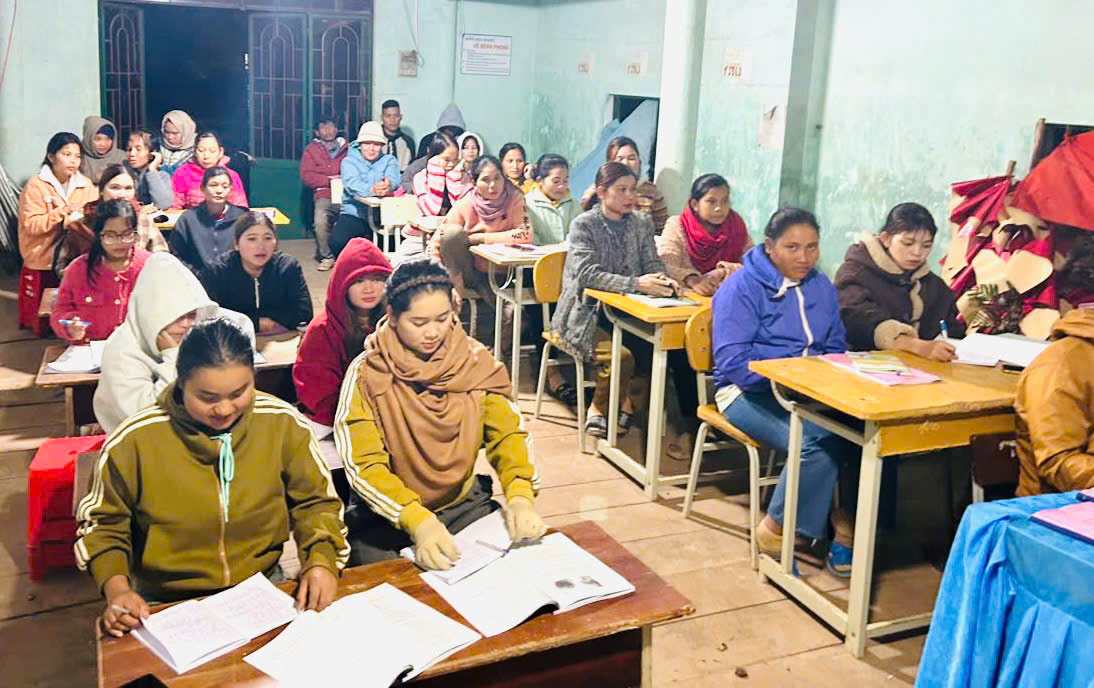
Ms. H'Nhoat Mlo (Cu Prao commune, poor ethnic minority household) shared that I am still busy taking care of my family, so the class is right in the locality and held in the evening, very suitable for women.
"After graduating, I will buy breeding pigs to raise to earn more income and develop the family economy. I consider this an opportunity to change my life" - Ms. H'Nhoat Mlo affirmed.
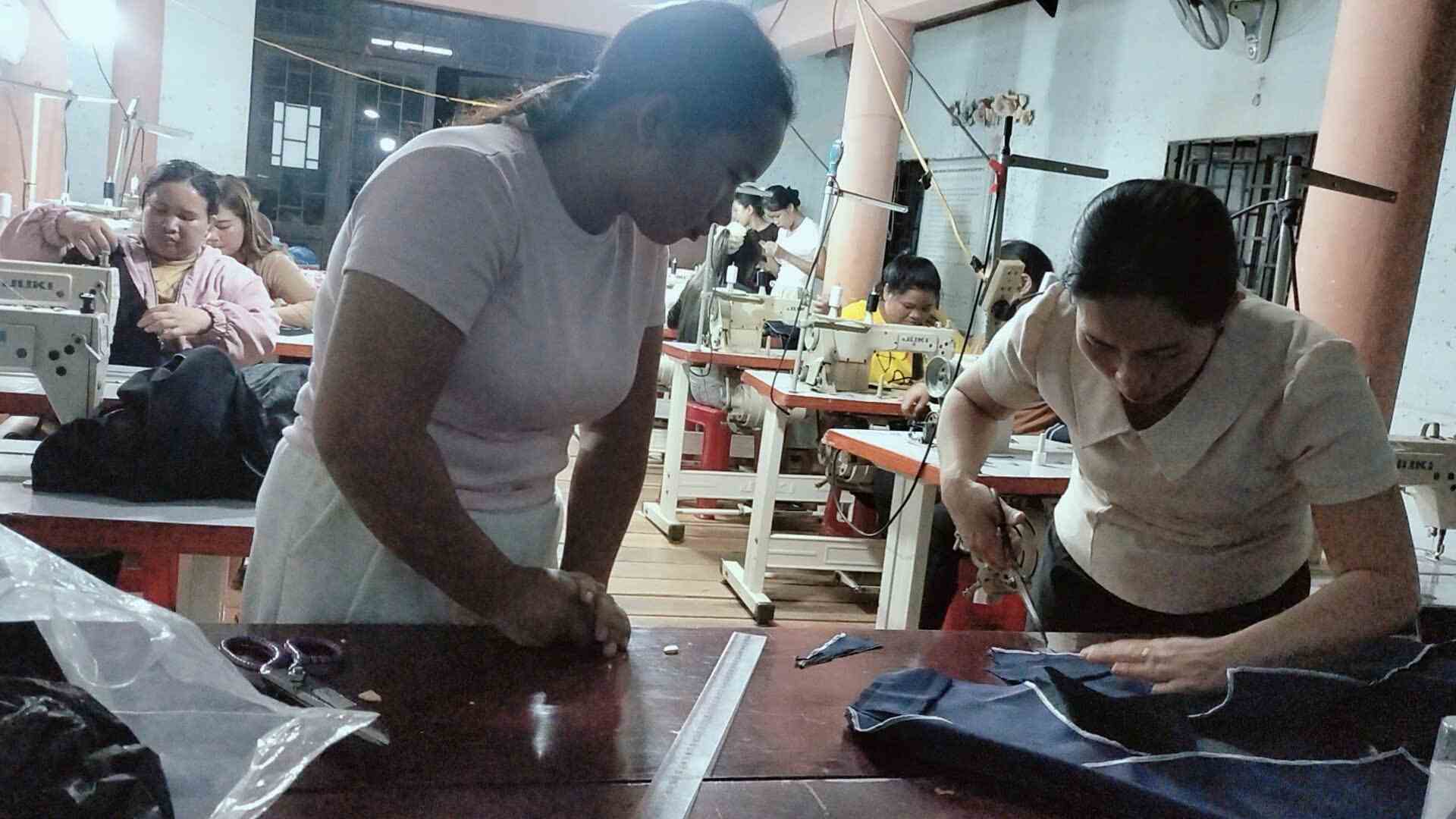
In parallel with the livestock classes, the garment training program also attracts a large number of female workers in poor areas. The classes at the facility create conditions for women to both learn a trade and take care of their families.
Ms. H'Len Bya (a near-poor neighbor, Ea Nuol commune) said that for many years, my family has encountered many difficulties and has not escaped poverty.
"After being encouraged by the government, I decided to learn sewing. In class, we practice sewing techniques, industrial sewing machine operation, simple sample design and processing" - Ms. H'Len Bya shared.
According to Ms. H'Len Bya, after the course, many students confidently received clothes sewing at home, opened a small shop or applied to work at a garment factory in the district. I also hope to escape poverty when I have a stable job.
Improving the quality of vocational training
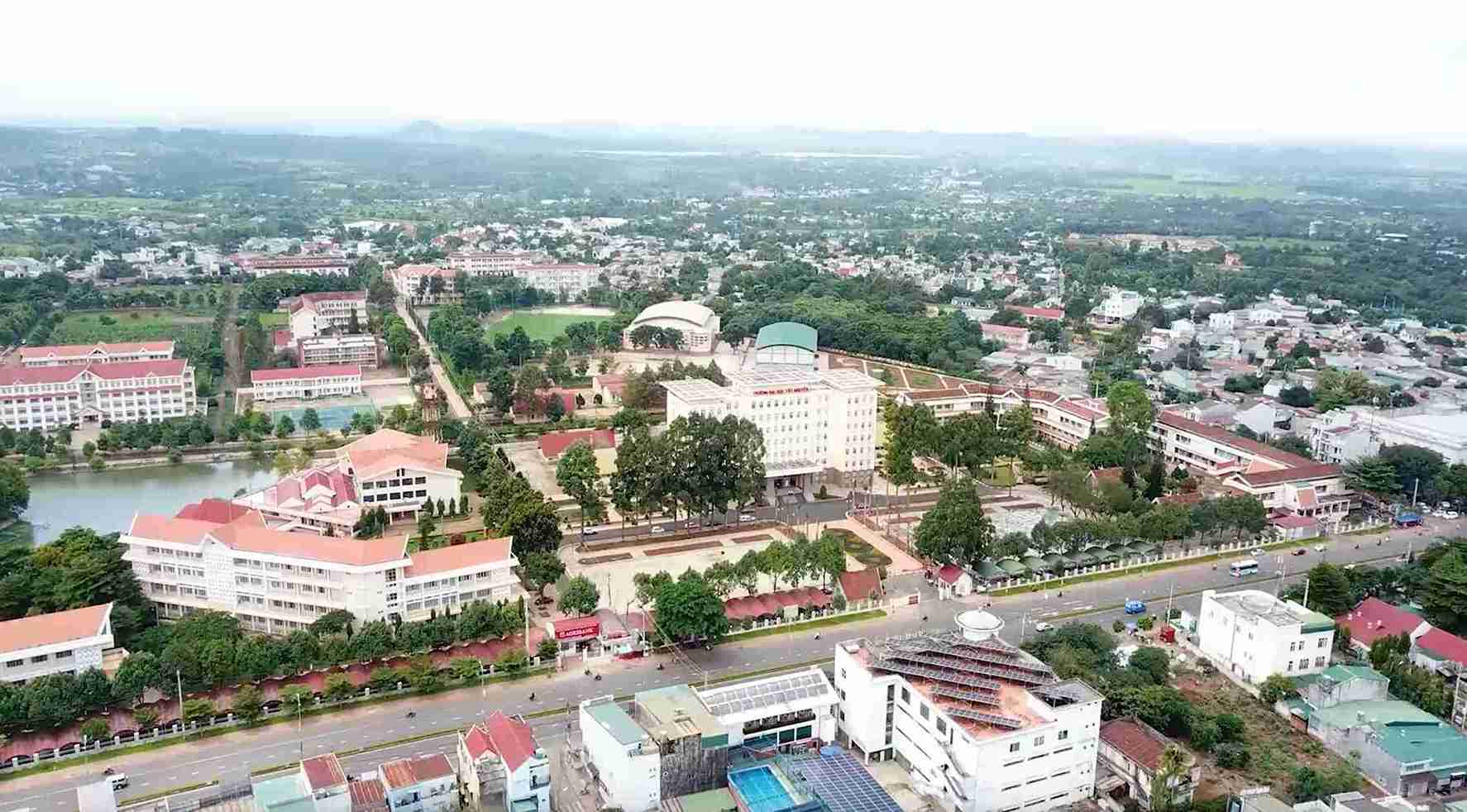
After the merger, Dak Lak province currently has 24 Vocational Education - Continuing Education Centers.
In addition to the achieved results, the centers still face many difficulties such as: The team of permanent teachers is still lacking; the mobilization of social resources is facing difficulties; the quality of training is not uniform, especially in remote areas and ethnic minority areas.
Training equipment also directly affects the quality. Many institutions still lack practical tools, degraded classrooms and not enough model for students to experience.
Currently, the provincial authorities have added resources for centers to invest in and upgrade facilities to meet new requirements.
The top priority is still improving the quality of vocational training, ensuring job output or the ability to create jobs for rural workers.
Ms. Vu Thi My Phuong - Deputy Head of the Department of Vocational Education - Continuing Education (Dak Lak Province Department of Education and Training) - said that to provide vocational training for rural workers effectively, it is necessary to closely link training facilities and enterprises. Enterprises not only receive workers but also orient career needs.
Through this linkage, the training program will be updated regularly according to market requirements. Students are given internships, improved skills and have the opportunity to be recruited after graduation.
"This is a suitable direction to link training with employment, helping rural workers feel secure in their studies and reduce the risk of unemployment," Ms. Phuong emphasized.


