
Comparing each terrain milestone
Amidst the forests in Bat Xat (Lao Cai province) - a place that was once a fierce battlefield decades ago - today's soldiers still regularly step into the forest, carrying military maps, archives and even stories that have been stained with time.
There are searches that start from just a very short story of people.
Mr. Hoang Xuan Duc, in An Thanh village, recalled an area on Hill 350B that once had soldiers sacrificed.
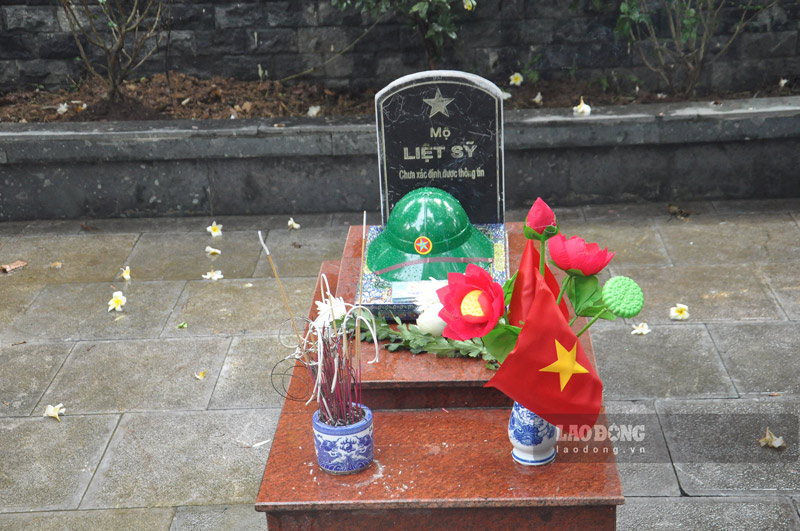
That information was immediately recorded by the Military Command (CHQS) of Bat Xat commune, coordinating with specialized forces to survey and compare with military documents and the accounts of many other witnesses.
After many days of verification, the repatriation team successfully exhumed 9 sets of martyrs' remains.
After many decades lying in the old battlefield, they were brought back for solemn burial, opening up hope for early identification to return to their families.
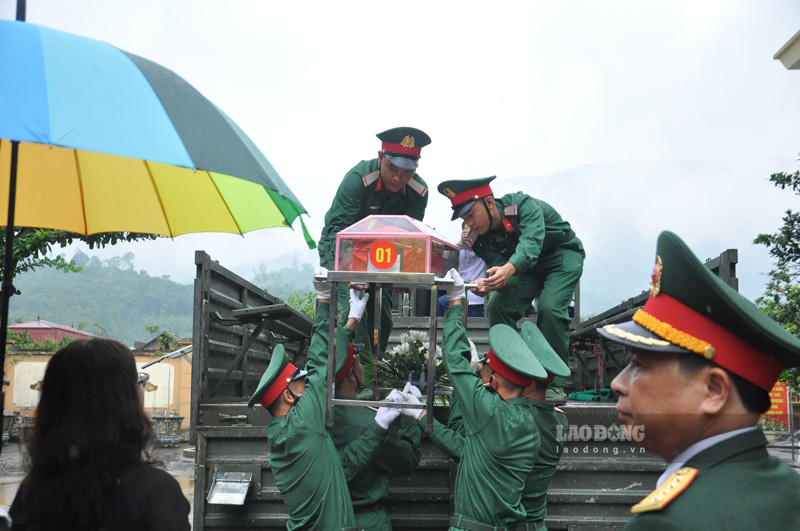
Lieutenant Colonel To Manh Hung - Commander of Bat Xat Commune Military Command - said that the most difficult thing is not digging or crossing mountains, but finding reliable information.
When the veterans of Regiment 192 returned to the old battlefield, officers of the Commune Military Command met, recorded, and compared each memory, each landmark.
Sometimes even a very small detail can help determine the location of the martyr's burial," he said.
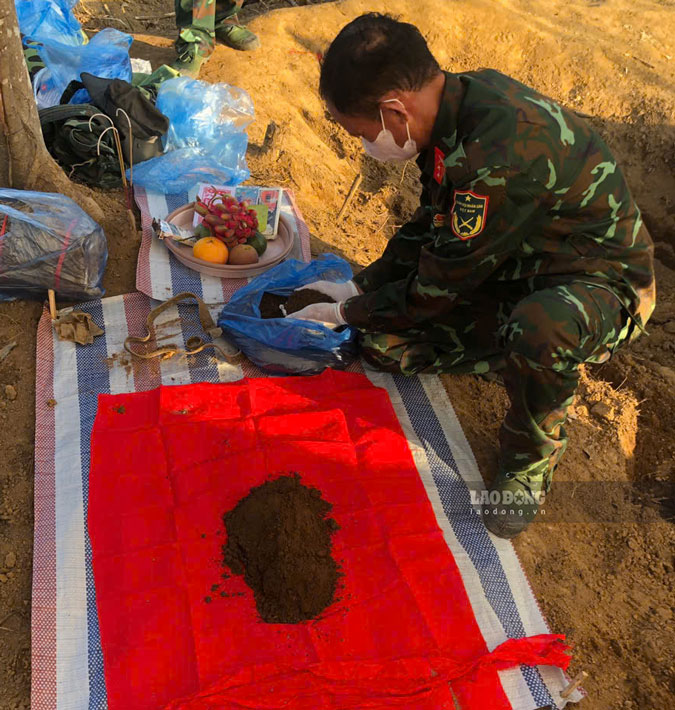
According to the Commander of the Military Command of Bat Xat commune, most of the witnesses are now old, and their memories are no longer complete. Therefore, each piece of information must be verified through many sources, compared with military maps, archival documents, and then on-site surveys.
There are locations that must be returned many times to accurately determine where the martyrs remained.
The silent people behind the journey of gratitude
In Nam Cuong ward, many people are persistently on the journey to find names for martyrs using DNA technology.
Immediately after implementing the plan to take biological samples from unidentified graves, the Nam Cuong Ward Military Command coordinated with specialized units to survey the scene, prepare forces and vehicles to serve excavation.
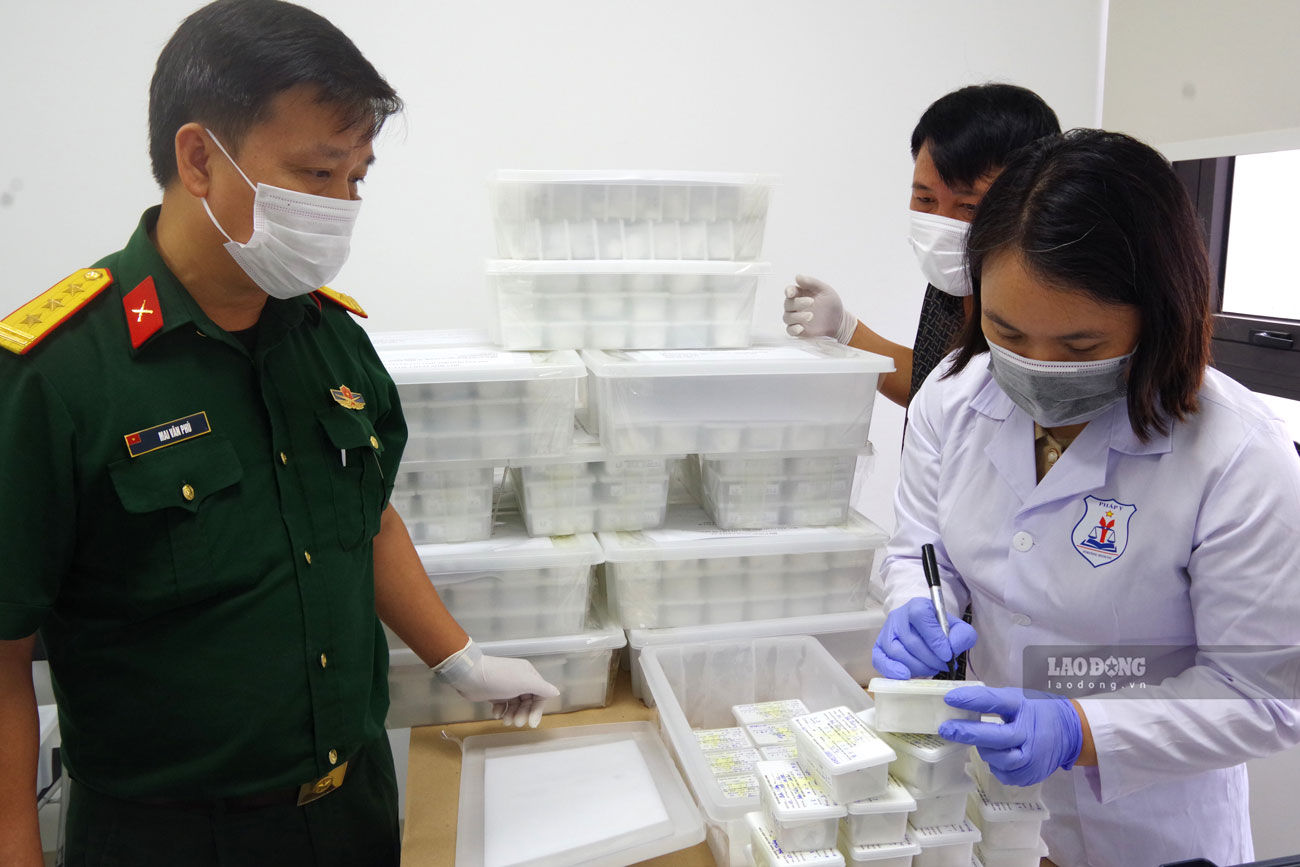
Each tomb is located, numbered, dossiered and sampled according to the correct technical procedures to serve DNA testing.
Up to now, the Nam Cuong Ward Military Command has coordinated to exhume 147 graves of unidentified martyrs.
Lieutenant Colonel Ha Duy Hung - Commander of Nam Cuong Ward Military Command - said that behind each grave is the expectation of many families.
We closely coordinate with specialized units in each stage, from preparing the scene, ensuring security to excavating and taking samples. The biggest goal is to contribute to helping the martyrs' identities be identified soon," Lieutenant Colonel Hung expressed.
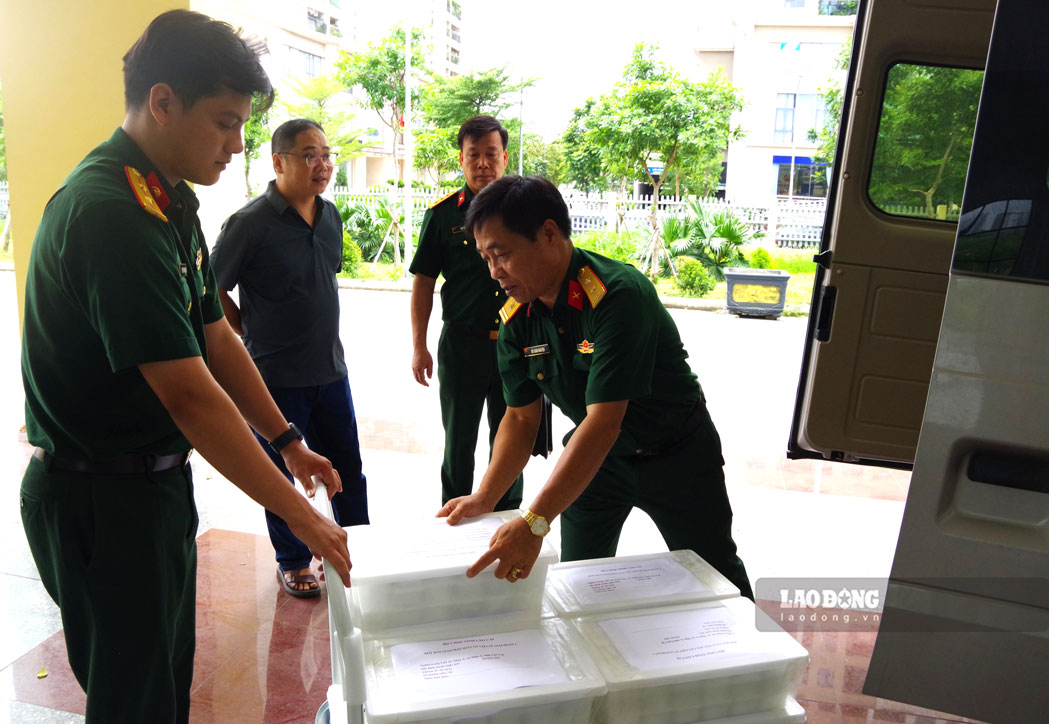
According to the Lao Cai Provincial Military Command, the Military Commands of communes and wards not only participate in searching and gathering but are also forces sticking to the area, connecting witnesses, reviewing dossiers, and propagating information to people.
To date, the whole province has searched and collected 22 sets of martyrs' remains; exhumed 1,251 graves at 16 martyrs' cemeteries, of which 821 biological samples are eligible for DNA testing.
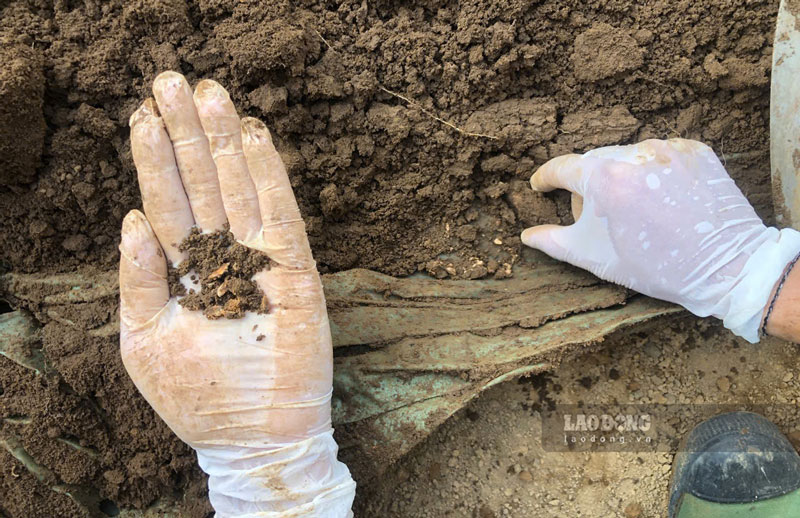
The proactiveness and responsibility of the grassroots military force has helped the work of verifying information, searching, excavating, preserving remains and taking DNA samples to be deployed quickly and in accordance with procedures.
Each verified source, each found grave, each successfully taken DNA sample has their silent mark," Colonel Hoang Van Toan - Deputy Political Commissar of Lao Cai Provincial Military Command shared.


