
Binh Khanh ferry "bottleneck" connecting the center of Ho Chi Minh City and Can Gio
On weekends or holidays, Binh Khanh ferry terminal often sees a long line of vehicles. Although on normal days, traffic is somewhat "easter", the separation of rivers is always an invisible barrier, forcing people and tourists to completely depend on the rhythm of ferry operations.
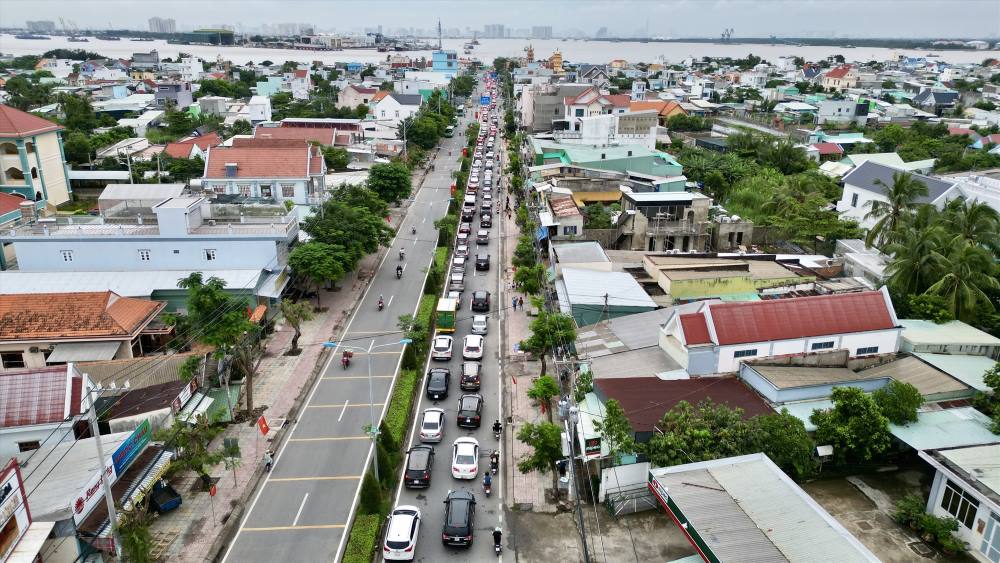
Waiting for the ferry in the sunny afternoon, Mr. Do Minh Chien (Nha Be commune) appeared impatient. For him, business trips to Can Gio, although not always congested, are still a problem of time-wasting.
Mr. Chien compared: "For the same distance of 50 km, if I go to Cu Chi, it only takes me half a day, and if I go to Can Gio, it often takes me a whole day because I can't take the time to move proactively. When there are incidents during peak times or ferries, the working time fund is significantly affected. This lack of initiative makes me very hesitant to take advantage of solving additional tasks or meeting additional partners during the day".
If motorcyclists are afraid of the sun, the cargo drivers have a headache because of the problem of the road. Mr. Nguyen Trong Phuc, a driver who regularly carries construction materials from neighboring provinces through Can Gio, shared that the most difficult thing for drivers in their lives is not necessarily the long road, but the "going around" journey.
"From Can Giuoc (Tay Ninh) or Tay Ninh direction here, the bird route is very close, but because there is no direct connection bridge, my car has to go around Nha Be before crossing Binh Khanh ferry. The long distance is several times more, with additional fuel costs and waiting time for ferries, causing transportation to increase, directly affecting the income of the drivers" - Mr. Phuc confided.
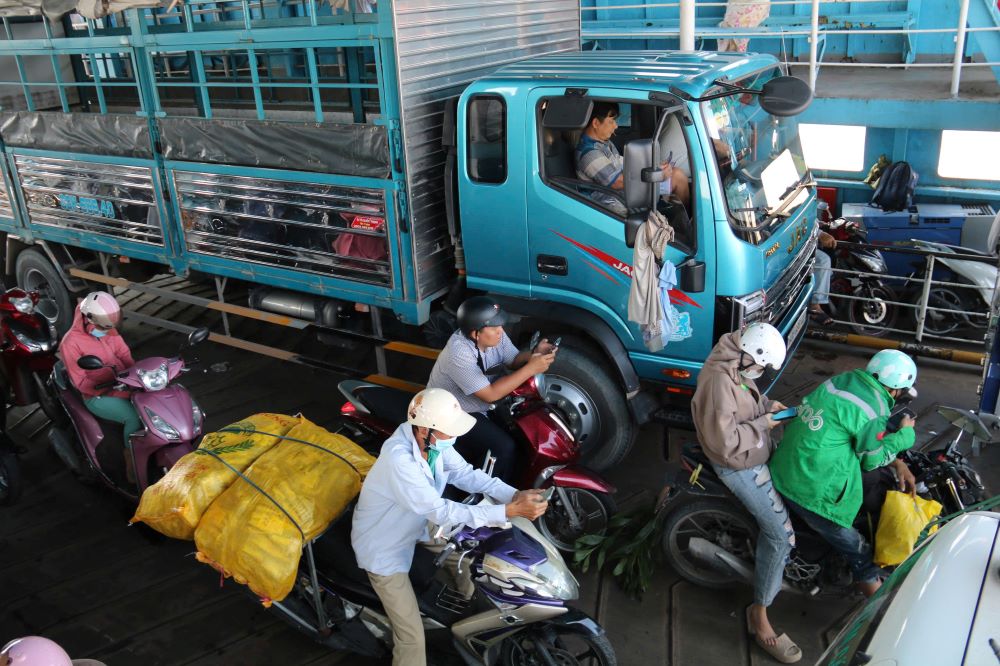
Not only affecting trade, inconvenience in travel is also a barrier that prevent local tourism from taking off as expected. Mr. Nguyen Ngoc Nam (residing in Xuan Hoa ward), a tourist waiting in line for the ferry, shared a passionate view.
Mr. Nam confided: "Actually, my family really likes to go to Can Gio to change the wind because the air is fresh and the seafood is delicious, very suitable for short trips. It is a pity that traveling by ferry is sometimes passive, especially during peak times. I hope there will soon be a bridge or more convenient traffic connection. At that time, certainly not only me but many families in the inner city will choose to come here to rest every weekend instead of having to consider and hesitate like now".
The stories of Mr. Minh Chien, Mr. Phuc or Mr. Nam accurately reflect the characteristics of Can Gio's geographical location. Although the Soai Rap and Long Tau rivers create a unique ecosystem, they also pose a big problem of connection. These natural disruptions make the cost of goods circulation not really optimal, tourism still has many room to be exploited and the pace of life of people sometimes cannot catch up with the general development of the city.
However, the long-standing position of separation is gradually changing thanks to strong infrastructure movements by the end of 2025. The symbolic highlight is the groundbreaking ceremony of the Ben Thanh - Can Gio Metro line on December 19, 2025. When completed (expected by the end of 2028), this 53 km long metro line will shorten travel time from the center to the coastal city to only about 13 minutes.
At the same time, another historical 'bottleneck' is also about to be untied: The Can Gio Bridge project (capital of more than VND13,000 billion) is completing procedures to start construction in 2026, with the mission of replacing Binh Khanh ferry and eliminating the gap between the two banks.
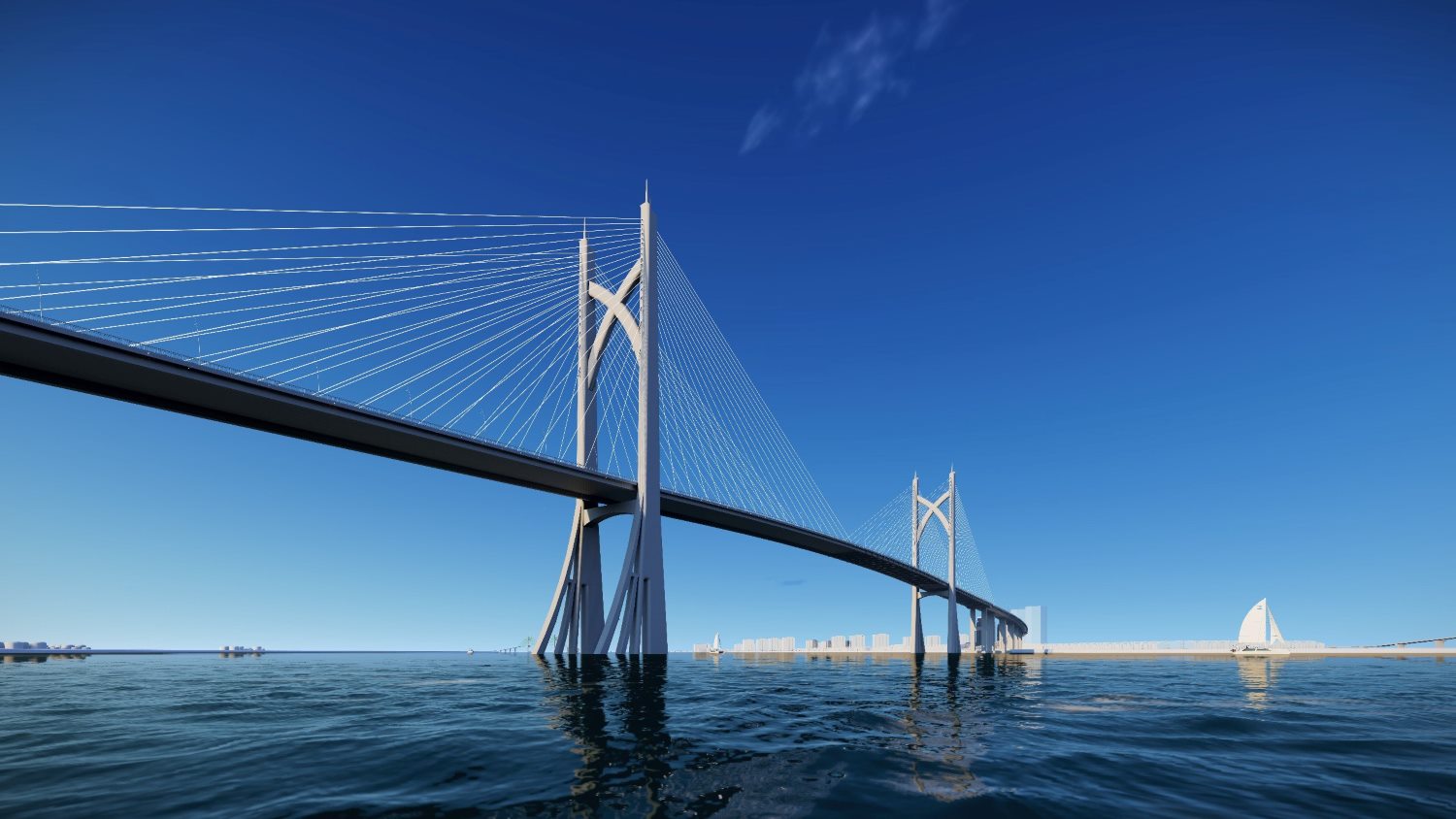
Not stopping at connecting the inner city, Can Gio is reaching out to become a strategic gateway for the whole region with two key projects: Ben Luc - Long Thanh Expressway Intersection and Can Gio - Vung Tau Sea Overpass Bridge (expected to start construction in June 2026). When completed, these projects will turn this place into an important link connecting the economic triangle: Ho Chi Minh City - Dong Nai - Tay Ninh".
Infrastructure creates leverage for agricultural products and tourism to take off together
The shift from being an "oasis" to a strategic gateway position is opening up a humane livelihood scenario for Can Gio. The special feature of this change is the parallelism: The new infrastructure does not eliminate old values, but creates a resonance for harmonious development in both directions.
Infrastructure first of all plays a launching pad to elevate agriculture and local tourism. When the Ben Luc - Long Thanh expressway intersection is completed, Can Gio agricultural products will escape the "istically depreciated crop" due to difficult transportation. Shrimp, salted seeds, bird's nest... can be spread to the West or directly to Dong Nai,... at the most optimal cost.
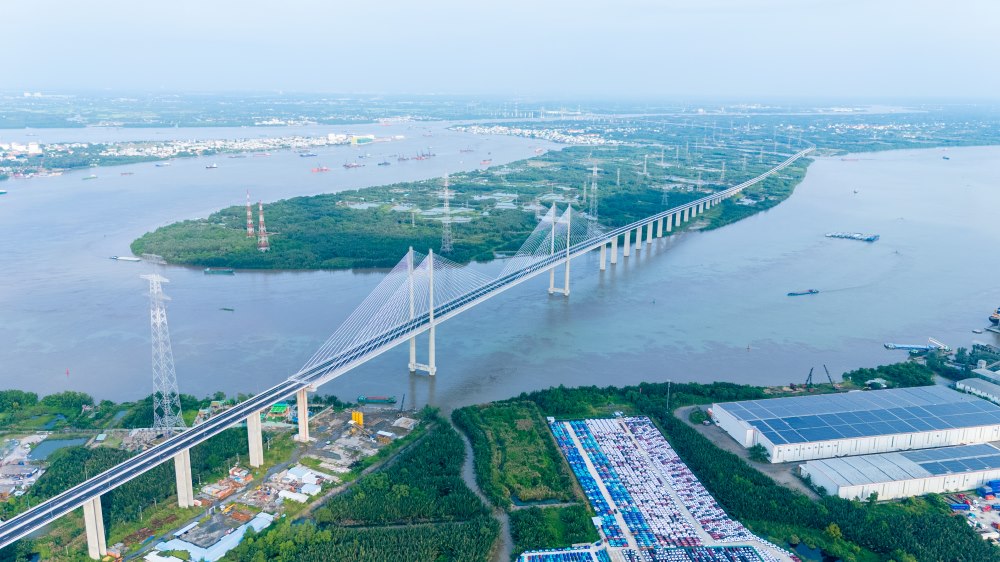
More importantly, convenient transportation is the lever for community tourism to take off. Traditional salt making and oyster farming villages, which are the "soul" of Can Gio, will not be lost but will turn into high-value tourism products. Instead of only selling raw products, people sell cultural experiences. Tourists from Long Thanh airport or international cruise ship visitors will have easier access to these craft villages, helping to increase the income of those who stick with traditional crafts significantly.
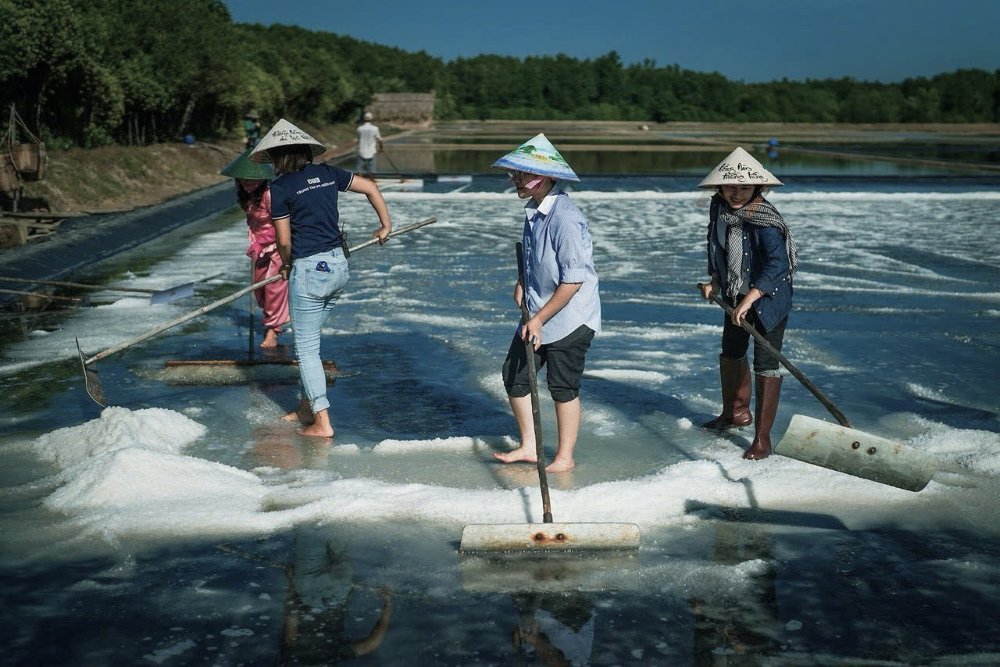
Along with preserving old values is an opportunity to open a new horizon thanks to a modern marine economy. In fact, not every young person wants to follow the path of salt making or traveling to the sea full of natural disaster risks. Therefore, the formation of Can Gio International Transit Port in the future is expected to fundamentally solve the problem of employment for young workers.
The scale of this super port is large enough to create a huge logistics and logistics ecosystem. Thousands of local young people, instead of having to leave their hometown to find a job, now have the opportunity to access modern industries such as port engineering, warehousing, import and export right on their homeland.
Commenting on this prospect, Dr. Tran Du Lich, an economic expert, said: "The strength of Can Gio lies in diversity. Connecting infrastructure helps this land to both preserve the identity of eco-tourism and become a gateway to maritime trade. These two economic pillars will complement each other, creating sustainable development and improving the standard of living for the people".
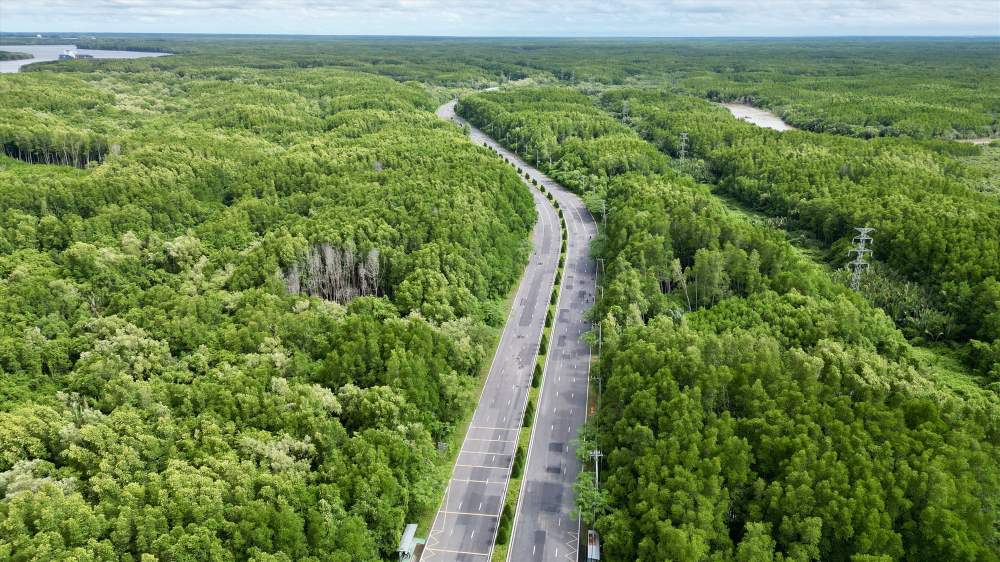
However, becoming a gateway to the sea of the Southeast region also poses strict requirements to harmonize development and conservation. From the planning perspective, KTS. Ngo Viet Nam Son emphasized: "Developing connecting infrastructure is necessary, but projects must prioritize green technology solutions, overpasses, and there is a separation between the flow of transit goods and the living space of the community. Can Gio cannot trade the environment for hot growth. Preserving mangrove forests is protecting the "shield" of both eco-tourism and the safety of seaport works.
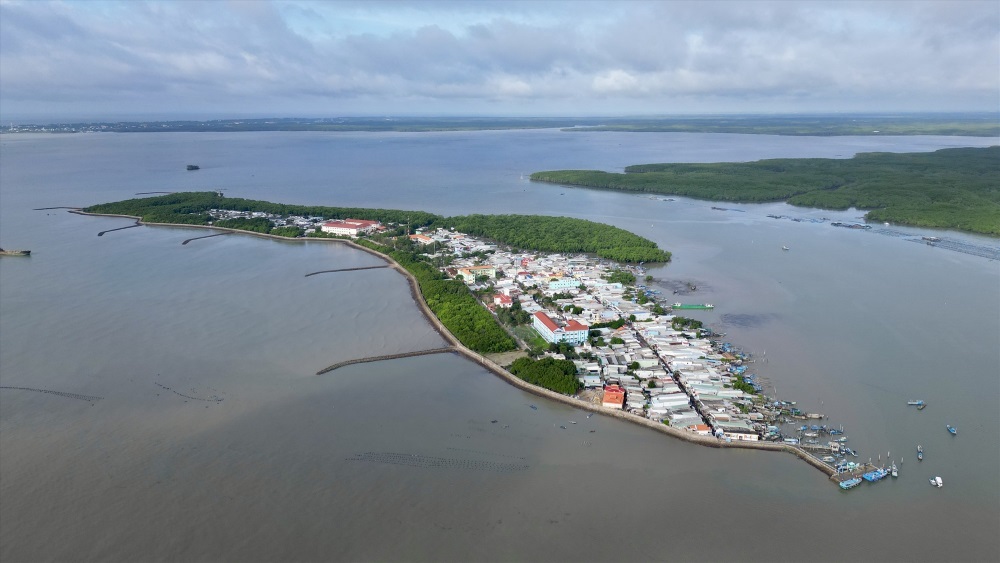
The axis connecting the center of Ho Chi Minh City - Can Gio is not only roads and bridges, but also a 'backbone' that awakens this land. When isolation is eliminated, tourism and indigenous culture will have the opportunity to reach far.
More importantly, synchronous infrastructure will realize the dream of escaping poverty, creating sustainable livelihoods for tens of thousands of people at the gate of the sea. That is the final destination: Infrastructure goes first, happiness follows.


