
From the trend to professional
Taking advantage of abandoned and desolate areas of land for tourism services. Build a shop along the fields, view rivers and cliffs to attract tourists... That is the spontaneous, improvised and temporary way of some poor rural areas in the Central and Central Highlands in the past. However, in many places, people have won big. Not only is it an additional source of idle land, but tourism products on agricultural land have also exploded, becoming the main source of income for many farming households.
However, spontaneous and disruptive development also creates many consequences such as illegal construction. Using land for the wrong purpose, polluting the environment... And many farmers have failed due to unprofessional methods.
To overcome that inadequacy, many localities such as Hoi An, Da Nang, Dak Lak, Dak Nong (old) have supported farmers with pilot resolutions and temporary decisions to tighten land and construction management - but at the same time created conditions for people to expand their business reasonably on their agricultural and farm land.
In particular, after 2 years of the Covid-19 pandemic, the trend of experiential tourism in rural and countryside areas, green tourism, associated with the natural environment has become a new trend. Therefore, agricultural tourism is of interest to many localities in the Central and Central Highlands - putting it in a sustainable development strategy.
In Hoi An, the homestay model in An Bang beach village has become a typical example of success. This place was originally a pure sea fishing village. Men go out to sea to fish and catch seafood. Women grow crops and trade fish. Life is not rich but peaceful. When the urbanization whirlwind swept through, nearly 30km of Da Nang and Hoi An coastline suddenly became resorts, high-class hotels, 5-star resorts... An Bang was fortunate to exist as a folk "heritage". Therefore, this coastal fishing village has quickly become a tourist attraction and experience. The homestay model gradually formed to serve tourists. It is the rustic life and indigenous cultural traditions that create attraction rather than the convenience of infrastructure. What's special is that the way people and accommodation facilities in An Bang provide services is very professional. Therefore, this place has become a prominent tourist destination of Hoi An. The people of the sea get rich from the shore and the mainland.
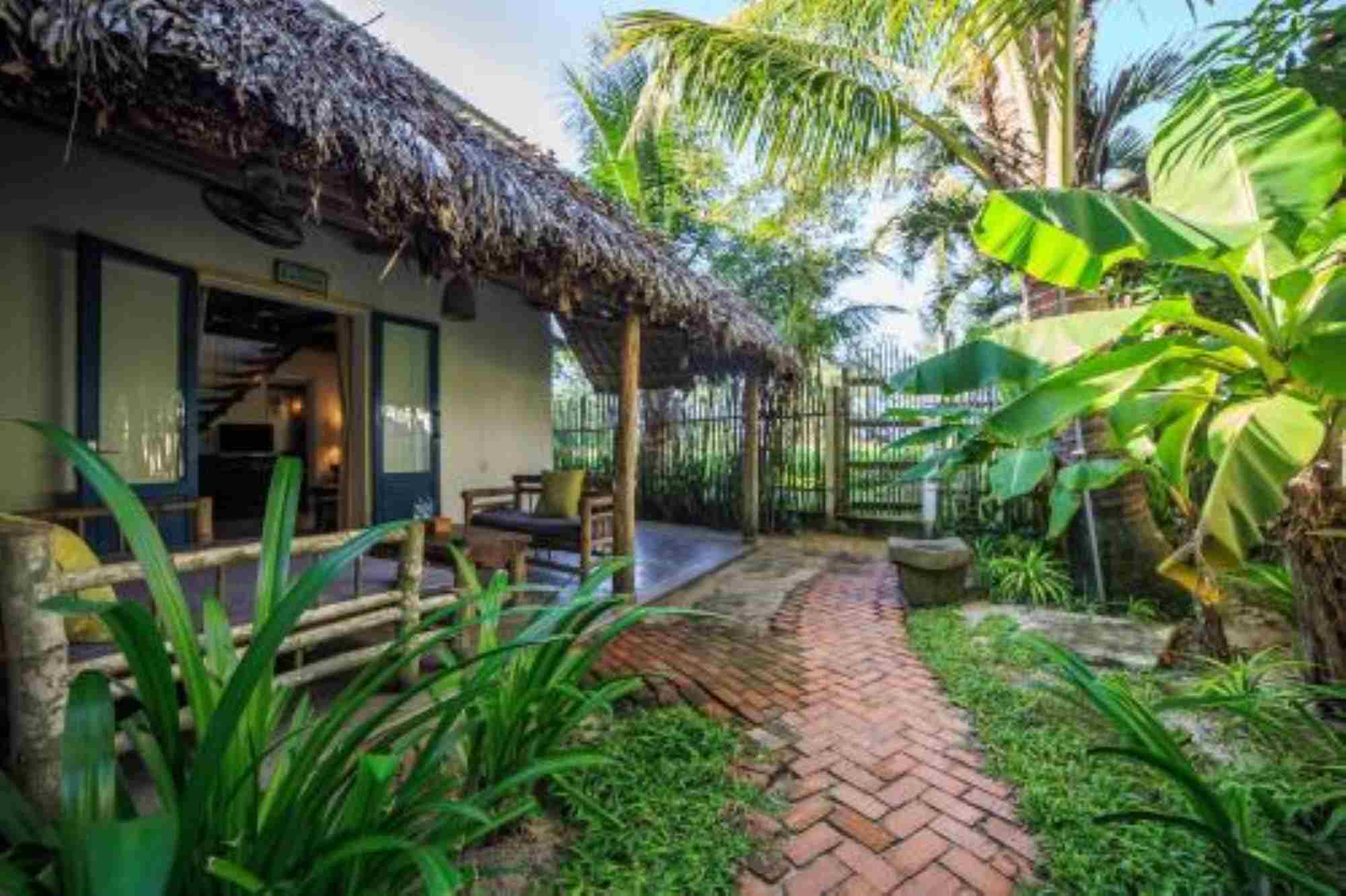

Recently, the farmstay model has developed vigorously along the Cu De and Hoa Bac rivers of Da Nang. Tourist attraction is not only about facilities and attractive landscapes, but also about professional attitudes and methods. The colorful gardens and flooded fields along the river have brought in billions of dong in income for farmers.
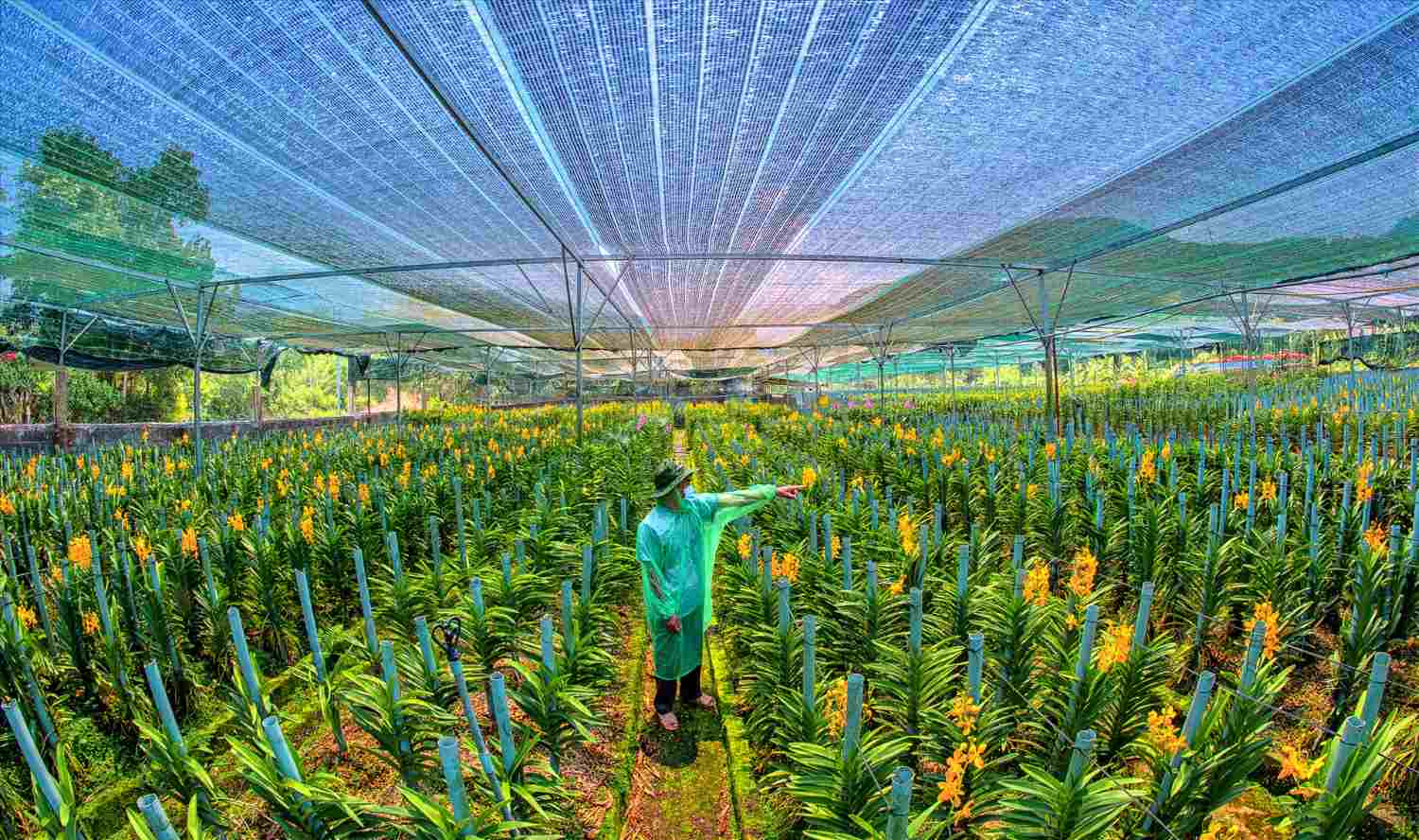
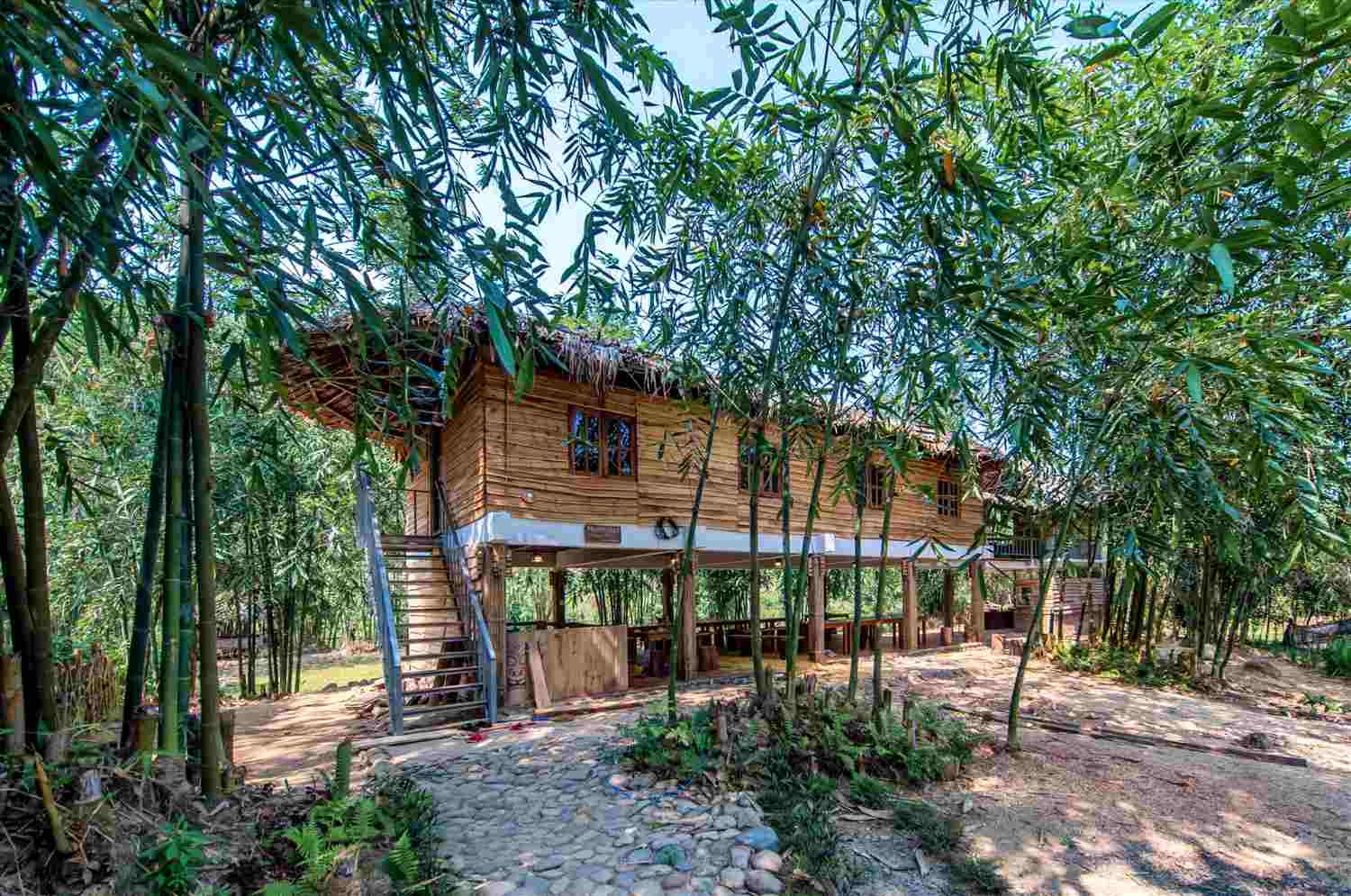
Architect Pham Thanh Tung - Deputy Director of the Institute of Agricultural Tourism Economics commented: Agricultural tourism is no longer a new trend. Rising in regions across the country. However, many farmstay models are developing in a movement, lacking planning and not based on a solid agricultural foundation. The situation of spontaneous investment and accommodation construction before forming agricultural products has caused many projects to fail to last.
On the other hand, development models that are true to their nature - agriculture as the root, tourism as the value added - prove their endurance. Dak Nong (old) is a typical example. Here, agriculture has become the foundation for creating livelihoods and tourism products.
Dak Nong has great strengths in industrial crops, forests, waterfalls, lakes and typical volcanic geology. This is a favorable condition to form a model of agricultural - ecological - community tourism. Unlike many places that invest in farmstay according to the movement, many models in Dak Nong develop from the people's agricultural production activities.
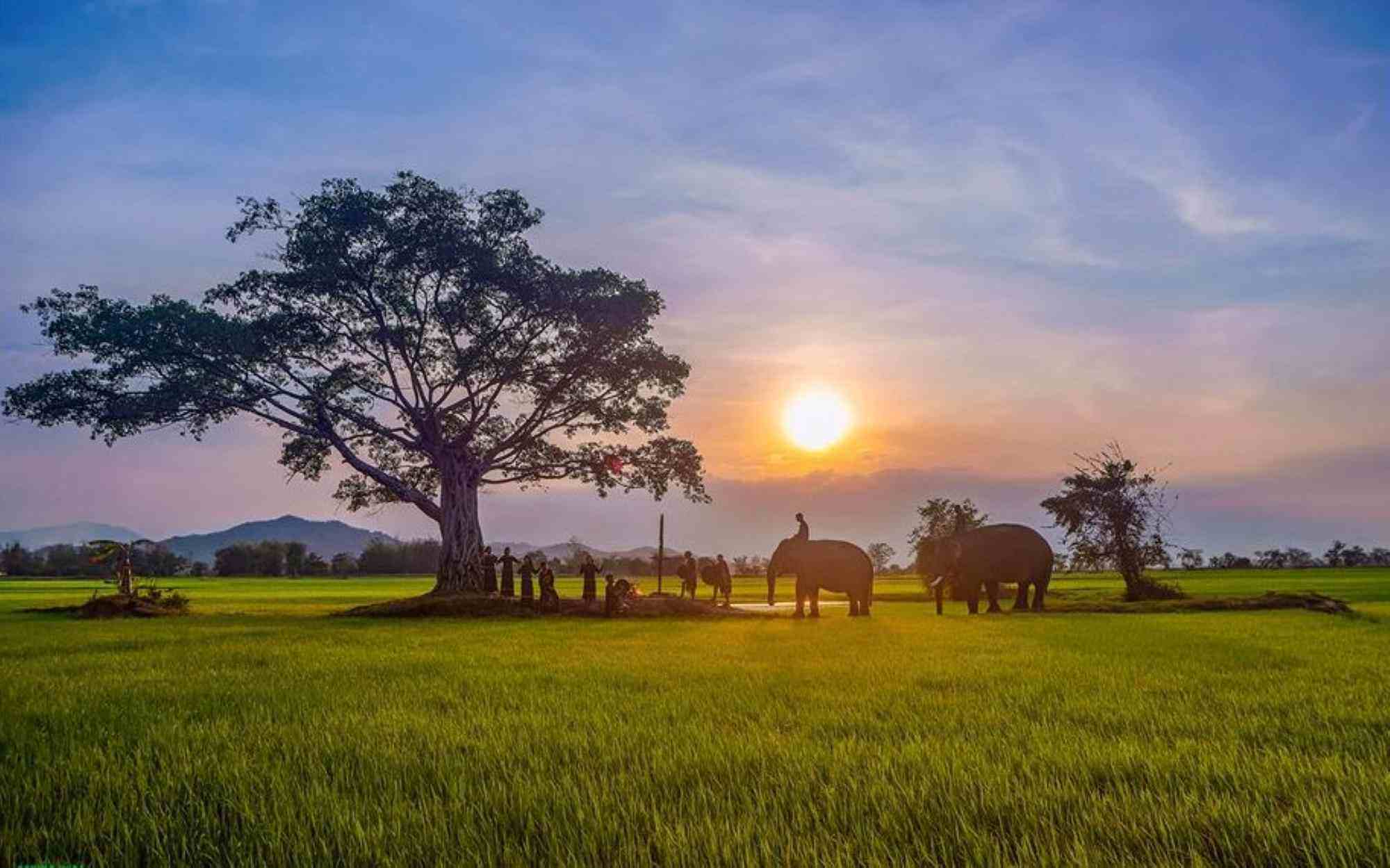
In areas such as Tuy Duc, Dak Glong, Gia Nghia, a series of agricultural farms applying technology have opened up to welcome visitors. Many farmers who previously only produced coffee, pepper, and macadamia have entered the experience tourism chain: instructing customers to prepare agricultural products by hand, visit organic gardens, and enjoy products on the spot.
This development helps people increase revenue from services, while increasing the value of agricultural products - which has been a weakness for a long time when farmers only sell raw materials. The remote land with difficult terrain is now a destination for many tourists. Especially from Ho Chi Minh City.
Tourism is only sustainable if agriculture is strong enough
The models in Dak Nong and Dak Lak show a consistent principle: agriculture must go before tourism. When the farm has stable products, the tourism model will have a "soul". A farm without a clear farming model and unique products will have no choice but to build a beautiful accommodation facility to keep customers.
Thanks to the starting point from agriculture, many farmstay in Dak Nong and Dak Lak avoid the situation of being completely dependent on accommodation revenue. People still maintain the main source of income from agricultural products, while tourism plays a role in increasing value, helping to distribute products conveniently and creating motivation for resource conservation.
The geological characteristics of the basalt and forest ecosystem of the Central Highlands are particularly sensitive. Therefore, many tourism models here are implemented in the direction of not strongly interfering with nature. Instead of building en masse, the farm owner kept the terrain, taking advantage of forest shade and stream water to create a pure natural experience.
This not only helps preserve land and forests, but also creates a difference for Dak Nong tourism: experience pristine nature, not overly artificial.
Nature is also a "resurce" for tourism products: forest trekking, learning about stream flow, experiencing crops, and exploring agricultural products. Green value helps tourists prepare to pay higher and return many times.
Connecting agriculture - tourism - community is a sustainable trend. One of the current advantages in rural areas is that people are willing to participate in the tourism supply chain: they produce, sell their own products, serve tourists and participate in experience management.
Many households in remote communes have converted from single-crop farming models to product combinations: agricultural products - services - culture. This creates jobs, reduces pressure on labor migration and opens up new directions for economic development right in the community.
Sustainable livelihoods for poor areas
Agricultural tourism helps increase the value of agricultural products. The Central Highlands is a large coffee and pepper producing region, but previously it was often sold through traders at low prices. When introducing agriculture into tourism, products are "upgraded": Tourism has helped them sell directly to visitors. Process on-site. Telling the story of origin and production process. Combined with practical experience...
The product therefore has higher value, and people benefit more. This is clear evidence that agricultural tourism not only attracts visitors but also promotes the agricultural processing industry, forming a new value chain for the region.
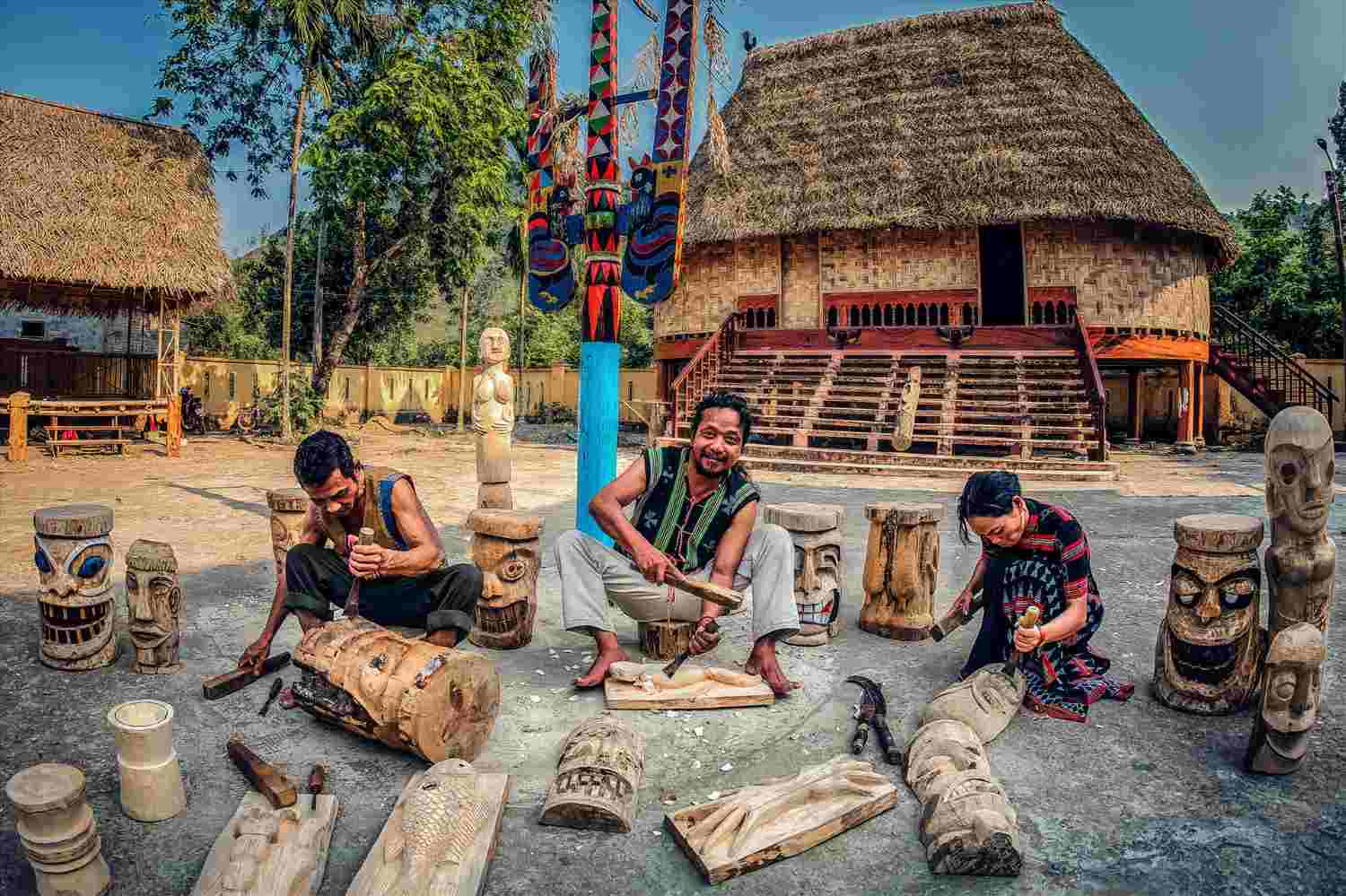
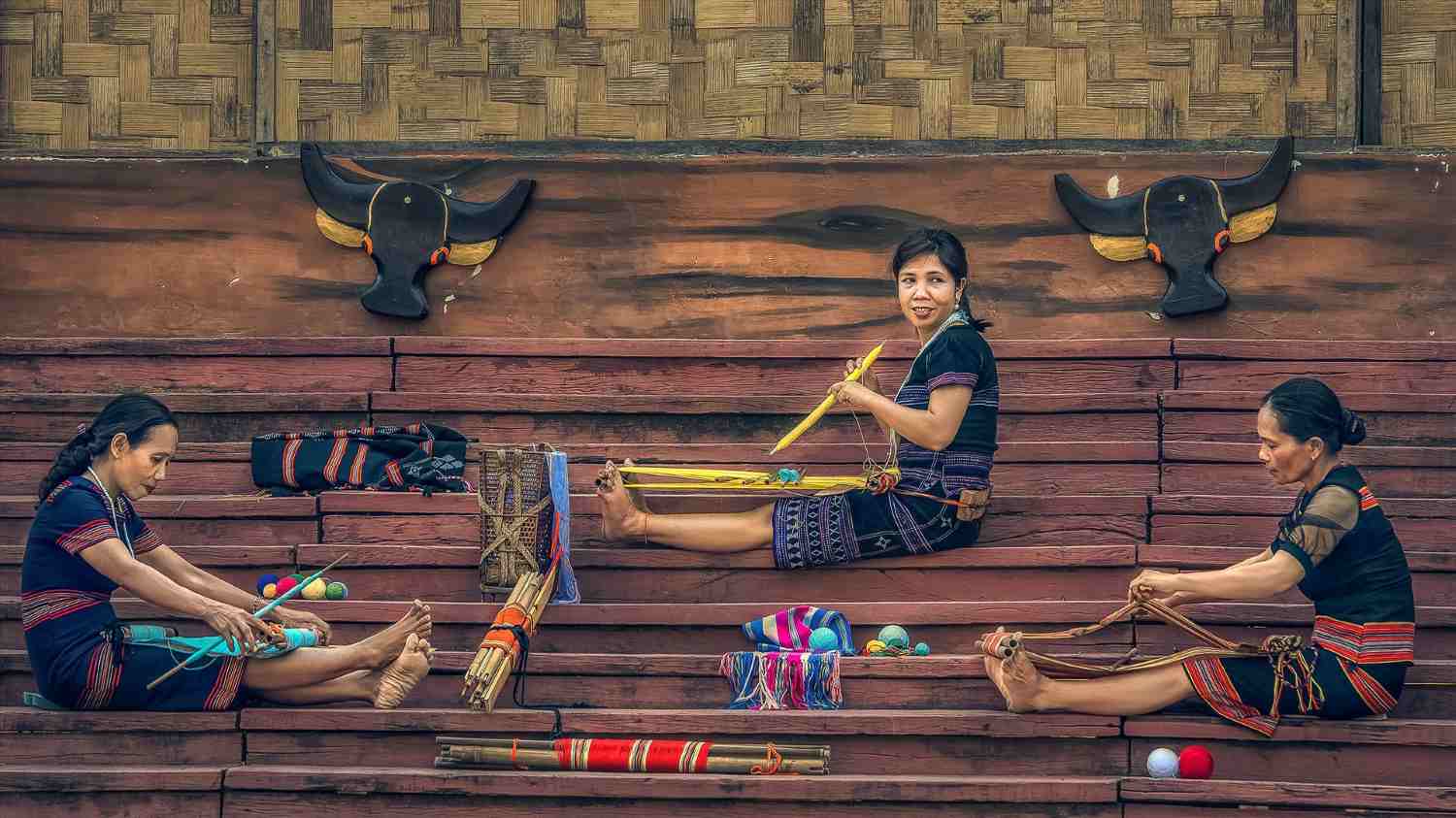
In addition, when services develop, the locality also creates jobs and retains young people. Many young people in poor districts of Dak Nong have left their hometowns to work far away because they do not have stable jobs. When the agricultural tourism model develops, they have the opportunity to become community tour guides, farm care and operation staff, agricultural processing and packaging people, and local cultural experiences... This creates a stable source of income and contributes to sustainable poverty reduction.
In mountainous areas of coastal areas, along eastern Truong Son - agricultural tourism has helped enhance the role of women and ethnic minorities. Many women have participated in food processing, making handicrafts, cooking local cuisine and directly selling products to tourists. Tourism therefore opens up new economic space for groups of people who often have fewer opportunities in the labor market.
The villages of the people also take advantage of tourism to develop cultural products: gongs, musical instruments, architecture, traditional crafts. When culture becomes a product, the community has more motivation to preserve its valuable assets.
However, to develop agricultural tourism in the direction of green - identity - sustainability, localities need to standardize the farmstay and community tourism models. At the seminar "Promoting Green, Sustainable Agricultural Development" recently organized by Lao Dong newspaper in the Central Highlands, experts made a suggestion: There needs to be a planning of the farmstay model according to green tourism standards. Support people with customer service skills. Standardize accommodation quality. Environmental control and waste treatment. Build a system of regionally specific products. A sustainable development model cannot rely solely on landscape, but must rely on productive knowledge and quality of experience. Agricultural tourism must be a long-term economic driver, moving in a sustainable direction. This is the way to preserve forests, preserve land, retain people and create stable livelihoods for difficult areas.


