
People want to be consulted and introduced to jobs
The organization of counseling and job introduction in Ea Rieng commune still faces many obstacles due to the large area and dispersed population. In addition, many people are still hesitant to participate in recruitment programs, vocational training or working far away.
Ms. Nguyen Thi Mai (born 1990) is one of the workers who does not have a stable job. In addition to farming, she also manages housework and takes care of three young children, while her husband often goes to work far away, only returning home once a week.
Due to family circumstances, she can hardly work at a business or participate in labor export to improve her income. Although she has researched recruitment information from some businesses, she still cannot arrange time to register.
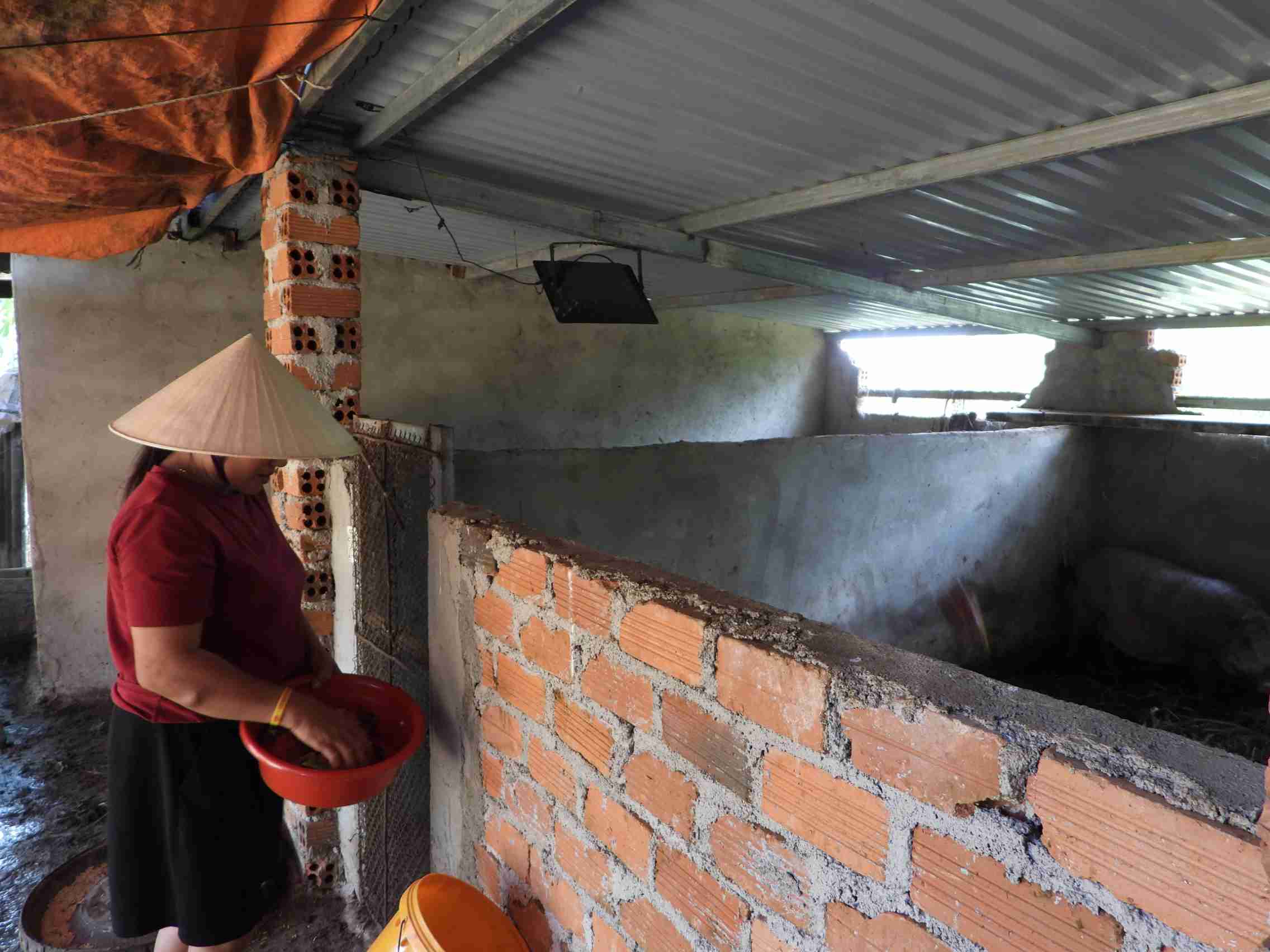
Women of working age still have many things to worry about, especially taking care of and teaching their children. If conditions permit, I hope the locality will open training classes on farming techniques to develop the household economy, both to have income and to be close to family," Ms. Mai shared.
Similarly, Mr. Giang A Hu (born 1989) said that he is familiar with the field work, so he is still hesitant to switch to a new working environment. His family has three young children, his wife does not have a stable job, and life mainly depends on income from planting, caring for and exploiting acacia.
According to Mr. Hu, many ethnic minorities in the locality are still attached to traditional production methods, so they are not ready to go to work far away or change careers.
People have to worry about family life and are not used to the working environment outside. Most people still want to have stable jobs right in the locality. We hope to participate in vocational training classes and production technical guidance to increase income," Mr. Hu said.
Reality shows that some workers, after being introduced to jobs, still find it difficult to stick with them for a long time because they have not adapted to the new working environment, lack vocational skills and soft skills.
Therefore, besides connecting labor supply and demand, vocational training, skills training and career orientation need to be given more attention.
For female workers and workers in difficult circumstances, job access opportunities are still limited due to family worries, difficulty participating in long-term training courses and psychological reluctance to change production methods and careers.
Flexible plan to support workers
Mr. Bui Tran Tuan Anh, official of the Culture and Social Department of Ea Rieng commune, said that to improve the effectiveness of consulting, job introduction and supporting labor export, the locality has implemented many solutions suitable to actual conditions.
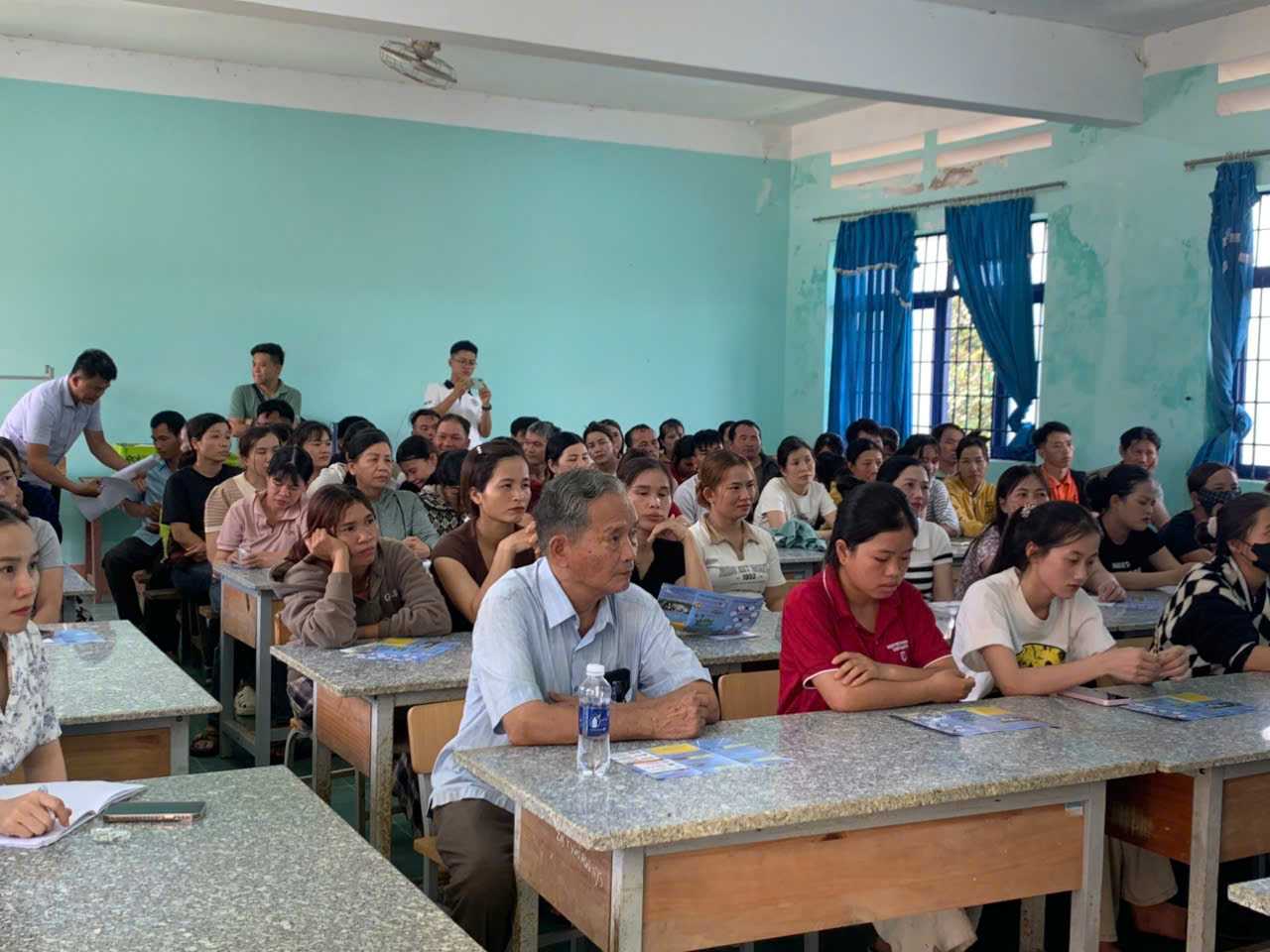
Before each job counseling conference, commune officials coordinate with the Job Service Center to review and update the list of workers of working age in the villages. At the same time, the locality mobilizes village heads, reputable people and typical individuals to promote propaganda and mobilize people to participate, helping people understand the benefits of vocational training and job search.
For households in difficult circumstances, we pay special attention, provide specific guidance and mobilize them to participate in job counseling programs to gradually improve their income and stabilize their lives," Mr. Tuan Anh said.
According to the People's Committee of Ea Rieng commune, to solve the problem of sustainable employment, in addition to the local initiative, more resources are needed from human resource development programs, sustainable poverty reduction and new rural construction.
The locality also proposed to regularly maintain career counseling activities, job fairs and connect businesses with workers right at the grassroots level. At the same time, it is necessary to have policies to support vocational training costs and travel to make it more convenient for people in remote areas to access job opportunities.
In the long term, improving the quality of human resources not only helps people have jobs and increase income but also contributes to economic restructuring, gradually reducing dependence on traditional agricultural production.
Creating jobs for workers in remote areas is a long-term process, requiring the synchronous involvement of all levels and sectors and must be linked to the actual conditions of the locality.
When workers are equipped with appropriate skills and effectively connected with market needs, human resources will become an important driving force to promote socio-economic development in Ea Rieng.
Ea Rieng commune (Dak Lak province) currently has 24 villages, about 3,800 households with more than 15,000 people belonging to 23 ethnic groups living together.
In which, ethnic minorities account for about 6.71% of the population. The locality has thousands of people of working age who are looking for jobs and improving their income.


