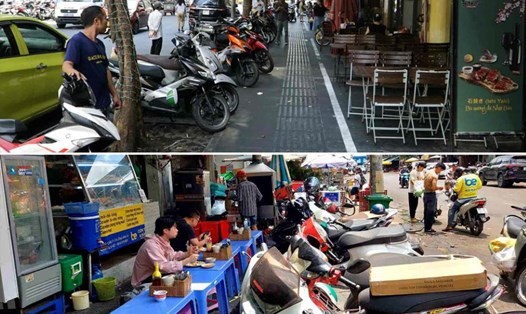
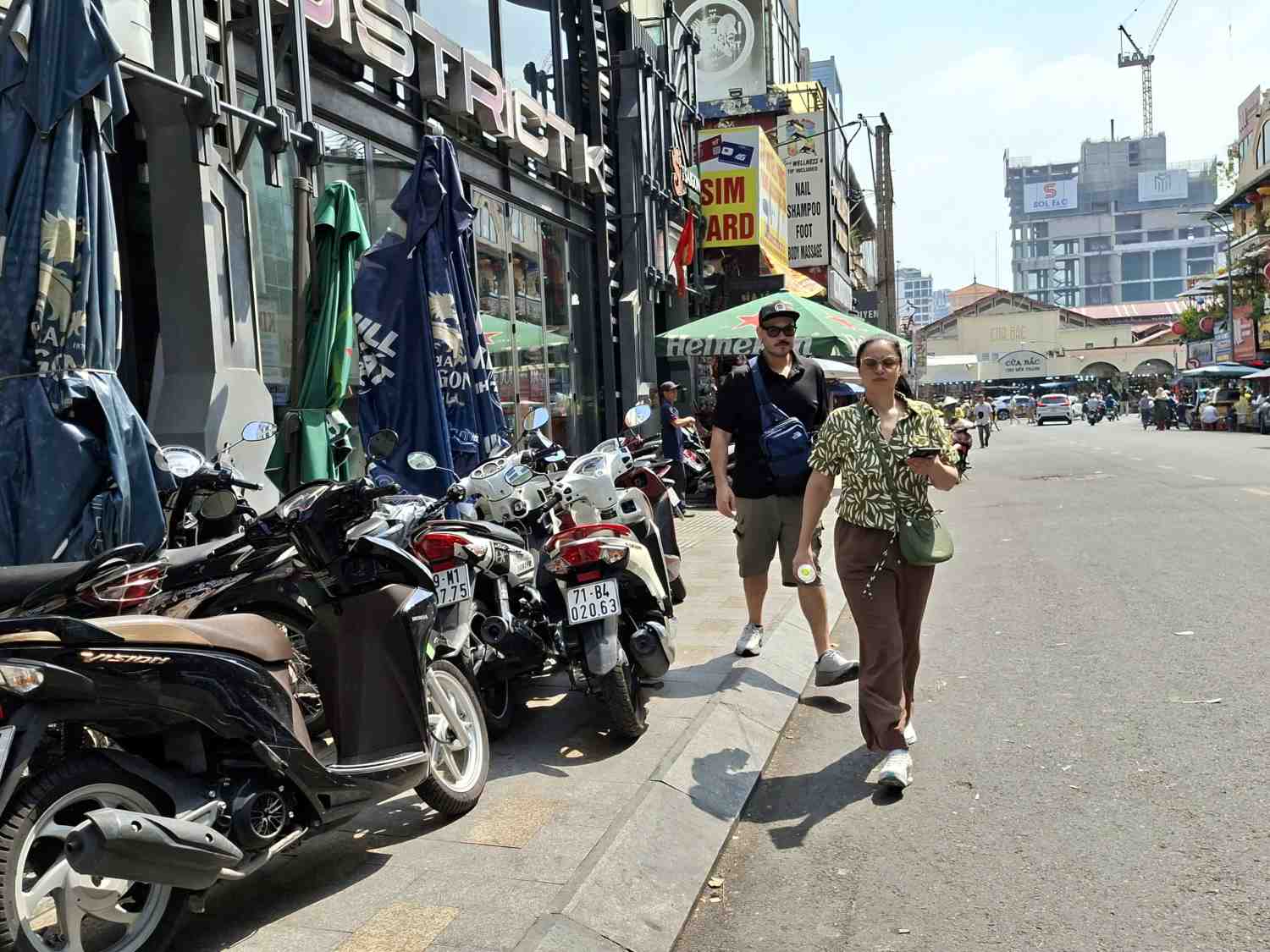
Recorded on January 9, on the sidewalk of Phan Chu Trinh street (Ben Thanh ward), motorbikes were arranged in 2-3 rows, occupying almost the entire pedestrian path. Many tourists had to swerve, even going down to the road to move.
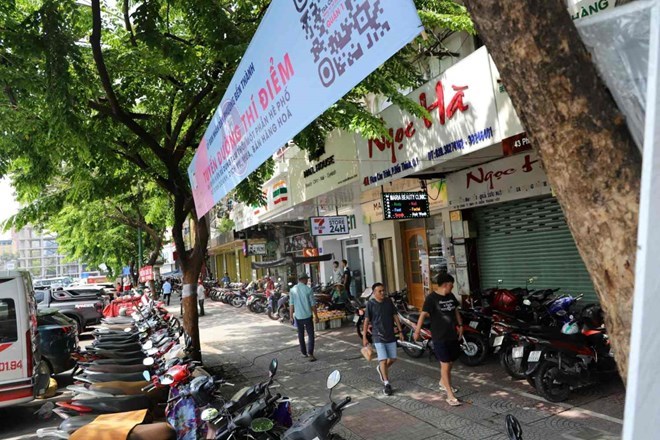
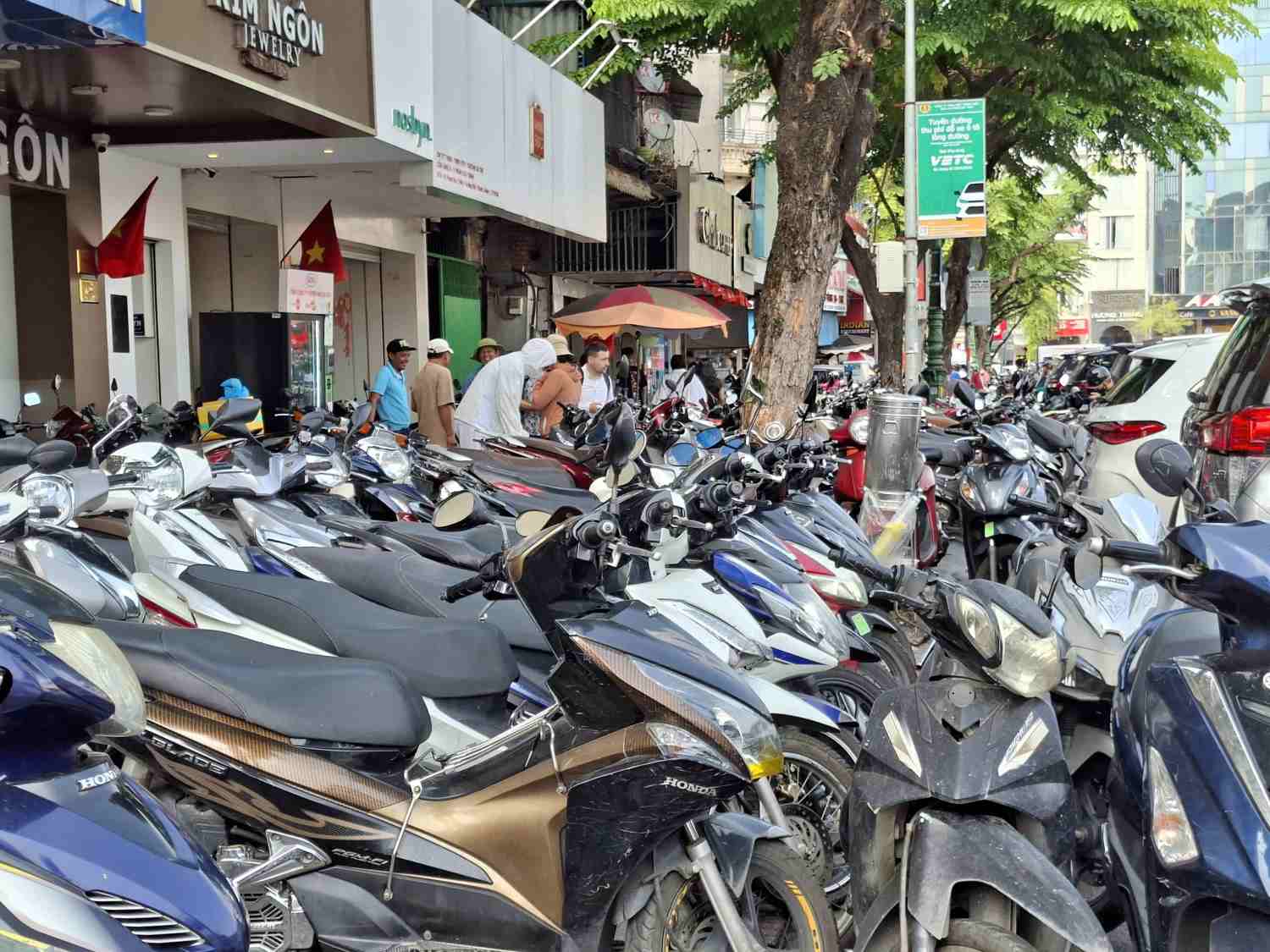
Notably, although Phan Chu Trinh street is being organized to collect parking fees for cars, this area is still occupied as a motorbike parking place for customers going to Ben Thanh market, causing traffic to become chaotic.
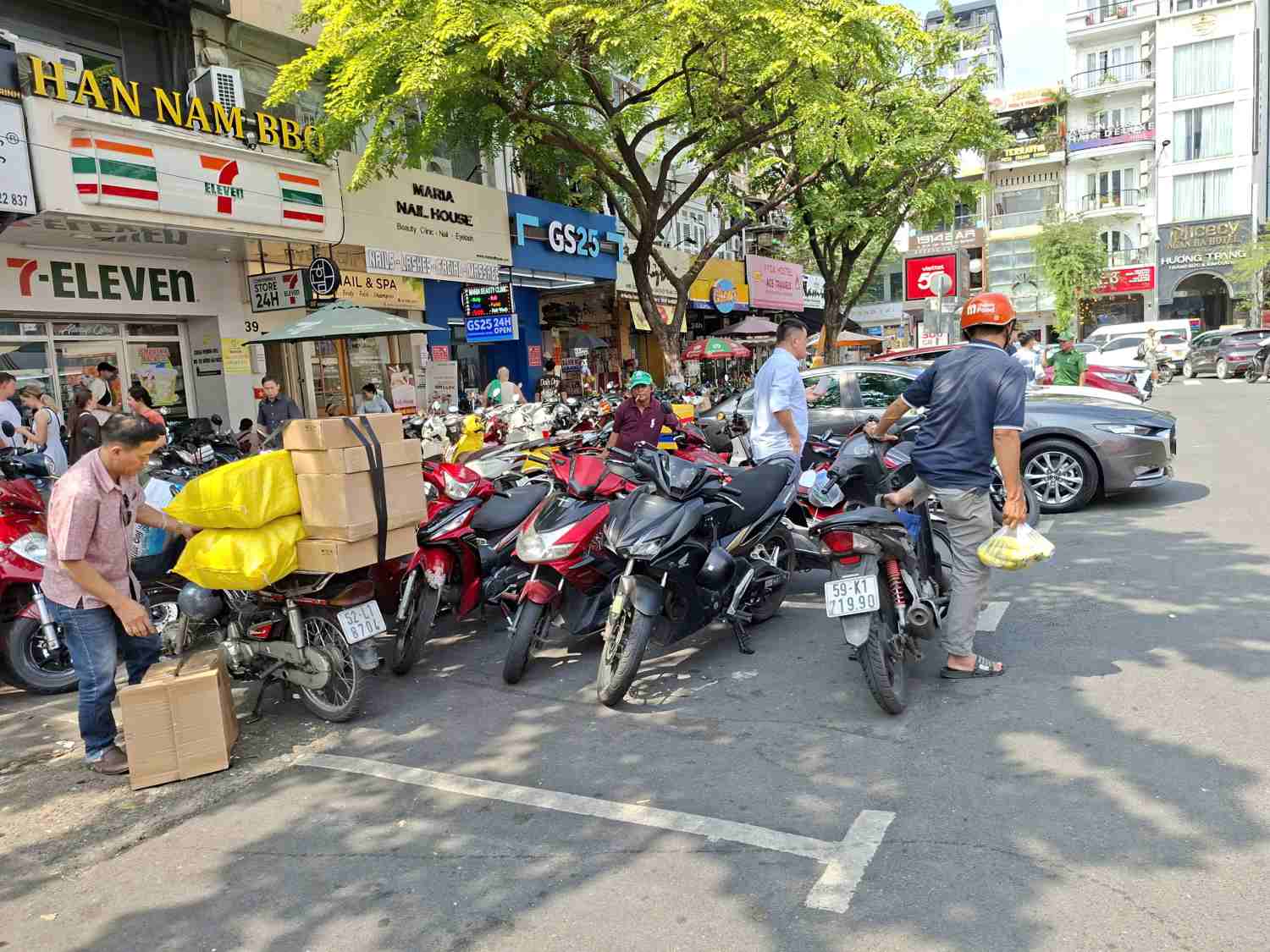
Phan Chu Trinh street is one of dozens of streets in the center of Ho Chi Minh City that have been piloted for sidewalk rental since May 2024.
In the early stages of implementation, urban order had many positive changes, but when leasing stopped, the old situation quickly returned.
Not only Phan Chu Trinh street, the sidewalk of Hai Trieu street is also encroached upon by eateries with tables and chairs, and motorbikes of customers spill onto the road. This messy scene is completely opposite to the neat image in the initial phase of the pilot toll collection.
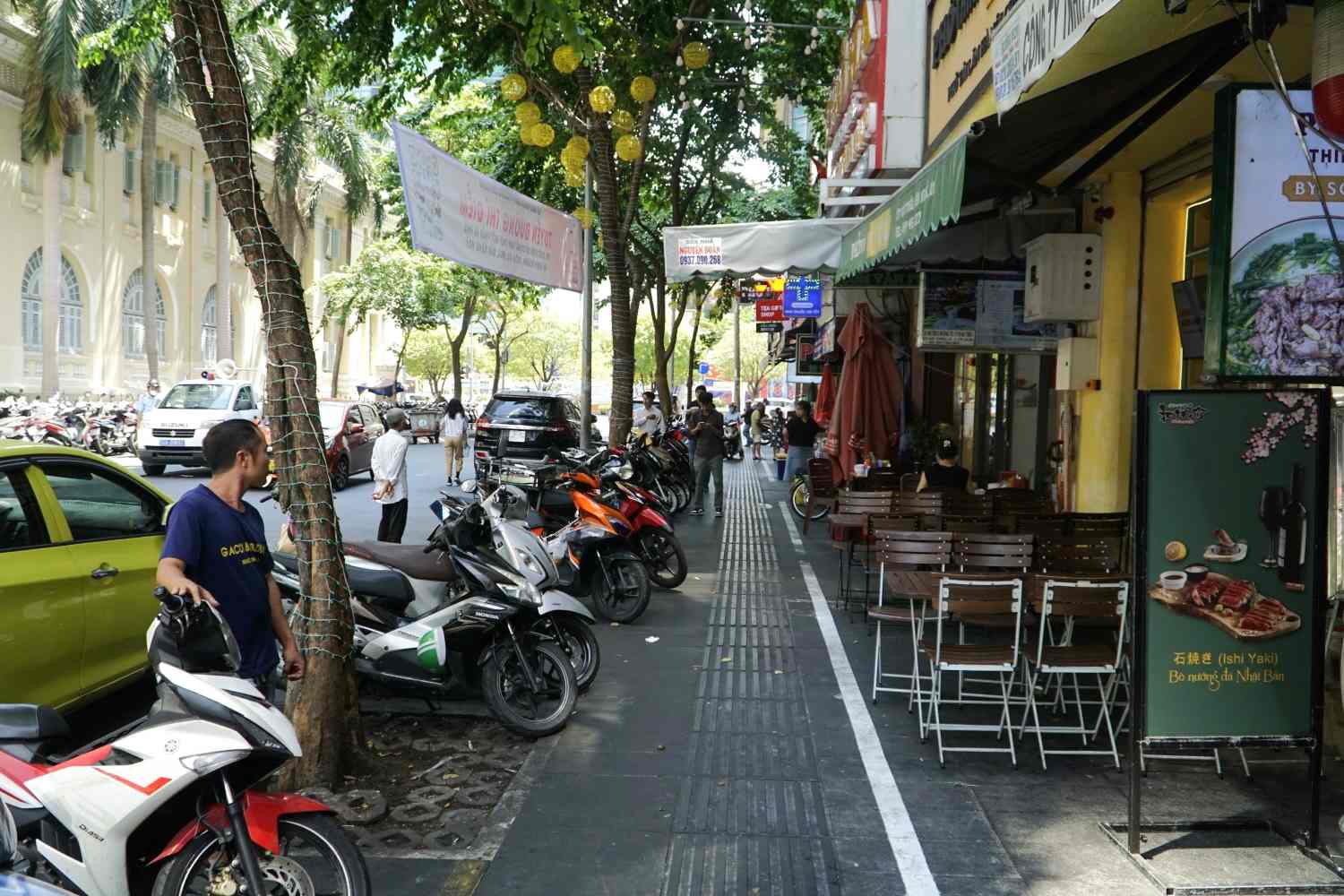
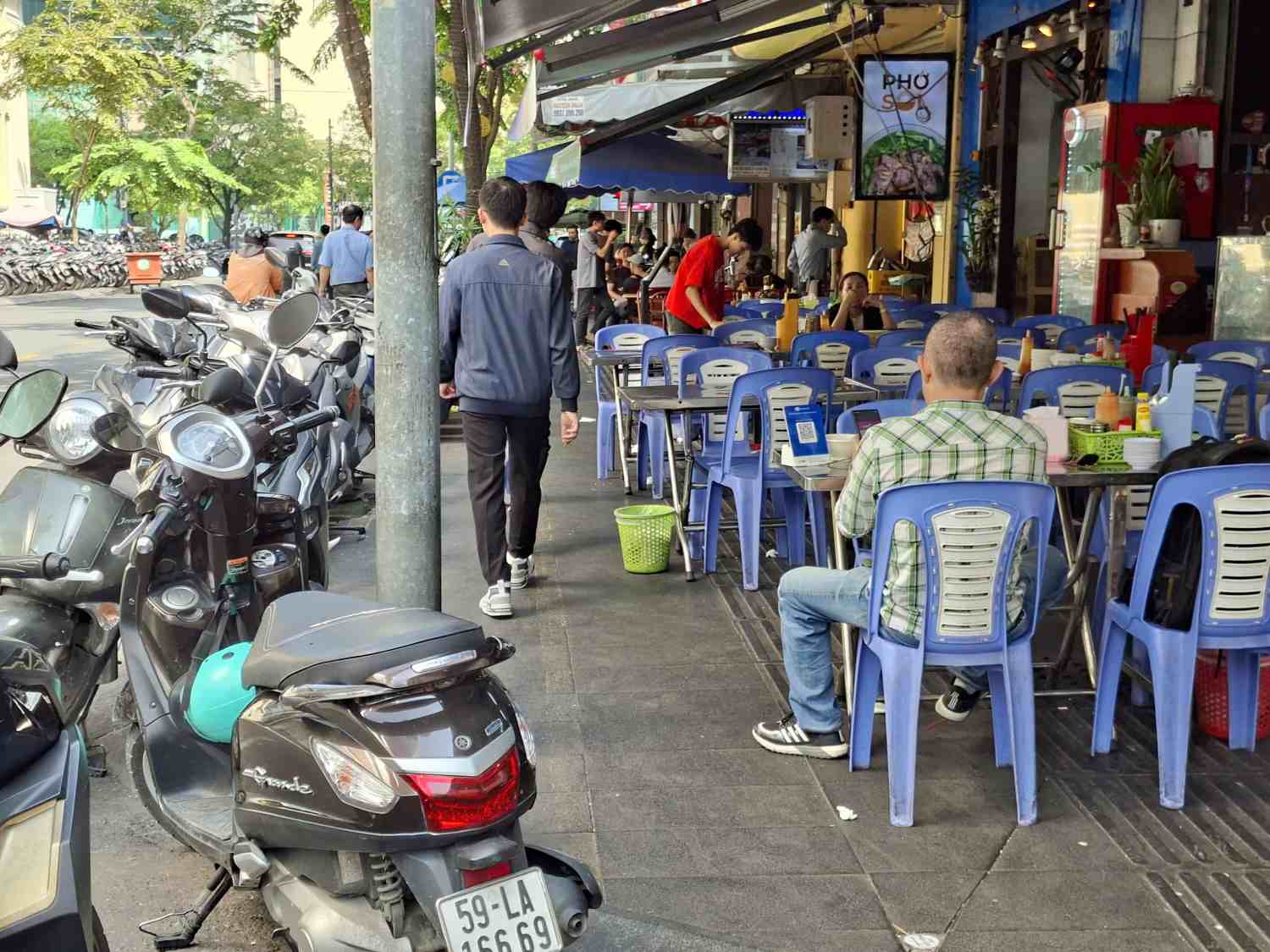
In the area around Ben Thanh market, roads such as Le Thanh Ton, Thu Khoa Huan are frequently occupied as places for motorbikes and spontaneous trading, forcing many tourists to walk on the road.
A similar situation also appeared on Pho Duc Chinh, Nguyen Thai Binh, Le Thi Hong Gam, Calmette, Ky Con streets... with sidewalks being "sliced" to display tables and chairs, business goods.
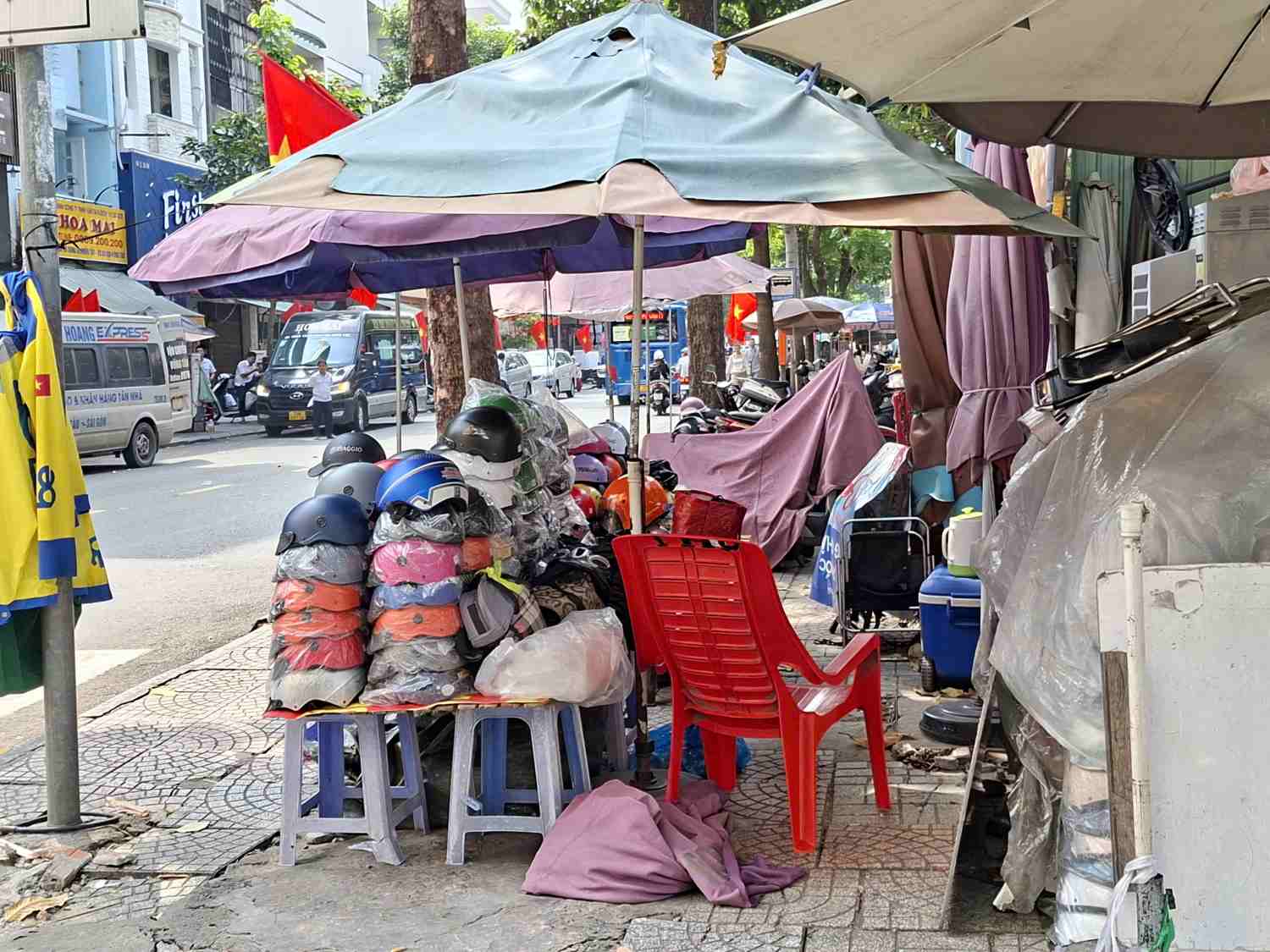
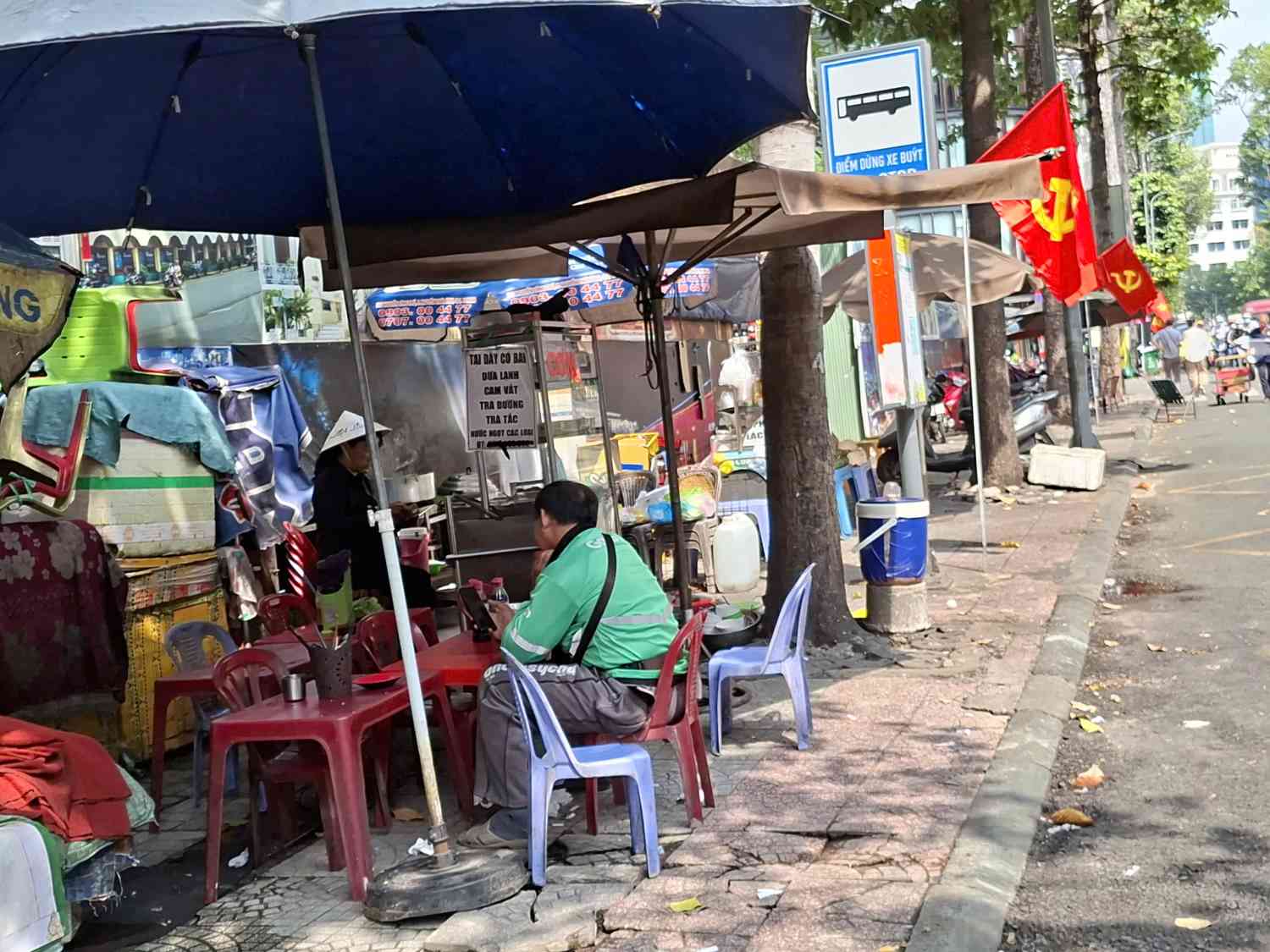
From 2024, Ho Chi Minh City allows the fee-based use of part of sidewalks and roadways for activities such as organizing cultural and sports events, festivals, parking, business services, and domestic waste transfer...
The fee ranges from 50,000 - 350,000 VND/m2/month for parking and from 20,000 - 100,000 VND/m2/month for other business and service activities.
District 1 was previously the first locality to pilot sidewalk rentals from May 2024, after which the model was expanded to districts 3, 4, 8, 10, 12 before.
According to a report by the Ho Chi Minh City Department of Construction, by July 2025, the total amount collected from this policy is only about 8.5 billion VND.
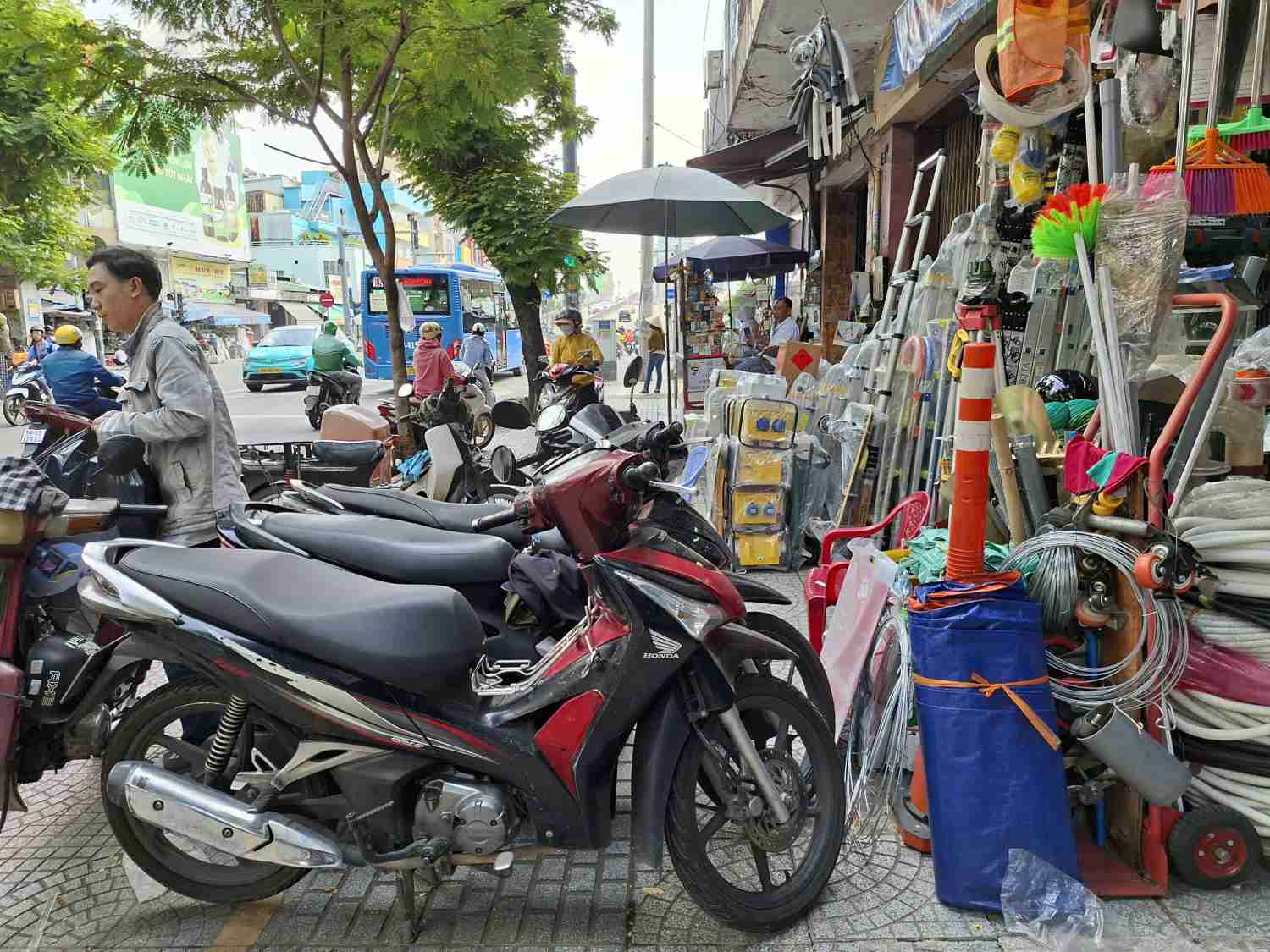
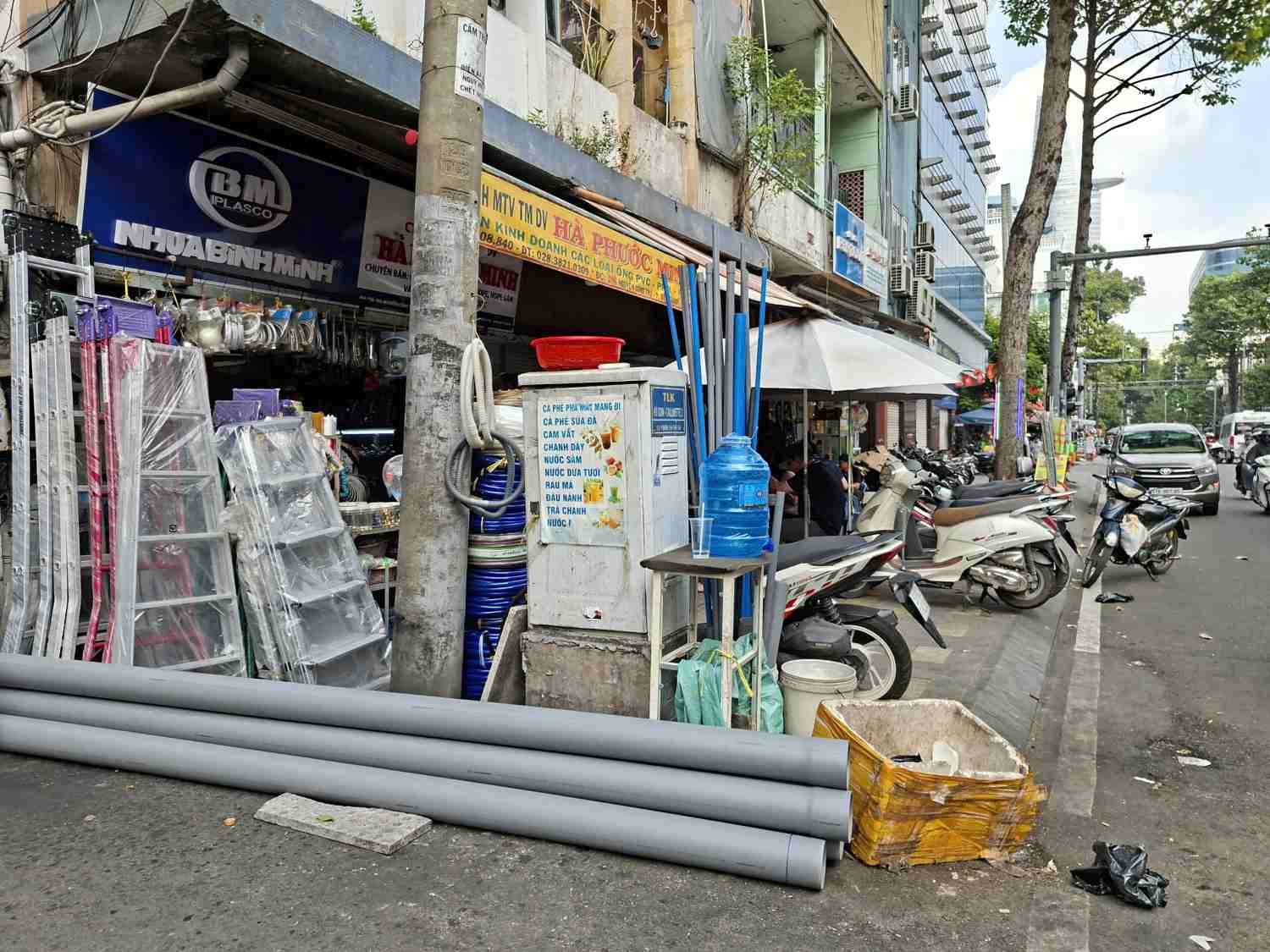
Although assessed as contributing to restoring urban order and creating a mechanism for people to use sidewalks legally, the implementation is not synchronized. Some places loosen management, allowing rampant encroachment to occur, causing public outrage about transparency and fairness.
By November 2025, Ho Chi Minh City will officially stop piloting to develop a new project, suitable for the city's post-merger context and current regulations.
Recently, the Ho Chi Minh City People's Committee assigned the Ho Chi Minh City Police to preside over the City-level launching ceremony, implementing peak inspection and handling of violations of urban order, order on roads, sidewalks, and sidewalks.
Police of wards, communes and special zones will simultaneously launch operations at the same time to show determination, synchronization and perseverance from the City to the grassroots level.
Immediately after the launching ceremony and throughout the peak period, Ho Chi Minh City Police directed professional units to coordinate with local police, order police forces, and local authorities to strengthen inspection and strictly handle violations.
The focus of inspection is on main roads, hospital areas, schools, markets, commercial centers, industrial parks, export processing zones, bus stops and waiting stations - places where encroachment and spontaneous trading often occur, causing traffic obstruction and urban unsightliness.
People's Committees of wards and communes are required to maintain regular patrol forces, thoroughly handle violations, and not let the situation of "rampant deployments and then going back to square one" prolong public outrage.