
On the afternoon of March 6, Railway Transport Joint Stock Company said that the incident of a barge hitting the Ghenh railway bridge on the Dong Nai River in the morning of the same day affected the organization of train operations through the Di An - Bien Hoa section.
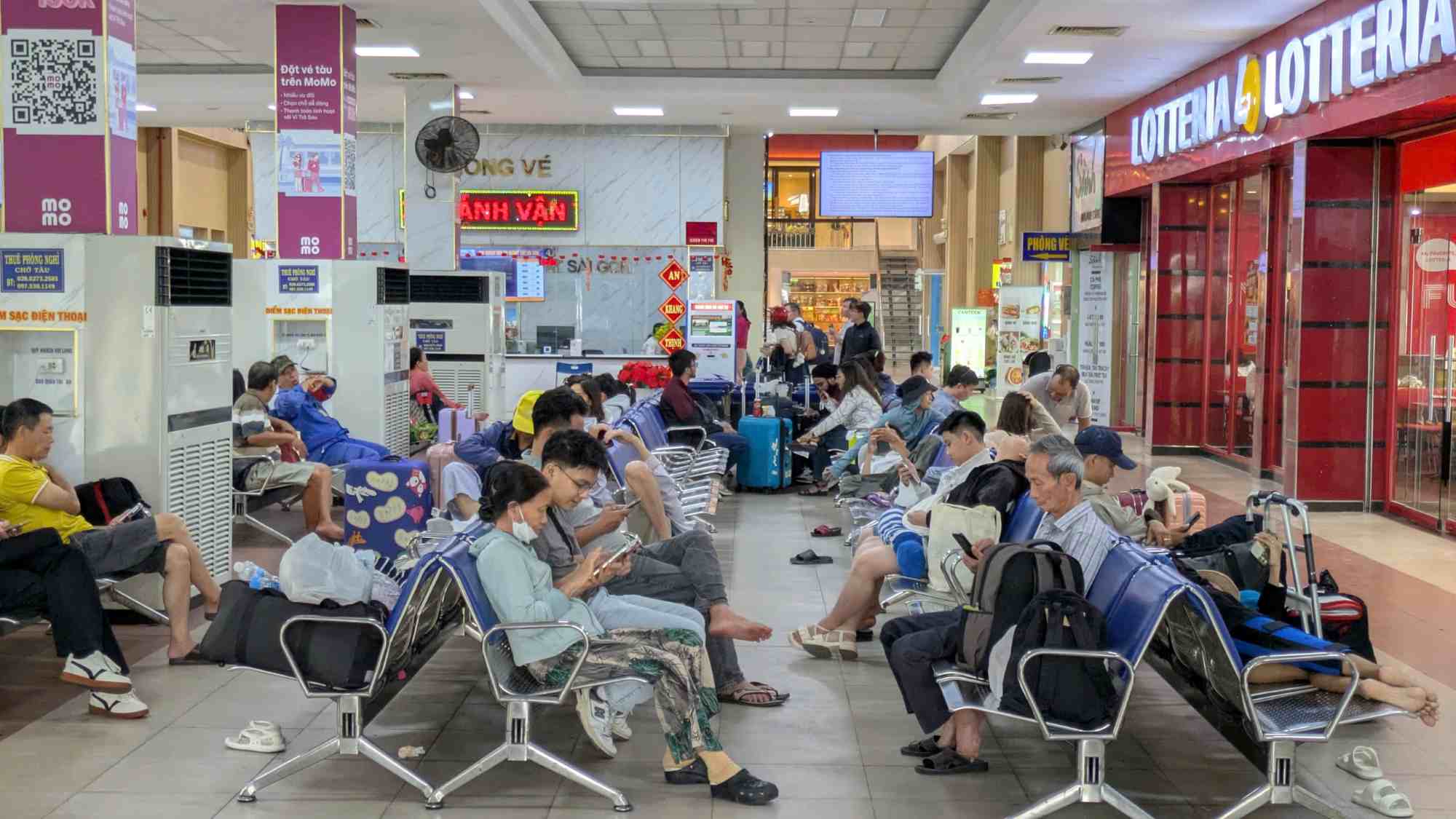
During the recovery period, the railway industry will still maintain train operations but must organize passenger transit.
For passenger trains, passengers will be transferred by car from Di An station to Bien Hoa station and vice versa with a distance of about 9 km to continue the journey.
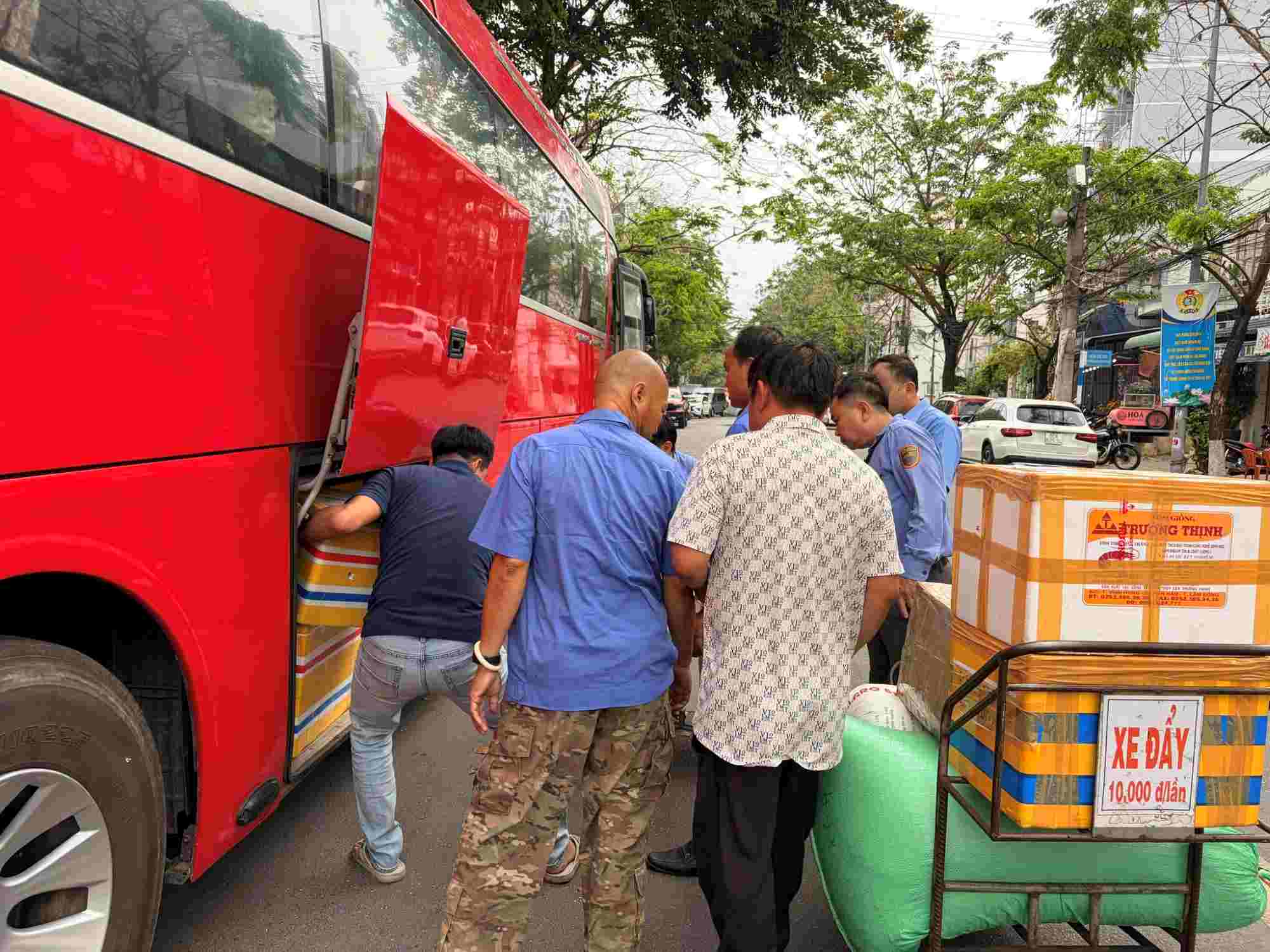
For freight trains, the railway industry organizes train operations from Yen Vien and Giap Bat stations to Trang Bom and Ho Nai stations to unload goods, instead of continuing the journey through Ghenh bridge area as usual.
In addition, on March 7, the railway industry will stop running train pairs SNT2/SNT1 departing from Saigon and Nha Trang stations; SPT2/SPT1 departing from Saigon and Phan Thiet stations.
Railway Transport Joint Stock Company said that passengers who need to return tickets during this time will be supported with ticket refunds without any fees.
According to a report by Saigon Railway Joint Stock Company, at about 10:17 am on March 6, barge number NB-8437 traveling from upstream to downstream of the Dong Nai River collided with Ghenh bridge (also known as Dong Nai Lon bridge), located in Bien Hoa ward and Tran Bien ward, Dong Nai province.
The collision caused the structure on the bridge to be displaced, the largest deviation point is about 50 cm.
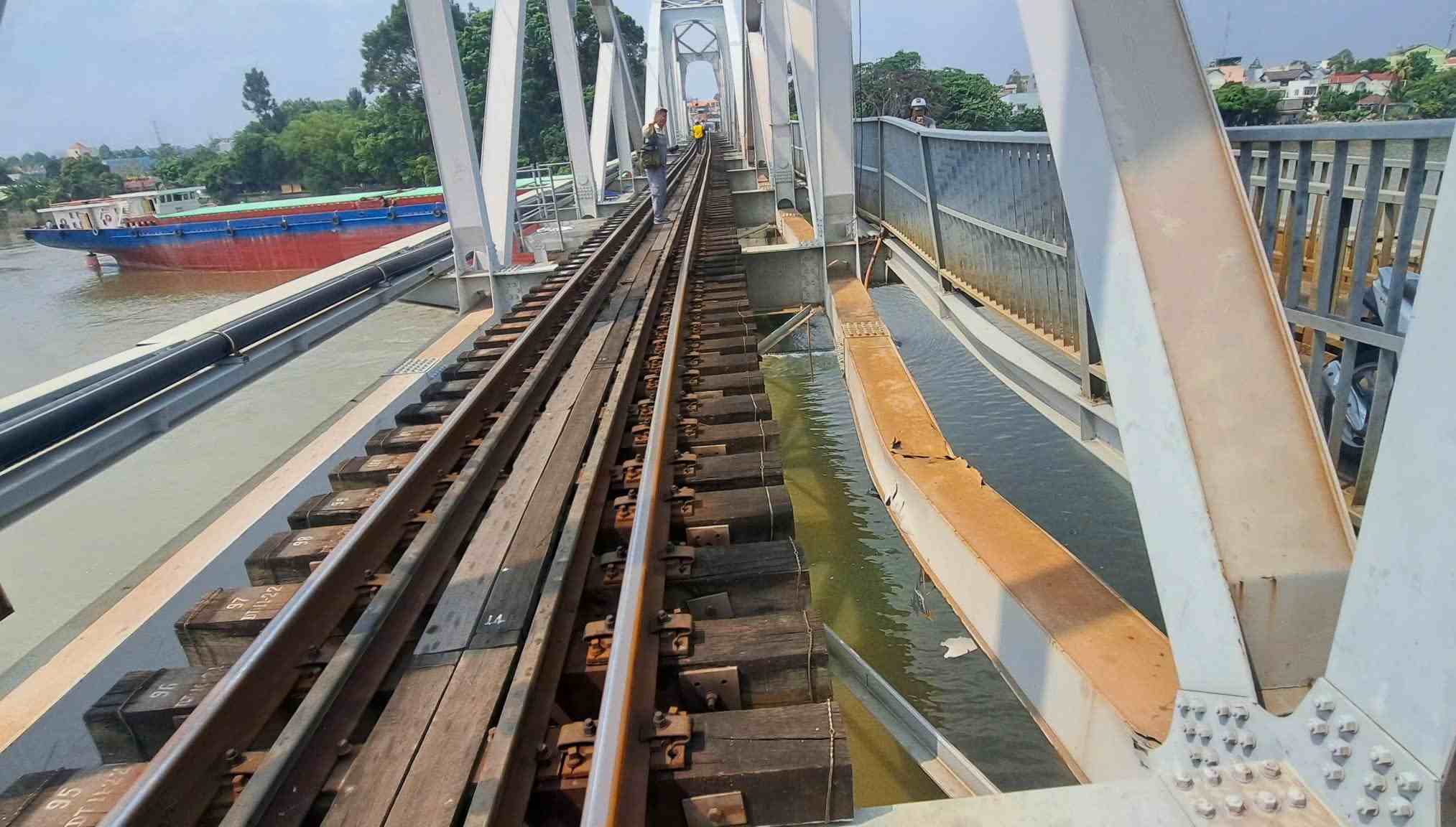
Through initial inspection, functional units recorded that span 2 of compartment 5 was heavily deformed, the direction of the route on the bridge was largely deviated, and the bridge bearings were shifted.
The incident also injured two people riding motorbikes on the pedestrian sidewalk of the bridge, one of whom had a broken arm, and one person suffered scratches on the face.
According to initial assessments by functional agencies, the structure of Ghenh bridge is heavily damaged, posing a potential risk of seriously affecting the safety of the project as well as train operations.
Currently, relevant units are urgently inspecting, assessing the extent of damage and deploying remedial plans.


