
Lakes and lagoons are livelihoods, regulating floods
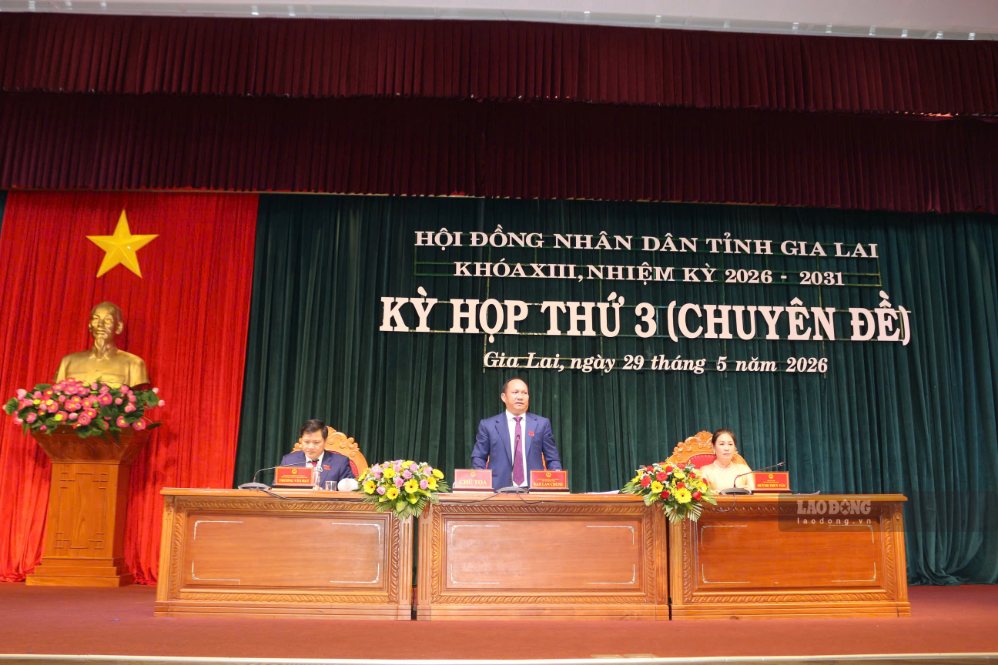
In July 2026, the Gia Lai Provincial People's Council of the XIII term approved Resolution No. 346/NQ-HĐND on approving the adjustment of the list of ponds, lakes, and lagoons that are not allowed to be filled in the province.
According to the Resolution signed and promulgated by Standing Deputy Secretary of the Provincial Party Committee, Chairman of the Provincial People's Council Rah Lan Chung, there are up to 696 ponds, lakes, and lagoons in communes and wards that are not filled.
In which, there are large-scale lagoons such as Thi Nai lagoon (area of 5,000 ha), Tra O lagoon... large lakes such as Phu Ho, Bau Lat, Ca Rung lakes, Tau Dau 2 irrigation lake...
At the same time, a series of other hydropower reservoirs are also not allowed to be filled, affecting the reservoir bed area such as An Khe, Dak Doa hydropower reservoirs, Nuoc Luong, Dak Rsong 2, 2A hydropower reservoirs, H'Mun lake...
Faced with climate change as well as extreme rain and flood situations, complicated developments, the promulgation of a list and planning of ponds, lakes, and lagoons that are not allowed to be filled is of utmost importance.
Mr. Nguyen Lanh (resident in Cat Tien commune, Gia Lai) said: "Many fishermen have been attached to Thi Nai lagoon for generations to earn a living and raise aquatic products. The lagoon is both a source of livelihood for people and has the ability to regulate and regulate floods from upstream. Therefore, protecting the lagoon is also protecting the living environment for thousands of households.
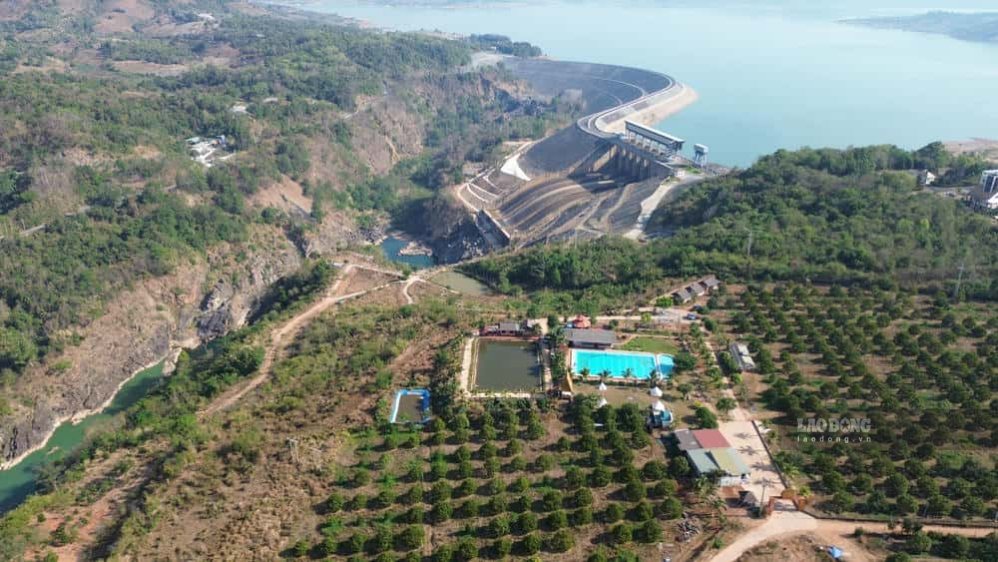
In Gia Lai, large-scale hydropower and irrigation reservoirs and dams both supply water for production and daily life for thousands of households in downstream areas such as Ia Mo, Dak Doa, An Khe - Ka Nak lake, Ia Ly lake... and can serve the development of exploration and experience tourism.
Reservoirs and dams are also renewable energy sources for large-scale floating solar hydropower projects. In June 2026, Gia Lai Provincial People's Committee reported the results of reviewing and assessing the impact related to the Kanak floating solar power project (Kbang commune) and the Plei Tho Ga 2 floating solar power project combined with a battery storage system (Chu Puh commune).
Resolution towards long-term environmental protection
The government requires investors to commit to protecting the environment of lakes and dams; not to discharge solar panel sanitary water directly into the lake, and at the same time install water source monitoring equipment periodically and regularly.
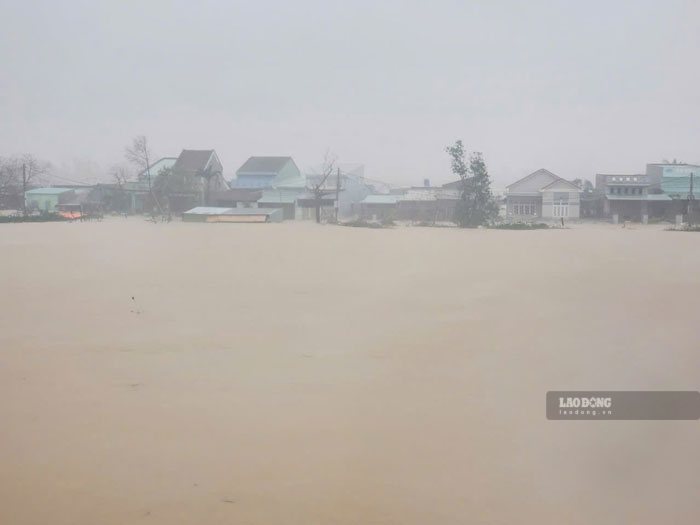
The historic rainy and flood season of 2025 caused heavy damage to the lives of thousands of households in Gia Lai province. Mr. Cao Thanh Thuong - Director of Gia Lai Provincial Department of Agriculture and Environment - said that to minimize damage to people, the province must review the planning. In which, it is necessary to recalculate the drainage problem for Long Van, Bau Lac, Nhon Binh and Nhon Phu urban areas based on actual hydrological data in 2025.
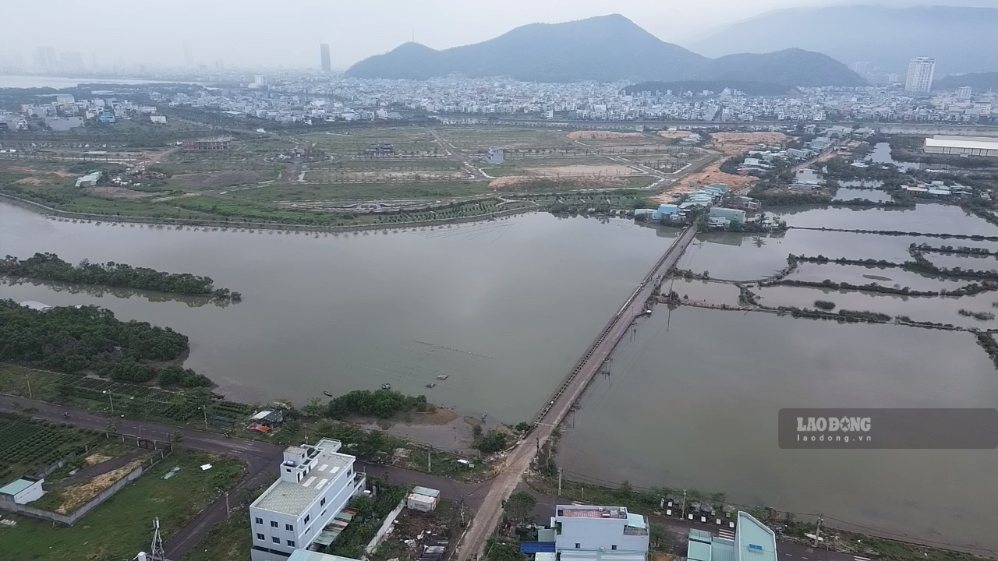
Functional agencies will review and strictly inspect the flood drainage capacity of urban areas, especially at the discharge outlets of Ha Thanh bridge, to ensure that the flow to Thi Nai lagoon does not narrow. If ground leveling for construction obstructs the flow of canals, ditches, branch rivers, ponds, lakes, lagoons, it will increase the risk of rising floods, rapid flooding, affecting residential areas.
At voter meetings with delegates of the Gia Lai Provincial People's Council, people expressed their desire for the review and appraisal of investment policies for new urban area projects to be carried out more thoroughly. It is necessary to consider and prioritize environmental factors and climate change response, instead of just focusing on the economic efficiency of the project.
Especially for urban areas, protecting ponds, lakes and natural low-lying areas is very important, because these are considered natural "water pockets", contributing to reducing flooding and increasing adaptability to climate change.
Water areas can retain a part of pollutants, mud and nutrients before water flows into rivers and seas. Above all, many ponds, lakes, and lagoons are also associated with the history, community activities, and cultural life of indigenous people.
Therefore, Resolution No. 346/NQ-HDND was issued to contribute to protecting the living environment, preventing illegal and arbitrary landfilling and dumping activities that cause damage to the landscape and natural ecosystem.


