
On December 19, information from Lam Dong Provincial People's Committee said that the total scale of Lam Dong's medium-term public investment plan for 2021 - 2025 after the merger is more than 78,900 billion VND.
Of which, the central budget supports more than VND 21,400 billion and the local budget more than VND 57,500 billion.
It is estimated that by 2025, the average disbursement rate for the whole period will reach about 92% of the plan (the central budget is estimated to reach about 89.5% and the local budget will disburse 95.7%).
In 2025, Lam Dong province was allocated more than VND 24,000 billion in public investment capital. To date, the province has allocated more than VND23,930 billion, reaching 99.5% of the plan.
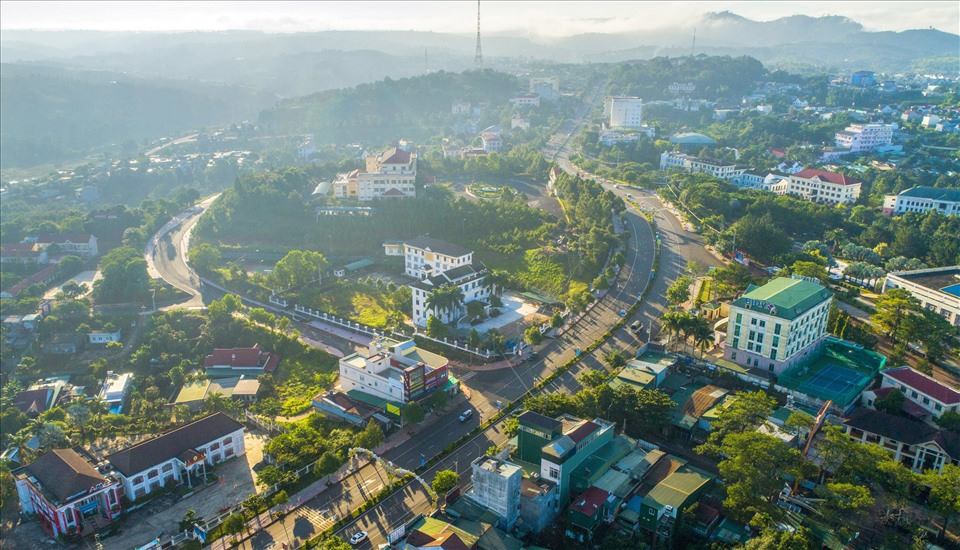
Lam Dong province aims to disburse public investment capital in 2025 at 90%. However, the disbursement progress still faces many difficulties due to mineral planning, site clearance and unfavorable weather... so it is forecasted that it will be difficult to achieve the set goals.
Faced with this reality, the leaders of the Provincial People's Committee requested departments, branches and localities to resolutely and synchronously implement key projects, promoting the role of leaders to promote disbursement in the remaining time of the year.
In 2026, Lam Dong Provincial People's Committee plans to allocate more than VND 15,200 billion in development investment capital, implementing the allocation in accordance with the provisions of the Law on Public Investment, prioritizing key projects according to the Resolution of the Provincial Party Congress.
Regarding this, previously, on December 16, Chairman of Lam Dong Provincial People's Committee Ho Van Muoi chaired a meeting to assess the implementation of public investment capital in 2025 and discuss the allocation plan for 2026.
Speaking at the meeting, Chairman of Lam Dong Provincial People's Committee Ho Van Muoi emphasized that the effective allocation and use of public investment capital will create new growth momentum, contribute to the completion of transport infrastructure, and strengthen regional linkages.
Effective allocation will promote sustainable poverty reduction, narrowing development gaps, especially in ethnic minority areas, remote areas.


