
Traffic pressure accumulated for many years
National Highway 13 is a vital traffic route connecting Ho Chi Minh City with Binh Duong in the past and the Central Highlands provinces.
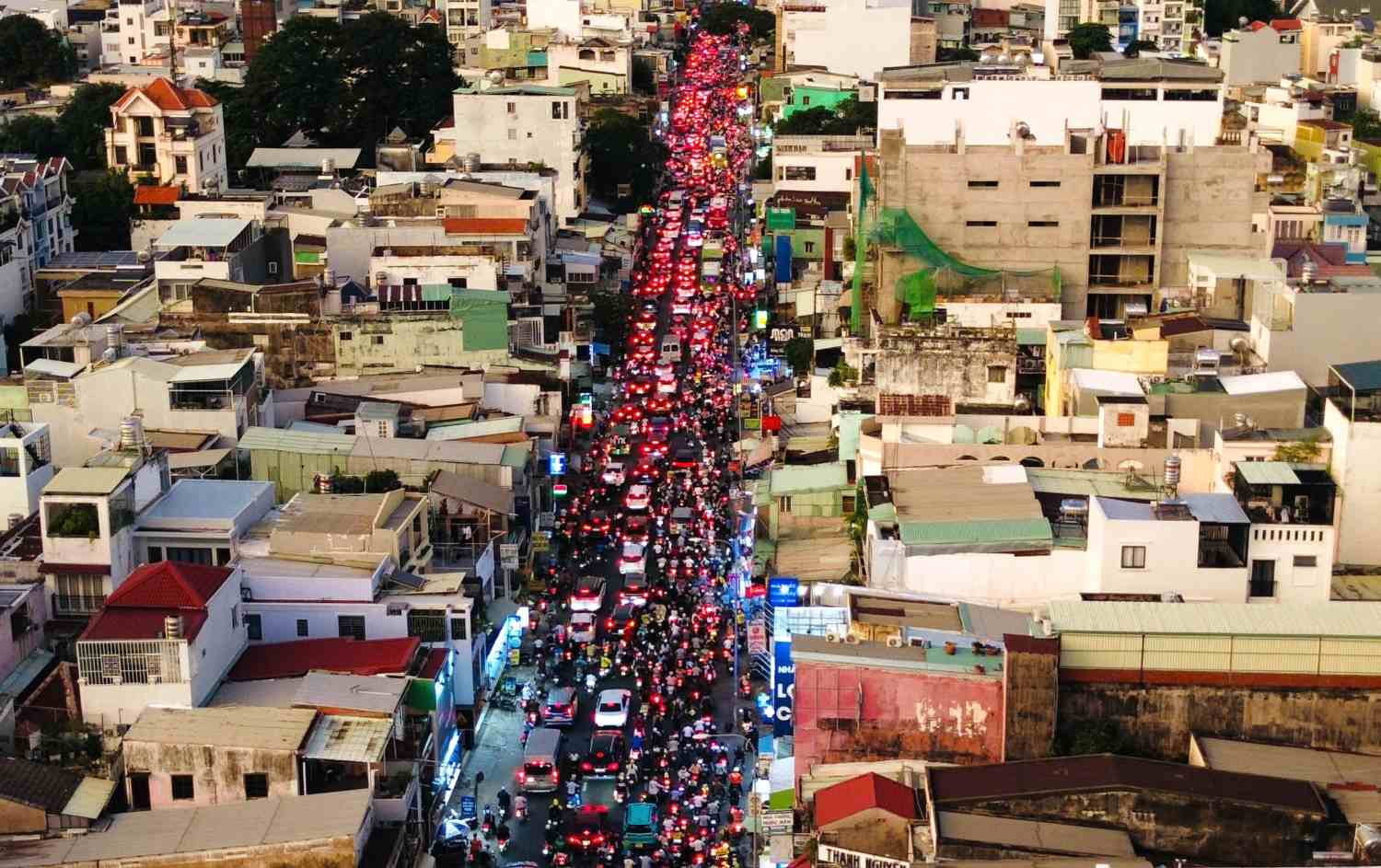
However, while the section through Binh Duong has been invested in spaciously, expanded to 6-8 lanes, the section through Ho Chi Minh City is currently only 4-6 lanes wide. This difference creates a "bottleneck", causing prolonged traffic jams for many years.
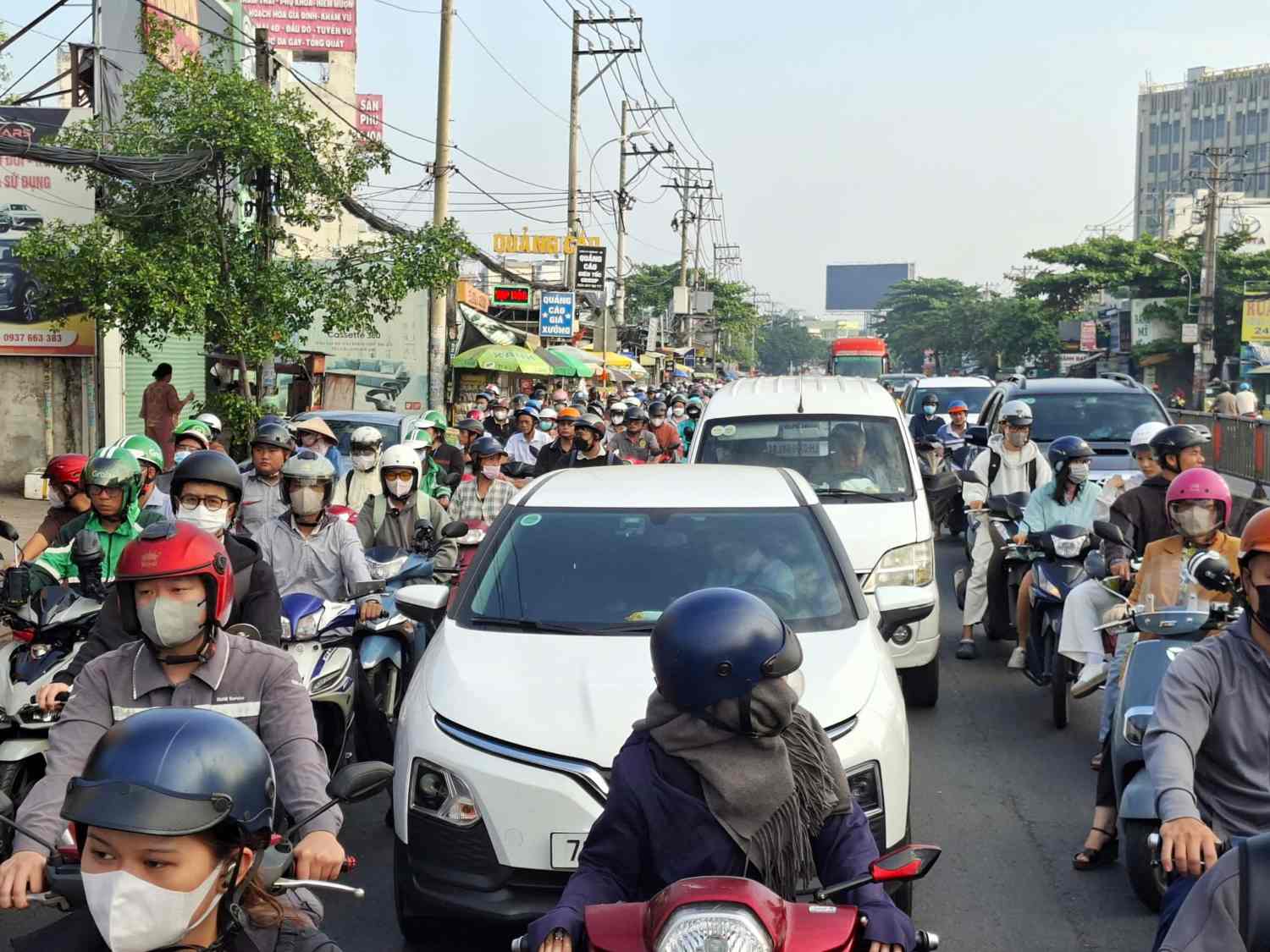
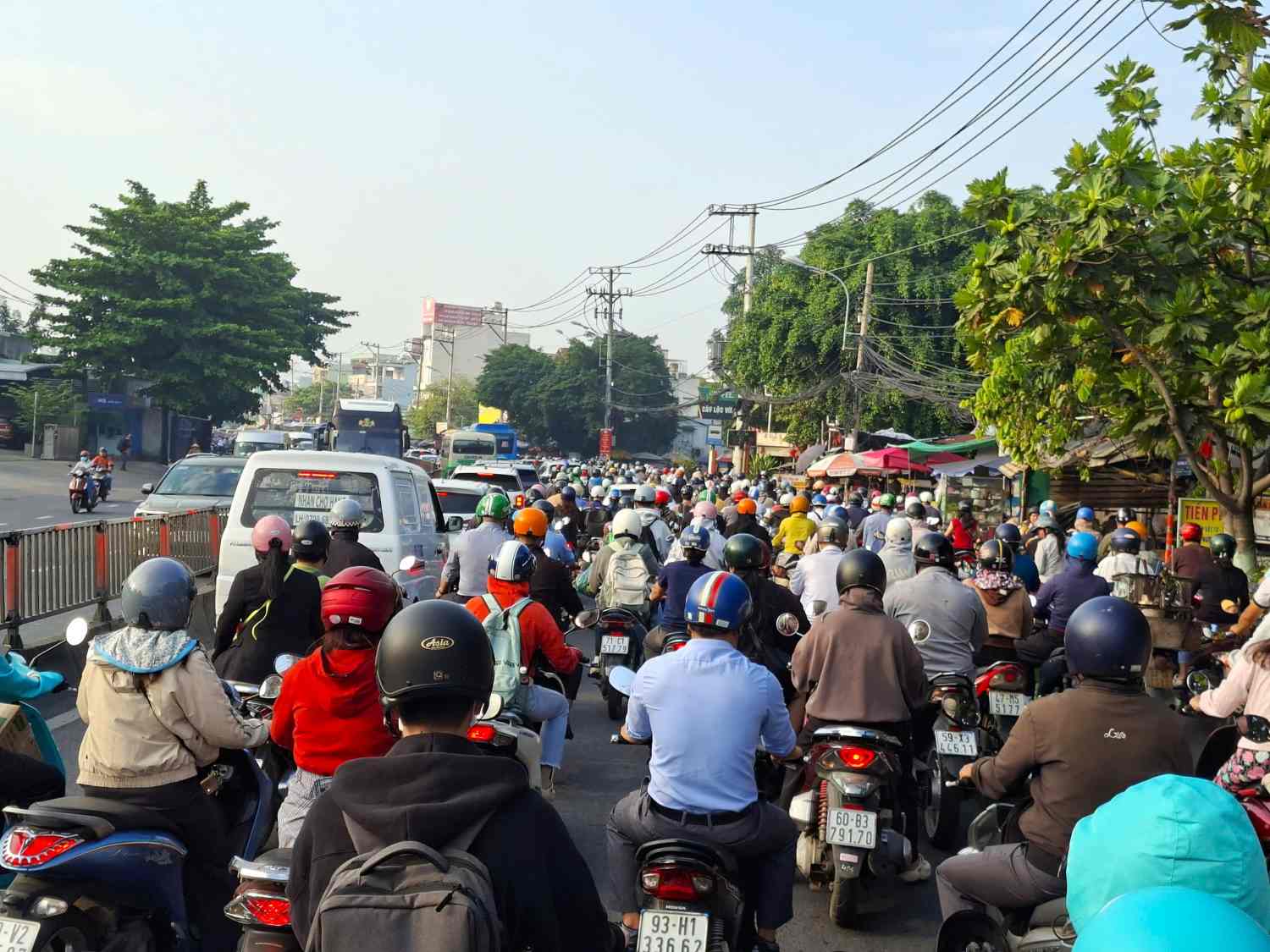
Traffic pressure is increasing at connecting routes such as Dinh Bo Linh - the main axis leading from the Northeast gateway to the city center.
In the morning, the flow of vehicles pouring into Dinh Bo Linh mainly came from two directions: Pham Van Dong street and National Highway 13. The volume of vehicles from Nguyen Xi and Chu Van An routes continuously entered, causing serious congestion...
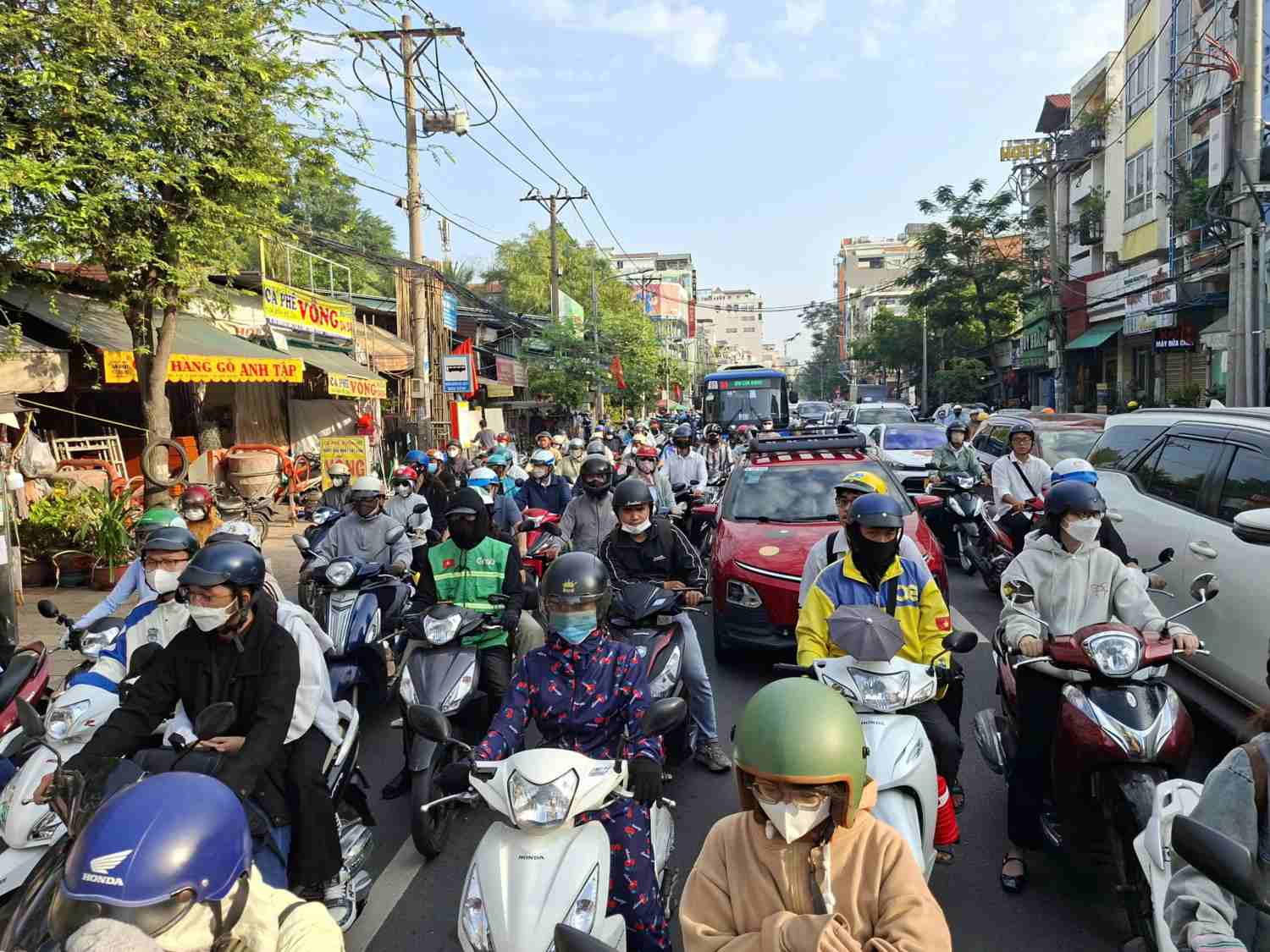
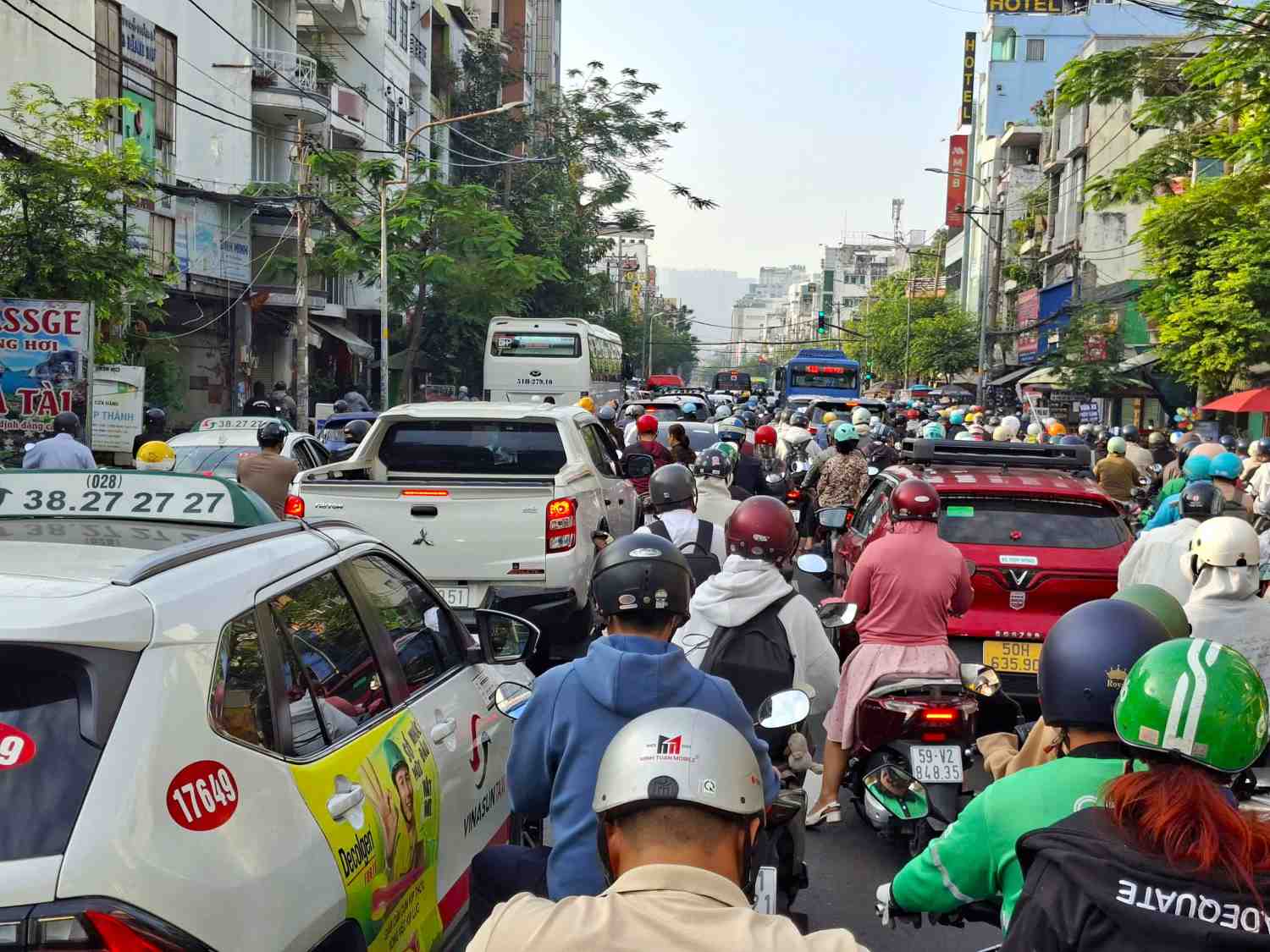
In the opposite direction, from the center to the gateway, the Xo Viet Nghe Tinh route (section from Hang Xanh to Nga 5 Dai Liet Si intersection) is also frequently overloaded.
At the Dai Liet Si intersection - where many major roads such as Xo Viet Nghe Tinh, National Highway 13, Ung Van Khiem and Nguyen Xi intersect - prolonged traffic jams often occur.
At Hang Xanh intersection, despite having a steel overpass on the Dien Bien Phu axis, this area is still frequently overloaded due to high vehicle density.
Expanding National Highway 13, building elevated roads
To remove this "bottleneck", the National Highway 13 expansion project (section from Binh Trieu bridge to Vinh Binh bridge) is considered the focus. The route is nearly 6 km long, with a total investment of about 20,900 billion VND, implemented in BOT form.
According to the plan, site clearance is expected to be completed in June 2026, and technical infrastructure relocation in December 2026. The project will start construction in early 2027 and be completed by the end of 2028.
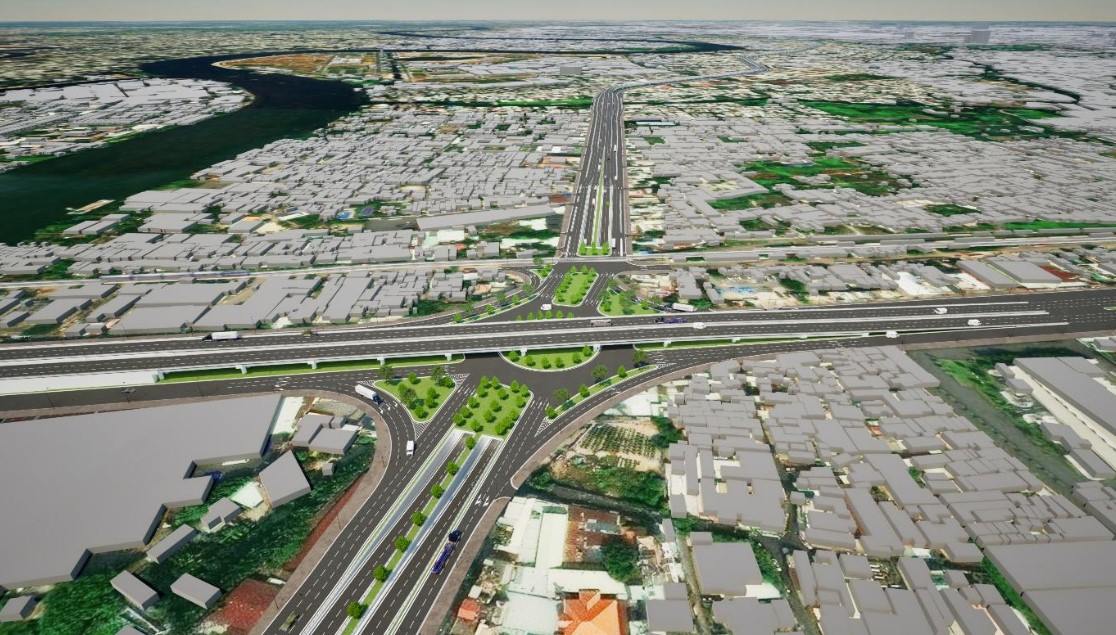
This section of National Highway 13 will be expanded to 60 m. In the middle of the route, an elevated road is built about 3.55 km long with 4 lanes, design speed of 80 km/h. Below is a parallel road from 8 - 10 lanes, maximum speed of 60 km/h.
The entire route is expected to arrange 10 intersections. In which, build two-way underpasses in Binh Loi and Binh Phuoc areas to increase traffic flow. Existing bridges such as Duc Nho and Ong Dau will also be expanded to be synchronized.
Proposal for the "large project" Hang Xanh - Binh Trieu
In parallel with National Highway 13, Ho Chi Minh City is considering assigning businesses to research and prepare dossiers to propose a project to renovate traffic infrastructure in the Hang Xanh - Binh Trieu area according to the PPP method, with a scale of about 26.8 hectares.
The project stretches from Hang Xanh intersection to Binh Trieu bridge, focusing on renovating Dinh Bo Linh, Xo Viet Nghe Tinh axes and National Highway 13 section (from Dai Liet Si intersection to Binh Trieu bridge). These routes will be expanded, combined with building elevated roads to form high-speed lanes.
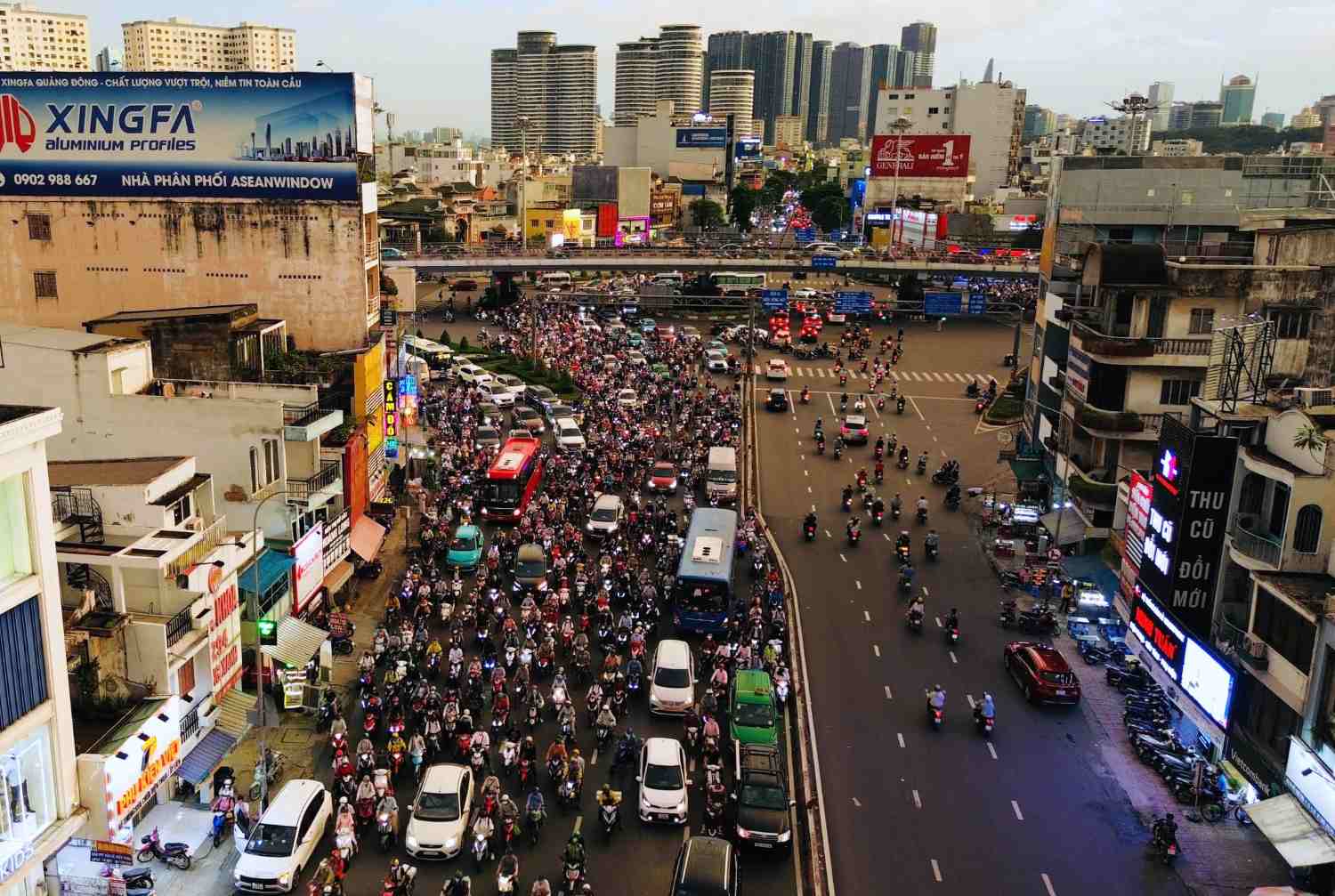
At Hang Xanh intersection, the proposed plan is to build an elevated, multi-layered intersection. This solution helps separate inter-regional traffic and inner-city traffic, reduce conflicts and improve traffic capacity.
The project also includes the construction of Binh Trieu 3 bridge, contributing to increasing the number of lanes across the Saigon River and being synchronized with the expansion scale of National Highway 13.
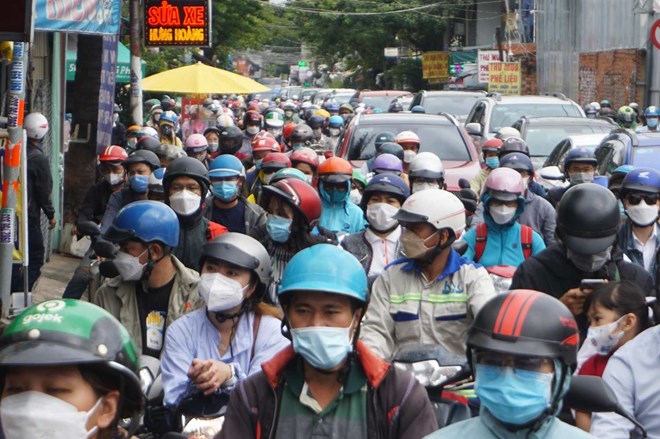
In addition to large-scale projects, Ho Chi Minh City is also studying opening and expanding a number of roads to complete the regional network.
Chu Van An road will be extended by about 200 m, 25 m wide, directly connecting to the Martyrs' Monument intersection.
Ung Van Khiem road is expected to be expanded to a road boundary of 30 m, with a scale of 6 lanes, about 1.7 km long, stretching from Dai Liet Si intersection to Tan Cang area.


