
This approach not only helps people orient their future more sustainably but also creates a foundation for poverty reduction from the root in ethnic minority areas.
Orienting the future from real needs
Cu Prao village is one of the particularly difficult villages of M'Drak commune. The lives of people here mainly depend on small-scale, household-level farming and livestock farming.
Fragmented production, dependent heavily on traditional experience, makes people's income generally low and unsustainable.
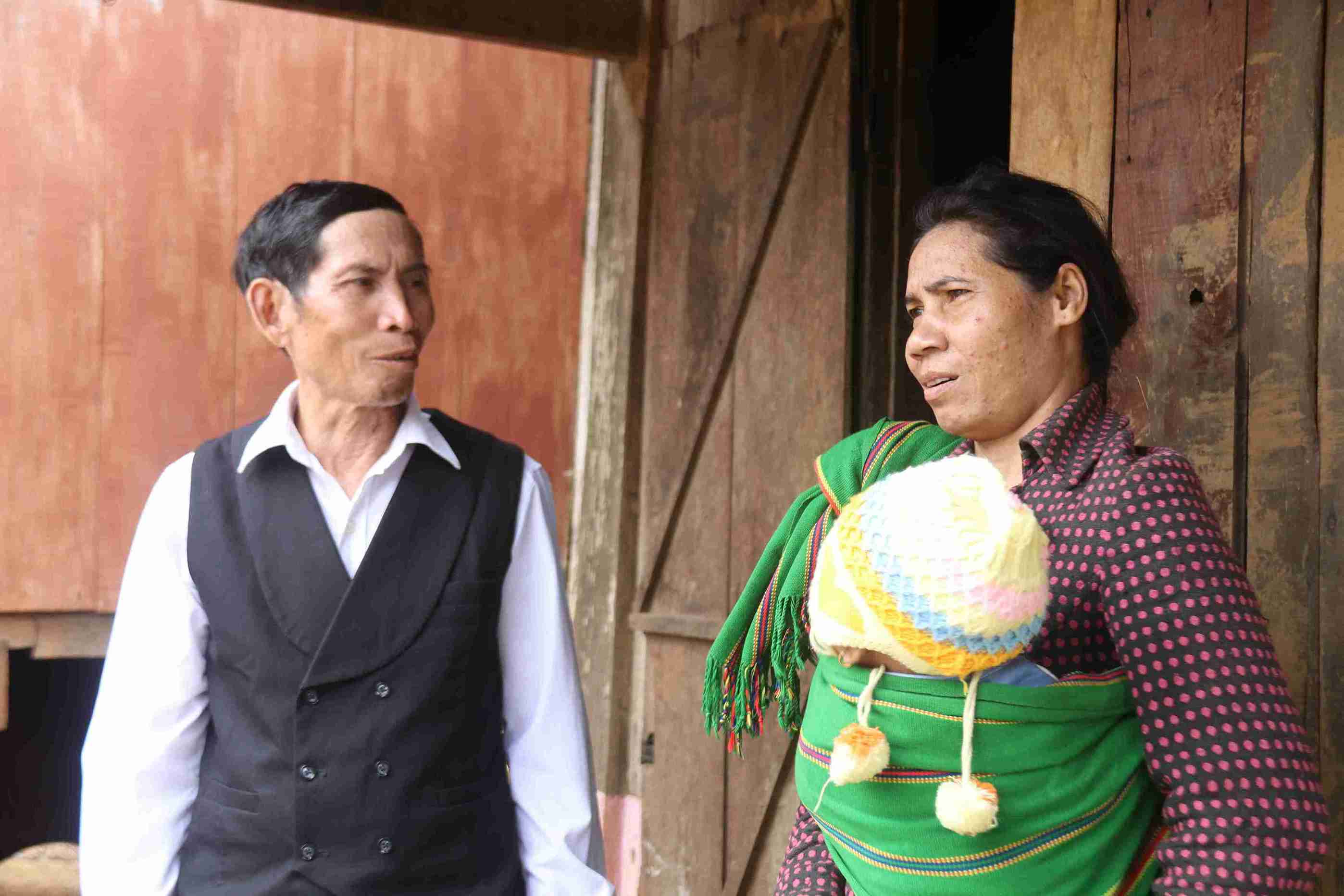
To gradually change the socio-economic face of the village, the local government has coordinated with a team of prestigious people, village elders, and village chiefs to go directly to the grassroots, meeting each household to grasp their thoughts and aspirations. In particular, orienting vocational training for young people and rural workers is considered an important and long-term solution.
Mr. Y Zo Bya - Head of Cu Prao Hamlet - said that currently, the hamlet has many young people of working age. Most of the young people are working hard, some stay in the local production area, others work as workers in industrial parks in Buon Ma Thuot, Ho Chi Minh City or Dong Nai.
Realizing the increasingly clear need for career orientation for young people, in recent times, Mr. Y Zo Bya has visited every house, knocked on every door to learn about the aspirations of students and young people after adulthood.
According to him, listening to people's wishes is an important basis for the government to build appropriate vocational training programs, avoiding formality.
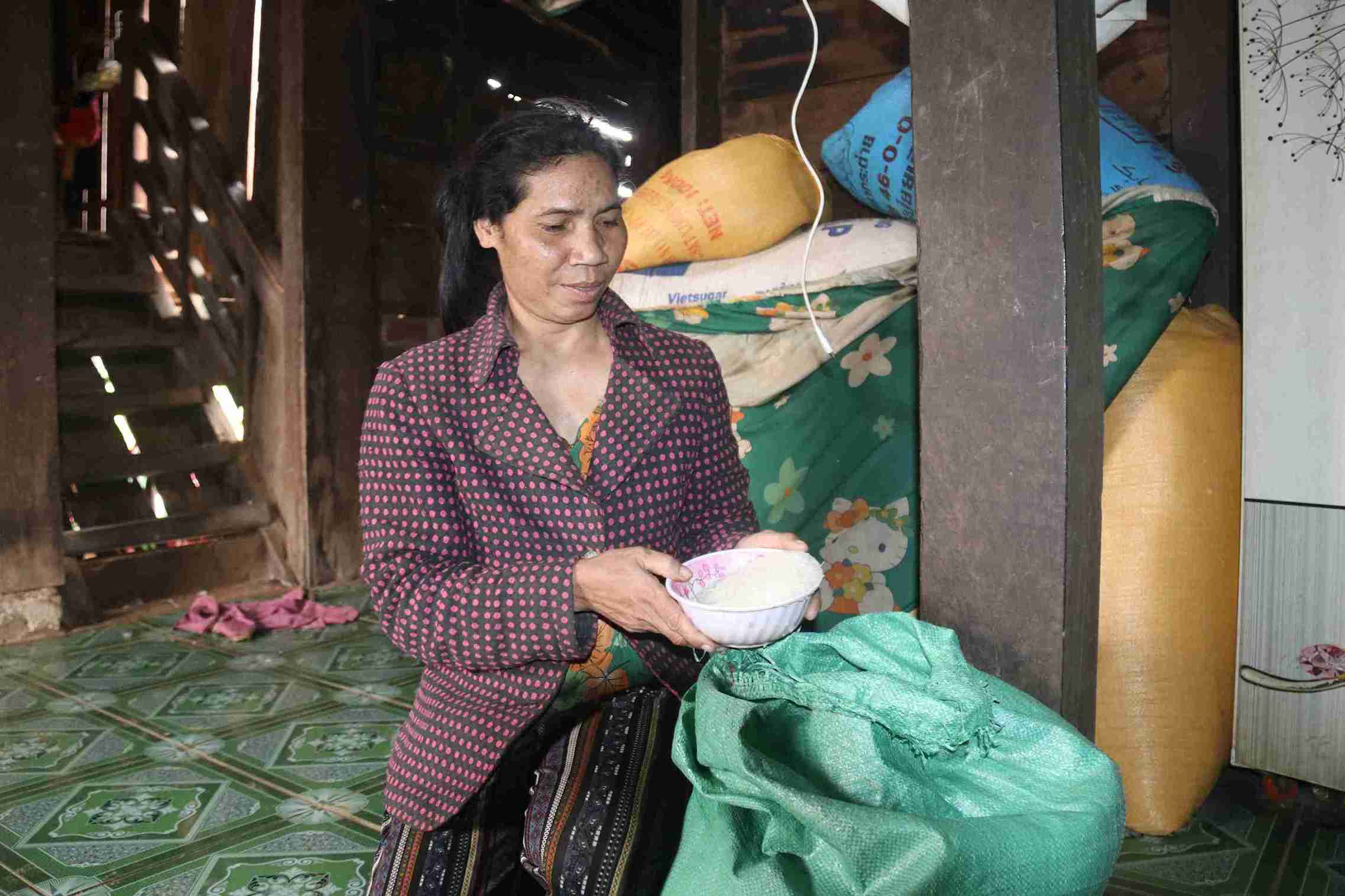
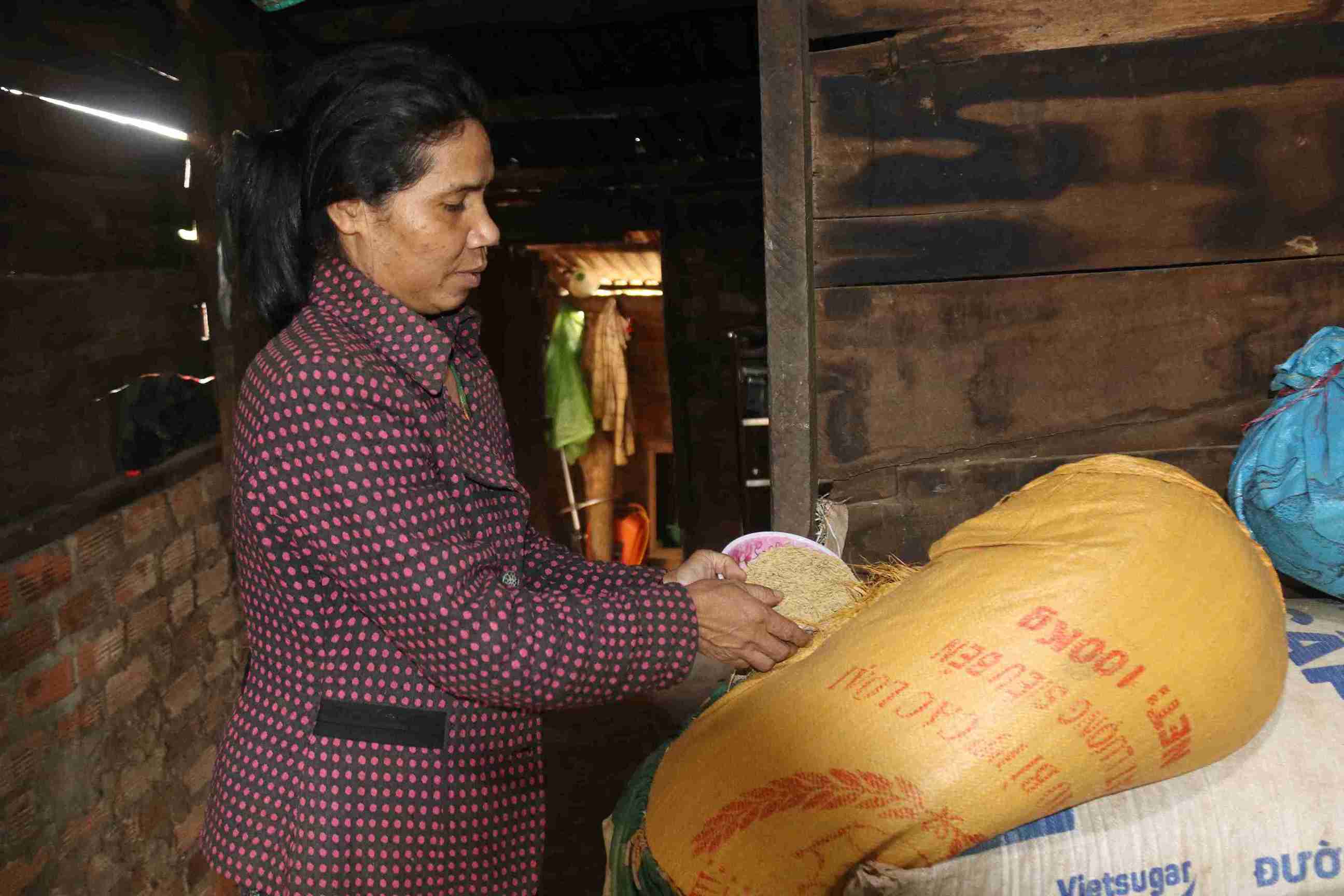
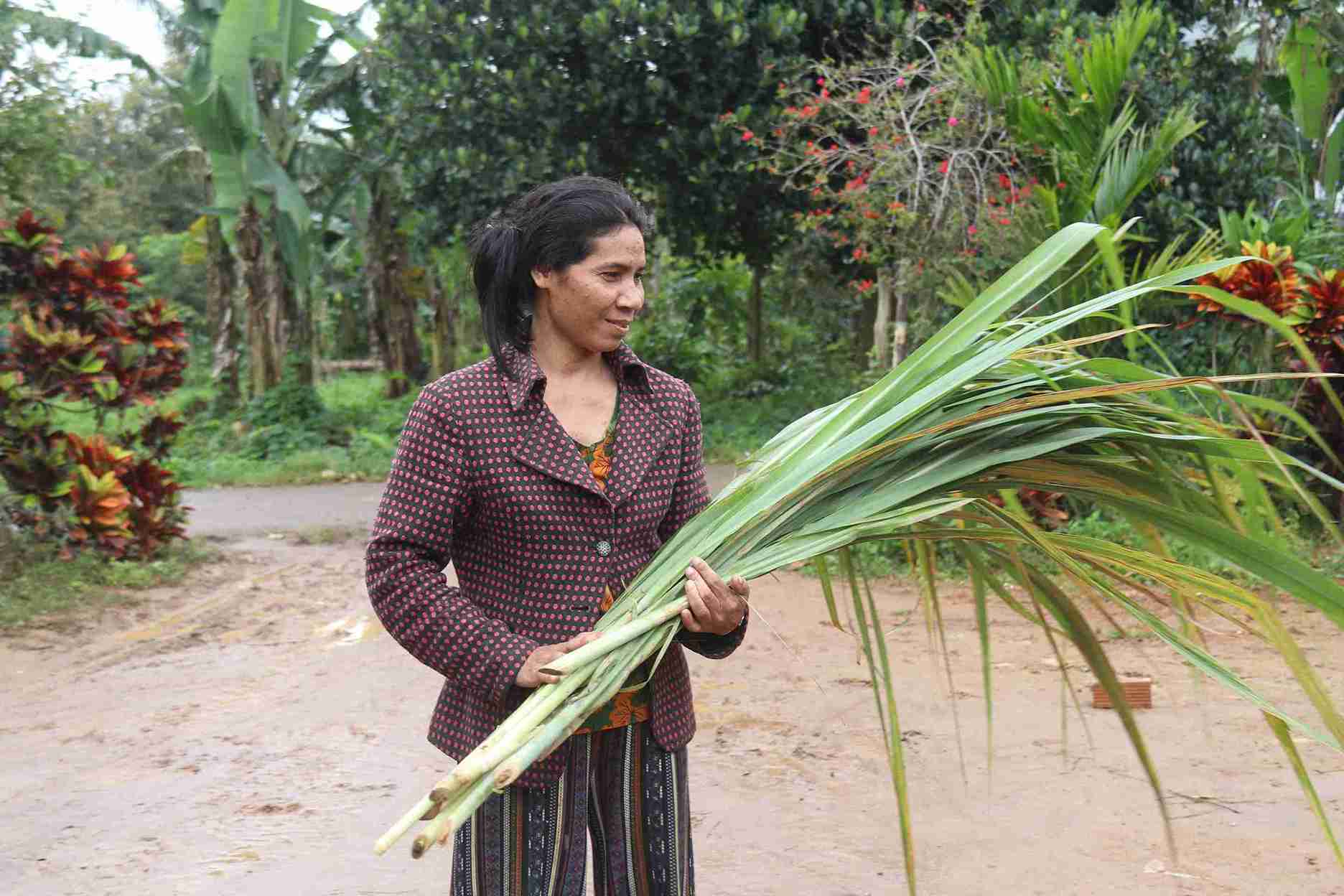
From meetings and contacts, many households have boldly expressed their need to learn a trade to increase their income. Ms. H Nuh Nie (born in 1978, poor household) said that her family currently grows 1.4 hectares of sugarcane, 2 sao of rice and raises 1 cow. For many years, farming has helped the family have enough to eat and wear, but they have not been able to accumulate.
"Life is still full of difficulties, without food or means of storage. I hope the locality will guide and open general vocational classes so that people have more opportunities to change their lives, Ms. H Nuh Nie expressed during the propaganda sessions and meetings with the village chief.
Similarly, Mr. Y Mik Nie (born in 1983, near-poor household) is currently growing 3 sao of coffee, also hoping that the locality will soon open more classes for cultivation and animal husbandry. According to him, the production of the people of Cu Prao village has long been small, lacking scientific and technical knowledge, so the economic efficiency is not high.
"For a long time, people have mainly grown and raised livestock in a broken and ineffective manner. Therefore, life is still difficult. I hope the locality will continue to survey and open vocational training classes to help people improve production and business efficiency, Mr. Y Mik Nie shared.
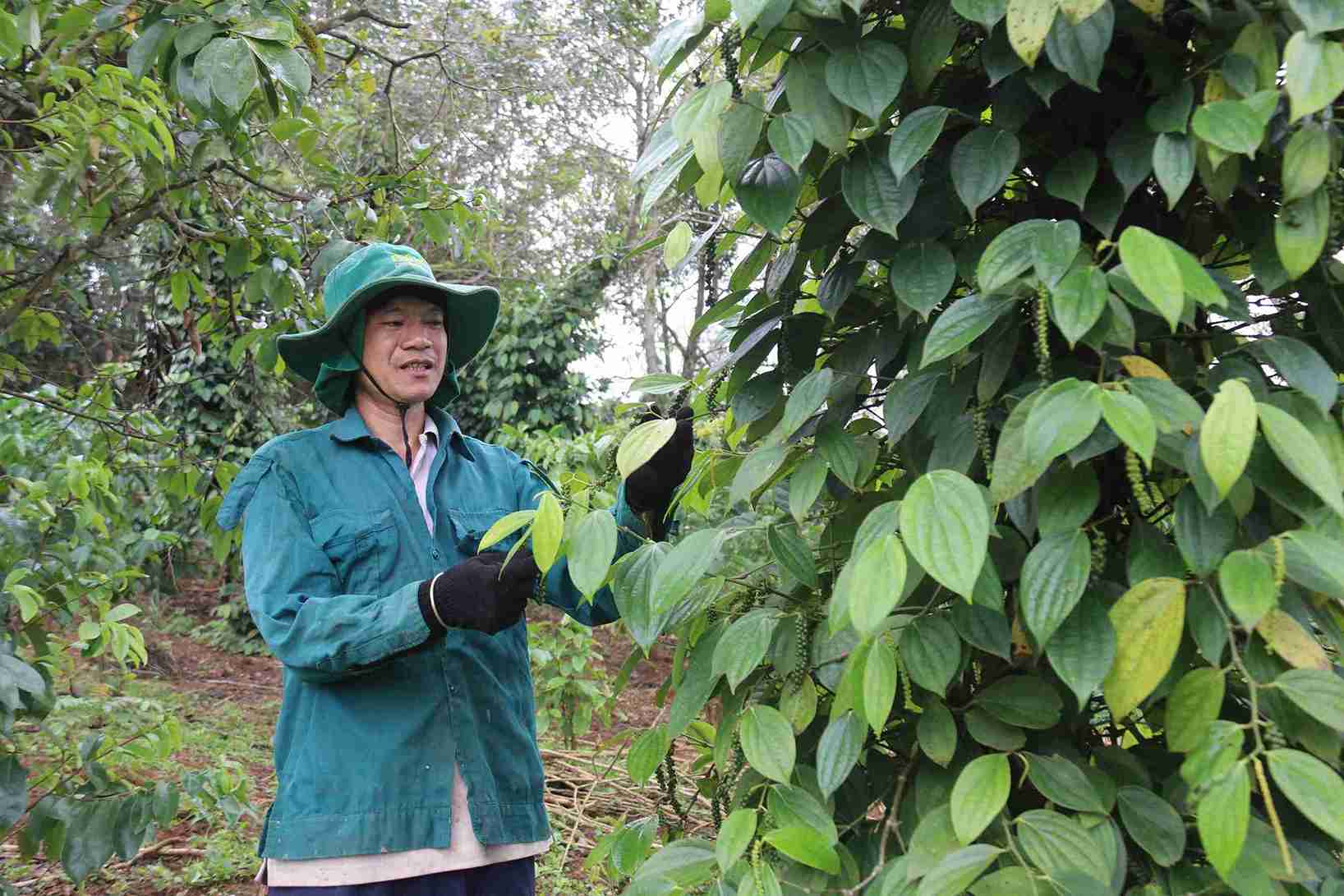
Diversifying vocational training to change livelihoods
Based on the actual needs of the grassroots, local authorities have identified continuing to diversify vocational training activities as a suitable direction to meet development requirements in the new period.
In the context of increasingly clear needs for livelihood transformation, M'Drak commune has proactively exploited and unlocked resources from the National Target Program, gradually expanding vocational training for rural workers.
This is considered an important solution to help people, especially ethnic minorities, access new knowledge, improve skills and improve income.
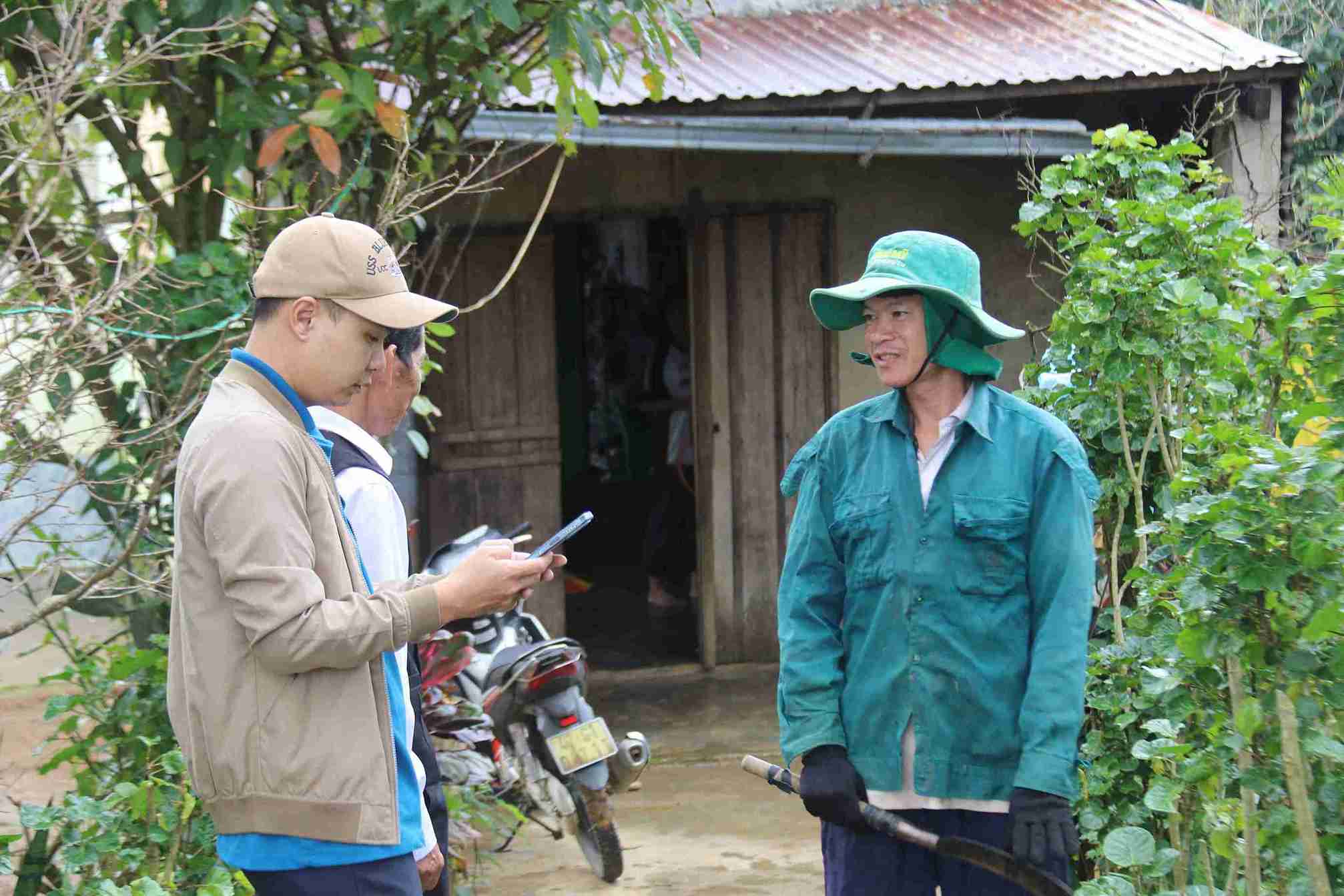
In reality, despite the large number of workers of working age, the majority of people are still used to farming according to their experience, with little exposure to modern science and technology.
Realizing this limitation, the commune government has proactively proposed needs and developed training plans close to production conditions and people's customs and practices.
At the same time, the locality coordinated with the Center for Vocational Education - Continuing Education of M'Drak to organize vocational training classes suitable for people in extremely disadvantaged areas.
Training courses are oriented towards "learning to do", focusing on practice, helping learners to immediately apply it to production, animal husbandry or livelihood development in households.
Choosing a training major also closely follows the local strengths, avoiding the situation where graduation cannot be applied.
Mr. Nguyen Van Trung - Deputy Head of the Department of Culture and Social Affairs of M'Drak commune said that in the coming period, the locality will continue to systematically organize vocational training classes for rural workers.
The classes must be suitable for local characteristics, respect the customs and practices of the people, and gradually help people change their production thinking.
The reality from Cu Prao village shows that when vocational training is implemented based on the actual needs of the people, the response will be more obvious.
This is also an important foundation for M'Drak commune to continue to replicate the model, contributing to the effective implementation of the National Target Program for Socio-Economic Development of Ethnic Minorities and Mountainous Areas in the coming period.


