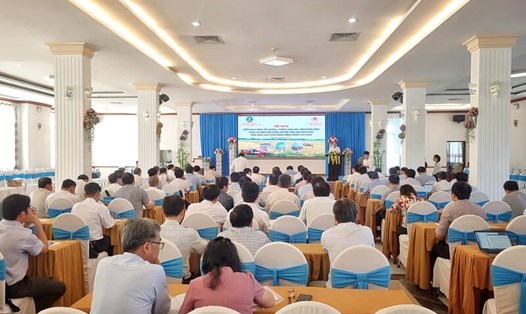
On March 27, WWF-Vietnam in coordination with the Department of Agriculture and Environment of Dong Thap province launched Phase II of the project "Climate-Adjusting Climate Solutions in the Mekong Delta" (CRxN) at Tram Chim National Park. Vice Chairman of Dong Thap Provincial People's Committee Nguyen Phuoc Thien and representatives of WWF, Tram Chim National Park... attended.
The project is funded by the Australian Government through the Mekong Cooperation Program to Resist Climate Change, aiming to restore 1,750ha of important freshwater ecosystems, while supporting sustainable livelihoods and climate adaptation for nearly 2,000 vulnerable people in Dong Thap and Tay Ninh.
Foundation from "favorable" models
According to the assessment of the Intergovernmental Panel on Climate Change (IPCC) in 2023, if sea levels rise by 1 meter, about 40% of the Mekong Delta area is at risk of flooding, directly affecting the livelihoods of more than 17 million people. Faced with this challenge, nature-based solutions (NbS) are considered an effective and sustainable approach.
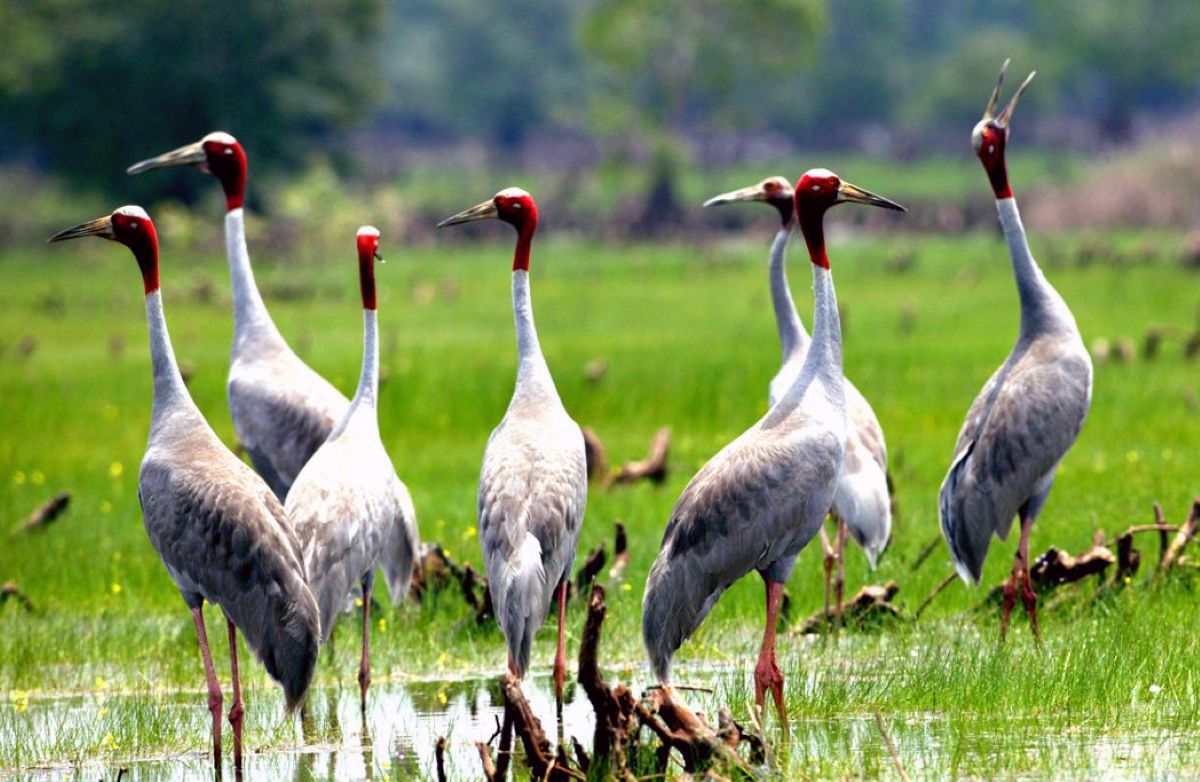
In Phase I, the project piloted many "following the tide" livelihood models such as growing floating rice, lotus – combined fish. These models not only help restore the wetland ecosystem but also improve people's income, and contribute to reducing about 25% of greenhouse gas emissions.
Mr. Le Ha Luan - Director of the Department of Agriculture and Environment of Dong Thap province - said that the locality is strongly shifting from traditional agricultural production to smart agriculture adapting to climate change. In which, natural-based solutions play a key role in restoring the natural flood regime and ensuring long-term sustainable development.
We are committed to WWF-Vietnam to replicate effective models, while mobilizing more resources to maintain and develop sustainably," Mr. Luan emphasized.
Expanding scale, increasing resilience
Stepping into Phase II (implemented until 2029), the project shifted its focus from pilot to replicating models that have proven effective. The scope of implementation is expanded, focusing on buffer zones of Lang Sen Wetlands Reserve and Tram Chim National Park.
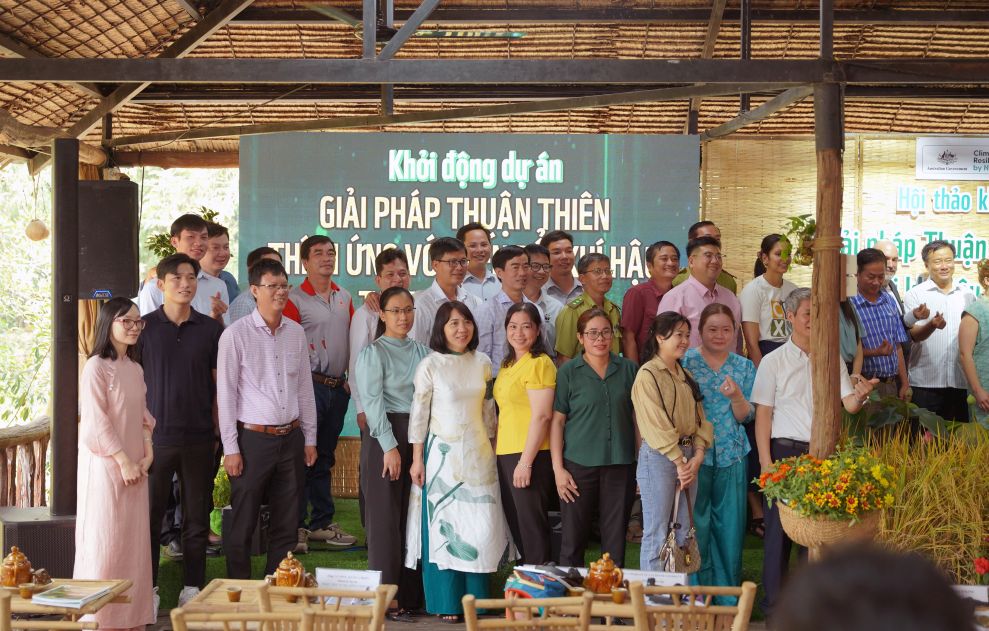
According to Mr. Vuong Quoc Chien - Regional Project Manager, WWF-Greater Mekong - the success of the previous phase came from the active participation of the community and partners. In the new phase, the project aims to restore the ecosystem on a landscape scale, where wetlands habitat, sustainable livelihoods and climate security are closely linked. "This vision will help both people and the Mekong ecosystem develop together in the long term," Mr. Chien said.
Representative of the donor side, Ms. H.E. Gillian Bird - Australian Ambassador to Vietnam - affirmed that restoring nature associated with supporting livelihoods will create a double positive impact, both protecting the environment and improving community resilience to climate change.
Meanwhile, Ms. Charlotte Sterrett - Senior Manager of WWF-Australia's Community Resilience and Adaptation Program - said that Phase II is not only about replicating the model but also towards building a long-term roadmap, attracting more investment to maintain nature-based solutions even after the project ends.
The Phase II Launching Ceremony gathered about 80 delegates, including representatives of the Australian Ministry of Foreign Affairs and Trade, central and local agencies, research institutes and development organizations. Here, the parties agreed on a coordination mechanism to ensure the effective implementation of the project.
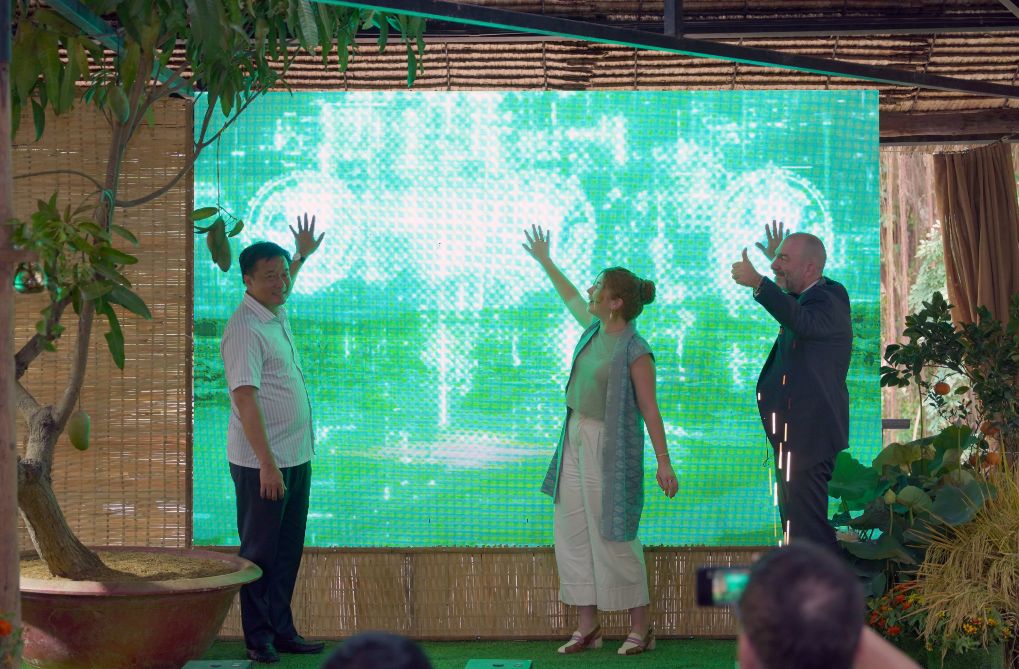
In the context of increasingly complex climate change, the expansion of favorable solutions is expected to contribute to protecting biodiversity, restoring important wetland ecosystems, and creating stable livelihoods for people.
Not only is it a story of Dong Thap or Tay Ninh alone, this model also opens up a new direction for the entire Mekong Delta region - where people learn to adapt to nature, instead of fighting against nature, to move towards sustainable development together.