
Mark of Duong Ngan Dich
According to Dai Nam Thuc Luc, in the year Ky Mui (1679), Duong Ngan Dich (? -1688) was allowed by Lord Nguyen Phuc Tan to lead more than 3,000 Minh Huong people by sea to My Tho, together with local residents to reclaim wasteland and establish markets for trading.
This is considered an important milestone laying the foundation for the early urbanization process of My Tho. Minh Huong community quickly formed residential areas, wharves and commercial facilities along the riverbank.
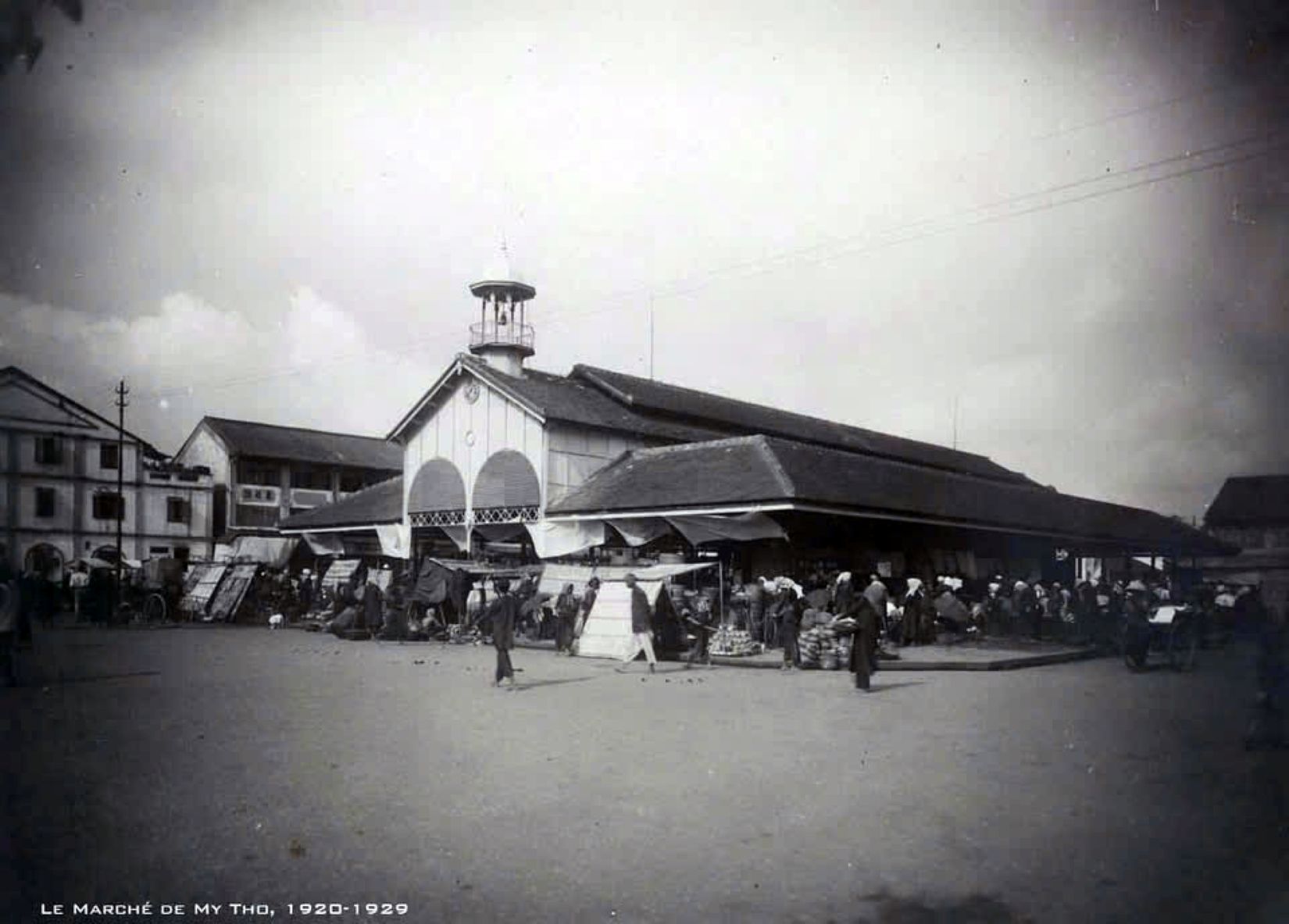
From an open land, My Tho gradually formed a city structure, creating a premise for the title "big city". Not only merchant ships in the region, My Tho also attracted merchant ships from China, the West, and Japan to trade. By the end of the 18th century, this place had become one of the major commercial centers of the South.
Recording this level of bustling, Dai Nam Nhat Thong Chi wrote: "My Tho market in Kien Hung district, often called the big city market. Tiled houses, carved hedges, tall communal houses, wide pagodas. Deep river, boats, sails sailing back and forth like weaving...".
Extreme prosperity and volatility
Because My Tho market quickly emerged as an economic and commercial center, in 1781, Lord Nguyen moved Tran Dinh's headquarters from Kien Dinh hamlet to the My Tho market area. This decision further promoted the prosperity of My Tho city.
But then, in 1785, the Siamese army invaded, My Tho became a battlefield. Market streets were destroyed, many merchants left. From a bustling city, My Tho fell into desolation.
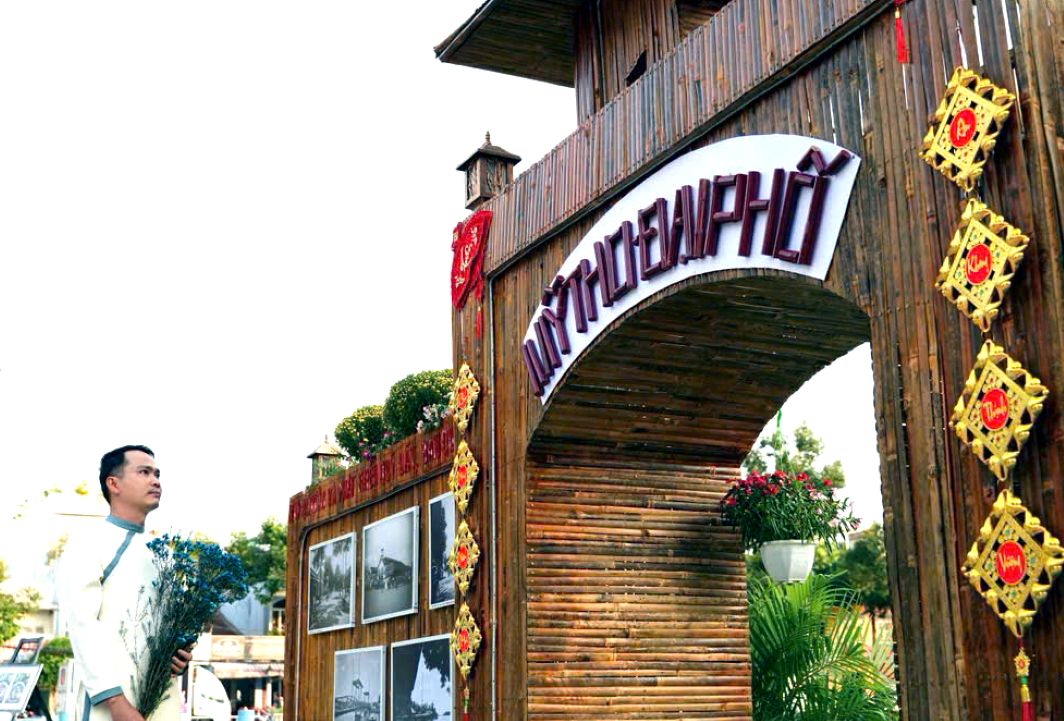
Therefore, although the situation gradually stabilized afterwards, these major upheavals made it difficult for My Tho town market to return to its golden age. Meanwhile, many other urban areas and markets in the area emerged, changing the old trade balance. The peak period of the most prestigious market in the South ended, and many projects bearing the imprint of the early days of My Tho Dai Pho gradually receded into time and memory.
Traces in the heart of the new city
Today, My Tho has a modern urban appearance. However, in the heart of the city, there are still layers of sediment of an old town. Many old buildings have been replaced or renovated in rhythm with urbanization. The new overlaps with the old as an inevitable law of development.
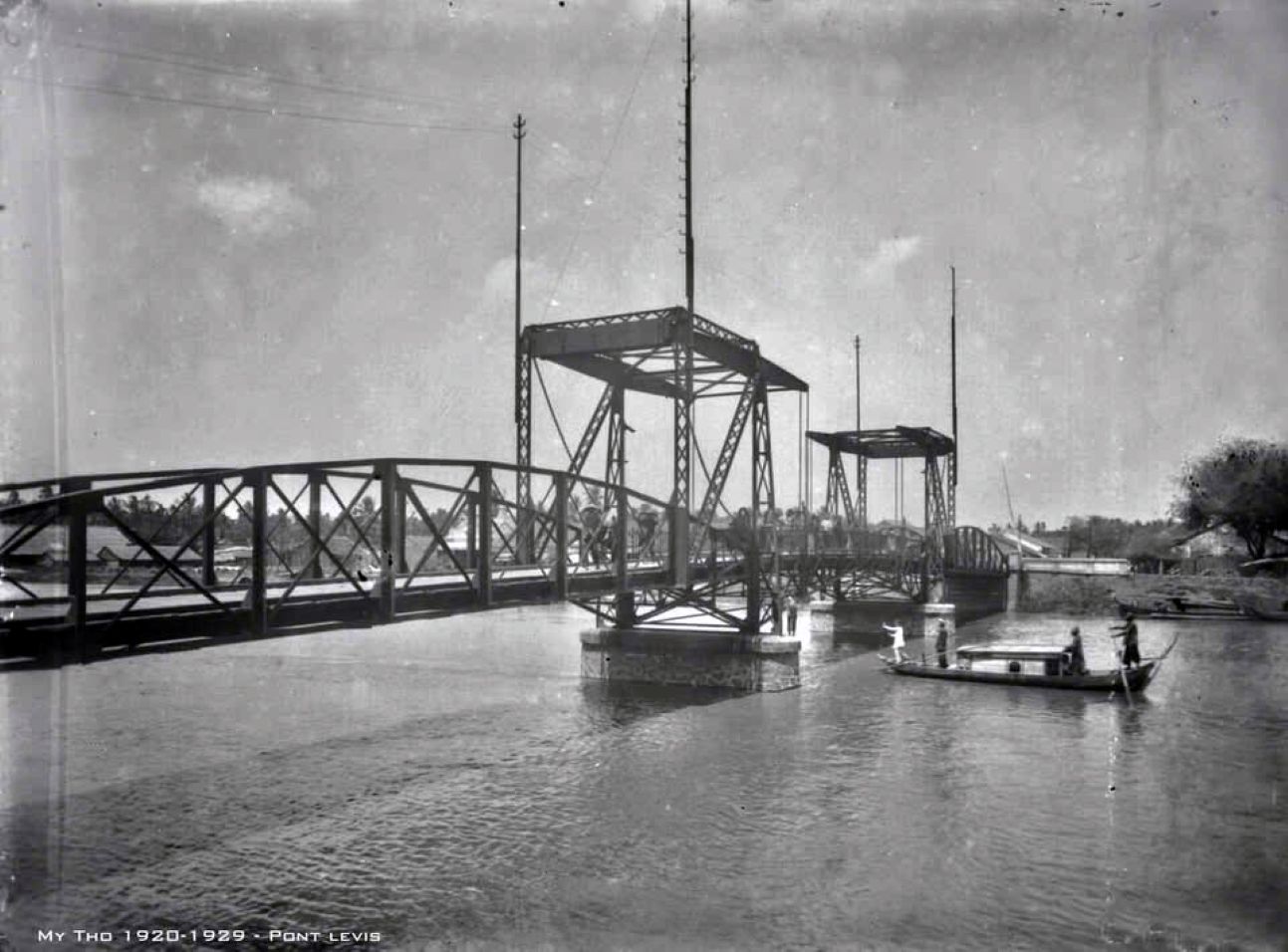
However, in everyday life, many folk places, hamlet names, and old wharf names are still used by people. This is not only a language "conservation", but also a way to preserve "space memories", helping today's generation recognize urban history, even though it is no longer fully present on administrative maps.
Identity problem in the new era
From July 1, 2025, My Tho will play the central role of Dong Thap province according to the policy of merging the two provinces of Tien Giang and Dong Thap. From here, My Tho will not only be the gateway connecting Ho Chi Minh City with the Mekong Delta provinces, but also sprout the appearance of a larger, more modern city.
This poses an urgent requirement in preserving historical space. Because if there is no proper attention, the last traces of the urban era may be lost, leading to the fading of residents' memories and urban heritage values.
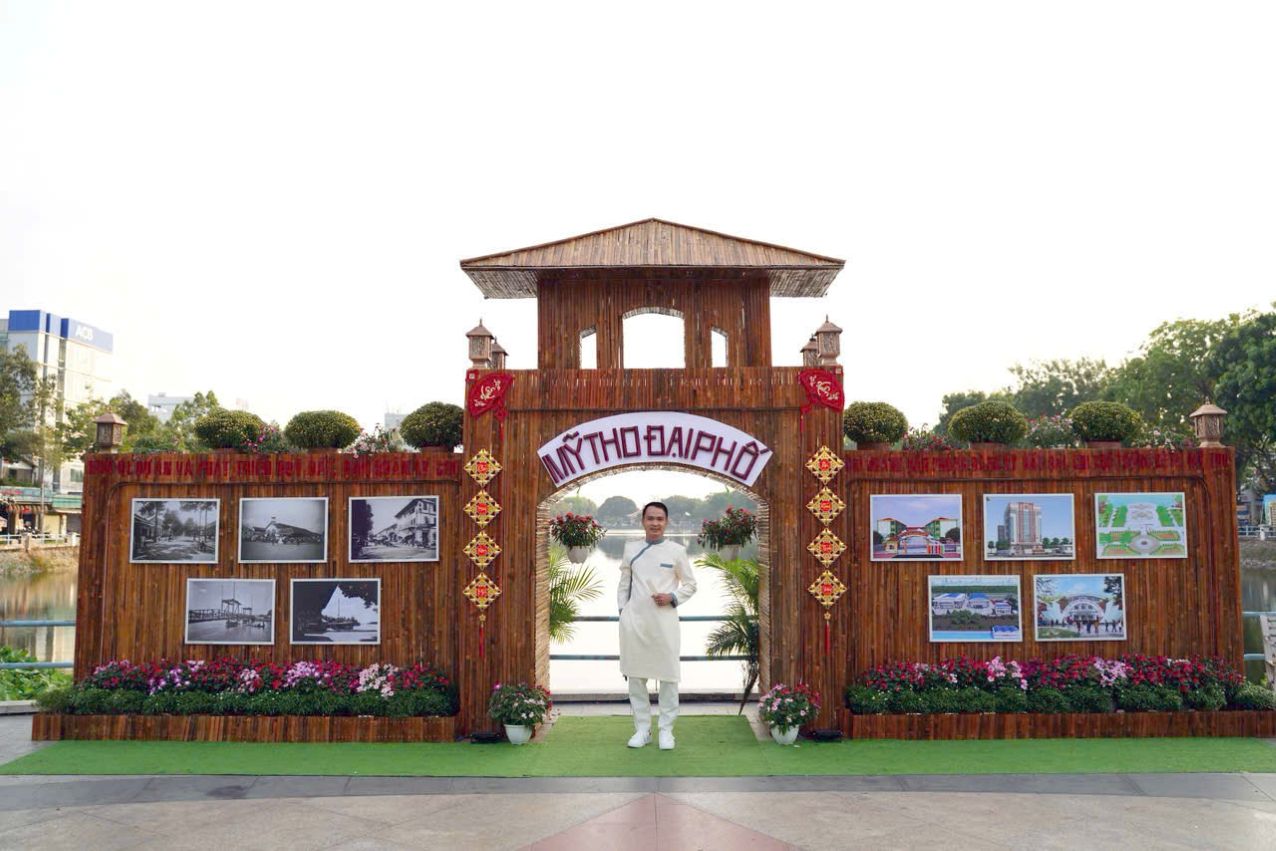
Some opinions suggested that there should be a landmark work about My Tho Dai Pho. This is not an appeal to return to the past, but a way for today's and future generations to better understand the depth of history and the identity of the land they are living in. A sustainable city is measured not only by speed, but also by the ability to preserve memories, stories and urban spirit that has made itself.
My Tho Dai Pho is also like that and must be like that.


