
About 5-7 km of the Ho Chi Minh trail through Lac Thuy and An Binh communes, many points where people sell rock crabs and rock snails have appeared.
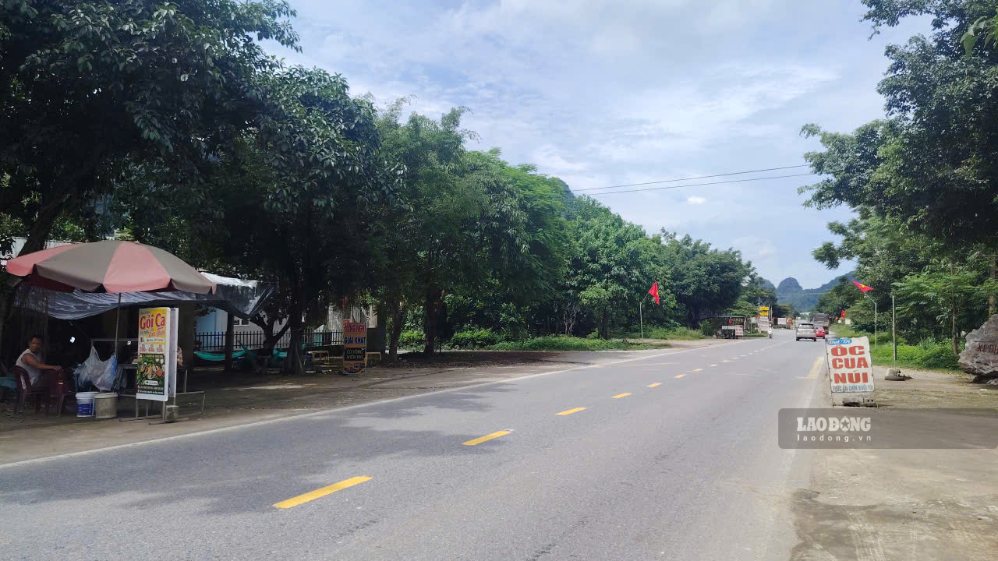
These products are picked up by locals from rock crevices, small streams and limestone mountain areas after rains.
During the September 2nd holiday, the number of tourists passing through the route increased. Many people stopped their cars on the side of the road to see, ask for prices and buy stone crabs and snails to enjoy.
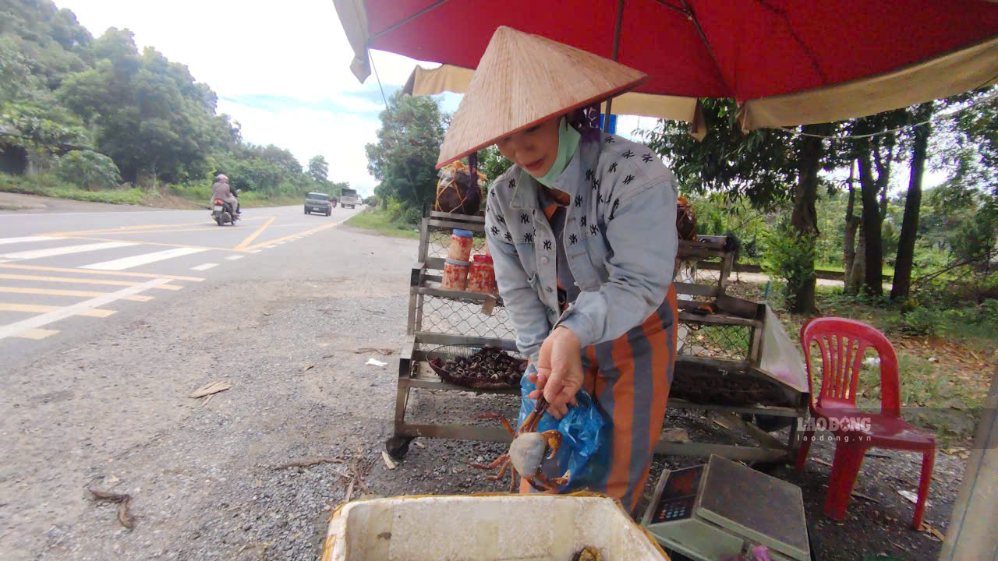
Ms. Lam Tuyet Minh, An Binh commune, said that the rock crab and rock snail season this year has reached the end of the crop, so the output is not much left.
According to Ms. Minh, people can catch about 2 kg of rock snails and 1 kg of rock crabs every day. People currently sell rock snails for about 80,000-90,000 VND/kg. Rock crabs are priced at about 180,000-200,000 VND/kg.
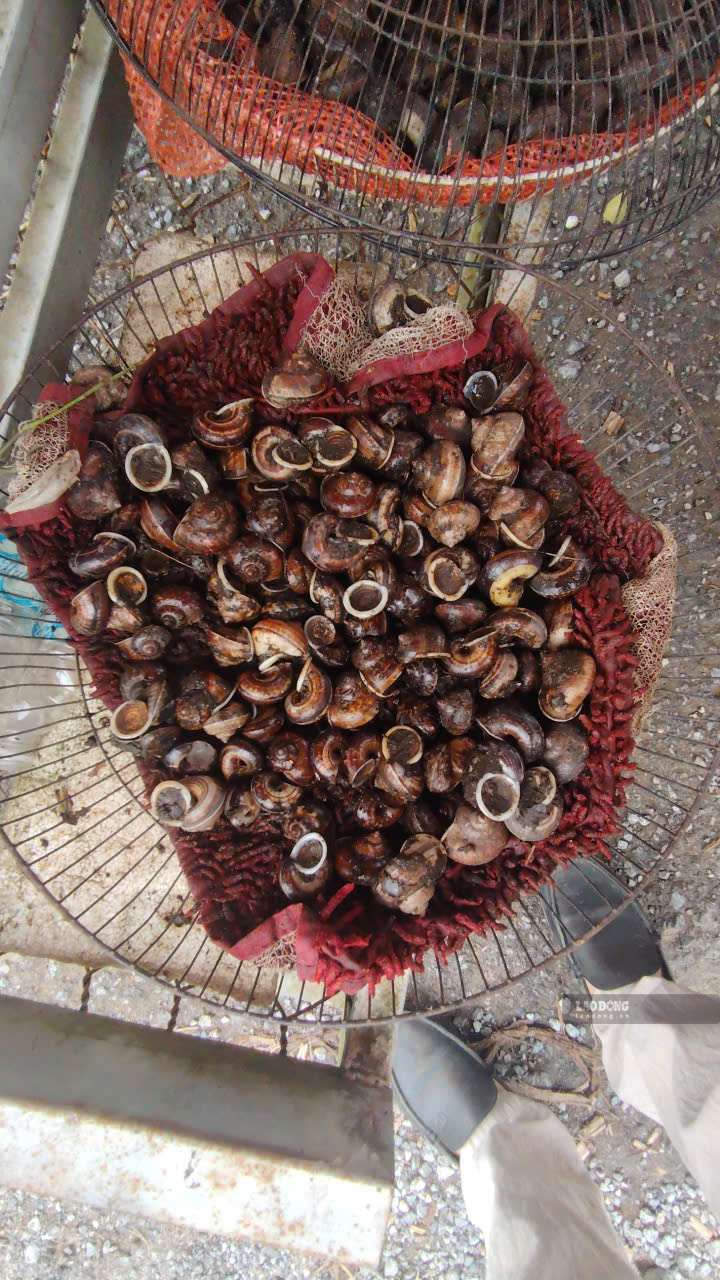
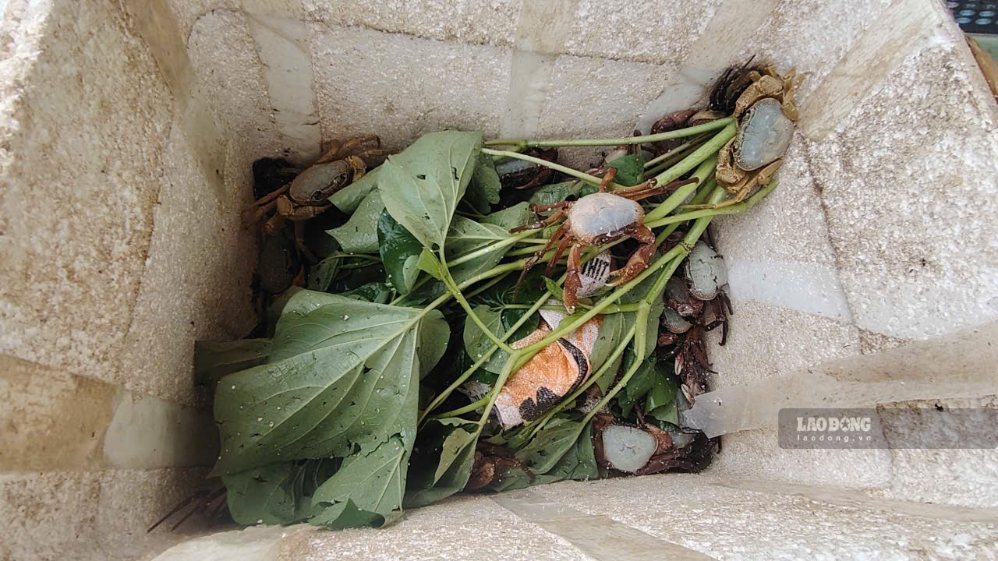
Many tourists also expressed interest when they first saw these specialties being sold right by the roadside.
Ms. Mai Thu Huyen (Hanoi) said that on her way to Cam Thuy (Thanh Hoa) for tourism, she encountered many signs selling rock crabs and rock snails along the Ho Chi Minh trail, passing through An Binh commune.
Curious because she had never seen these specialties sold on the roadside, Ms. Huyen stopped to learn and was delighted when rock snails and rock crabs looked very different. Ms. Huyen had time to buy 1 kg of each type to enjoy.
Mr. Bui Van Quang, Lac Thuy commune, said that rock snails are also called mountain snails or medicinal snails by people. This species often lives in rock crevices, limestone mountain caves and small streams in the middle of the forest.
Stone snails often hide in the dry season. When the early rains make the soil and rocks wet, they leave their shelter to find food.
People often go snail hunting at night. They use flashlights to search under rotten leaves, around tree roots and rock crevices to find small snails.
Stone snails have a thick, dark brown shell. The snail body is round and slightly flat. Local people believe that this snail species has a characteristic flavor because they eat many types of forest leaves.
The Muong people here have long included rock snails in their meals. People often steam snails, stir-fry them with betel leaves or process them with herbs.
Many people still maintain the habit of eating the intestines of snails. According to folk beliefs, this part contains essences from forest plants that snails eat.
Stone snails are not only a rustic dish but have also become a source of income for a part of the mountainous people.
After each rain, snail hunters bring baskets and flashlights into the forest. They follow wet areas to find products.
Ms. Bui Thi Van, in An Binh commune, said that one night she went for more than 3 hours and caught nearly 2 kg of snails. These snails were sold the next morning at a price of about 80,000 VND/kg.
Thanks to social networks, some people have received orders from other areas. Many traders also come to collect them to bring this specialty to cities.
However, the source of rock crabs and rock snails depends entirely on nature, not always available.


