
The huge warehouse behind the door is always closed.
The closer to Tet Nguyen Dan, the stronger the demand for Tet confectionery and jam in Hanoi increases. The Tet food market becomes more vibrant than ever, leading to the risk of unknown origin and poor quality food secretly creeping into each family.
Although functional forces continuously open peak inspection and handling periods, reality shows that floating Tet jams and "four nothings" (no labels, no origin, no expiration date and no ingredients) have persistently existed for many years.
In the role of someone who needs to buy large quantities of Tet jam for gifts and redistribution, Lao Dong Newspaper reporters contacted many wholesale distributors in Hanoi to record the reality behind the Tet jam market.
To approach a wholesale merchant specializing in Tet jam in Xuan Phuong ward, reporters had to spend many days contacting, persuading and building trust. The woman claiming to be the warehouse owner on Xuan Phuong street showed obvious caution from the beginning.
I don't have time to receive customers directly, there are a lot of orders in the last days of the year. I send product codes, quote prices via Zalo, if you like it, we'll finalize it, we'll deliver it to your place," this person said.
Only after the reporter confirmed that she would take a large quantity of goods, did the woman agree to go to the place to choose goods.
The meeting point is number 22, alley 422 Xuan Phuong street. From the outside, this warehouse completely has no signs, no billboards, the gate is always closed, not showing that this is a place to trade Tet food.
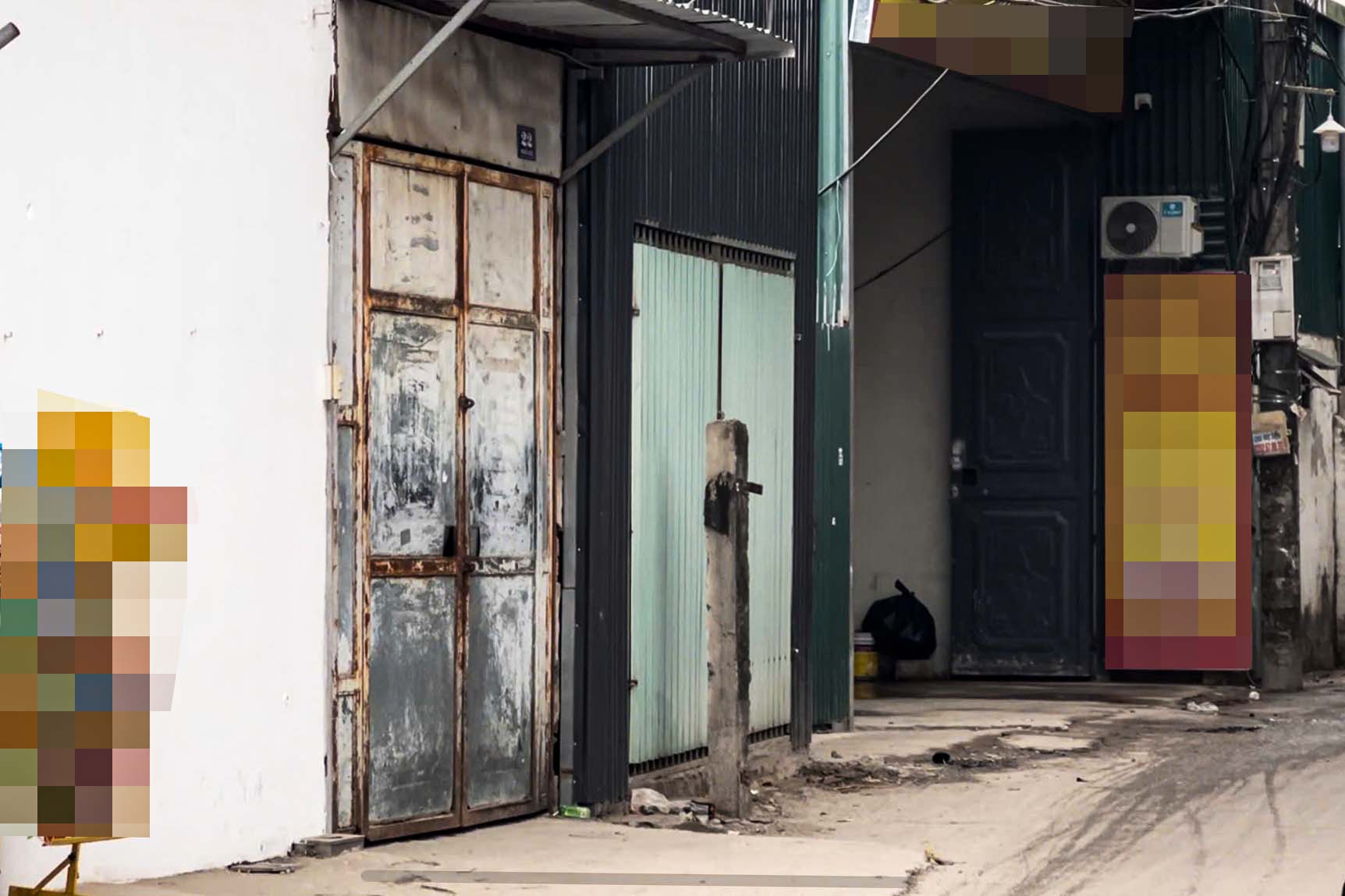
The door is always closed to avoid strangers," a young woman opened the gate to welcome reporters and said.
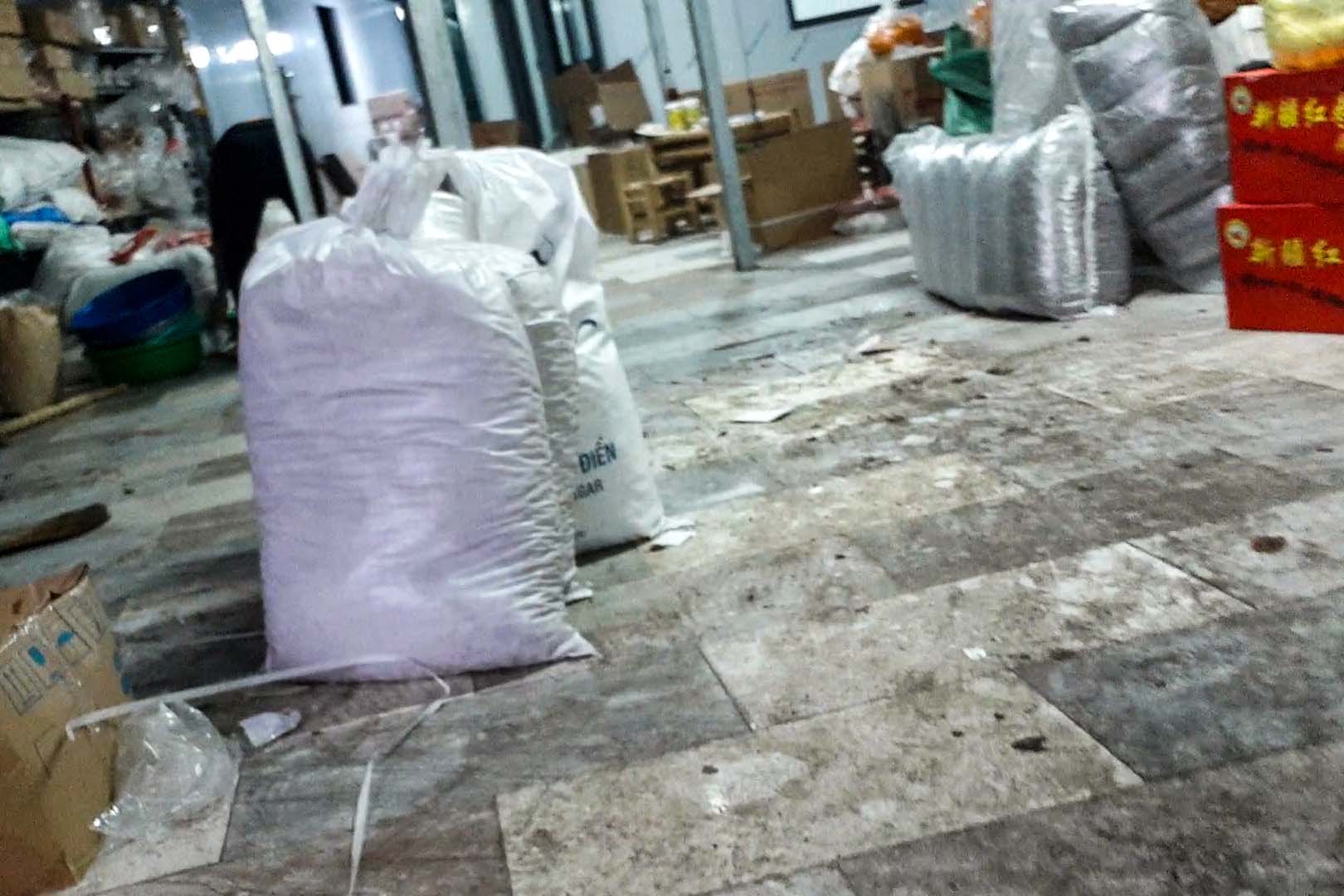
Through observation, this address is actually a system of temporary houses with corrugated iron roofs, close together, divided into many separate warehouses. Deep inside, workers are busily loading and unloading goods, packaging and moving to points to serve the Tet market.

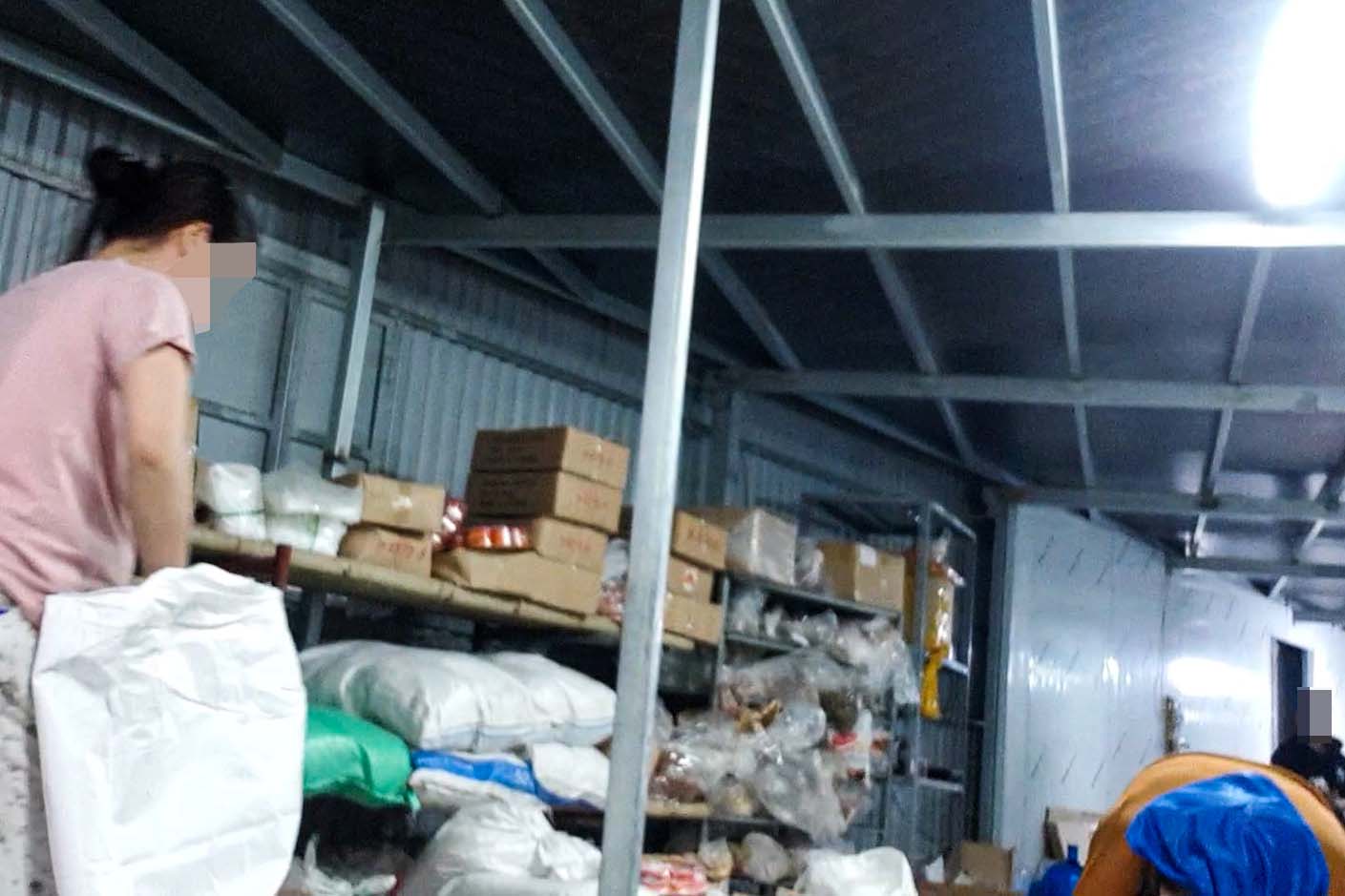
The other area cannot enter, Tet jam and ô mai are elsewhere. Please choose quickly, we don't have long-term support," the guide continuously urged.
The reporter's warehouse was filled with jams, ô mai, sunflowers, sweet sticky rice cakes... rudimentarily packaged, piled on dirty soil and old shelves.
Worryingly, many types of wet jam such as star fruit jam, apricot jam, plum jam have a sticky texture, high humidity but are poured directly into buckets, plastic basins, the mouth is loosely wrapped, and flies fly around.
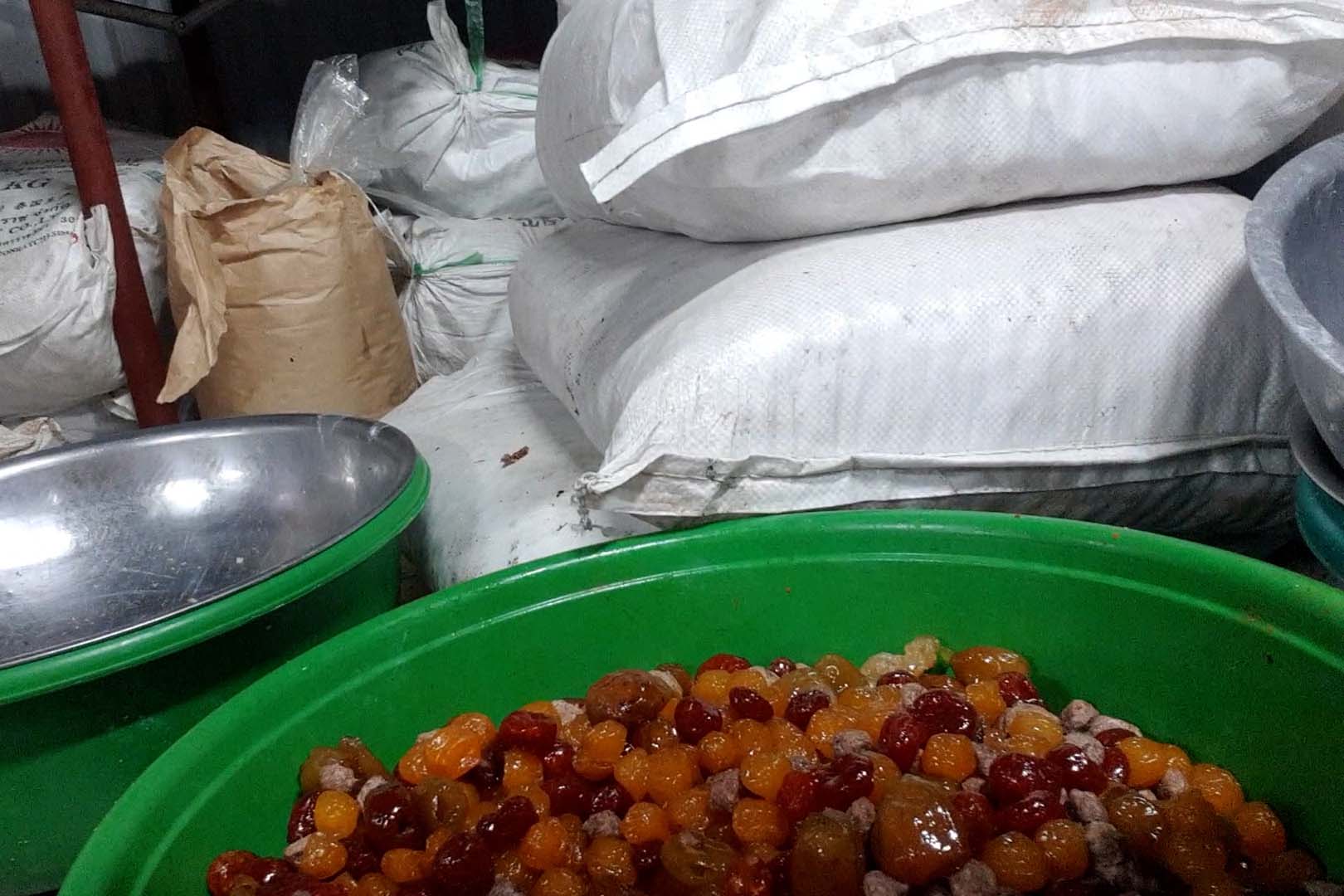
In the middle of the messy warehouse, the woman continuously offered: "500g box of lục lăng jam wholesale price 60,000 VND, oval box 48,000 VND. Plums are out of stock, if you take them immediately, you have to accept a price of 85,000 VND/kg".
According to this person, all kinds of jams will be filtered, then packaged into Tet gift boxes to be sold on the market for higher profits.
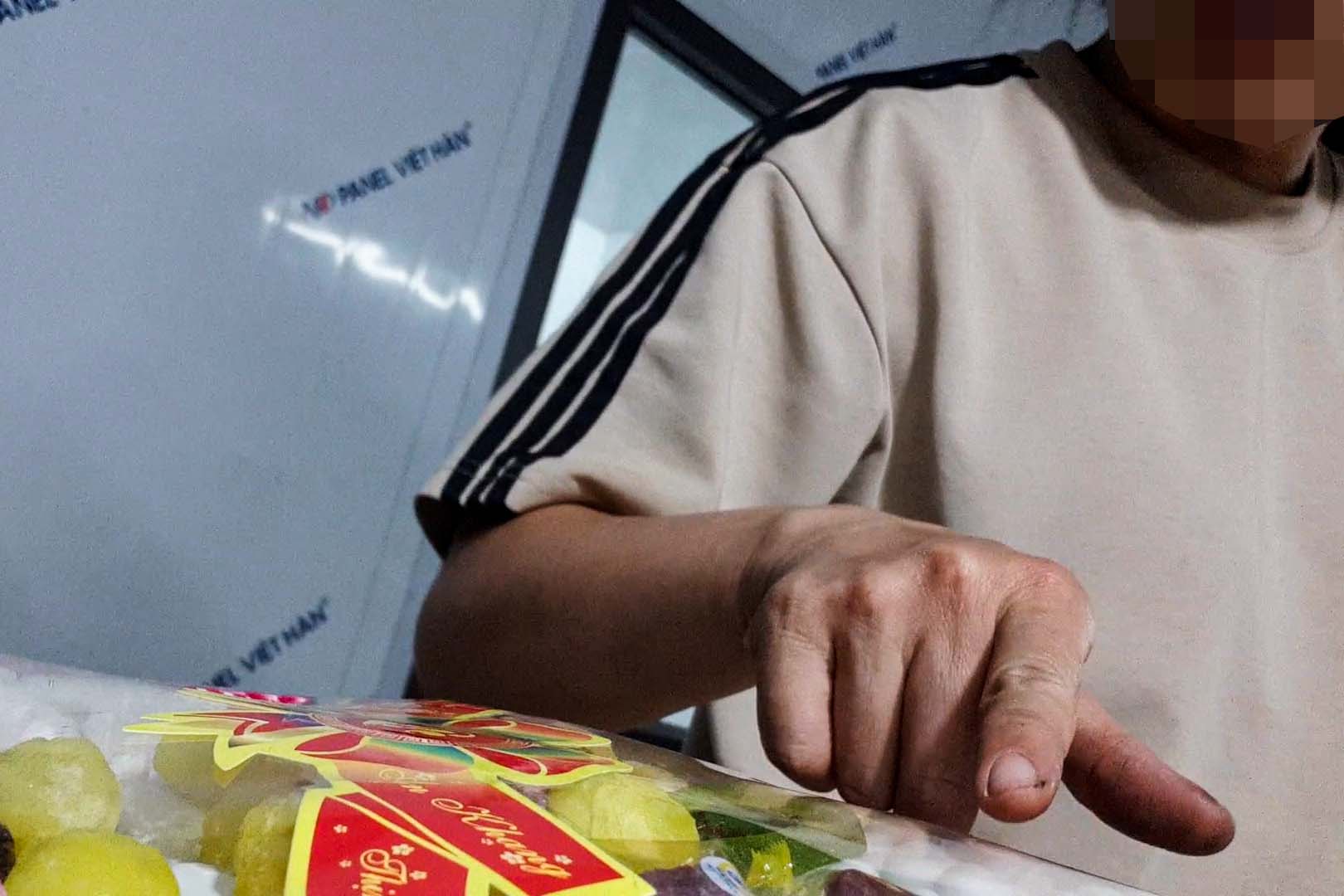
When reporters asked about the expiration date and origin of the product, the seller frankly said that most types of jam at the warehouse must "run the date" before reaching consumers. The expiration date printed on the packaging is entirely decided by the seller, depending on the time of delivery.
Notably, when raising the issue of issuing VAT invoices for the shipment planned to be purchased, the woman did not hesitate to reveal: "Not every code can issue an invoice, only a small number.
This means that most of the Tet jam being traded at this warehouse does not meet the legal conditions for official circulation in the market.
Traditional Tet jam craft village: "Handi-processing, brand labeling is decided by the buyer"
Not stopping at temporary warehouses, reporters continued to Xuan Dinh confectionery village, which is considered the traditional Tet jam production capital of Hanoi.
These days, the atmosphere here is extremely bustling, people coming in and out to buy and sell are bustling.
At a well-known establishment named "Minh Y Tet Jam" in alley 42 Xuan Dinh street, reporters were received by a young woman named Thu (name changed), born in 1996. Thu said that at this time, the number of orders from general warehouses and distribution outlets pouring in is very large.
When asked if he could take Minh Y's goods to label other units, Thu admitted that this is something "that many parties are doing".
Some customers take it themselves to box, some customers from our side are large companies that import goods and then self-label the brand. Invoices are issued according to each product code, depending on which type the customer needs," Thu said.
Also according to Thu, distributors can completely take jam from Minh Y, then label it as self-produced to sell on the market. Invoice issuance is also "flexible", as long as it suits the needs of the buyer.
Regarding legal documents, Thu affirmed that the facility has full input and output documents because at the end of the year, functional forces inspect very strictly. However, when reporters requested to visit the production area, this person refused on the grounds that this is a sensitive time, easily inspected and handled.

If you want to visit, you must notify in advance, we will prepare carefully to film and take photos for advertising. It's not convenient now," Thu added, and revealed that if customers buy goods, they don't need invoices for all product codes to "save extra costs".
Reality records show that, from spontaneous warehouses to establishments bearing the name of traditional craft villages, Tet jam is still being produced, processed and circulated with many "gray gaps" in origin, hygiene conditions and legality.
Running dates", without labels, and flexible invoices are putting consumers at risk of using poor quality food, of unknown origin without knowing it.
In the context of high consumer demand during Tet, what reporters recorded shows that "four-no" Tet jam still easily finds its way to the market. When the origin is obscured and the expiration date may run after orders, the ultimate risk still falls on consumers.
Mr. Nguyen Dang Sinh - Chairman of the Vietnam Anti-Counterfeiting and Brand Protection Association - said that the act of selling counterfeit goods, smuggled goods, goods of unknown origin, especially for food and beverage products - shows disregard for the law, serious violation of current regulations, and even signs of criminal violations if the quantity of violating goods is large.
Functional agencies must strengthen inspection and control, and fulfill responsibilities thoroughly within their authority. Absolutely do not allow the situation of "hitting the drum and letting go", only inspecting and handling the tip of the iceberg, then violations continue.
State management agencies are given powerful tools to inspect and control the market and handle violations. However, if violations still exist in the managed area, then these agencies must be responsible," Mr. Sinh affirmed.


