
After implementing the 2-level local government model and arranging commune-level administrative units, in Tuyen Quang province, on average, each commune and ward has more than 30 villages and residential groups. This creates great management pressure on the local government.
According to statistics, Tuyen Quang province still has 3,257/3,802 villages and residential groups that do not meet the standards in terms of scale, accounting for 85.66%. The reasons are mountainous areas, difficult terrain conditions, and traffic, many ethnic minorities, and dispersed populations.
Therefore, the arrangement of villages and residential groups is done step by step, at each time and in accordance with the model of local government as well as the actual conditions of mountainous, border, remote and isolated areas.
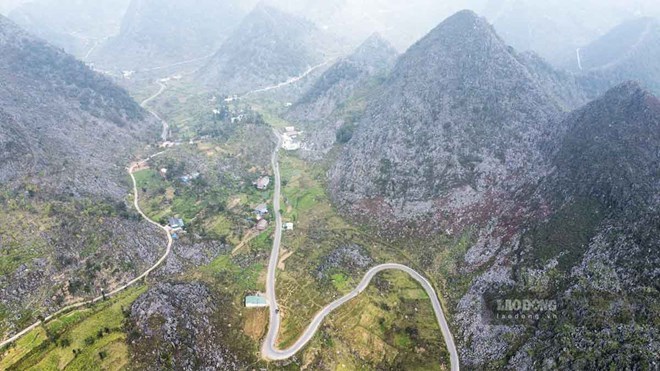
In Tung Vai border commune, after the merger, this locality has an area of nearly 15,000 hectares with 27 villages. The area is large but in reality the population is only 11,369 people of more than 2,400 households. Most of these are subject to rearrangement.
Mr. Nguyen Van Ly - Chairman of the People's Committee of Tung Vai commune said that the commune currently has 25/27 villages with household sizes lower than the prescribed standards for mountainous and border communes, 19/27 villages with a population size of less than 100 households.
The government of Tung Vai commune has conducted a field survey, collected people's opinions, and at the same time developed a plan to arrange and reorganize the village in a strict manner, ensuring consensus among the people as well as being suitable to the actual conditions of the mountainous and border areas.
The commune has 2/27 villages that have not been merged, 25 villages are rearranged to 11 villages. After arrangement, the whole commune has reduced from 27 to 13 villages, ensuring full compliance with the set criteria, especially for mountainous and border areas. This is of great significance in helping to improve the efficiency of state management at the grassroots level," Mr. Nguyen Van Ly informed.
According to the direction of Tuyen Quang province, after arranging, each village has 150 or more households, and residential groups have 300 or more households. The arrangement of villages and residential groups must be associated with consolidating the organization of Party cells, associations, and mass organizations at the grassroots level.
At the same time, arranging the contingent of officials in the direction of promoting the role of reputable and experienced people in the community and paying attention to young officials with information technology qualifications. Excess cases will have support plans to ensure legitimate rights.
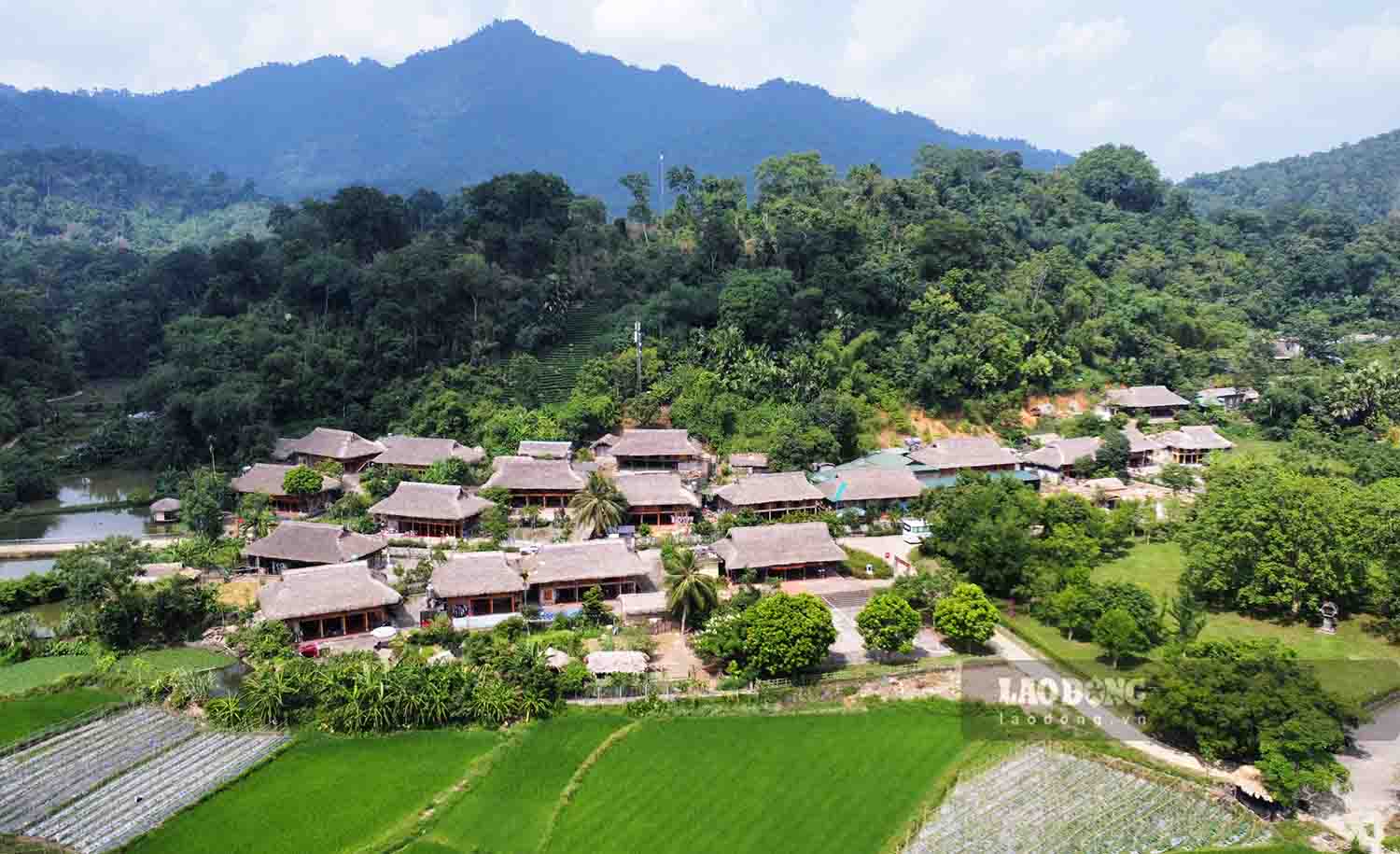
In fact, many people who have worked in villages and residential groups for many years are attached, so when implementing arrangement and merger, they cannot avoid feelings and concerns. However, before the methodical and cautious approach, cadres and party members all show consensus for the common good.
Mr. Hau A Lenh - Secretary of Tuyen Quang Provincial Party Committee said that arranging villages and residential groups is an important task, requiring the involvement of the entire political system. The arrangement must ensure to be placed under the direct and comprehensive leadership of the Party Committee, promoting the people's right to mastery and the supervision of the Fatherland Front and socio-political organizations.
This is not only an inevitable requirement in the process of renovating the organizational structure but also an important preparation step to build a streamlined, effective, and efficient grassroots political system, meeting the development requirements of the province in the new era," emphasized the Secretary of the Tuyen Quang Provincial Party Committee.
According to the plan, the arrangement of villages and residential groups in Tuyen Quang province will be completed before June 30.


