
Avoid mechanical mergers in mountainous areas
On June 1st, according to PV's records, Cao Bang Provincial People's Committee issued Plan No. 1705/KH-UBND and Guidance No. 1704/HD-UBND on arranging villages and residential groups; arranging, using and resolving regimes and policies for non-specialized workers at the grassroots level.
According to the implemented plan, the village after arrangement must ensure a scale of 150 households or more, and the residential group from 300 households or more.
However, mountainous areas, ethnic minority areas, border areas or places with complex dividing terrain will be considered for application of specific criteria.
As a mountainous province with dispersed population and difficult traffic in many places, Cao Bang determines that the arrangement must be flexible and suitable to the actual conditions of each locality.
According to Ms. Ly Thi Hue - Director of the Department of Home Affairs of Cao Bang province, through initial review, the proportion of villages and residential groups subject to arrangement in the province reached over 40%.
Providing additional information, the Director of the Provincial Department of Home Affairs said that the Department requests localities to carefully review and closely follow the specific criteria of mountainous provinces such as divided terrain, remote and isolated areas, border areas and residential areas formed from the migration policy to protect the border.
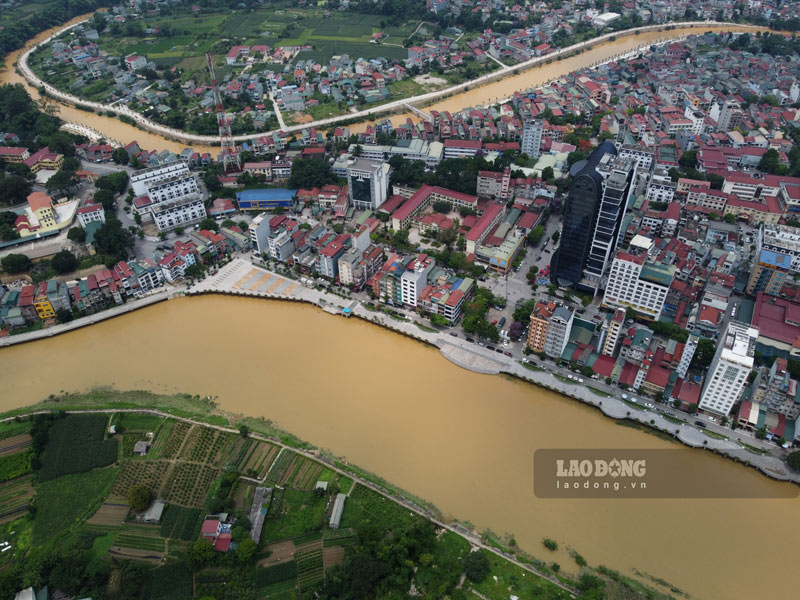
In Hoa An commune, the locality currently has 42 hamlets and residential groups with more than 4,480 households and nearly 20,000 people. According to the planned plan, after arrangement, the commune will have 27 hamlets.
Among them, 29 hamlets will be merged into 14 new hamlets, and the remaining 13 hamlets and residential groups will remain unchanged.
Information from the Hoa An Commune Party Committee, the locality has completed the initial review and collection of people's opinions. Most people agree with the arrangement policy.
However, the commune currently has 4 hamlets that have not met the criteria of 150 households, including Lung Phay, Duc Xuan, Binh Luong and hamlet 5 Be Trieu. These are highland areas, mainly where Mong and Dao people live or have isolated terrain.
After taking opinions, officials and people in the hamlets all want to maintain the status quo because the merger will be very difficult in management as well as community activities," the Hoa An Commune Party Committee informed.
As a person in the central area of the province, I find everything convenient, but remote and isolated hamlets, mountainous and hilly areas that are too mechanically merged will be difficult for people, village meetings also have to go far," shared Mr. Nong Van Hung (Thuc Phan ward).
In Nguyen Binh commune, the locality plans to reduce from 25 hamlets to 12 hamlets after arrangement. However, the personnel problem is posing many challenges.
Mr. Nong Minh Thang - Secretary of the Party Committee of Nguyen Binh commune - said that through review, most hamlet heads and party cell secretaries currently wish to resign after the arrangement is implemented.
The locality is continuing to mobilize people with qualifications, experience, and prestige to participate in the leadership apparatus of the new hamlets to ensure stable operation after the merger," Mr. Thang said.
Not only is there a reduction in focal points, many localities also expressed concern about the increased workload after the merger.
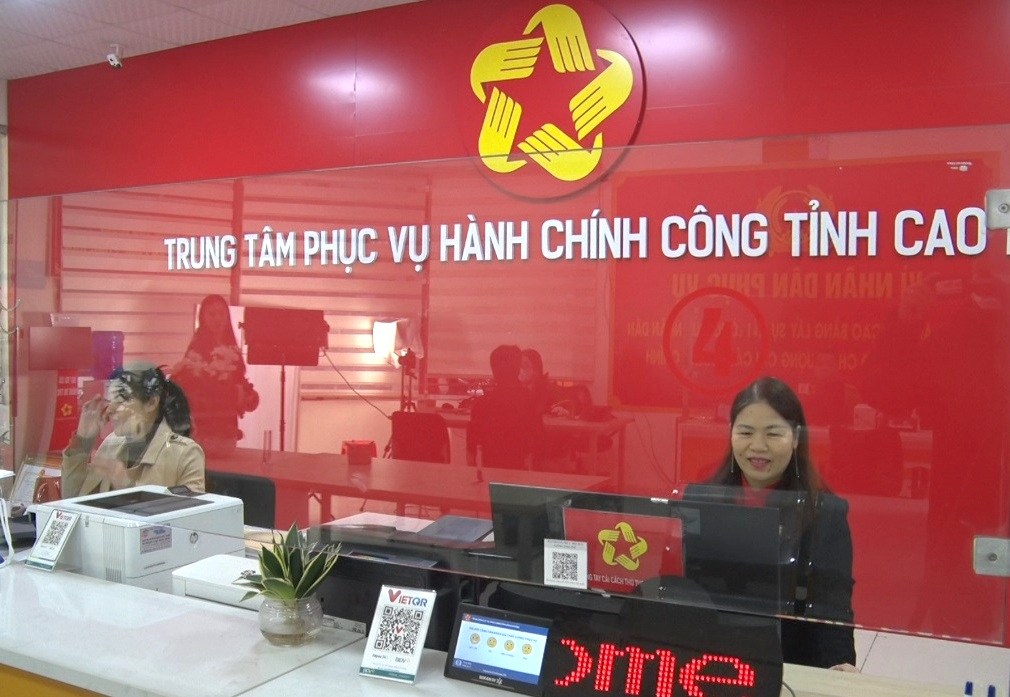
Many opinions expressed that for hamlets with a scale of 150 households or more, if the hamlet head concurrently holds the position of Party cell secretary, the workload will be very large.
According to the roadmap set out by Cao Bang province, the collection of people's opinions, completion of the project and approval of the village and residential group arrangement plan will be completed before June 30, 2026.
This arrangement is expected to contribute to streamlining the apparatus, improving the effectiveness and efficiency of the grassroots political system, and at the same time creating a foundation for the operation of the two-level local government model in the coming time.
Policies for non-specialized workers
In addition to the work of arranging villages and residential groups, the arrangement and use of non-specialized personnel is also directed to be implemented publicly and transparently, prioritizing people with capacity, prestige, experience and the ability to apply information technology.
Excess cases are resolved with regimes and policies fully and promptly according to regulations, ensuring legitimate rights.
The Provincial People's Committee requests agencies and localities to report on the progress periodically every week; promptly handle arising problems, ensuring to maintain political security stability and social order and safety in the area.


