
According to the plan, by 2030, Ho Chi Minh City will complete 6 more metro lines, increasing the total length of the urban railway network to about 187 km.
Lines include: Metro line No. 2 (Ben Thanh - Tham Luong section); Metro line No. 2 (Ben Thanh - Thu Thiem section); Ben Thanh - Can Gio Metro; Thu Thiem - Long Thanh Railway; Metro line No. 1 extended (New Binh Duong City - Suoi Tien) and Metro line No. 6 phase 1 (Tan Son Nhat - Phu Huu).
In the period 2030 - 2035, Ho Chi Minh City continues to invest in 8 more routes with a total length of about 275 km, increasing the scale of the entire network to 462 km.
The problem posed is not only the progress or capital, but also the selection of technology that is modern enough, compatible and capable of interconnection between routes.
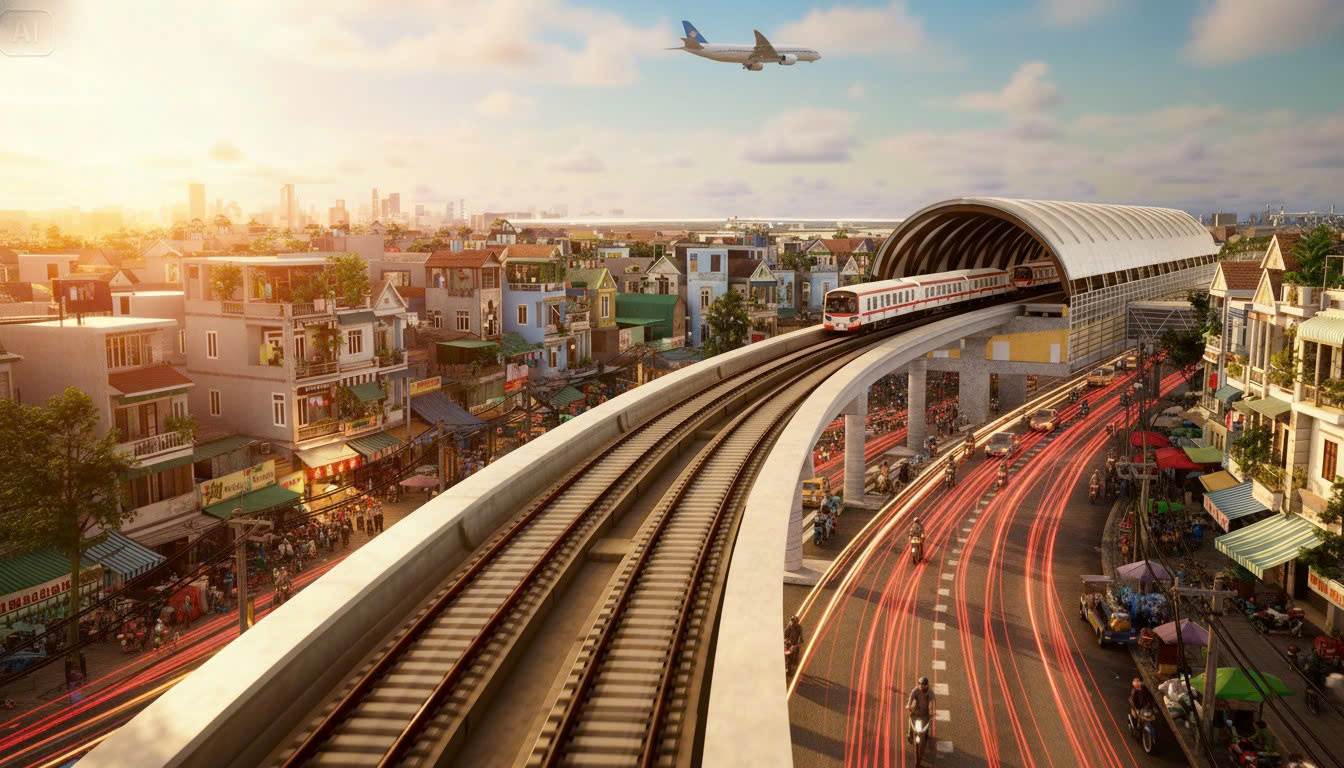
On January 15, 2025, Ho Chi Minh City started construction of Metro Line 2 (Ben Thanh - Tham Luong).
According to Mr. Bui Xuan Cuong - Vice Chairman of Ho Chi Minh City People's Committee, this is a pioneering project in a new development phase, playing a directional role for the entire urban railway system.
Metro Line No. 2 is the first project to apply special mechanisms from Resolution 98 (now Resolution 260) and Resolution 188. These mechanisms allow Ho Chi Minh City to be more proactive in deciding route options, allocating capital, selecting technology and organizing project implementation.
Notably, the regulations and technical standards of Metro Line 2 will be used as a basis for building a common set of standards for the entire city's metro network. This standard system is oriented towards universality, modernity, in line with scientific and technological trends, ensuring the ability to upgrade, expand and technical compatibility between lines.
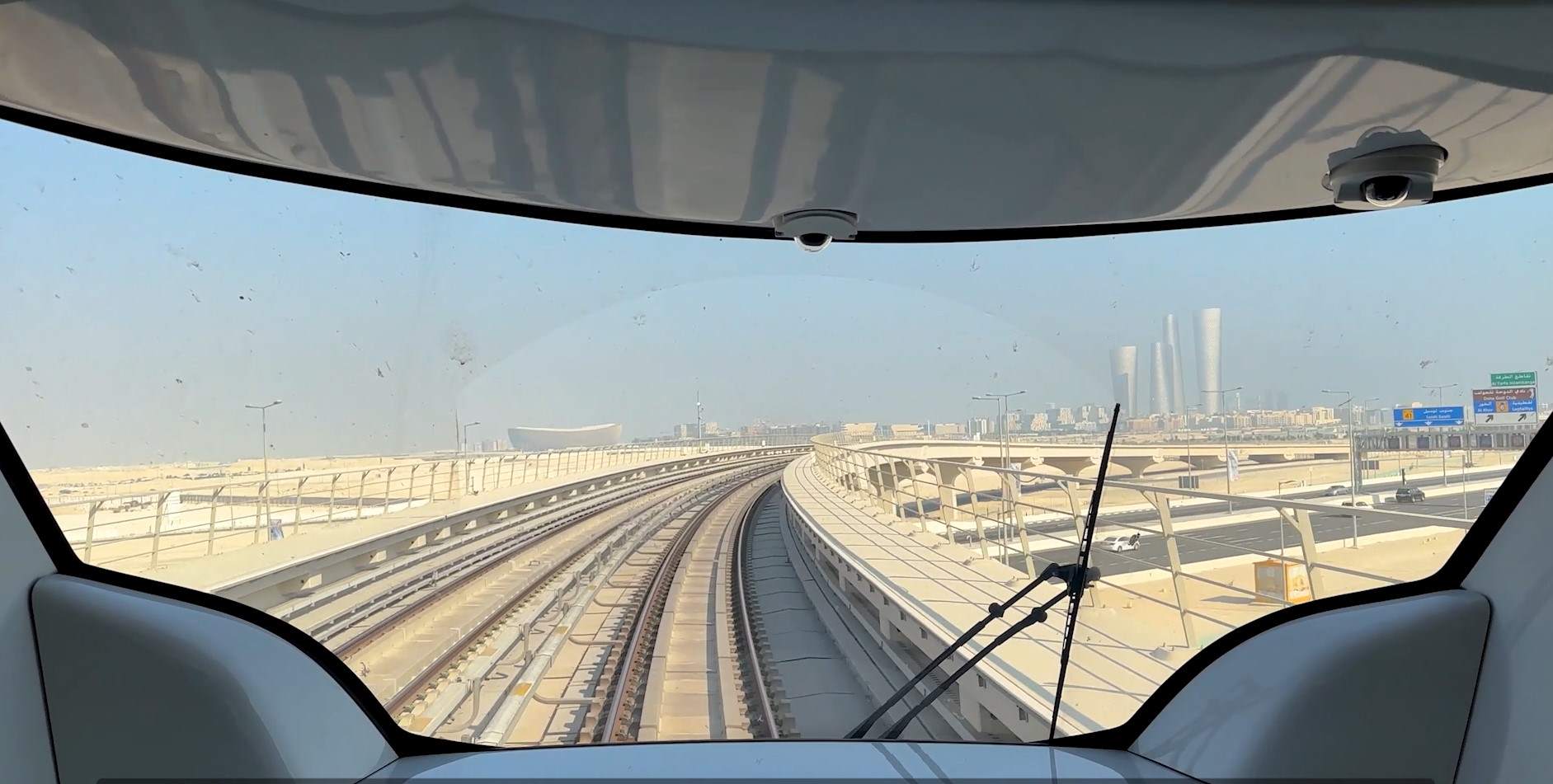
According to Mr. Phan Cong Bang - Head of the Ho Chi Minh City Urban Railway Project Management Board (MAUR), the technology applied to Metro Line 2 ensures synchronous connection with Metro Line 1 (Ben Thanh - Suoi Tien) and future routes.
The route is oriented to apply the European standard system, integrate advanced technical solutions and fully comply with current Vietnamese regulations.
The project uses an elevated power supply method with a voltage of 1,500 V in one direction - a popular solution in the world, with high stability, good economic efficiency and suitable for high-density urban conditions.
In addition, the renewable energy recovery system from train brakes is integrated, allowing reusing of electricity generated during braking, contributing to energy saving and emission reduction, in line with the orientation of green and sustainable transportation development.
The Automatic Ticket System (AFC) is also upgraded according to the new trend, ensuring network-wide interconnection, helping passengers use a unified, flexible and modern payment method.
The highlight of Metro Line 2 is the upgrade of automation to GoA4 - the highest level currently in urban railway operation. At this level, trains can operate completely automatically, without train drivers or staff on board.
Automatic functions are comprehensively deployed, from starting, self-technical inspection, putting trains into operation, stopping - leaving stations, rotation, cabin conversion, to bringing trains to the depot and switching to rest mode.
In case of emergency or when special requirements arise, operating staff at the Control Center (OCC) can intervene remotely such as activating emergency brakes, opening/closing train doors, adjusting air conditioning systems... Thereby ensuring maximum safety for passengers and maintaining stable operation throughout the route.


