
Cataracts are common diseases in the elderly
After the appearance of blurred vision and frequent black spots in front of her eyes, Ms. Hoang Thi Ninh (Ninh Binh) went for an examination and was diagnosed with cataracts, her vision was only 3/10. Previously, she had surgery on one eye. After her vision improved significantly, this year, she decided to continue surgery on the remaining eye with the desire to see more clearly and improve the quality of life.
“Operation is painless, the implementation time is fast. After surgery, I see more clearly, so I am very excited,” Ms. Ninh shared.
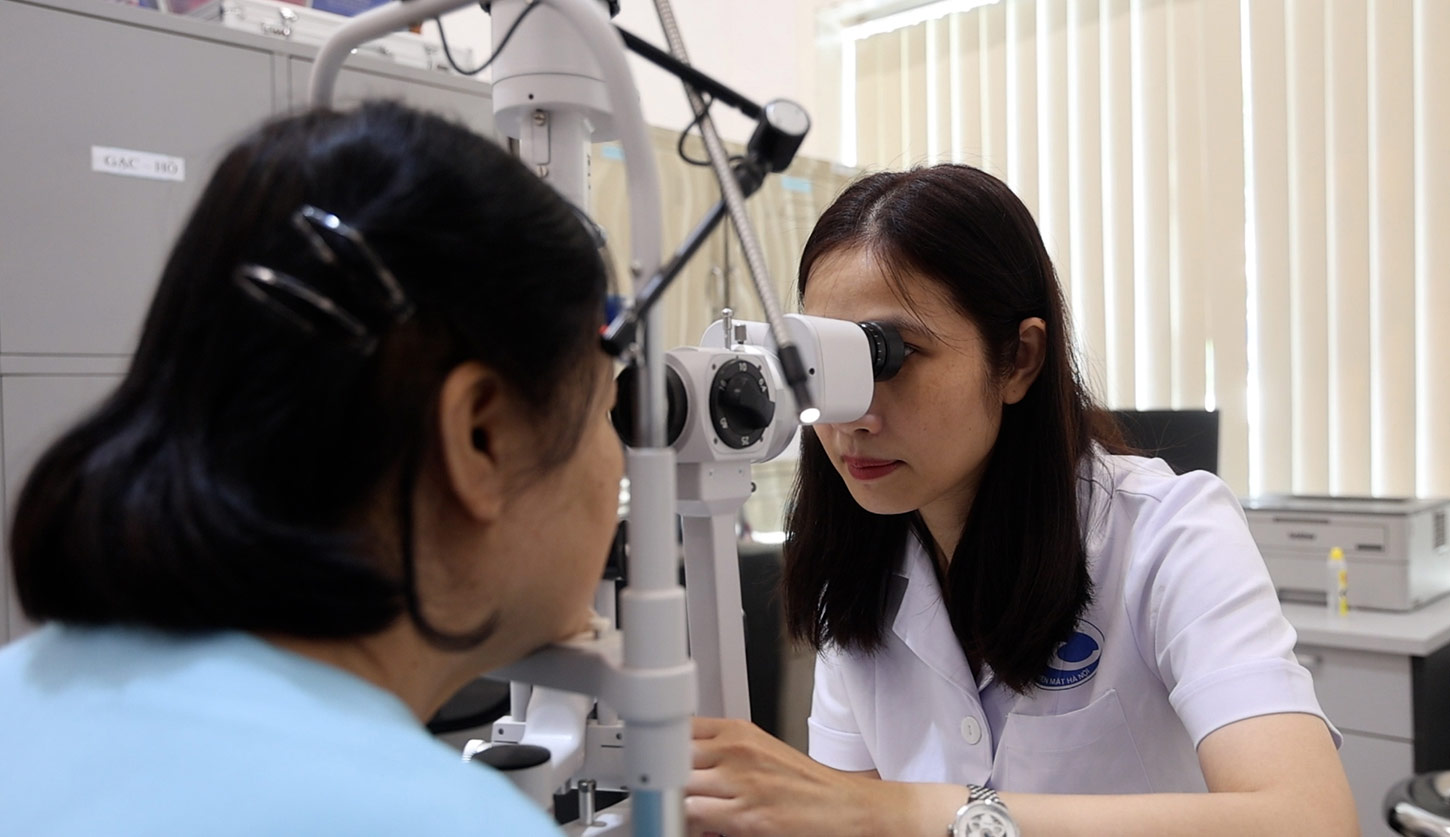
Not only Ms. Ninh, Mr. Nguyen Duc Khac (Hanoi) was also diagnosed with cataracts. Previously, he had blurred vision and had surgery on one eye. According to the doctor, this is a suitable time for surgery.
I hope that after surgery, the remaining eye will also become bright and see as clearly as the opaque eye," Mr. Khac said.
According to MSc. Dr. Tran Thi Le Hoa - Deputy Head of the General Department, Hanoi Eye Hospital, the hospital performs about 40-50 cataract surgeries every day, showing that the number of patients is quite large, especially in the elderly group.
Take good eye care, get regular check-ups to reduce the risk of disease
MSc. Dr. Tran Thi Le Hoa said that in the initial stage, cataracts progress silently and usually do not cause pain, causing many people to subjectively assume that it is just a manifestation of eye aging with age.
However, there are some early signs to note including: blurred vision such as mist covering in front of your eyes; phenomenon of "continuous glass changes" or "hypoopia"; dazzling eyes when going out in the sun or when encountering traffic lights at night; colors become lighter, turning yellow or brown compared to before.
If not detected and treated promptly, cataracts not only impair vision but also significantly affect the patient's life, ability to work and quality of life.
According to Dr. Hoa, age is the main cause of cataracts in the elderly. However, modern lifestyles and some underlying diseases can promote the process of cataracts aging faster, such as frequent exposure to ultraviolet rays from sunlight, blue light from electronic devices, diabetes or abuse of corticoid-containing drugs.
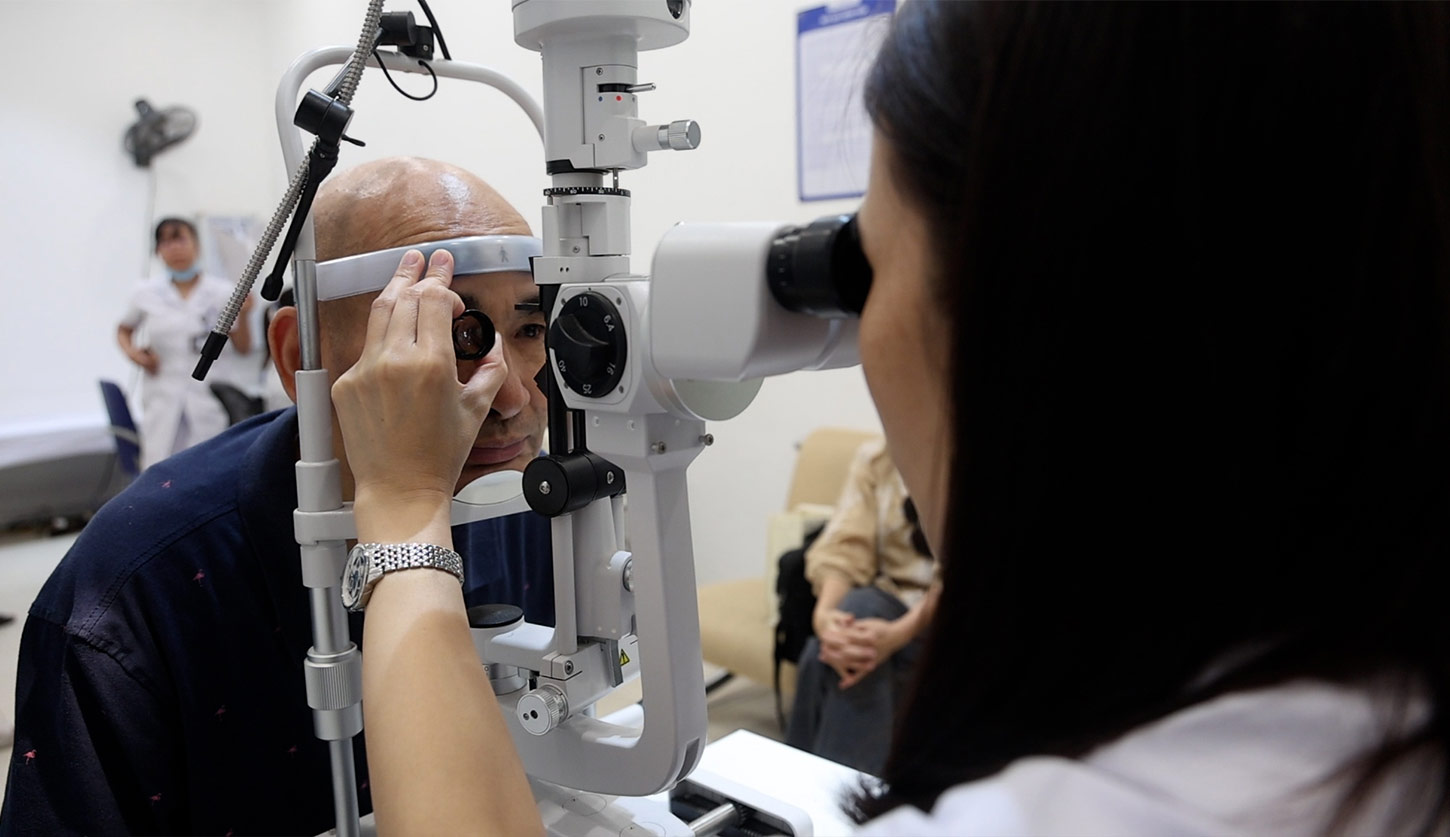
Dr. Hoa recommends: "People aged 40 and over, especially people over 60 years old or with underlying diseases such as diabetes, hypertension, should have regular eye exams at least once a year. When signs such as blurred vision, blurred vision or abnormal vision changes appear, it is necessary to go for an early examination to be detected and treated promptly, avoiding the risk of serious vision impairment.
To reduce the risk of disease, people should proactively protect their eyes from sunlight by wearing UV-resistant glasses and a wide-brimmed hat when going out. When using a phone or computer for a long time, the 20-20-20 rule should be applied: After each 20 minutes of work, look away about 20 feet (about 6m) for 20 seconds to relax your eyes.
In addition, it is necessary to control underlying diseases well, maintain a diet rich in antioxidants, vitamins A, C, E, lutein and zeaxanthin found in dark green vegetables, cauliflower, red or yellow fruits. At the same time, absolutely do not arbitrarily use corticoid-containing eye drops without the prescription of an ophthalmologist. These are important measures to help limit the risk of cataracts and protect vision for a long time.


