
When lover becomes the only source of life
According to psychologist Do Thi Hong Minh, NHC Vietnam Center for Human Development and Psychology, one of the issues that needs to be identified is emotional dependence.
An emotionally dependent person is not simply someone who "loves more than usual". The problem lies in the fact that they see their lover as the only source that helps them feel valuable, loved, safe and meaningful.
As dependence grows, breakup is no longer simply accepted as the end of a relationship.
The line between love and ownership
In healthy relationships, love goes hand in hand with respect for privacy, choices, and individual relationships. Conversely, when love turns into control, checking privacy, or more extremely, not accepting the other person to leave, it can become a worrying sign.
According to expert Do Thi Hong Minh, when love shifts to possessive thinking, the risk of control and violence will increase.
For some people, they carry a very big fear of being abandoned. They may have experienced trauma, rejection, betrayal or living in an environment where love always comes with conditions.
These experiences can form the belief that the person they love will eventually leave them. When carrying that fear, they become overly vigilant in relationships.
According to experts, what is worrying is that many of these behaviors are justified by the two words "concern".
If "care" causes the other person to lose privacy, lose social relationships, and no longer have the right to self-determination, it is no longer healthy care.
Warning signs not to be missed
According to psychologist Do Thi Hong Minh, the worrying sign is not that the two people have argued or been jealous, but in a repetitive control pattern, depriving the other person of privacy, freedom and choice.
Some common expressions are constantly asking your lover to report where he is, who he is with, checking his phone, email, social networks, or turning on GPS. Slow replying to messages can also become a cause of questioning and anger.
Loving someone does not mean having the right to own that person. Nothing to hide does not mean having to give up privacy," expert Do Thi Hong Minh analyzed.
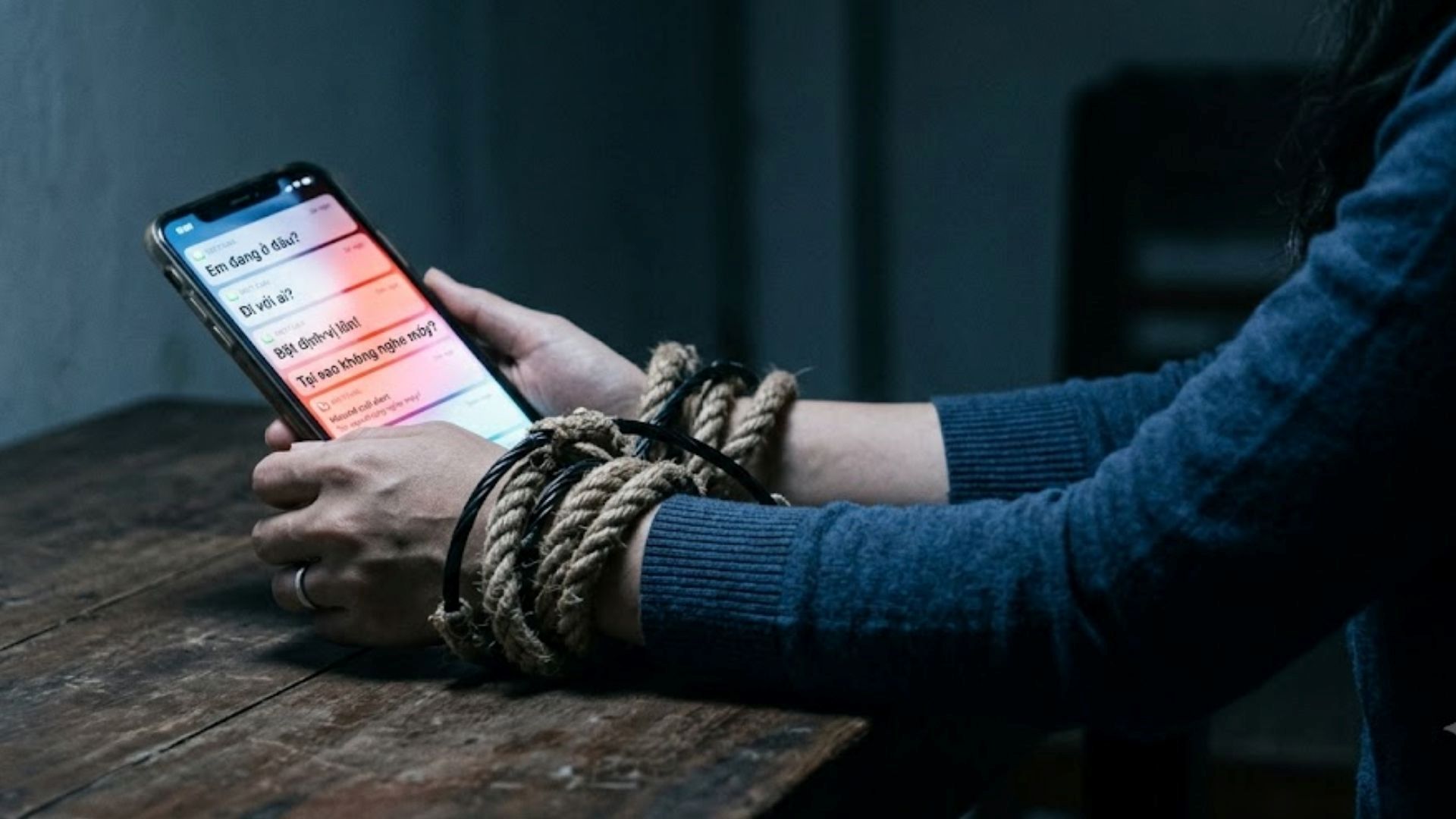
Besides controlling, isolating the other person from family and friends is also a sign to pay attention to. Words like "I don't like your friend", "Your friends are not good" or "Your family always interferes in our affairs" can cause a person to gradually narrow down social relationships and become more dependent on their lover.
According to experts, when external support networks are cut, identifying problems and finding ways to leave an unhealthy relationship also becomes more difficult.
From control to violent behavior
Expert Do Thi Hong Minh believes that violence in relationships usually does not appear suddenly but can start from seemingly small actions: jealousy, checking phones, forbidding friends, cursing, belittling, smashing things or threatening.
More notably are threats when someone wants to break up, such as threatening to hurt the other person, retaliate or harm themselves to hold on.
Threats should not be taken lightly, especially when accompanied by a long chain of controlled behaviors. Insiders need to seek support instead of enduring it themselves or trying to resolve it through confrontation," the expert emphasized.
From there, an important skill that has not been paid due attention to in young people is the ability to accept the word'no'.
In case you realize you are in an unhealthy relationship, it is important not to remain silent and endure, while proactively seeking support from relatives, friends or experts to protect your safety and choice.


