
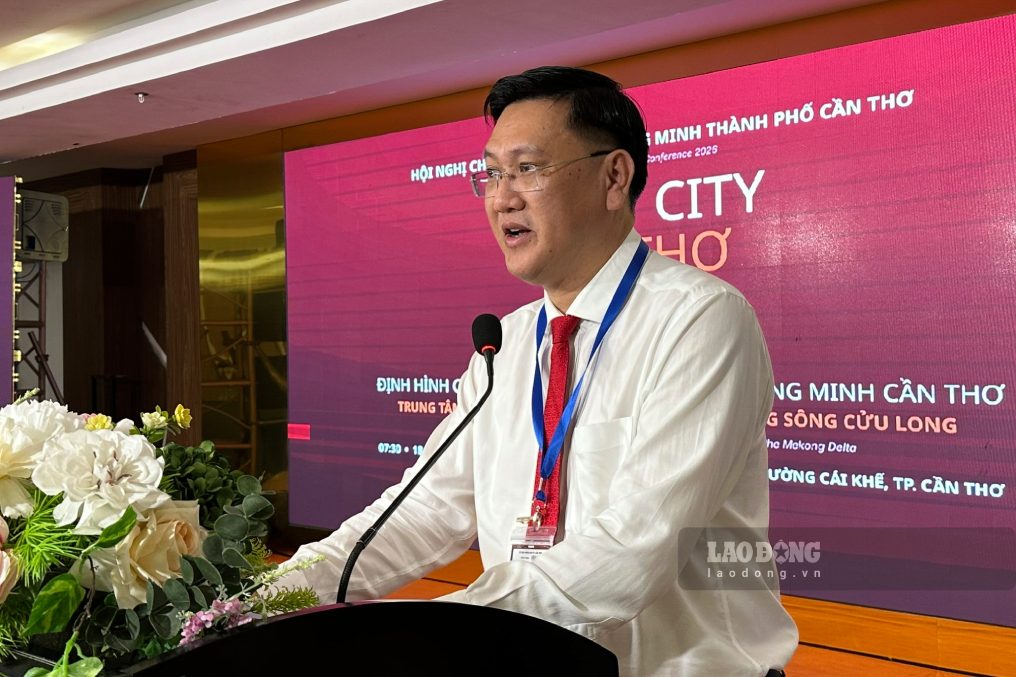
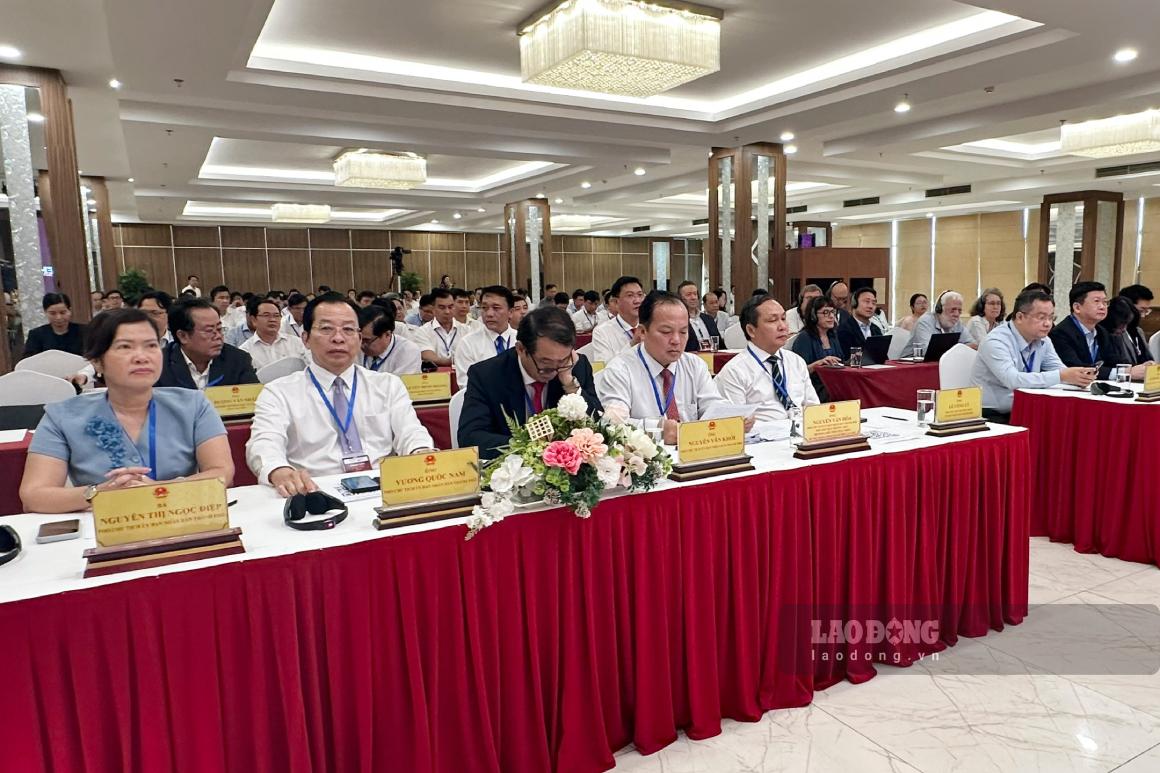
On July 18, the Can Tho City Smart City thematic conference with the theme "Shaping the strategy for smart city development in Can Tho - Innovation center of the Mekong Delta region" took place.
Mr. Mai Van Tan - Director of Can Tho City Department of Construction - said that after arranging administrative units, the locality has a natural area of more than 6,360 km2, a population scale of nearly 4.2 million people, and the whole city currently has 44 urban areas (including: 5 type II urban areas and 39 type III urban areas).
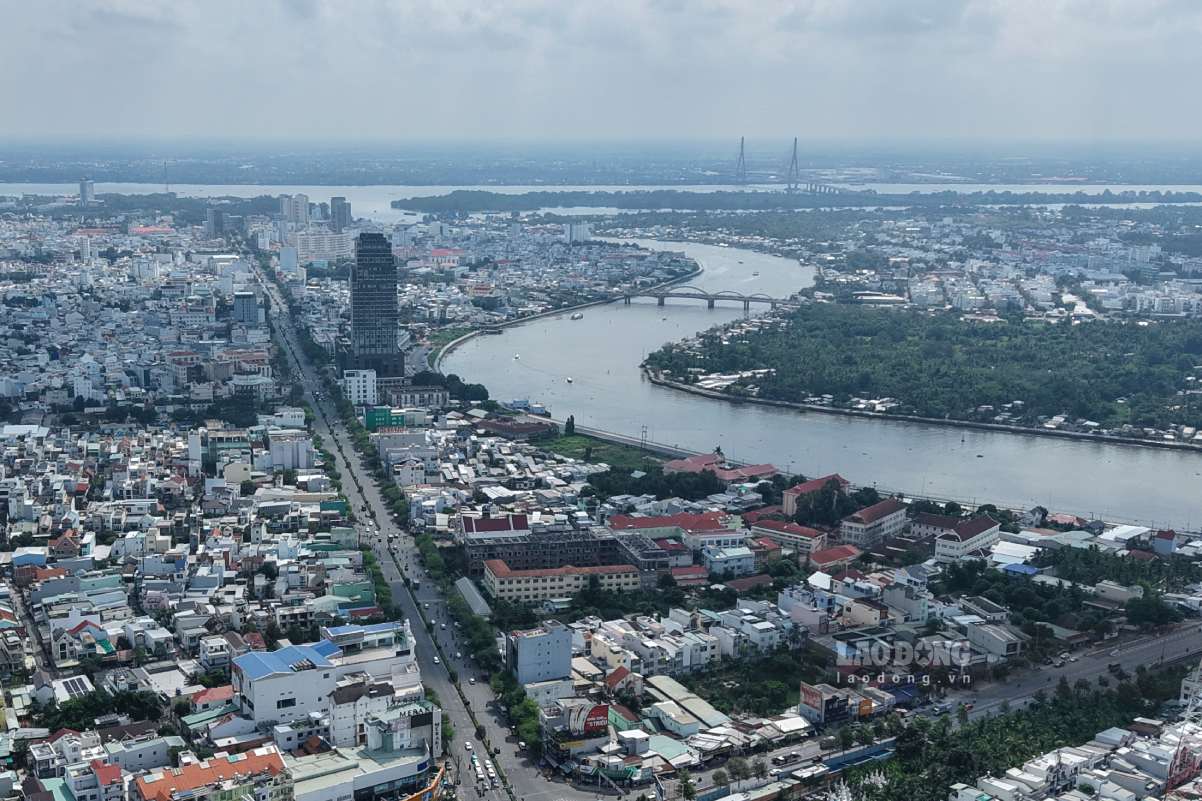
According to the 2021-2030 Plan, vision to 2050, Can Tho City is defined as a core urban area imbued with the riverine cultural identity of the Mekong Delta region, developing according to a green and smart urban model. The goal by 2030 is that Can Tho's urban system will meet the criteria of a type I urban area throughout the city, with 9 urban areas including Can Tho center, O Mon, Thot Not, Soc Trang, Vi Thanh, Nga Bay, Nga Nam, Long My, Vinh Chau.
Mr. Mai Van Tan said that this is a favorable condition for Can Tho to form a smart city model, with the stature of the Mekong Delta region; but also sets out the requirement to innovate management thinking, strengthen the application of science, technology and digital transformation in all urban development tasks.
Mr. Nguyen Van Hoa - Vice Chairman of Can Tho City People's Committee - informed that after the merger, the urban scale and population will be significantly expanded, the city has full conditions and potential to become the smart city center of the Mekong Delta region, leading the digital transformation of the region, associated with green transformation and sustainable development.
However, Can Tho cannot go alone in the process of sustainable smart city development. The role of the State is to create favorable institutions and environments, while resources and creativity come from public-private partnerships, from a team of experts, scholars and international organizations.
According to Mr. Nguyen Van Hoa, Can Tho needs to develop as the innovation center of the entire Mekong Delta region, instead of just focusing on the administrative boundaries of the city.
Digital transformation needs to be seen as the foundation of modern urban governance. In the coming period, the city will gradually build a unified urban data ecosystem, promote data sharing from the Central to local levels and between management agencies, and form an open data platform to serve people, businesses and research.
Vice Chairman of Can Tho City People's Committee clearly stated that smart city development must be associated with river and water identity, adapt to climate change and improve the quality of life of people.
The city will continue to research and apply international experiences in developing riverside spaces, public spaces and natural-based solutions; at the same time, build urban models that put people at the center, harmoniously combining planning, landscape, culture and technology," emphasized the Vice Chairman of Can Tho City People's Committee.


