
Hanoi is seeking opinions on a draft regulation on the management and use of old houses belonging to public assets in the city. Notably, Hanoi City proposes to empower the Department of Construction in managing, leasing and selling old houses belonging to public assets.
The proposal to allow the conversion of social housing funds that are not sold out after 1 year and resettlement houses left vacant for 9 months or more to commercial housing is receiving many different opinions. However, many experts believe that this is a necessary solution to unlock resources and limit wastefulness of public assets and land funds in the context that the real estate market still has many inadequacies.
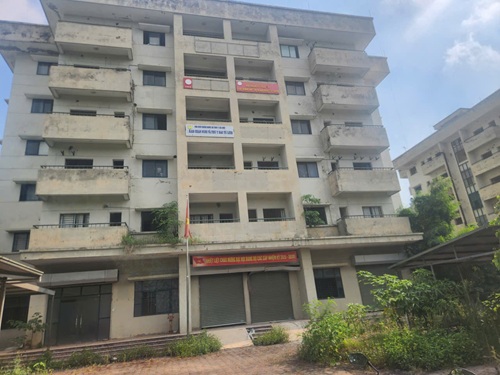
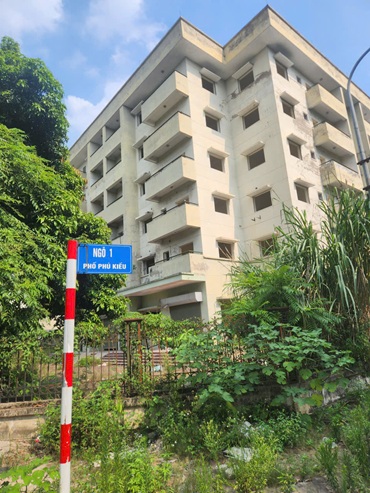
Reality shows that the imbalance between supply and demand for housing still occurs in many localities. While the housing demand of people, especially low-income people, is still very large, many resettlement housing projects, student dormitories or social housing are left vacant and exploited ineffectively.
Talking to Lao Dong Newspaper, Mr. Do Minh Long - Chairman of the Board of Directors of Dova Land - said that allowing functional conversion for projects that do not promote efficiency is a direction suitable for the requirements of sustainable urban development.
According to Mr. Long, many projects have been invested with large resources but the efficiency of use is not commensurate, causing waste of land and social capital. Meanwhile, land is a finite resource, if not exploited effectively, it will affect common interests and reduce the efficiency of socio-economic development.
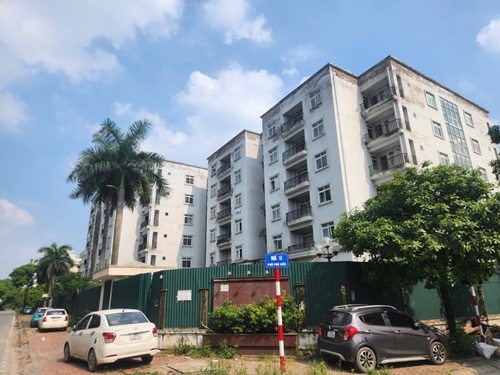
The expert believes that real estate should be seen as an asset serving development needs and practical use, rather than just an investment tool. Flexibly adjusting the type of use for products that are no longer suitable will help increase exploitation efficiency, while supplementing supply for market segments that are lacking.
Many opinions also believe that in the context of the real estate market entering the restructuring phase, flexible policies will contribute to reducing the situation of abandoned projects, limiting resource waste and promoting a healthier market development.
However, besides the positive impacts, experts warn that there needs to be a strict control mechanism to avoid the risk of policy abuse. The reality raises concerns that some investors may take advantage of the conversion mechanism to apply for social housing projects, and then find ways to convert them into commercial housing to earn higher profits.
According to experts, before considering conversion, functional agencies need to fully assess the reasons why the project cannot be consumed, such as location, design, selling price, infrastructure quality or people's access conditions. Only when remedial solutions have been applied but are still ineffective should conversion plans be considered.
Lawyer Duong Van Mai (Bach Duong Law Company, Hanoi Bar Association) believes that it is necessary to build a transparent and strict monitoring mechanism throughout the transition process to prevent speculation, profiteering or "circumventing the law".
Agreeing with this view, representatives of the Vietnam Association of Realtors emphasized that the conversion must be accompanied by clear financial obligations, especially land use fees according to regulations, in order to avoid loss of state budget.
Experts also noted that social housing is an important social security policy, so the transition mechanism should only be considered a preventive solution. In addition to the option of switching to commercial housing, it is necessary to study more appropriate use directions such as social housing for rent or adjusting planning and infrastructure to increase people's access.
Innovating management thinking in a flexible direction while still ensuring strict control is expected to help liberate resources, limit the situation of abandoned housing, and at the same time ensure social security goals and efficient use of land resources.
Hanoi City said that it will publicly collect people's opinions until June 12. According to the draft Decision, the new document after being issued will replace Decision No. 17/2018/QD-UBND dated August 6, 2018 of Hanoi City People's Committee on the management and use of old state-owned houses in the city.


