
Over the past time, the National Assembly and the Government have issued many policies to remove "bottlenecks" in institutions and unlock land resources.
Talking to Lao Dong Newspaper, Assoc. Prof. Dr. Nguyen Dinh Tho - Deputy Director of the Institute of Strategy and Policy on Agriculture and Environment (Ministry of Agriculture and Environment) said that in the past time, the Land Law has contributed to unblocking land resources. However, in the process of implementation, there are still many bottlenecks and many problems arising. Before the requirements of the new development era, Resolutions have been issued to innovate the way of institutionalizing the law, ensuring compliance with constantly changing reality. Timely adjustment of legal regulations in the direction of being close to the needs of people and businesses will continue to create an important driving force to unblock land resources in the coming time.
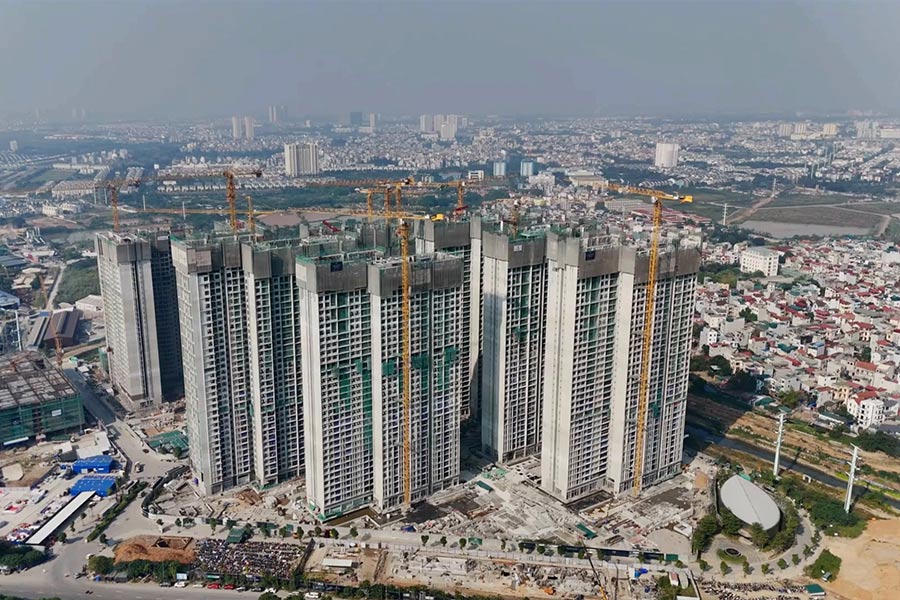
Resolution No. 254 stipulating a number of mechanisms and policies to remove difficulties and obstacles in the organization of the implementation of the Land Law, passed by the National Assembly on December 11, 2025, has introduced a new approach in handling projects that investors implement under the mechanism of land use right agreement.
For projects where investors have received transfers of 75% or more of the land area and have reached the consensus of at least 75% of land users in the project area, the People's Council will consider and approve the recovery of the remaining land to hand over to the investor.
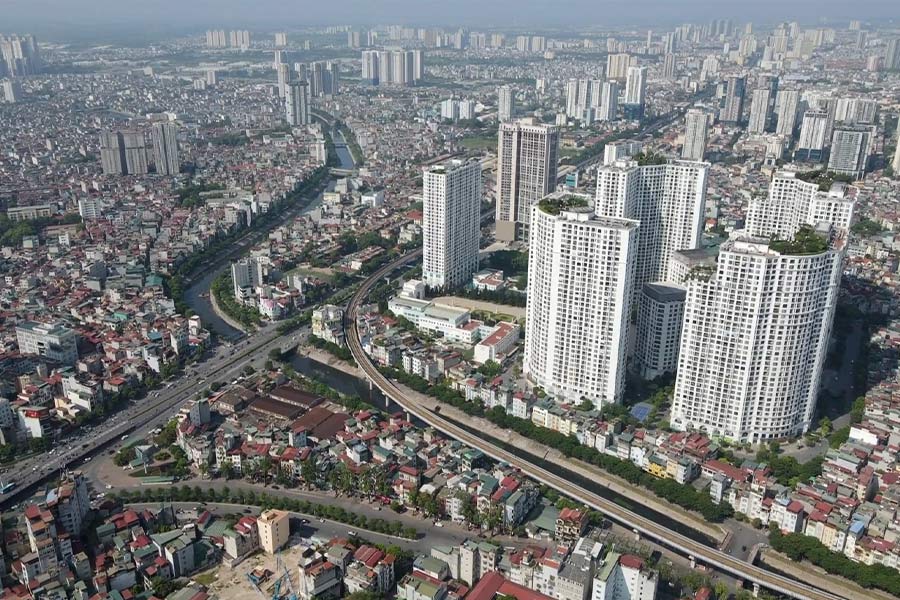
Talking to Lao Dong Newspaper, Mr. Pham Anh Tuan (Head of the Department of Land Management, University of Natural Resources and Environment) said that the Land Law and Resolution 254 have supplemented cases where the State recovers land.
Previously, according to the old Land Law, even though businesses had agreed on 90-99% of the land area, if only one household or one unit did not agree, the project would still be stuck, without a legal basis to continue site clearance. This reality caused many projects to be prolonged and stalled.
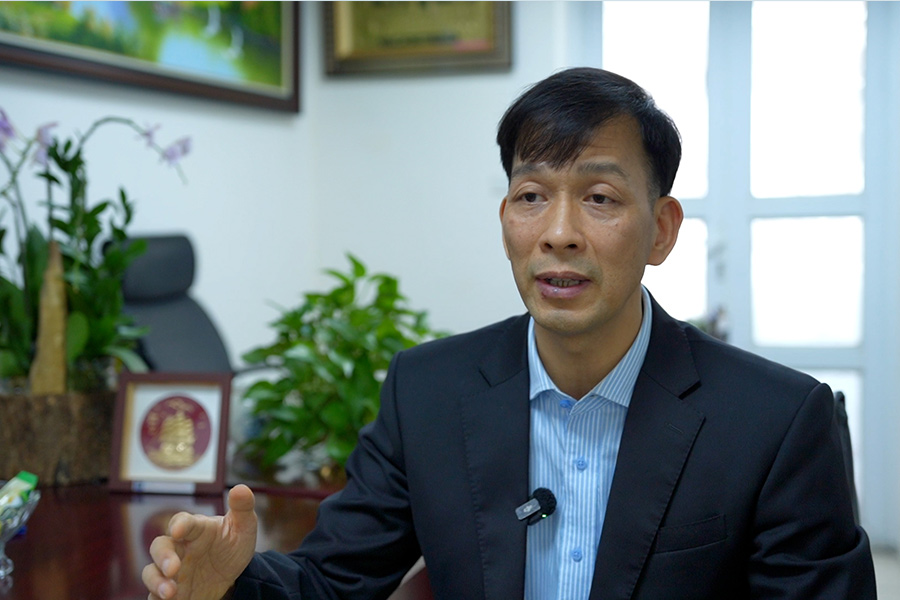
The new regulation has removed this bottleneck. Accordingly, for projects implemented in the form of agreements, if they have reached over 75% of the land area and over 75% of land users, the remaining area will be subject to the State's land recovery according to regulations. Cases of non-compliance will be handled according to the law on land recovery.
This regulation aims to create a transparent legal corridor, harmonizing interests between the State, businesses and land users, thereby promoting the introduction of land resources into production, business and socio-economic development.
According to the Resolution, from January 1, 2026, there will be 3 more cases where the State recovers land for socio-economic development, including: First, land recovery to implement free trade area projects or in international financial centers.
Second, in case the investor has negotiated over 75% of the area and more than 75% of land owners. The Provincial People's Council will consider and approve the recovery of the remaining land to hand over to the investor.
Third, in case the State recovers land to create a land fund to pay according to BT contracts, lease land, and continue production and business.


