
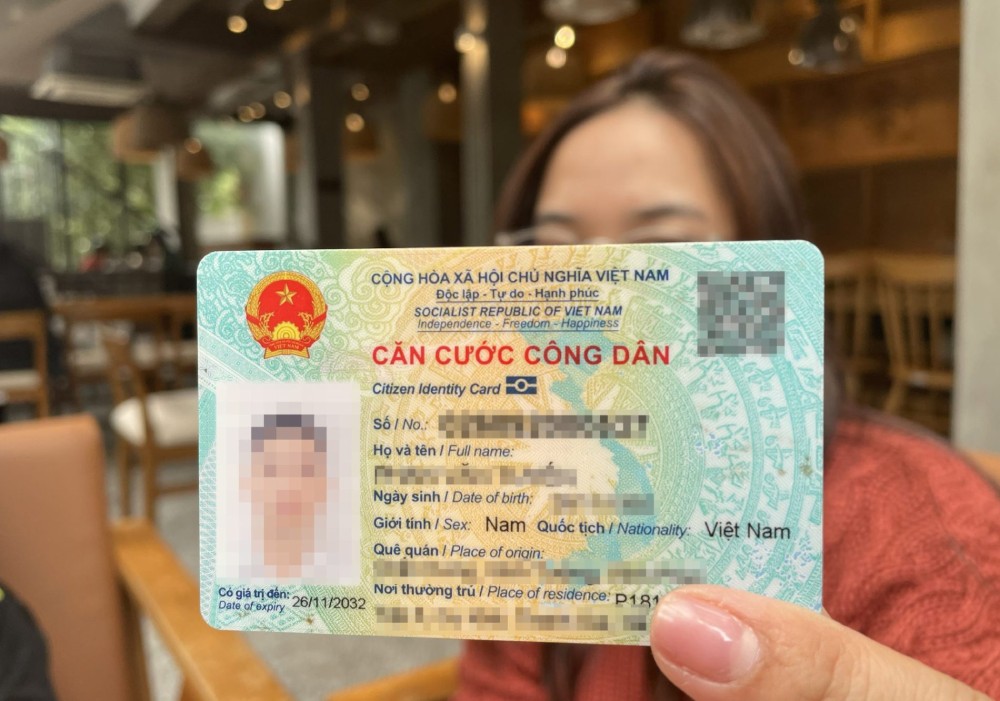
In Vietnam, many people when going to see a house for the first time are often surprised by a seemingly "normal" request: to present and let brokers take pictures of their citizen identification cards. The reasons are often given such as "the homeowner requests", "the floor's procedure" or "to ensure security". Most homebuyers are still "forced" to accept, because if they refuse, the house-seeing session can end immediately.
In fact, many brokers operate independently and use personal phones to store customer information. These data can be stored in devices without security locks, shared through chat groups or existing for a long time without a commitment to erasure. In the context of personal data leakage becoming increasingly common, the dissemination of citizen identification information is no longer a rare case.
Currently, citizen identification cards are not only personal identification papers but also associated with personal identification codes - the foundation for many financial, administrative and online transactions. When this information falls into the hands of bad guys, the affected person may face many consequences such as being impersonated, registering for illegal services, and even becoming the target of sophisticated forms of fraud.
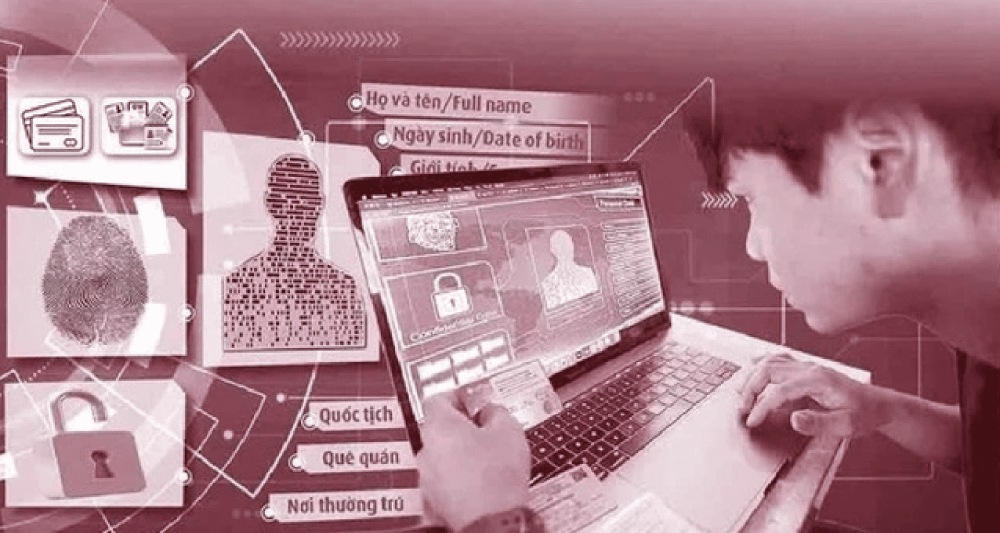
Not only stopping at data safety risks, buying a house through many intermediaries also makes it difficult for many people with real housing needs. To find a suitable house, buyers often have to move through many areas, listen to information conveyed in many different versions, sometimes inaccurate or unverified. There are many cases where the house is introduced as "reasonable for needs", but when they arrive, it is far from the initial description of the location, alley entrance or actual condition.
This process not only consumes time but also puts psychological pressure on buyers. Notably, each time looking at a house is often associated with another broker and one more time providing a citizen identification card. The more you look, the more personal data is at risk of being widely spread, while buyers are almost unable to control it.
Ms. T - who went to buy a house in 2025 - said that after about a month of continuously going to see houses through many different brokers, she suddenly discovered that her bank account had lost 950 million VND. The incident is said to be related to the risk of personal information leakage during the process when she had to present her citizen identification card to intermediaries when going to see houses.
In that context, the need for transparent real estate information platforms from the beginning is increasingly being concerned. When buyers can fully access actual images, videos, specific addresses and publicly disclosed information before deciding to go online, they can filter remotely, thereby significantly reducing the number of unnecessary trips.
This not only helps save travel costs but also limits the missed opportunity costs, time and resources that can be spent on work, family or other financial decisions.
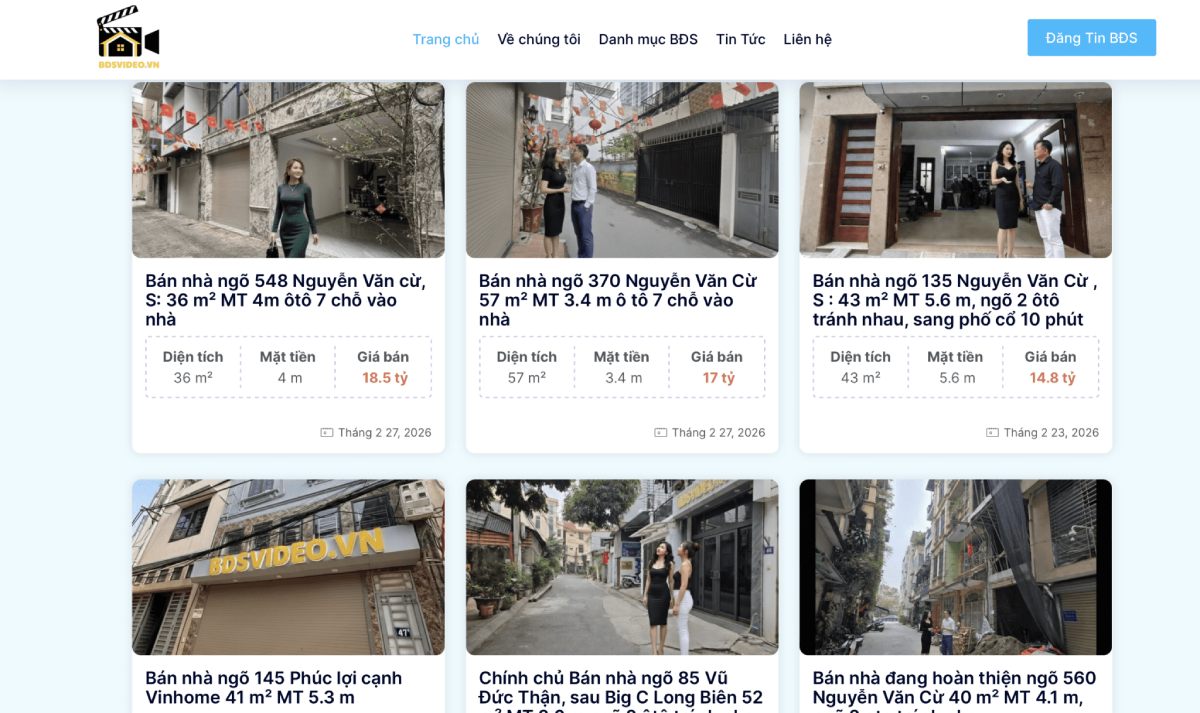
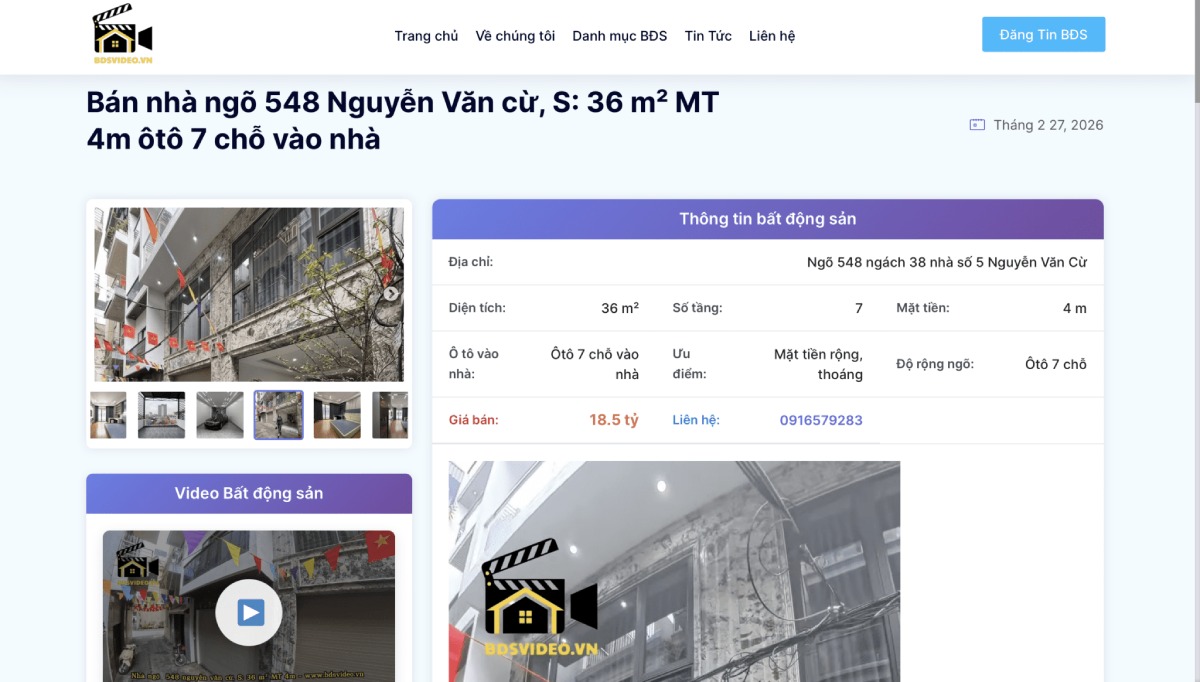
Currently, some real estate platforms are starting to provide real-life videos for each advertisement. Accordingly, the bdsvideo.vn information page currently provides advertisements with real-life video recordings and specific addresses.
This approach also helps buyers to refer to information about the house before deciding to directly contact brokers, limiting the need to provide personal papers when there is no real need for transactions. This approach is considered to contribute to increasing transparency in providing information in the real estate market.
Buying a house is an important decision, so protecting personal data should also be considered as important as price or location factors. Information transparency from the beginning helps buyers save time, reduce travel costs and limit risks that may arise later.


