
From March 4 to 8, 2026, 25 households in Hoi Xuyen 2 and An Tan villages, Gia Loc commune, Hai Phong city have proactively dismantled houses and works and moved assets to hand over land to serve the National Highway 37 bypass project. Among these, 17 households are eligible for resettlement.
Most of the households living here have many generations, solid houses from 2 to 3 floors. Before the Lunar New Year, many families have proactively arranged and rented temporary accommodation to soon hand over the land.
After celebrating the traditional Tet holiday, households began to focus on dismantling houses, moving all assets and stabilizing temporary accommodation while waiting for new houses to be built in the resettlement area. Although they had to leave their long-term home, households still agreed and actively coordinated with local authorities in the implementation process.
The National Highway 37 bypass project passes through Gia Loc commune and Thach Khoi ward, with the starting point intersecting with National Highway 37 at the beginning of Thong Nhat bridge (Gia Loc commune), the ending point connecting to Ring Road I (Thach Khoi ward), a total length of 5.402 km with a total investment of 612.1 billion VND. The section passing through Gia Loc commune, passing through Duc Dai 2, Hoi Xuyen 2 and An Tan villages, is 3.78 km long.
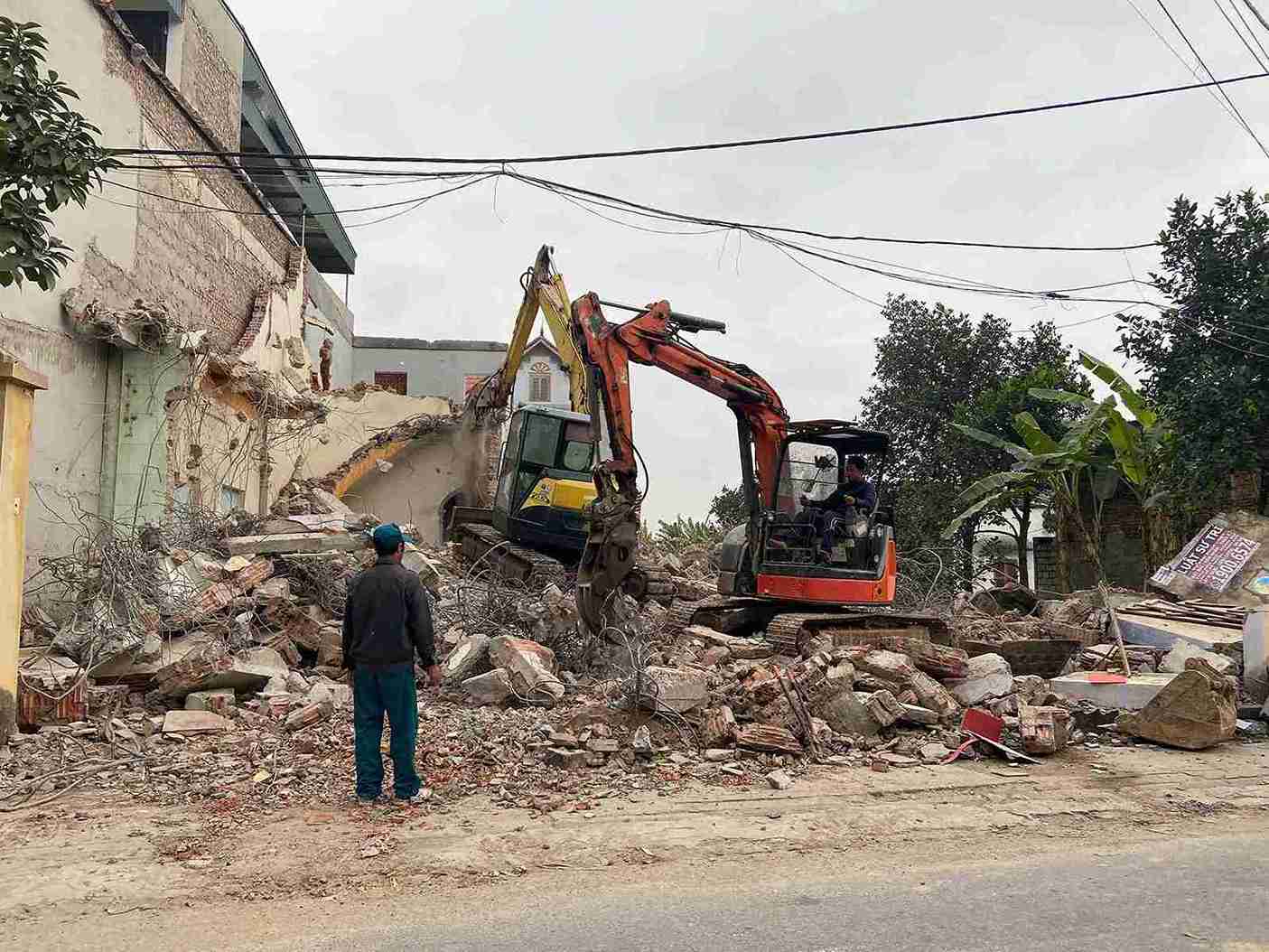
The project is invested to reduce the load on National Highway 37, and at the same time strengthen connectivity with the former Ring Road I of Hai Duong city, provincial roads 393 and the Hanoi - Hai Phong expressway service road.
When completed, the project will contribute to completing the regional transport infrastructure, expanding development space and creating motivation to promote local socio-economic development.
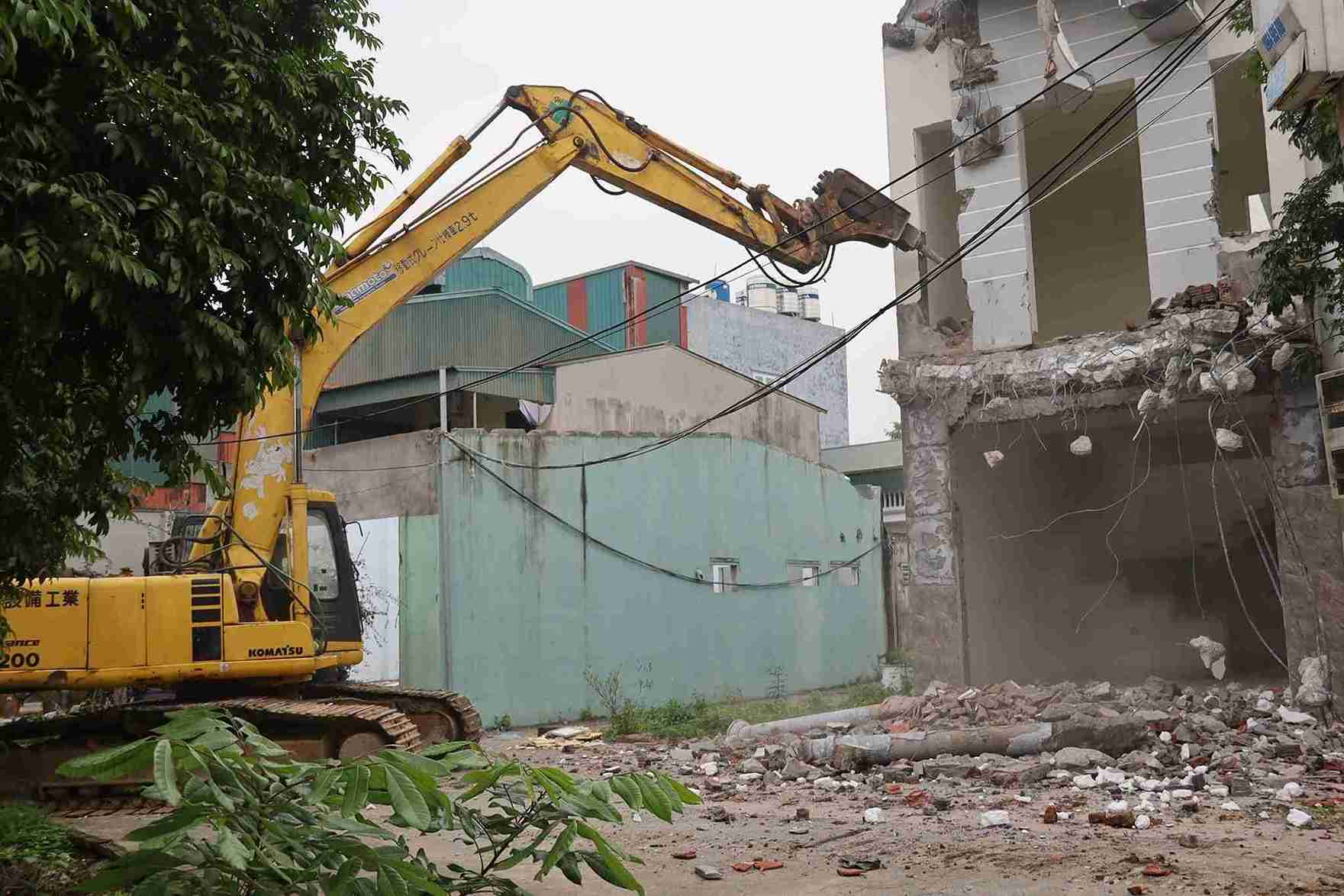
To support people to soon stabilize their lives, in addition to fully implementing compensation and support regimes according to regulations, Gia Loc Commune People's Committee has decided to support households with 4 months of temporary shelter money and 8 months of rent during the construction of new houses in the resettlement area.
For two households with elderly people, facing difficulties in finding temporary accommodation themselves, local authorities also proactively arranged suitable accommodation, ensuring immediate living conditions.


