
Vacances
Flexible employment is becoming an integral part of the modern labor market. From basic labor, freelance work under projects, delivery, technology vehicle driving to part-time, seasonal forms... This trend reflects the rapid adaptation of both businesses and workers to economic fluctuations. In that context, the issue is not to limit or prohibit flexible employment, but how to build a suitable social security policy corridor, protecting workers from increasingly existing risks.
Mr. Nguyen Huu Minh (Vinh Thanh commune, Hanoi) used to work as an employee at a grassroots veterinary network. In 2023, Mr. Minh quit his job because his income was too low.
The allowance is more than 3 million VND/month, I have to take advantage of going to vaccinate buffaloes, chickens, pigs... for household barns of people and farms in the area to have enough to live on. Whoever calls, I do what I need, I go," Mr. Minh recounted.
In August 2023, Mr. Minh passed the driving test and decided to switch to becoming a technology driver. Income doubled compared to his old job, time is also more proactive, Mr. Minh is "easier to breathe" in worrying about having 2 children to study, and his wife working in agriculture.
In April 2025, Mr. Minh saw his health decline. Going for examination, he was diagnosed with tuberculosis. Doctors advised him to maintain his health and have regular check-ups. Since then, Mr. Minh has no longer worked as a technology driver. Without insurance, Mr. Minh spent his own money on treatment for a while, and at the same time registered to participate in voluntary social insurance (BHXH).
Unlike officially contracted workers, most flexible workers are not fully covered by social security policies. I have no labor contract, no social insurance, unemployment insurance, and no health insurance, so I can completely manage when I encounter risks," Mr. Minh said sadly.
Mr. Bui Sy Loi - former Deputy Chairman of the National Assembly's Committee for Social Affairs (now the Social Committee) - said that labor accidents, illnesses, and income declines due to market fluctuations or changes in the policies of grassroots businesses can push flexible workers into difficulties after only a short time.
More worryingly, not participating in social insurance for a long time will cause them to lose the opportunity to receive pensions and social security regimes in old age, creating great pressure on the social security system in the future," Mr. Loi said.
The inevitable trend of the labor market
Mr. Ha Anh Tuan - CEO of Vinalink Media JSC - said that flexible employment is a direct consequence of digital transformation, the development of the grassroots economy and the need to optimize costs of businesses. For workers, this form offers opportunities to access jobs quickly and flexibly, suitable for many target groups such as young workers, temporarily unemployed workers, students or workers in need of additional income.
In the context that the official job market is not really sustainable, income growth is slow while living expenses are escalating, flexible employment becomes a "lifeline" helping many people maintain their immediate lives. However, behind that convenience are large gaps in social security.
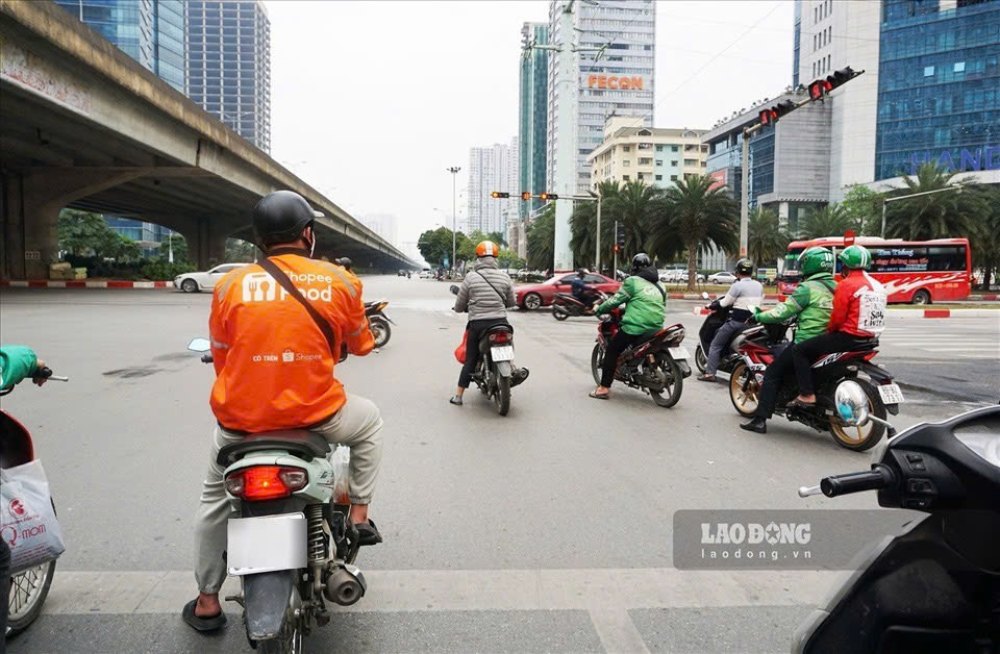
According to Mr. Bui Sy Loi, the Labor Law and social security policies do not fully cover basic labor. Voluntary social insurance, although it exists, the contribution - benefit level is not attractive enough, not suitable for the precarious income of flexible workers. The lack of occupational accident insurance mechanism specifically for this group of workers also makes risks completely fall on the shoulders of workers.
Therefore, if flexible employment continues to expand without appropriate adjustment policies, the risk of increasing informal labor is very clear. It is time to change the approach to flexible labor. Instead of considering this as an "outside" area of the labor market, it is necessary to officially recognize and manage it with appropriate policies, ensuring basic rights for workers, and creating a fair competitive environment for businesses.
Mr. Bui Sy Loi proposed that, to ensure social security for flexible workers, it is necessary to focus on a number of key policy directions: Expanding social security coverage in a more flexible direction, suitable to the specifics of unstable income of flexible workers; researching occupational accident insurance suitable for high-risk labor groups such as delivery, technology vehicle driving...; considering the responsibility to share social security of grassroots enterprises.


