
Hundreds of Da Nang mountainous workers have changed their lives thanks to the program of working seasonally in Korea, thanks to the support from preferential loans. For mountainous people, this is one of the shortest paths to have large savings, repair houses, raise children to study, pay debts and consider long-term business.
Ms. Ho Thi Tin (in hamlet 4, Tra Van commune) is one of the people who has clearly felt the value of policy capital. She said that the beginning of 2026 is the second time she has borrowed capital to prepare to go to Korea to work seasonally. For her and many highland workers, that loan is not just money, but an opportunity to exit the country, have a job, and have income to support their families.
If there is no preferential loan capital from the Social Policy Bank Transaction Office, I and my friends will not know where to get money to make papers, procedures, and air tickets to go abroad to work in Korea," Ms. Tin shared.


By the end of March 2026, Tra Tap, Tra Leng, Tra Linh, Tra Van, and Nam Tra My communes alone had more than 500 workers exiting to Korea to work seasonally. Each working trip lasts about 7-8 months, with an average income of 250-300 million VND/person. For highland areas, this is an income level sufficient to create major changes for a whole family, even for the entire community if maintained stably.
Mr. Nguyen Van Hien - Director of the Transaction Office of Nam Tra My Social Policy Bank - said that the unit has created conditions for more than 170 workers to borrow preferential capital, with a total outstanding debt of over 5 billion VND. Up to now, all loans have been paid principal and interest on time by workers, and no cases of late payment have occurred.
However, what worries people is that the deployment of preferential credit capital according to Resolution No. 54/NQ-HDND dated December 11, 2025 of the Da Nang City People's Council (regulations on lending support for seasonal workers going to work in Korea in the period 2023-2025) will be temporarily suspended in June 2026.
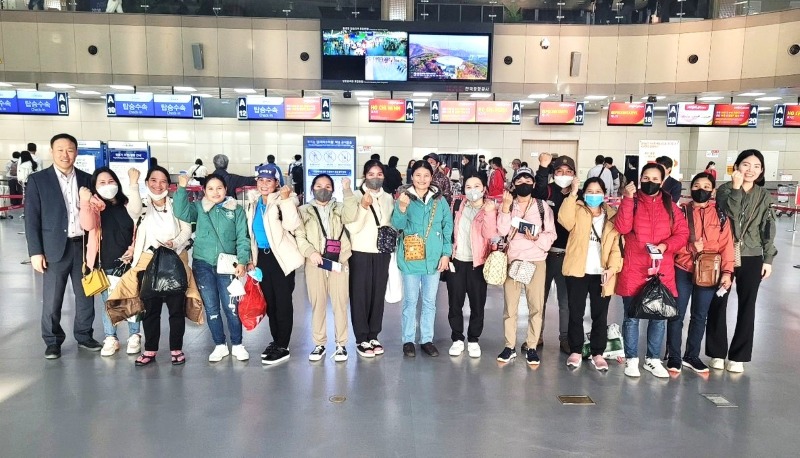
Mr. Nguyen Van Hien acknowledged that the risk of capital interruption in mid-2026 will cause difficulties for workers in the coming time. From the reality in the locality, the unit proposed that the Da Nang City People's Council and the City Social Policy Bank continue to pay attention to and create conditions for capital to be maintained, helping workers not to be interrupted in accessing policies.
If this suspension occurs without a timely replacement mechanism, a series of highland workers may miss their exit plans. Job opportunities still exist, demand from people is still high, but financial barriers will immediately appear.
This is not just Nam Tra My's private story. As administrative boundaries expand, the livelihood problem for the mountainous area of Da Nang needs to be viewed on a larger scale. In many highland communes, seasonal labor export is not simply a job option, but is becoming an effective poverty reduction direction, creating faster and more obvious sources of income than many traditional livelihood models.


