
Sending back my childhood in my hometown
According to a survey conducted by the Vietnam General Confederation of Labor, due to difficult living conditions, many industrial park workers have to send their children back to their hometowns for grandparents to take care of.
Not being able to live with their children, not having the conditions to be close, directly take care of meals, sleep or accompany them in the process of childhood growth, makes many worker families always carry heavy burdens.
Surveys show that workers are still limited in time, knowledge and skills to care for and raise children. This not only affects the comprehensive development of children but also affects the family happiness of workers working in industrial parks and export processing zones.
Work pressure is one of the reasons why the gap between parents and children is increasing. Up to 18% of workers regularly work overtime, 48.5% occasionally have to work overtime when there are orders. The average overtime time is from 5-12 hours per week.
Therefore, 52.9% of surveyed workers said they have little time to be intimate with their children, while 16.9% are always in a state of fatigue after working hours.
The average time workers spend taking care of and raising children is only 1-4 hours per day, depending on working hours. For those who have to send their children home, childcare is mainly done through phone calls or short video calls.
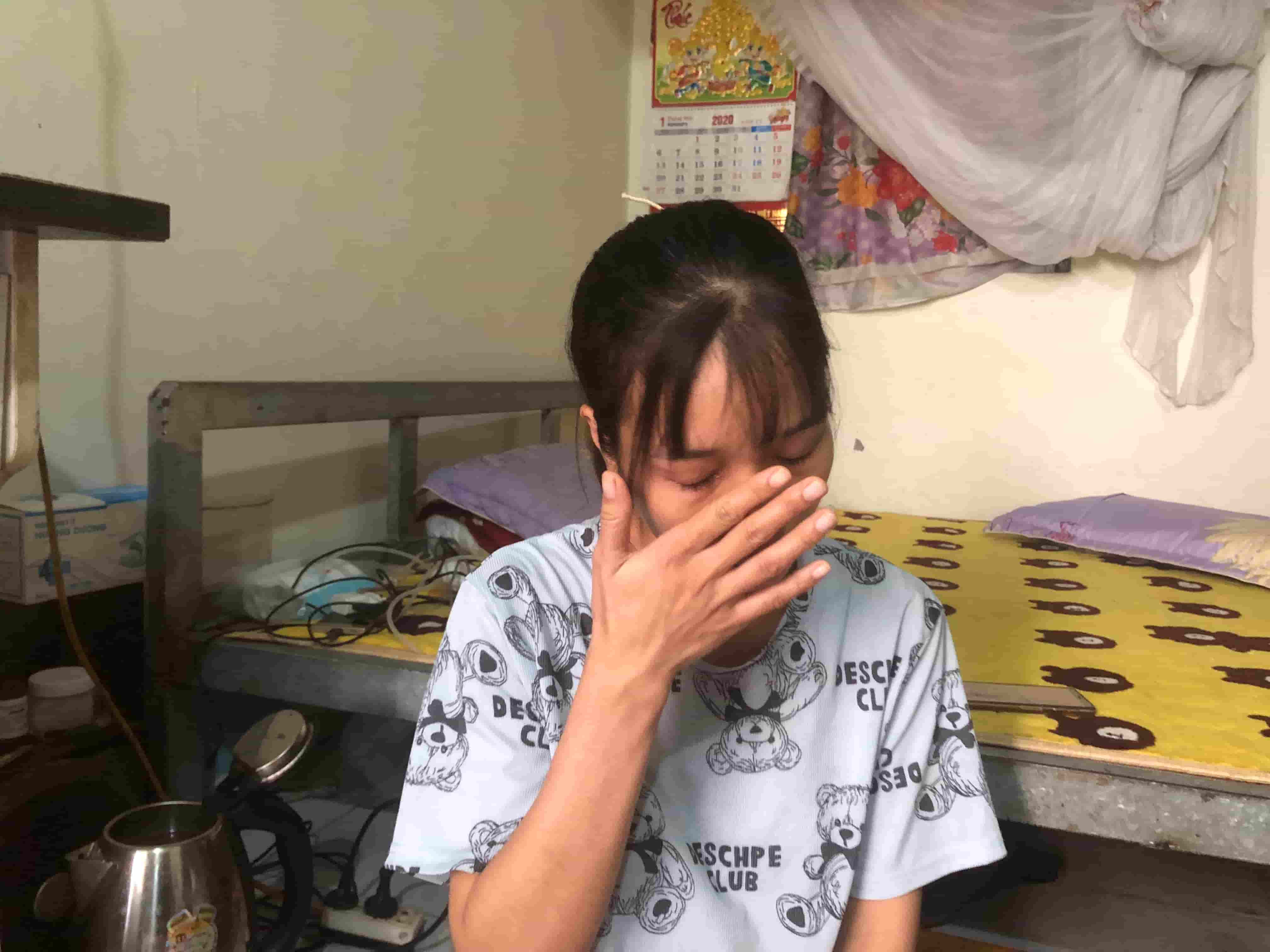
Ms. Quach Ngoc Nham is renting a room in Quoc Oai commune (Hanoi city) to work as a worker in a nearby industrial park. For livelihood, she has been living far from her children for many years.
Her eldest daughter was sent back to her hometown in Phu Tho from a young age. In 2025, she gave birth to her second child. After maternity leave, when her child became stronger, she choked up and sent her child back to her hometown to ask her grandparents to take care of her.
About every 1-2 weeks, I go home once on the weekend to visit my children," Ms. Nham shared.
Video calls instead of hugs on June 1st
Ms. Nham's husband works as a freelancer, sometimes staying in the countryside with his children, sometimes going to Hanoi to live with his wife. The separation makes the children lack the closeness of parents from the early years of life.
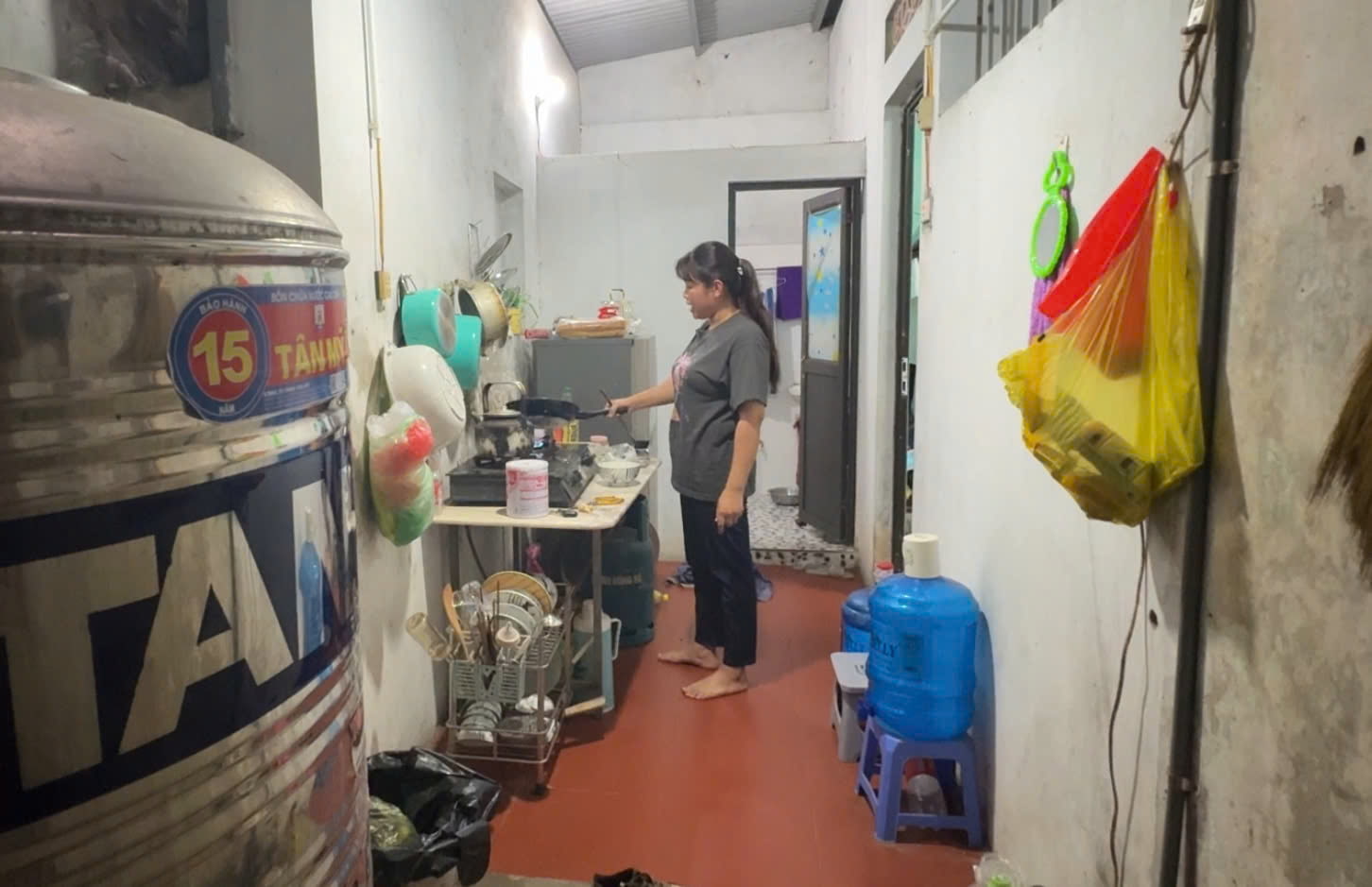
As parents, everyone wants to be close to their children to take care of and guide them, but because we have to be away from home to earn a living, my husband and I have to accept being away from our children," Ms. Nham confided.
She has thought many times about welcoming her children to live with them. However, the rented room is cramped, lacking people to pick them up and take care of them, and the pressure of tuition and living expenses has made that plan impossible to implement.
On International Children's Day June 1 this year, she continues to be unable to be with her children. On a day when many families have fun with their children, take souvenir photos or reward their children with small gifts, she can only call to ask.
My child told me, the biggest gift on June 1st for them is being with their parents, where all 4 people are gathered" - the female worker shared.
To make up for her children, she plans to return to her hometown next weekend, take the children out to play and buy her favorite dishes.
What she desires most is not expensive gifts but a day when the whole family can live in the same place, sitting together at the meal tray after each working day.
In fact, cases like Ms. Nham are not uncommon in worker dormitories. In many working trips, we encountered images of mothers and fathers taking advantage of break time to video call their children, asking about their studies and health, and then hurriedly returning to the production line.


