
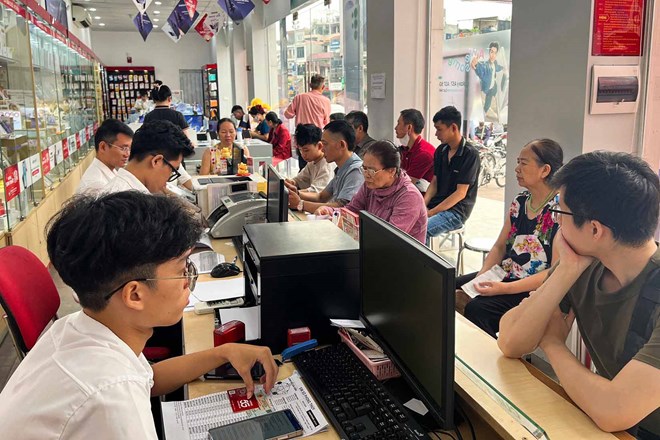
From today (June 15), some new regulations are officially applied, including handling subscribers who have not confirmed their status on VNeID and requesting re-verification for some cases of changing terminal devices.
Subscribers who have not confirmed their status may have their departure service temporarily suspended.
This is the content that users are most interested in in the past time. According to the provisions of Circular 08/2026/TT-BKHCN, from June 15, subscribers who have not confirmed their status will have their departure service temporarily suspended. At that time, users cannot make calls or send SMS messages to other subscribers.
This is also the reason why management agencies and telecommunications businesses have continuously recommended people to check subscriber information in the past time.
One-way locked subscribers can still receive calls and messages
One of the common misunderstandings is that many people think that being locked from the SIM means not being able to use the phone. In fact, with the departure service temporarily suspended, users can still receive incoming calls and SMS messages.
Therefore, some services that are using phone numbers to receive OTP codes or transaction notifications can still operate normally if messages are sent via SMS. Calls from banks, agencies, organizations or relatives can still be received.
However, users will not be able to proactively call or send SMS messages. This may be inconvenient in cases where they need to contact banks, customer support switchboards, state agencies or carry out transactions that need to be verified via calls from the phone number they are using.
For those who use phone numbers for work, business or regular contact with customers, the temporary suspension of the departure service can also significantly affect daily activities.
People who exchange phones from June 15 need to pay attention to new regulations
In addition to subscriber confirmation, June 15 is also the time to apply regulations related to biometric authentication for some cases of changing terminal devices.
According to instructions from the Telecommunications Authority, when changing end-to-end devices occurs, users may be required to re-enact biometric facial image authentication according to regulations. The goal is to ensure that the phone number is always associated with the right user, limiting the risk of SIMs being abused in case of loss or loss.
Users should monitor notifications from telecommunications businesses when changing phones or incurring additional authentication requests.
Continue checking the phone numbers that are in your name
Although June 15 has arrived, people can still access VNeID to check all phone numbers that are in their name. This is considered the fastest way to detect subscribers who are no longer using or phone numbers that are not under control.
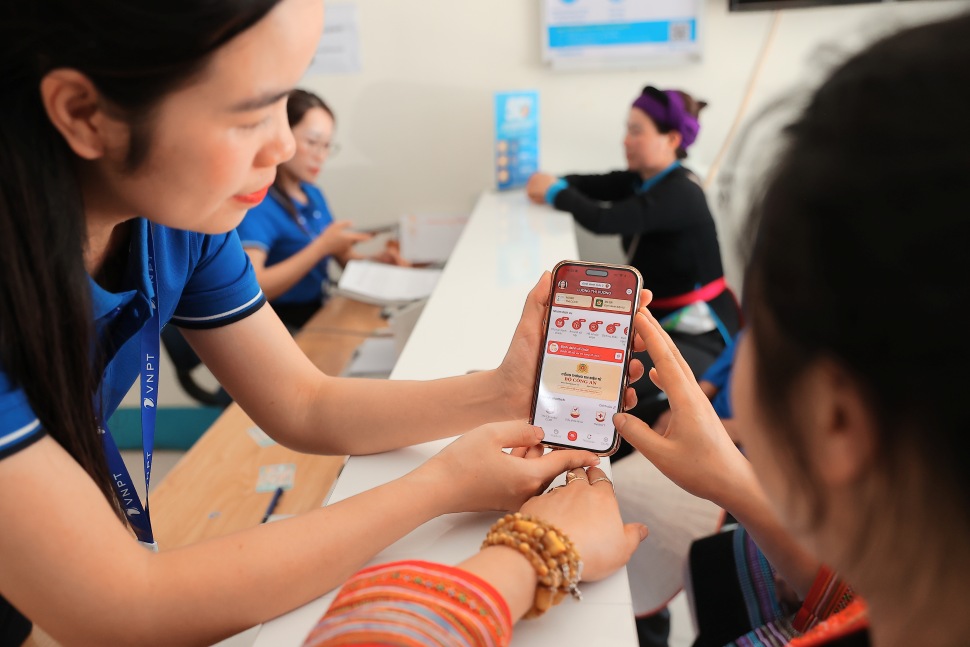
According to the Telecommunications Authority, if a strange SIM card is detected, users should confirm the correct status according to the system's instructions for telecommunications businesses to continue processing.
Only verify through official channels
Along with the implementation of new regulations, forms of network operator impersonation are also at risk of increasing. People should only verify information through the VNeID application, the official application of the telecommunications enterprise or the announced transaction points.
Network operators recommend not providing OTP codes, citizen identification photos or personal information for calls, messages or links of unknown origin.
Which subscribers need to be checked today?
According to carriers, users should check immediately if they fall into one of the following cases:
- Never confirmed subscriber status on VNeID.
- Received notification from the network operator but has not been processed.
- Discovered a strange phone number in your name.
- Just changed phone or device using SIM.
- Using a phone number for banking transactions, e-wallets or important online services.


