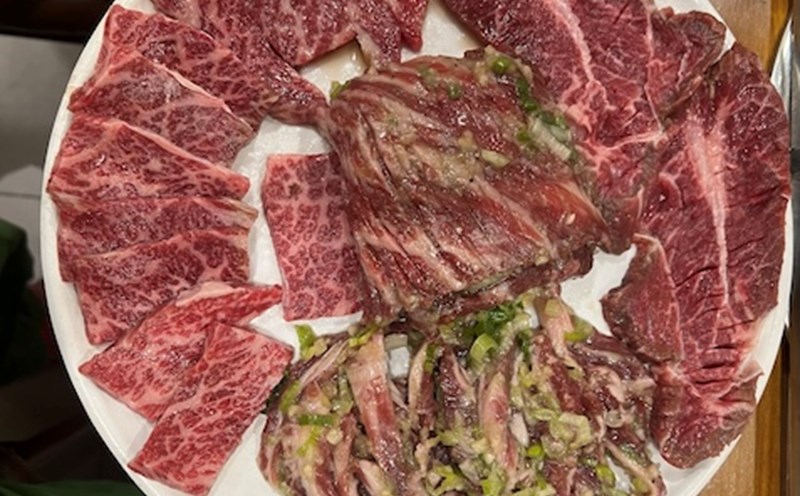
Here, it is necessary to understand that restricting red meat consumption is not to completely deny the nutritional value of this type of meat but to emphasize balance and awareness of protecting long-term kidney health.
First of all, red meat such as beef, pork, and lamb contains a fairly high content of protein and saturated fat. When consumed too much, the body must increase protein metabolism, thereby creating more nitrogen waste. The kidneys are responsible for filtering and excreting these substances out of the body. If this burden persists, the kidneys will have to operate excessively, gradually leading to impaired function. For people who have underlying kidney diseases, eating too much red meat will make the situation even more serious.
Besides, red meat also contains a lot of purines - substances that when broken down will create uric acid. High levels of uric acid in the blood not only cause gout but also increase the risk of kidney stones.
Kidney stones hinder the blood filtration process, cause pain and can lead to dangerous complications if not treated promptly. Processing red meat by frying and grilling at high temperatures also produces harmful compounds, indirectly affecting overall health, including kidneys.
However, saying "avoid" does not mean completely removing red meat from your diet.
It is important to reduce frequency and control consumption, while replacing it with healthier protein sources such as fish, beans, eggs, or poultry. Combined with eating more green vegetables, drinking enough water, and maintaining a healthy lifestyle will help your kidneys function more effectively.
To protect healthy kidneys, everyone needs to be aware of adjusting their diet, in which limiting red meat plays an important role.