
In the dry sun of March, the journey over 70km of winding mountain passes from the center of the old Lao Cai city took reporters to Lung Phinh commune - a land considered the "medicine capital" of Bac Ha district, Lao Cai province in the past.
Hidden at an altitude of over 1,000m, this place not only has a cool climate all year round, fertile land but is also the origin of impressive stories of rising out of poverty.
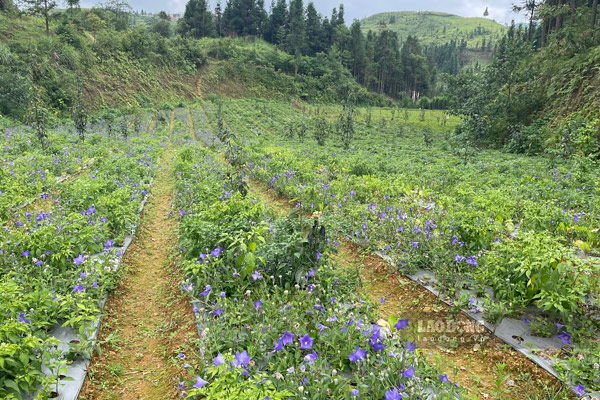
One of the typical examples is the family of Mr. Sung Seo Senh (born 1997) and his wife, Ms. Vang Thi Chu (born 1998). From scratch, to date, the young couple has built a small business and stabilized their lives thanks to their attachment to medicinal plants.
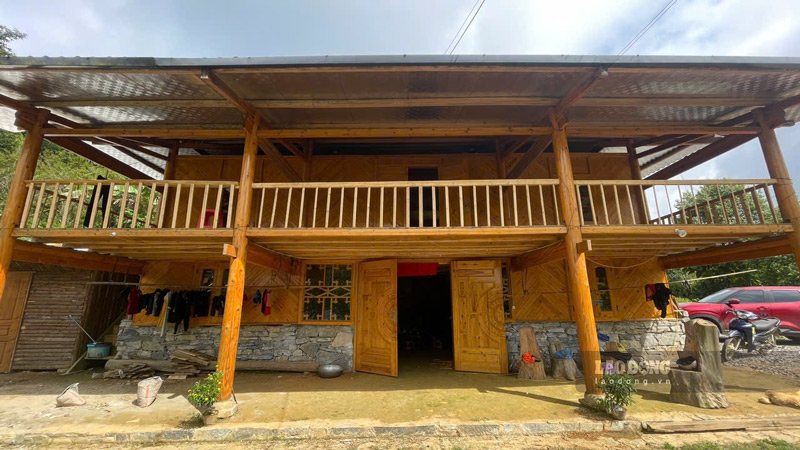
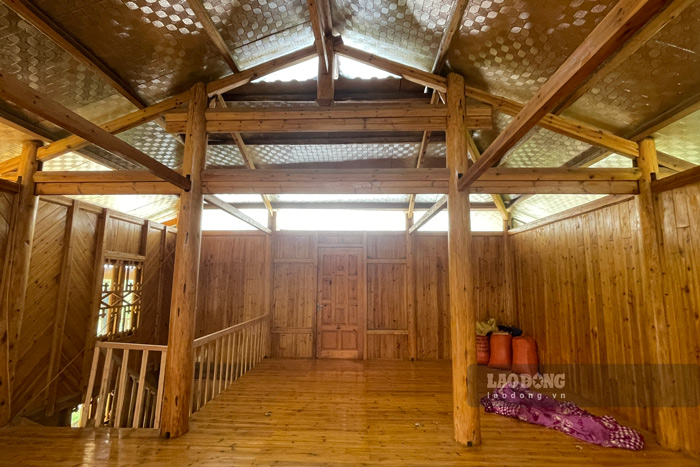
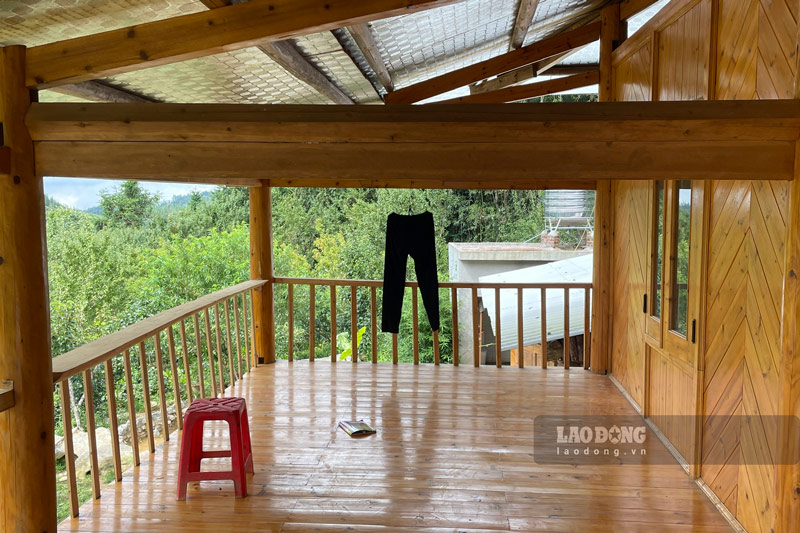
Welcoming us in front of the newly built spacious house, Mr. Senh could not hide his joy.
The house worth more than 600 million VND, which was just completed not long ago, is the result of many years of persistence with medicinal plants. For people in the highlands, it is a not small amount of money, even more meaningful when accumulated from their homeland.
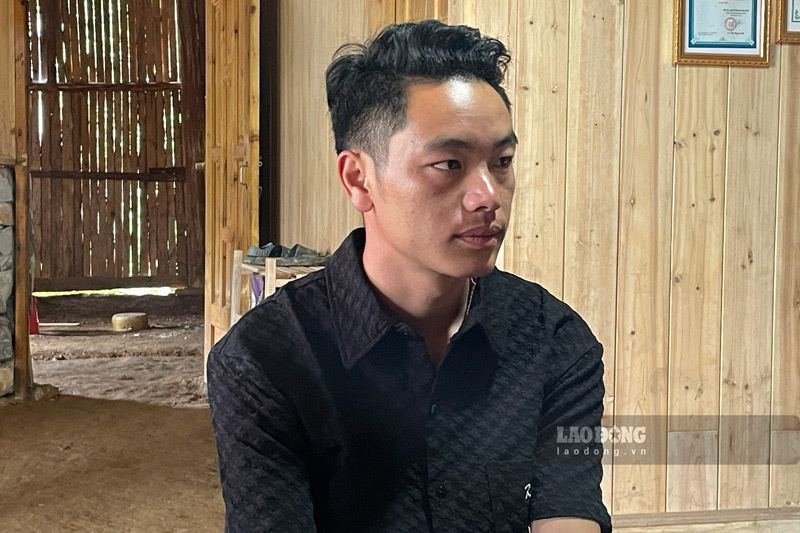
Leading reporters to visit the medicinal plant fields, Mr. Senh shared that in the past, local people mainly went into the forest to harvest natural medicinal herbs.
This approach not only makes income precarious but also depletes precious resources.
“Previously, people thought that if there was anything in the forest, they would take it to sell, but over time, medicinal herbs decreased, and income was also unstable. If you want to be long-term, you have to change your way of thinking and working,” Mr. Senh said.

The turning point came when the locality implemented medicinal plant growing models in the direction of linkage, with support for seeds, techniques and product consumption. However, not everyone boldly participated from the beginning. Many households are still hesitant, even opposed because of risks.
But when some families pioneered and had clear incomes, the belief gradually strengthened. Among them, Mr. Senh was one of the pioneers, working and learning from experience, gradually expanding the area.
Up to now, not only developing the family economy, he has also stood out to connect and manage the growing area on a large scale.
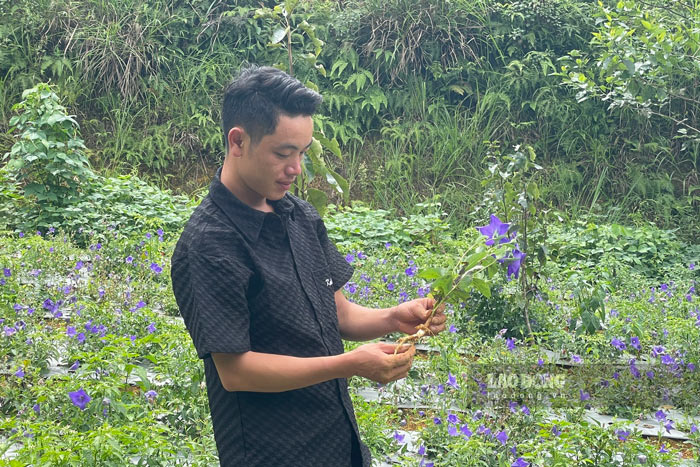
Currently, I manage more than 1,000 households growing medicinal herbs such as angelica sinensis, cát cánh, tam thất, with a total area of more than 40ha. Every year, the cooperative purchases and consumes products, so people are very assured to produce," he shared.
According to Mr. Senh, thanks to growing medicinal herbs, each household can achieve a stable income of 100 - 150 million VND/year. His family alone, in addition to a house worth more than 600 million VND, also has additional savings to invest in production and take care of their children's education.
Ms. Vang Thi Chu (Mr. Senh's wife) shared: "When I first started, I was also very worried, afraid of not being able to sell, afraid of crop failure. But working gradually and getting used to it, seeing that the plants are suitable for the soil, giving stable income, I feel secure and attached for a long time.
Mr. Tran Hoang Tuan - Secretary of the Party Committee of Lung Phinh commune - said that the locality has long had natural advantages to develop medicinal herbs. However, in the past, exploitation was not strictly managed, leading to the risk of depleting precious gene resources.
Currently, growing medicinal herbs not only helps conserve biodiversity but also creates sustainable livelihoods and increases income for people. This is a direction suitable for the actual conditions of the locality," Mr. Tuan assessed.
According to commune leaders, in the coming time, the government will continue to promote propaganda, technical support and connect consumption markets so that people can be assured and stick with medicinal plants for a long time.


