Coffee has long been a familiar choice to start a new day thanks to its ability to help stay awake quickly. However, for people who are easily stressed, restless or tend to be anxious, switching to matcha can bring positive benefits to the spirit while still maintaining the necessary concentration.
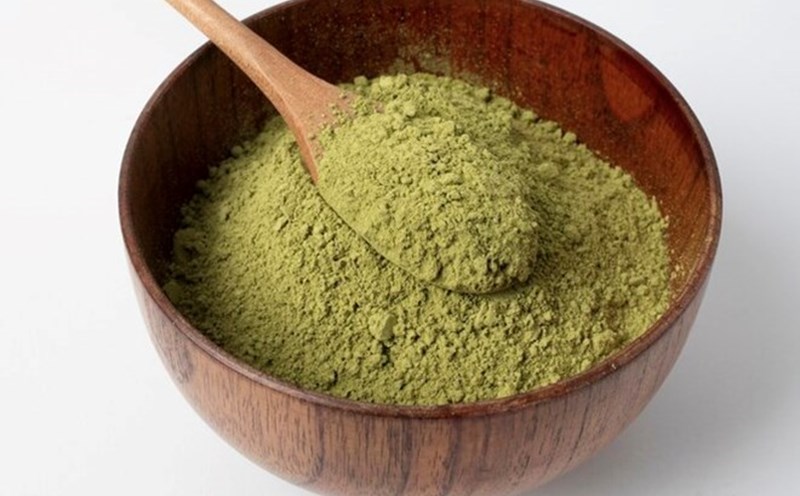
Matcha is green tea powder finely ground from the young leaves on the top layer of Camellia sinensis tea plant. Unlike ordinary tea varieties, the tea plant used for making matcha is grown in the shade before harvesting. This cultivation method helps tea leaves accumulate more biological compounds, especially amino acids and antioxidants.
Some studies show that drinking matcha for a short time can help reduce anxiety levels in healthy adults. This effect mainly comes from two important compounds, L-theanine and epigallocatechin gallate (EGCG).
L-theanine is a natural amino acid found in green tea, which has been shown to support mental relaxation. Because matcha is a concentrated green tea form, the L-theanine content in matcha is usually higher than regular brewed tea.
According to Dr. Leigh A. Frame, Director of the Office of Integrated Medicine and Health at George Washington University (USA), L-theanine helps increase alpha brain wave activity and regulate neurotransmitters such as GABA, dopamine and serotonin. As a result, the body can reach a relaxed state without causing drowsiness.
In addition, matcha also contains EGCG, a plant compound with strong antioxidant effects. EGCG helps reduce inflammation and oxidative stress, factors believed to be related to prolonged anxiety. The combination of L-theanine and EGCG helps matcha support mental stability naturally.
Compared to coffee, matcha has lower caffeine content. A regular cup of brewed coffee contains about 96 mg of caffeine, while matcha provides about 19–44 mg of caffeine per gram. Caffeine in coffee is absorbed quickly, which can increase adrenaline and cortisol, making some people feel nervous or restless. Conversely, caffeine in matcha is absorbed slower and balanced by L-theanine, which helps increase alertness but is less intensely stimulating.
According to experts, to achieve clear relaxation effects, the amount of L-theanine needed is about 200 mg per day, equivalent to 2-4 grams of high-quality matcha. Drinking matcha regularly can help improve stress levels over time, but even when used irregularly, matcha still brings certain benefits.
How to use matcha also affects its effectiveness. Beneficial compounds in matcha can be decomposed at high temperatures if cooked for a long time. Therefore, matcha should be used as a direct-mixed drink to retain maximum relaxation-supporting ingredients.