Wave of violent video surrounds children
In the digital age, digital technology, the proliferation of videos with violent tendencies, jealousy attacks, or assaults on social media platforms is becoming a direct threat to the psychology of young children, making many parents restless.
Ms. Nguyen Phuong Thao (38 years old, Hanoi) shared that she feels uneasy when recently her son has shown signs of secretly watching his phone and always startled and scared every time his parents enter the room.
''One time, when I accidentally passed by and looked at my child's screen, I was shocked to discover that he was watching a series of clips cutting and pasting scenes of school violence and street fights'', Ms. Thao said.
Immediately after the incident, the couple had to limit their child's phone usage time due to concerns about negative impacts on children's psychological development.
Sharing the same obsession, Mr. Le Van Duc (42 years old, Hai Phong) faced another headache situation when his 13-year-old daughter began to tend to learn from violent behaviors and words on social networks.
''In one instance of fighting for toys with my younger brother, my daughter did not hesitate to swing her hand and use harsh offensive words that she had never said before'', Mr. Duc shared.
According to Mr. Duc, the current wave of harmful videos can distort children's worldviews, causing them to mistakenly believe that violence is a normal and effective tool to resolve all conflicts in life.
Psychological and behavioral consequences in children
Faced with this situation, Dr. Tran Thi Hong Thu - Hong Thu Psychological Counseling and Therapy Office - issued a serious warning about emotional or behavioral disorders that children may encounter after being exposed to direct violence or through images and videos on social networks.
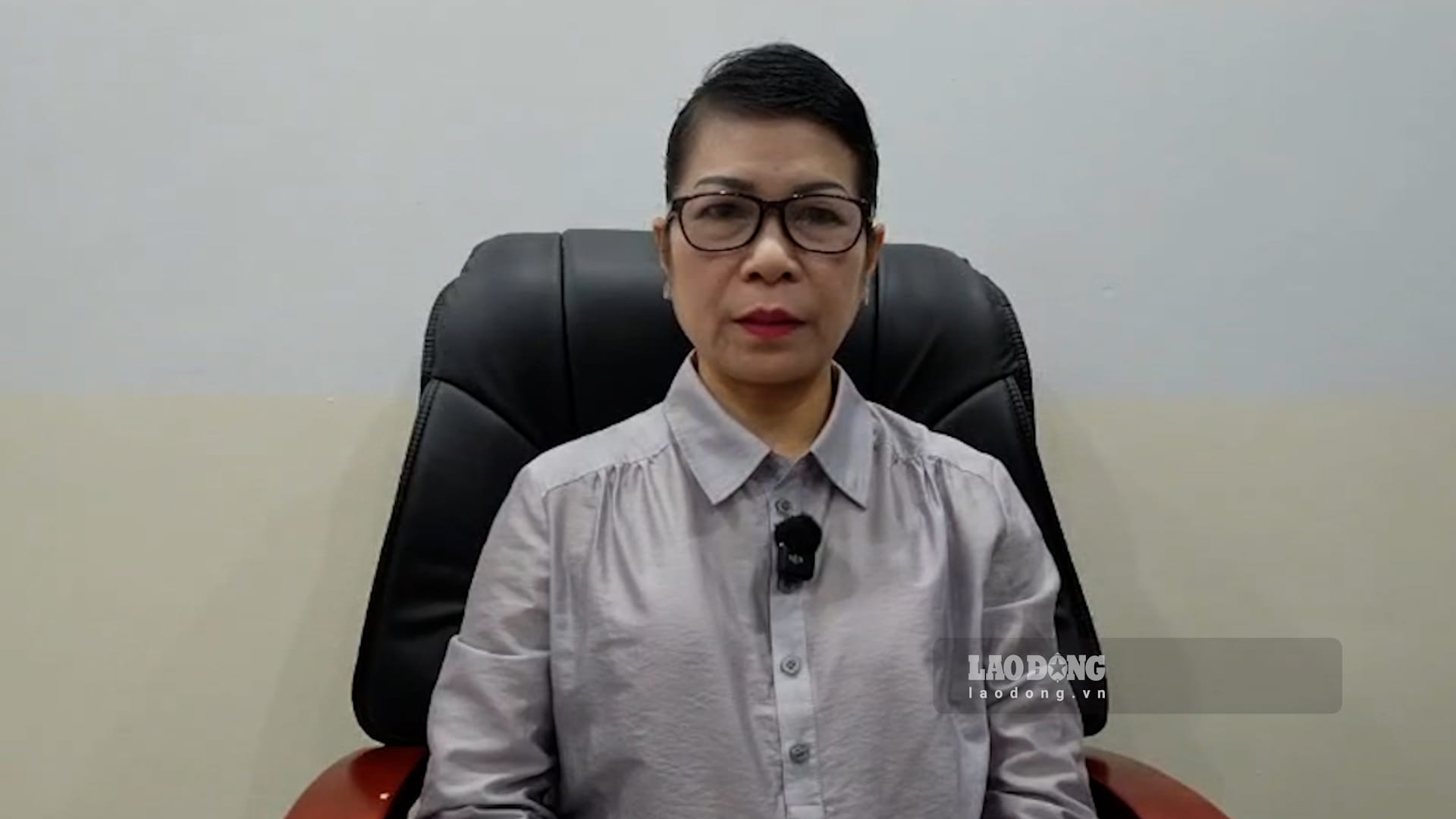
According to Dr. Tran Thi Hong Thu, through the clinical process, experts observed 2 typical reaction groups in young children when watching violent clips.
The first group is withdrawal reaction. Children show signs of anxiety, insomnia, avoiding public places and being obsessed for a long time, even appearing some post-traumatic stress disorders. The second group is imitation reaction. In this group, children become more easily irritable, considering violence as a normal way to resolve conflicts. Both trends are extremely dangerous," Dr. Tran Thi Hong Thu emphasized.
Also according to the doctor, for the first group, if not intervened in time, fear and obsession can last for months, even relapse many years later. As for the second group, violent behavior can gradually become a default social skill, very difficult to correct as children grow up.
''To protect their children from this toxic wave, experts recommend that parents should proactively and strictly control the content of their children's social media channels, and always accompany and monitor when their children access information,'' said Dr. Tran Thi Hong Thu.
Dr. Tran Thi Hong Thu also emphasized that more importantly, parents need to actively talk to equip their children with non-violent skills, helping them recognize right and wrong and know how to behave civilizedly in the face of conflicts in life.