
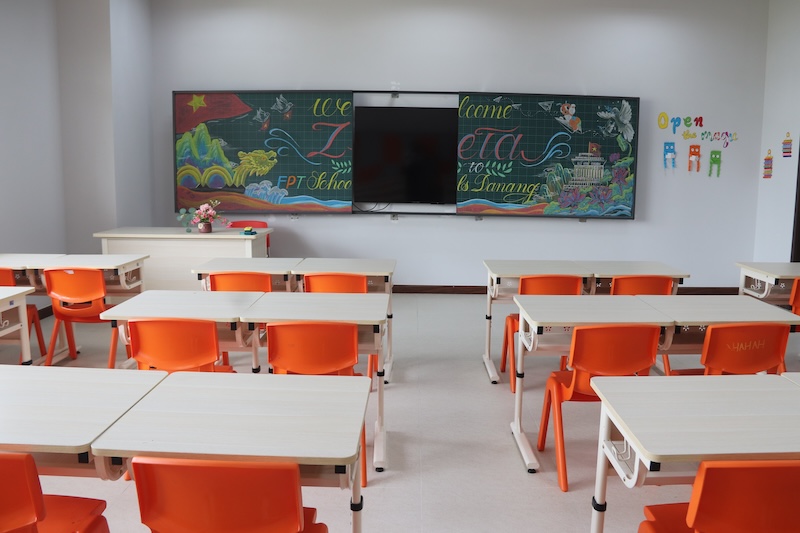
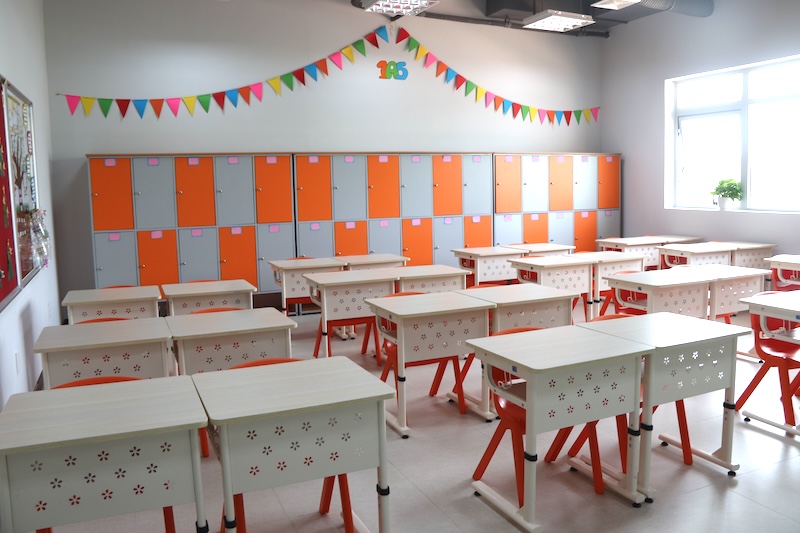
On April 23, the Zeta building in Ngu Hanh Son ward (Da Nang City) was officially inaugurated. The project focuses on green design, optimizing natural conditions to serve the learning and training needs of students in the area. The Zeta building is built on an area of over 8,400m2, including 106 classrooms and functional rooms, increasing the total training scale in the area to 7,000 students.
The building design prioritizes sunlight and natural ventilation systems to save energy, aiming for zero net emissions. The infrastructure system is invested synchronously for physical training, art and technology skills practice.
Mr. Tran Nguyen Minh Thanh, Deputy Director of Da Nang City Department of Education and Training, highly appreciated the investment in infrastructure to serve comprehensive education. According to Mr. Thanh, the school has shown interest in training people through practical activities. Leaders of the education sector emphasized that the core goal is not only professional quality but also moral education, lifestyle and social relationships of students. He hopes the community will remember the school as a symbol of complete education in both competence and personality.
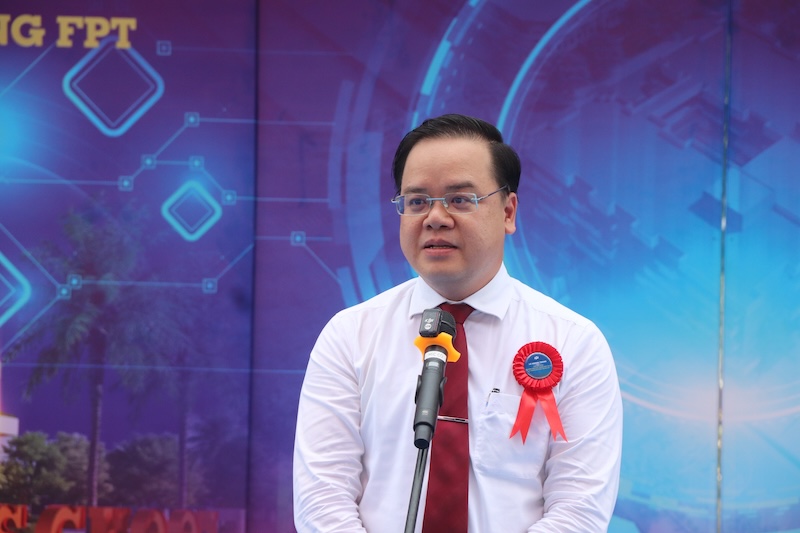
Mr. Nguyen Hoa - Chairman of Ngu Hanh Son Ward People's Committee shared about the change process of this land. From an agricultural countryside with wild fields and the old lifestyle of 20 years ago, this area has transformed into a civilized urban area with synchronous infrastructure. The presence of a knowledgeable environment and living experts helps local children directly benefit and have the opportunity to study in a modern space right in their hometown. Local authorities are committed to accompanying the maintenance of security and order and a green, clean and beautiful environment for the education sector.
Dr. Le Truong Tung, Chairman of the School Council of FPT University, emphasized the orientation of linking education with technology and social responsibility to train a generation of students with integration capacity. By 2026, this education system has reached a scale of 18 facilities in 11 provinces and cities, affirming efforts in creating a learning environment ready for the digital age.


