
On April 23, 2026, Finance Investment Magazine in collaboration with FSI Investment Trading and Technology Development JSC organized the seminar "Financial Data Security in the AI Era" to update policy developments and market trends related to this issue.
As artificial intelligence (AI) deeply penetrates banking services, securities and e-wallets, the concept of financial data security has completely changed in nature. AI is no longer a matter of the future but has been directly present in credit approval processes, facial recognition (eKYC) and cash flow management of millions of Vietnamese users.
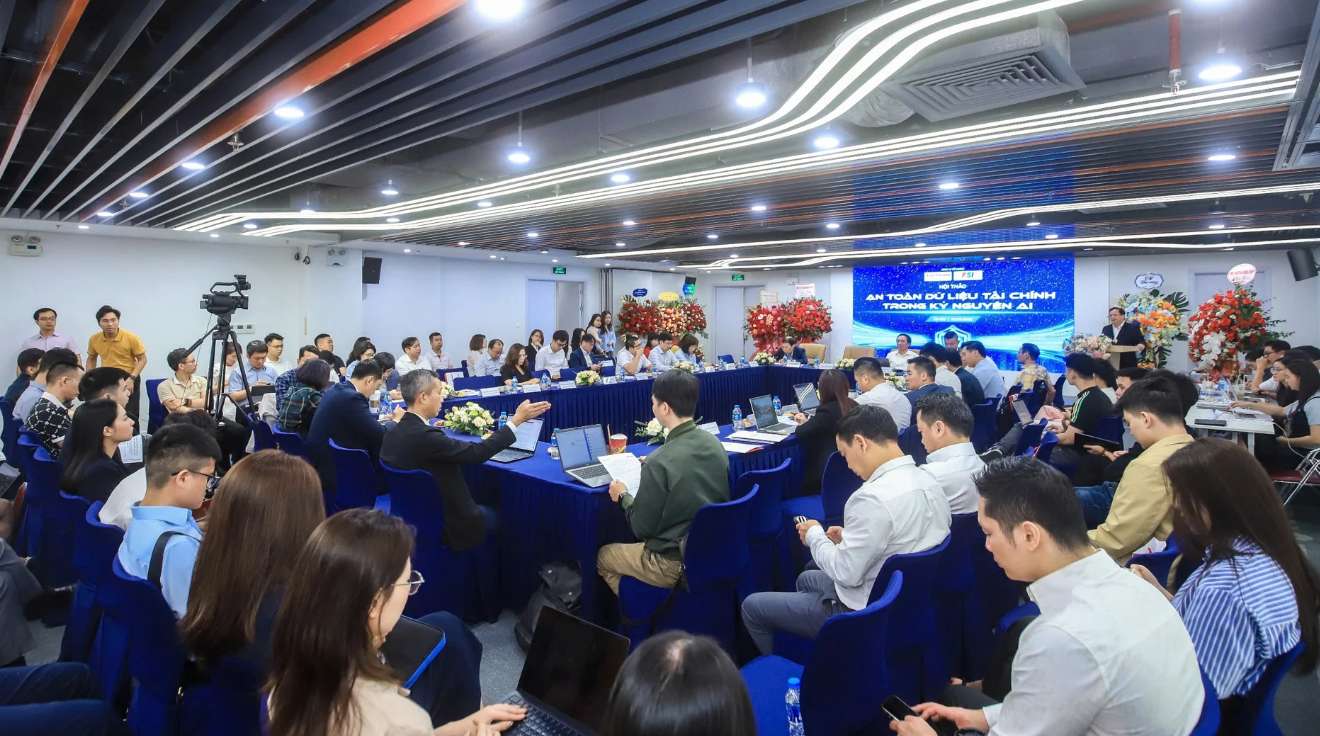
Speaking at the Conference, Dr. Nguyen Duc Hien - Deputy Head of the Central Policy and Strategy Committee assessed that if the previous industry created a technology and data platform for digital economic development, then AI will open up a new economic sector, a new economic structure with a central role. However, along with opportunities are major risks, especially risks of attacks on technology and data systems.
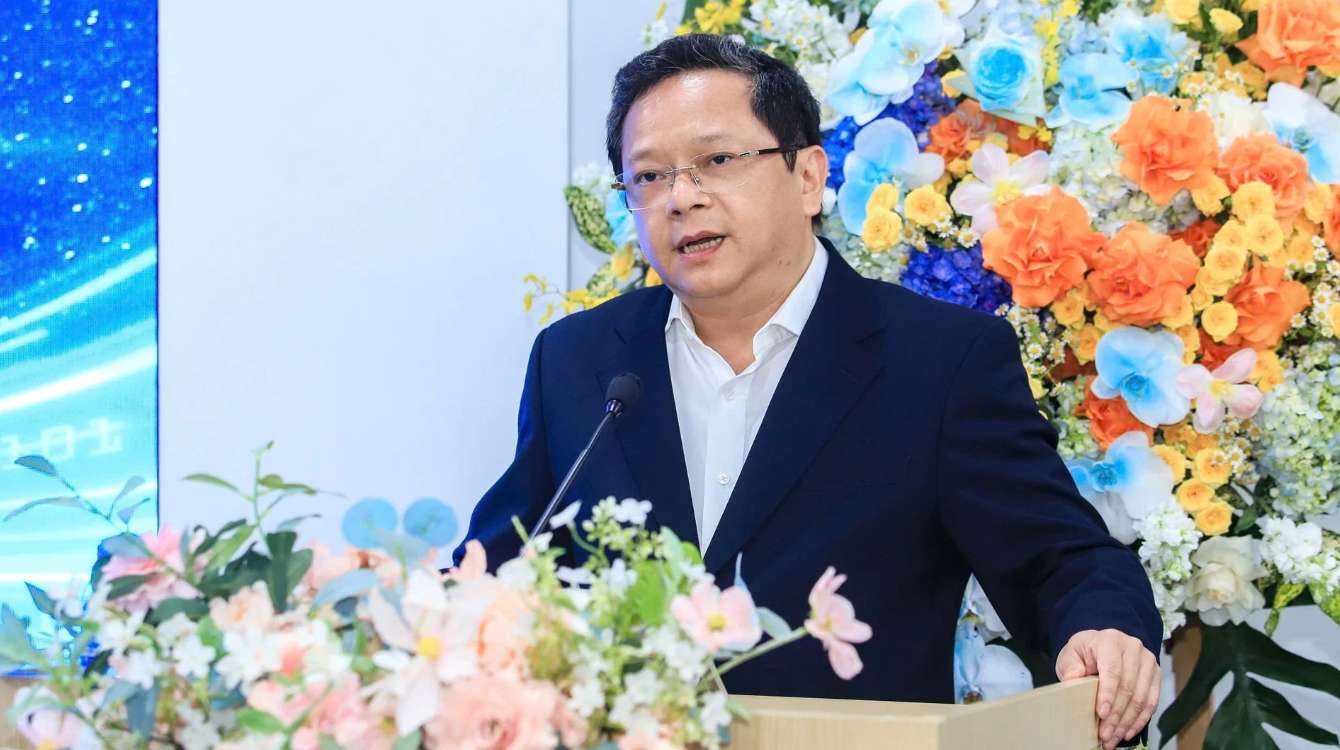
Vietnam is in the group of countries most frequently attacked by cyber attacks, with hundreds of millions of data records compromised and millions of accounts stolen in recent times. The attacks cause great financial damage and leak data on an increasing scale," Mr. Nguyen Duc Hien warned.
In that context, Mr. Hien emphasized that the development of AI needs to go hand in hand with ensuring data security and system security, especially in key areas such as finance - banking, in order to ensure the sustainable development of the economy.
At the Workshop, Mr. Nguyen Ich Vinh - Deputy General Director of FSI assessed that 2026 marks an important turning point when the Law on Protection of Personal Data officially takes effect. This makes data security from "recommendation" a mandatory requirement in corporate governance.
However, Vietnam's core challenge today is not technology, but the inadequate cyclical data protection thinking. Many organizations invest heavily in input protection, but lack control over output data flows – which is a systemic weakness.

In that context, a FSI representative said that the enterprise has developed a synchronous solution ecosystem, covering the entire life cycle of data from creation, storage to protection.
In the initial stage, FSI provides digitalization and document storage solutions applying modern AI technology, helping to convert data from physical form to digital data quickly and accurately, creating a platform for "clean data source" for operation. At the same time, the solution allows storing, managing and exploiting post-digitalization data safely, flexibly and effectively.
In the protective layer, FSI focuses on solutions to control and prevent data leaks, one of the biggest risks in the AI era. In which, F-DDH Box acts as a "final barrier" layer at the Internet connection port, helping to detect and prevent unusual connections to malicious servers (C2), thereby limiting the risk of data being stolen even when the system has been compromised.

Mr. Vinh emphasized that it is necessary to change the perspective: cybersecurity is not just defense, but must be resilience and recovery. This requires a comprehensive strategy, from technology, processes to awareness and investment budget.
According to Mr. Vinh, each stage contains potential risks, and if there are no corresponding layers of protection – from technology, processes to people – any link can become a weakness. At the same time, technology is not a "universal shield". A modern system can still be exploited if people lack awareness or operating procedures are loose. Therefore, data security cannot be a private story of the IT department, but must be the responsibility of the entire organization.


