
Digital traces" of each mission
Previously, to know which department a document was transferred to or to what extent a task was being processed, officials at Thai Nguyen Party agencies had to retrieve records, check books or exchange directly with the person in charge. This process not only takes time to look up but also makes grasping progress heavily dependent on reports and manual synthesis processes.
At the Party Committee of Sang Moc commune - a highland area 60 km from the center of Thai Nguyen, the clearest change after using the operating system is that officials no longer need to follow paper records to find a document. The process of receiving, classifying, transferring, processing and searching is carried out on the system; information about the person in charge and the working status are also recorded.
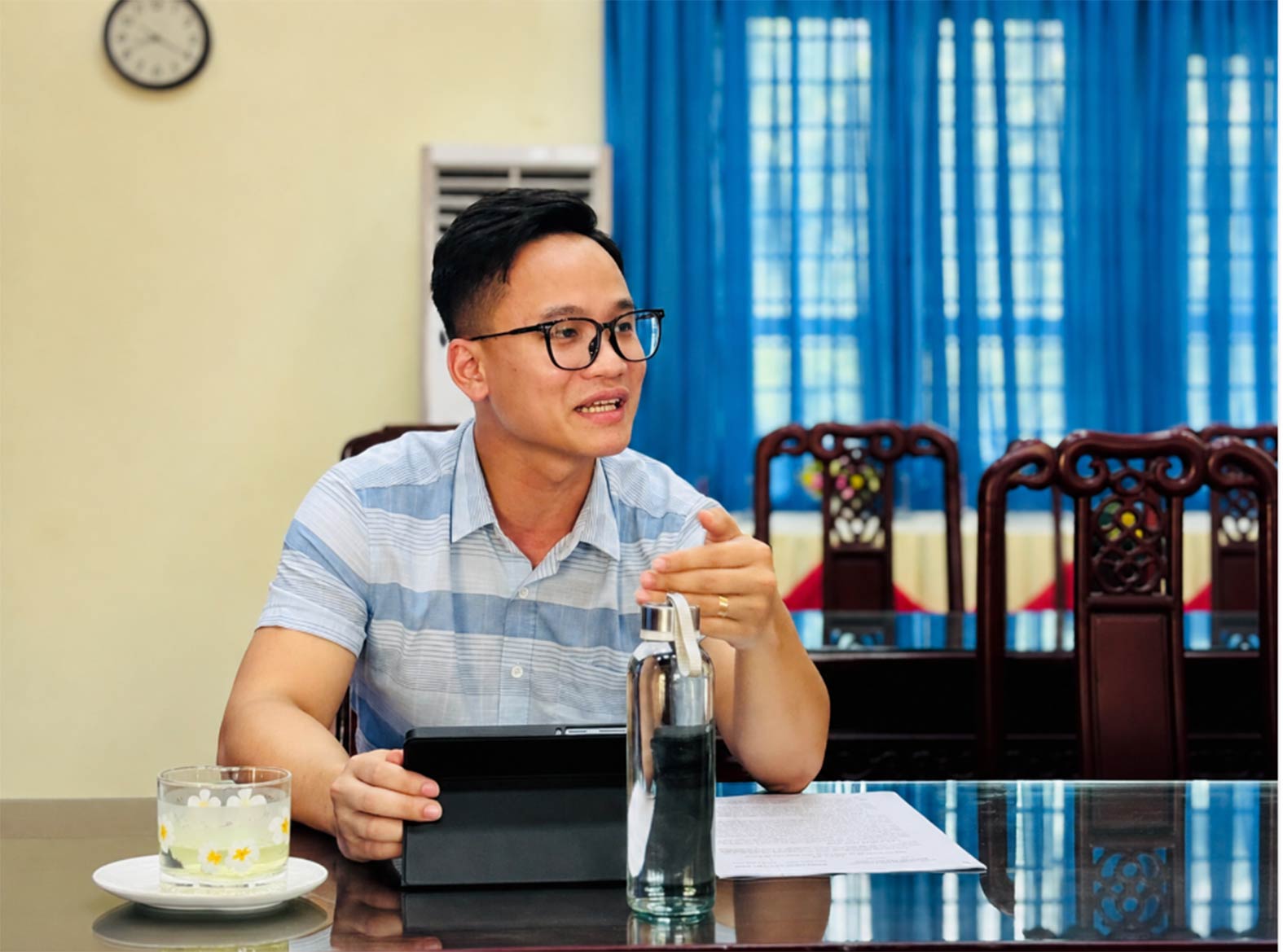
It is possible to know where the document is, who is handling it, and what the progress is; leadership is also more convenient in monitoring, directing and urging," shared Comrade Hoang Anh Duc, Secretary of the Party Committee of Sang Moc commune.
Across the province, the Operational Management System has been deployed in 92/92 units in Party agencies, gradually forming a relatively synchronous electronic working environment. More than 921,000 incoming and 106,000 outgoing documents have been processed on the system, creating a digital information flow from the provincial level to the grassroots level.
Behind these numbers are data formed in each work operation. The system can record the time the document is received, the unit transferred for processing, the person in charge and the implementation status. The "traces" saved in the digital environment make the implementation process transparent, thereby creating a basis for monitoring progress and determining the responsibility of each task.
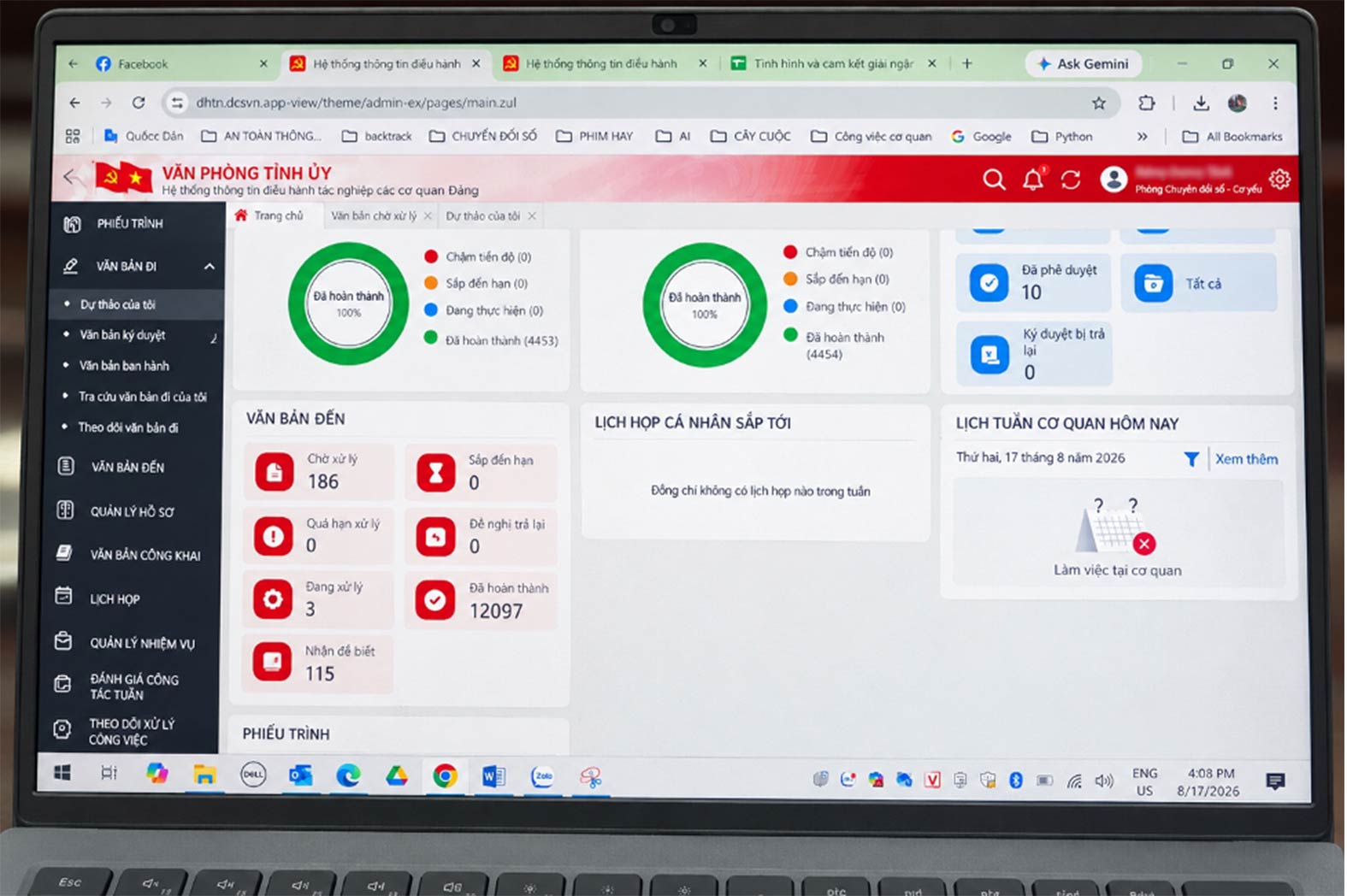
However, the process of receiving a new document reflects the initial steps of the digital transformation process. After being received, a directive can also be put up for discussion, solutions are proposed and monitored until completion. For the Party's digital transformation work to become practical and put into operation, data needs to be connected throughout.
Turn data into operational capabilities
According to a report by the People's Committee of Thai Nguyen province, Viettel is supporting the deployment of four groups of applications in Party agencies, including the Electronic Document System - Operation Management, eCabinet paperless meeting room, the system for monitoring the implementation of directives, resolutions, and conclusions of the Central Government, and the Electronic Party Member Handbook.
Each platform supports a stage in the process of handling work. The Operations Management System records the receipt, assignment and processing of documents. eCabinet supports preparing documents, organizing meetings, seeking opinions and storing conclusions. After the meeting, the resolution monitoring system continues to record the unit in charge, deadlines and progress of task implementation. Meanwhile, the Electronic Party Member Handbook delivers resolutions, directives and official documents to each party member, helping them proactively look up and study before and after meetings.
In Thai Nguyen, eCabinet currently serves about 300 meetings per week. The preparation and issuance of electronic documents is estimated to save about 14,400 working hours and 1.3 billion VND in printing costs each year. At the same time, documents, opinions and conclusions of meetings are saved, creating data for the subsequent handover and monitoring of work.
According to the Thai Nguyen Provincial Party Committee Office, data from the Operational Management System and specialized platforms have initially helped the advisory body summarize more quickly the handling of documents and the progress of task implementation. Each information that previously required the establishment to report and manually summarize can now be directly exploited from the system.
These results show that "digital traces" have been formed at many stages, creating a foundation for improving the efficiency of monitoring and managing work. However, for data to form a continuous chain, the platforms need to be synchronized according to nghiệp vụ processes.
At that time, the value of digitization does not only stop at the time the document is sent. The Party Committee has more basis to know which tasks have been assigned, which units are in charge, and how far the progress has been updated.
The problem is not just for one province
The gap between document transfer and monitoring results does not only appear in Thai Nguyen. Nationwide, a directive can go through many levels before becoming a task at the grassroots level. If the data is not interconnected, monitoring and grasping the implementation progress will face many limitations.
Thai Nguyen is one of the four Party Committees selected to pilot the Electronic Party Member Handbook for common use throughout the Party. The platform was built by the Party Central Committee Office, the Central Organizing Committee in coordination with Viettel and then expanded nationwide.
Senior Lieutenant Colonel Vu Hong Quan, Director of Viettel Thai Nguyen, said that the next stage is not to add separate software, but to ensure the entire system operates throughout.
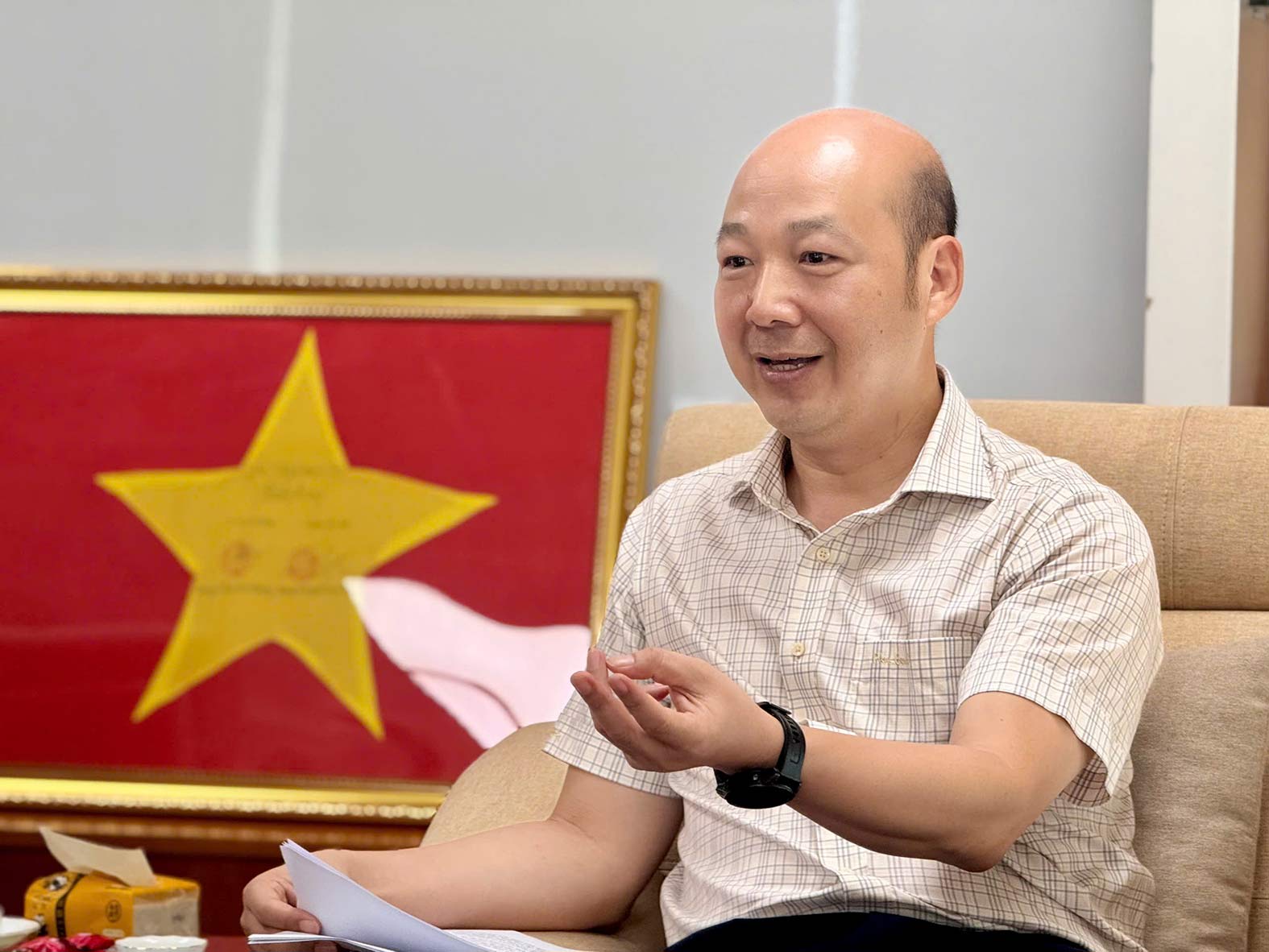
Viettel will continue to focus on three layers including stable connection infrastructure, interconnected platforms and data, and user support activities to the grassroots level. The goal is to ensure that a task, even if it goes through many levels, is still monitored to the final result, helping the Party Committee identify bottlenecks and provide timely direction, regardless of geographical distance," Mr. Quan shared.
The story of Thai Nguyen opens up a nationwide problem of unified data connection from the Central to the grassroots level. Only when the data flow is operated smoothly can digital transformation become part of leadership and operational capacity.


