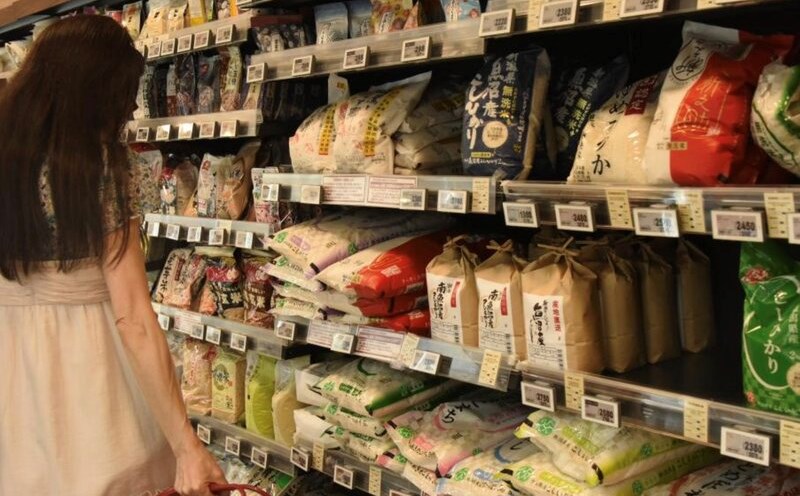
Rice prices today (April 2) recorded a slight upward trend in domestic rice, while rice prices generally remained stable. In the export market, rice prices in Vietnam and Thailand also simultaneously increased.
Domestic rice prices
In the domestic market, rice prices in the Mekong Delta region did not fluctuate much compared to the previous day.
Specifically, CL 555 raw rice currently fluctuates in the range of 7,950 - 8,050 VND/kg, while OM 5451 rice is purchased at 8,400 - 8,500 VND/kg.
For the group of by-products, the price of IR 504 sheets is maintained at 7,600 - 7,700 VND/kg, while the price of bran fluctuates in the range of 6,850 - 7,050 VND/kg.
In fresh rice, according to records in the Mekong Delta region, prices tend to increase slightly in some localities. OM 18 rice increased by about 50 VND/kg, reaching 5,700 - 5,800 VND/kg. IR 50404 rice increased by about 200 VND/kg, reaching 5,400 - 5,500 VND/kg.
Meanwhile, OM 5451 rice increased slightly by about 100 VND/kg, fluctuating in the range of 5,400 - 5,600 VND/kg. Some other varieties such as Dai Thom 8 maintained stability around 5,700 - 5,750 VND/kg, while OM 34 rice was at 5,100 - 5,200 VND/kg.
Export rice price
In the export market, rice prices of major producing countries in Asia recorded an upward trend.
According to data from the Thai Rice Exporters Association (TREA), the price of 5% broken white rice in Thailand increased by 10 USD/ton, to 384 USD/ton.
Similarly, Vietnamese 5% broken white rice also increased by about 9 USD/ton, currently fluctuating from 361 – 365 USD/ton. Meanwhile, Jasmine rice increased more strongly, about 12 USD/ton, to 431 – 435 USD/ton.
In the opposite direction, the price of Pakistan's 5% broken rice slightly decreased by 2 USD/ton, to about 344 – 348 USD/ton.
The trading market is gradually improving
The domestic rice market recorded positive signals when rice prices increased slightly and trading activities tended to improve. Some fragrant rice items began to increase in price, reflecting that purchasing demand is gradually recovering.
In the context of supply in some import markets showing signs of decrease, especially the Philippines when inventories decreased monthly, export rice prices were supported to go up.
Analysts believe that the trend of rice prices in the coming time will continue to depend on domestic supply and demand, export developments as well as trade policies of major importing countries.