
On April 13, Mr. Doan Ngoc Co - Deputy Director of the Department of Agriculture and Environment of Gia Lai province - said that livestock farming in the area is strongly shifting from small-scale, scattered to concentrated models, applying high technology.
Gia Lai is a province with a large number of livestock farms nationwide, especially since 2022, many investors have "landed" to apply for investment in livestock farms.
Attracting projects according to the provisions of the Investment Law, however, provincial functional agencies are also concerned about environmental issues and waste sources.
If not managed, controlled well and strictly, especially waste treatment technology will be a risk to the environment and people's health.
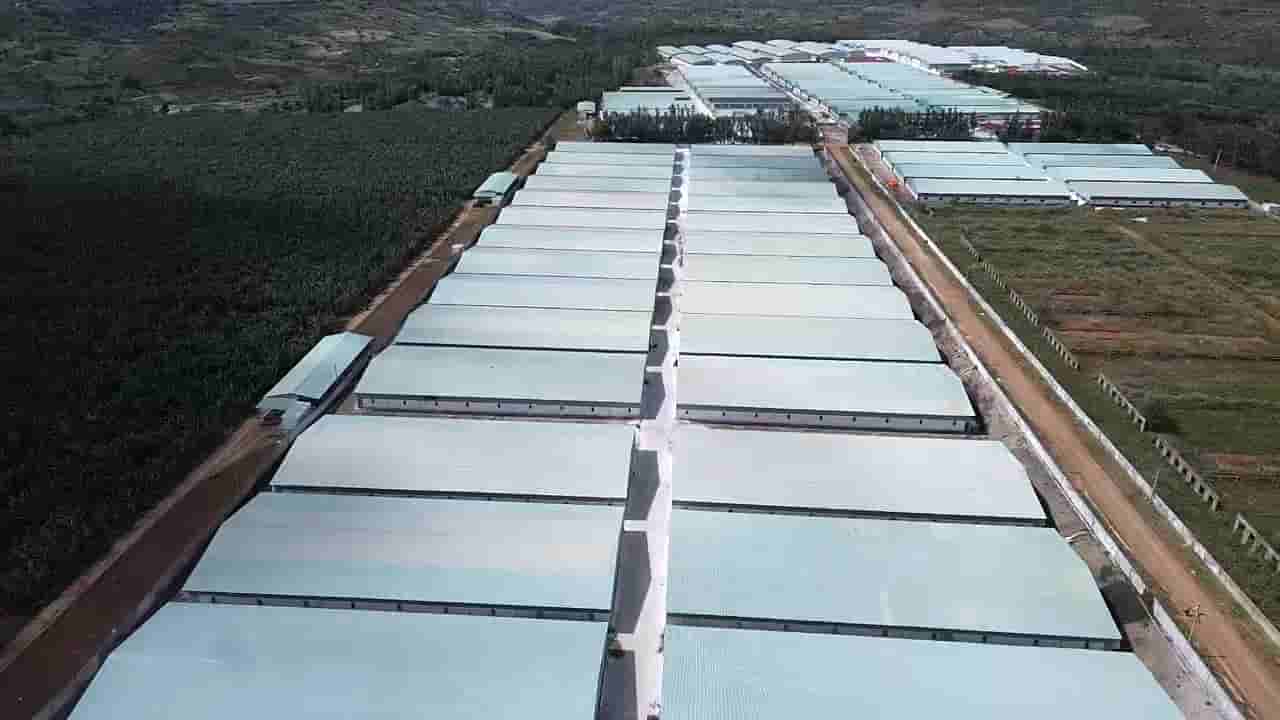
Currently, the whole province has 268 investment projects in the livestock sector; of which 173 projects have been approved in principle, and 95 projects are being proposed.
73 projects have been put into operation, with a total herd of 74,771 cows, 667,469 pigs and more than 2 million poultry.
According to the orientation, when the livestock density reaches the maximum threshold, the province will stop attracting new projects, and at the same time gradually reduce household livestock farming, switching to industrial livestock models.
The development of concentrated livestock farming in the form of large-scale farms helps control and prevent epidemics and create jobs, improving economic efficiency.
Gia Lai also prioritizes attracting businesses to invest in areas with agricultural land funds, gradually bringing livestock activities out of the inner city and densely populated areas.
The areas called for investment include barren, low-nutrition land such as near An Khe pass, Ia Lau commune, Ia Mo, Ia Puch (border area) or areas such as Ia Pa, Po To, Sro, Dak Song...
For investors, the province requires commitments to use safe equipment, treat waste well, absolutely not cause environmental pollution and ensure harmony of interests with local people.
At the same time, businesses need to create jobs, contribute to investing in transport infrastructure, improving the rural face and improving people's lives.


