
No longer the pleasant early-season sunshines, the intense heat up to 38 - 40°C is covering all coffee areas in Son La, right at the time when trees enter the decisive fruit setting rate.
Amidst extreme weather pressure, coffee growers are forced to race against drought to retain moisture, save flowers and preserve the yield of the new crop.
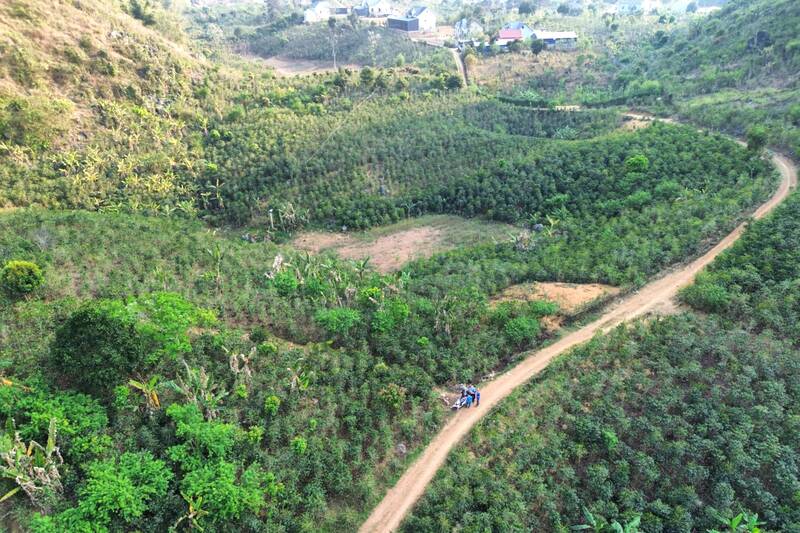
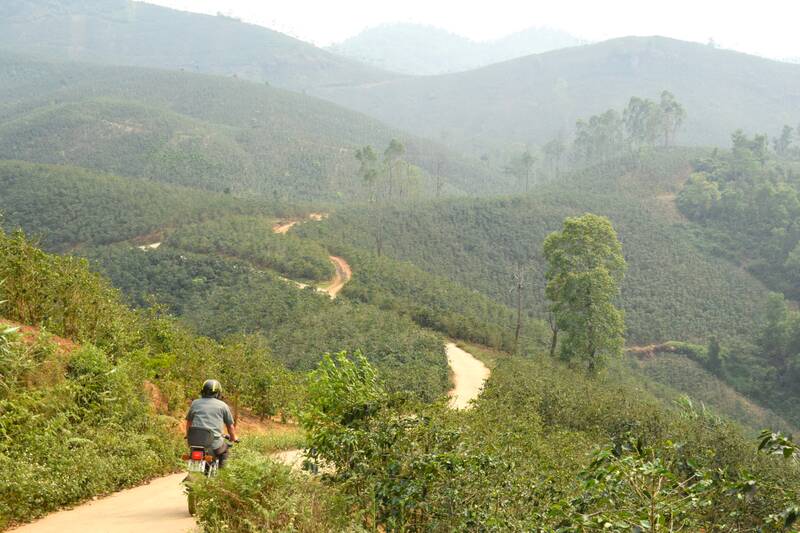
Son La province currently has more than 33,600 hectares of coffee, mainly Arabica varieties, concentrated in Nam Lau, Muoi Noi, Chieng Mai communes and Chieng An, Chieng Coi wards. This is a key crop, bringing main livelihoods to farming households. In hot weather conditions, moisture retention and nutritional supplementation are identified as key factors.
In Chieng An ward, with more than 1,980 hectares of coffee, people are taking advantage of watering early in the morning or late afternoon to limit losses and avoid heat shock for plants.
Mr. Nghiem Van Tuan - Chairman of the Ward People's Committee, said: "Prolonged hot weather makes the soil dry quickly, and trees easily wither. The locality has guided people to cover the base with vegetation, keep moisture, and apply balanced fertilizer to restore trees and increase fruit setting ability.
Along with that, the root covering measure is widely applied by many households. The layer of dry grass and fallen leaves is kept around the base to help reduce water evaporation and stabilize soil temperature. Some areas also take advantage of fruit tree canopies to provide shade, limiting the direct impact of sunlight.
In Chieng Mai commune, Sang Na Tre Cooperative maintains about 30 hectares of organic coffee, and at the same time links with more than 20 households, forming a raw material area of nearly 150 hectares. Currently, the entire area is entering the second flowering phase.
Mr. Cam Van Hoang - Director of the Cooperative, said: "Prolonged hot weather is detrimental to coffee trees. The Cooperative prioritizes keeping the soil moist, guiding households to cover the ground, water in the cool afternoon and limit soil disturbances to avoid water loss.
Not only irrigation water, nutritional regimes are also adjusted flexibly. Many households divide the amount of fertilizer into smaller portions, prioritizing easily soluble fertilizer for plants to absorb better in dry conditions.
Ms. Dao Thi Tham (Chieng Coi ward) shared: "I don't fertilize in bulk but divide it into many times. Combining organic fertilizer helps the soil retain moisture well, and the plant is less shocked when the sun is prolonged.
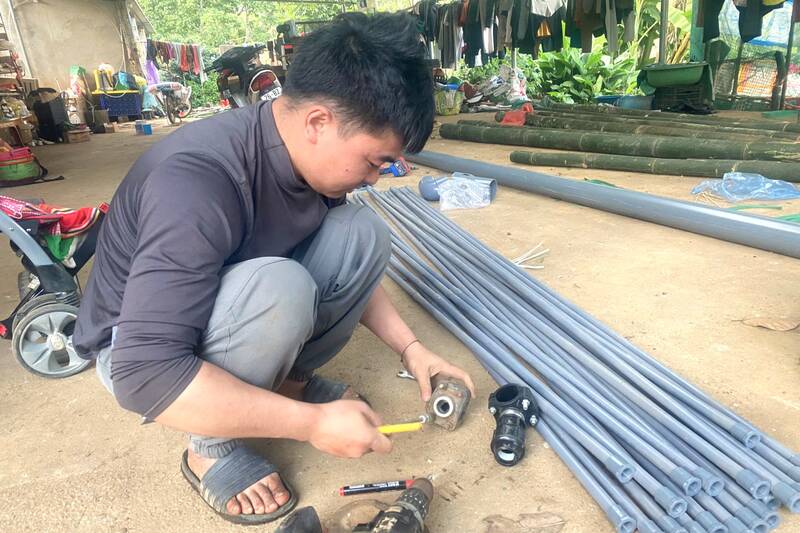
More proactively, some households do not hesitate to invest in more water-saving irrigation systems. Mr. Tong Van Cong (Muong Yen village, Chieng Coi ward) said that his family irrigates once a day at the end of the afternoon.
Watering at the right time helps the tree retain moisture stably, limiting flower drops. At the same time, I increase fertilization to nourish young fruit" - Mr. Cong said.
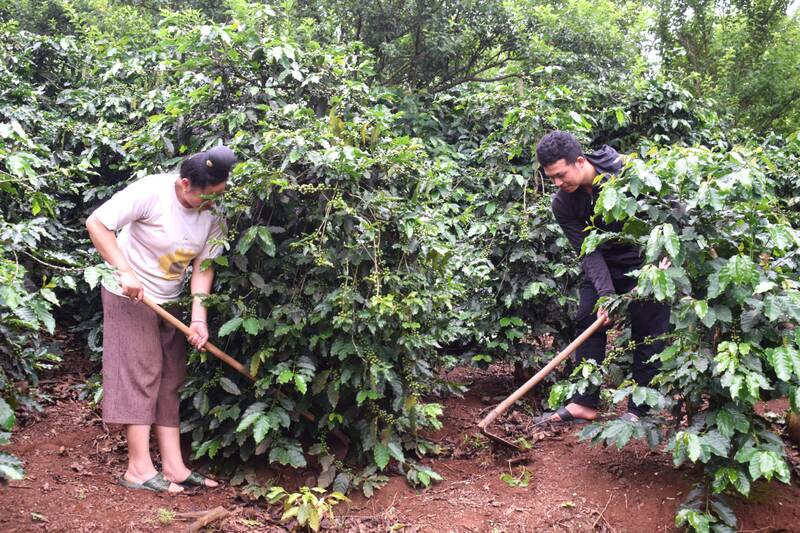
In Muoi Noi commune, with more than 2,400 hectares of coffee, people are used to responding to extreme weather, especially prolonged hot weather. Mr. Lo Van Hung (Cuong Trai village) shared: "When it's hot, I limit soil preparation, focus on moisturizing and irrigating reasonably. Plants with enough water will flower evenly and bear better fruit.
According to Ms. Pham Thi Lan - Head of the Sub-Department of Crop Production and Plant Protection of the province, in hot weather conditions, people need to pay attention to the watering time. Water should only be done when the flower buds are fully developed, avoiding watering at the wrong time affecting the flowering process. At the same time, it is necessary to use fertilizer reasonably, increase organic fertilizer to improve soil moisture and plant resistance.
Hot weather also increases the risk of developing pests and diseases such as mealybugs, anthracnose, and root fungus. Therefore, people need to regularly check gardens, detect early and handle them promptly.
In the coming time, the forecast of hot weather in Son La will continue. The agricultural sector recommends that people proactively store water, apply water-saving irrigation measures, cover the roots and balance nutrition.
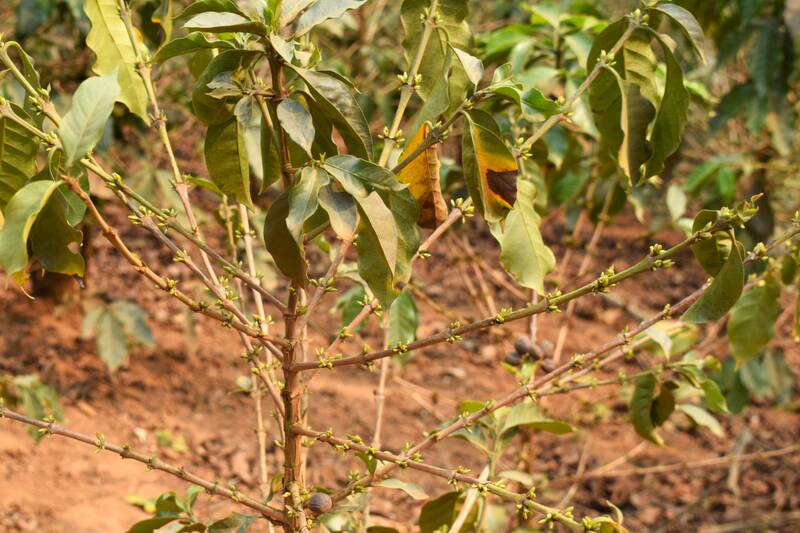
In harsh weather, on coffee fields, farmers are still diligently caring for each tree root, hoping to maintain productivity for the new crop.


