
Hundreds of tons of damage, empty-handed after a farming crop
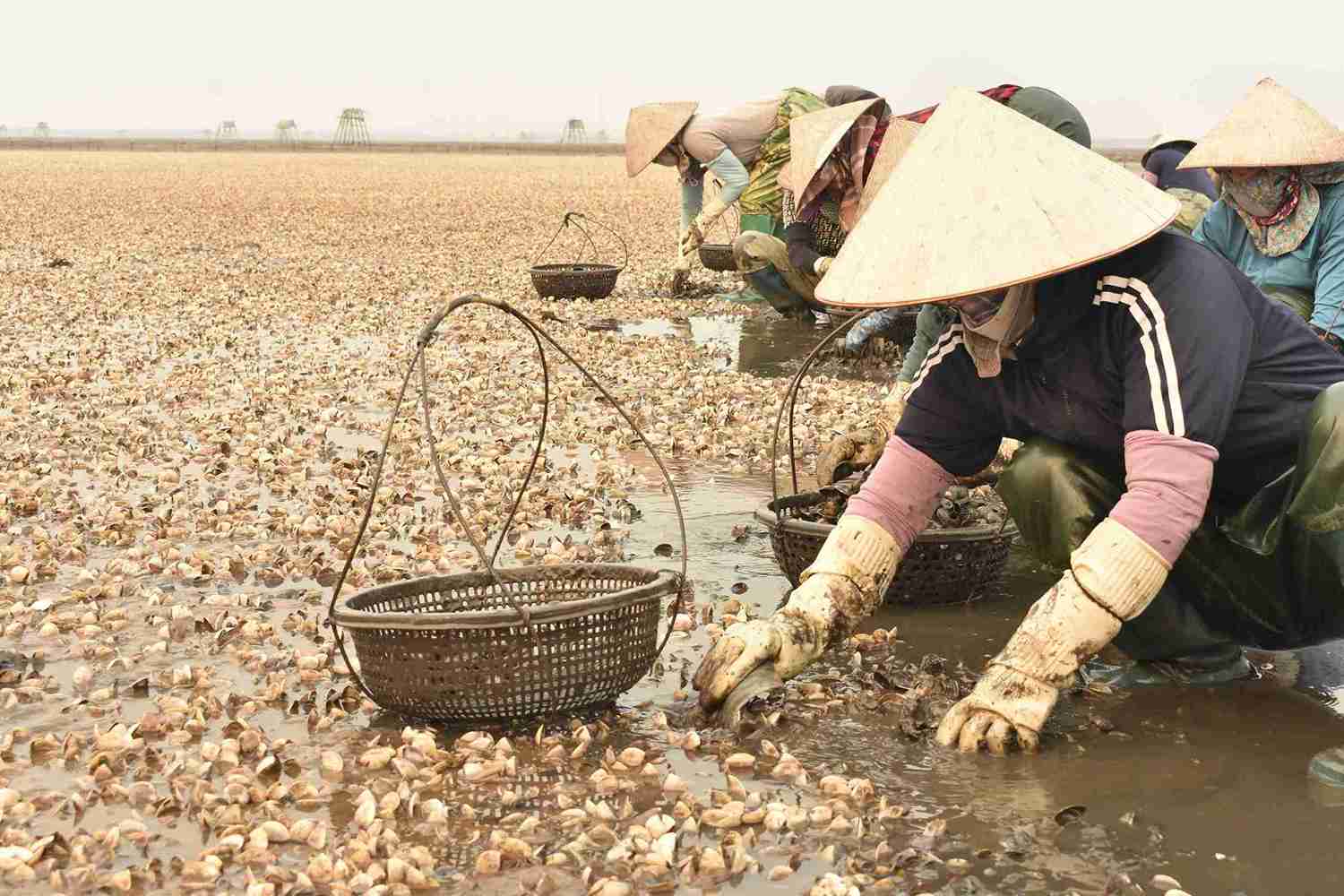
In the early days of April, in the coastal tidal area of Nam Cuong commune, Hung Yen province, the scene of dead clams covering the sandy beach made many farming households feel sorry. Nearly 200 hectares of clam farming appeared scattered deaths, in which some areas were almost completely damaged, causing great economic losses.
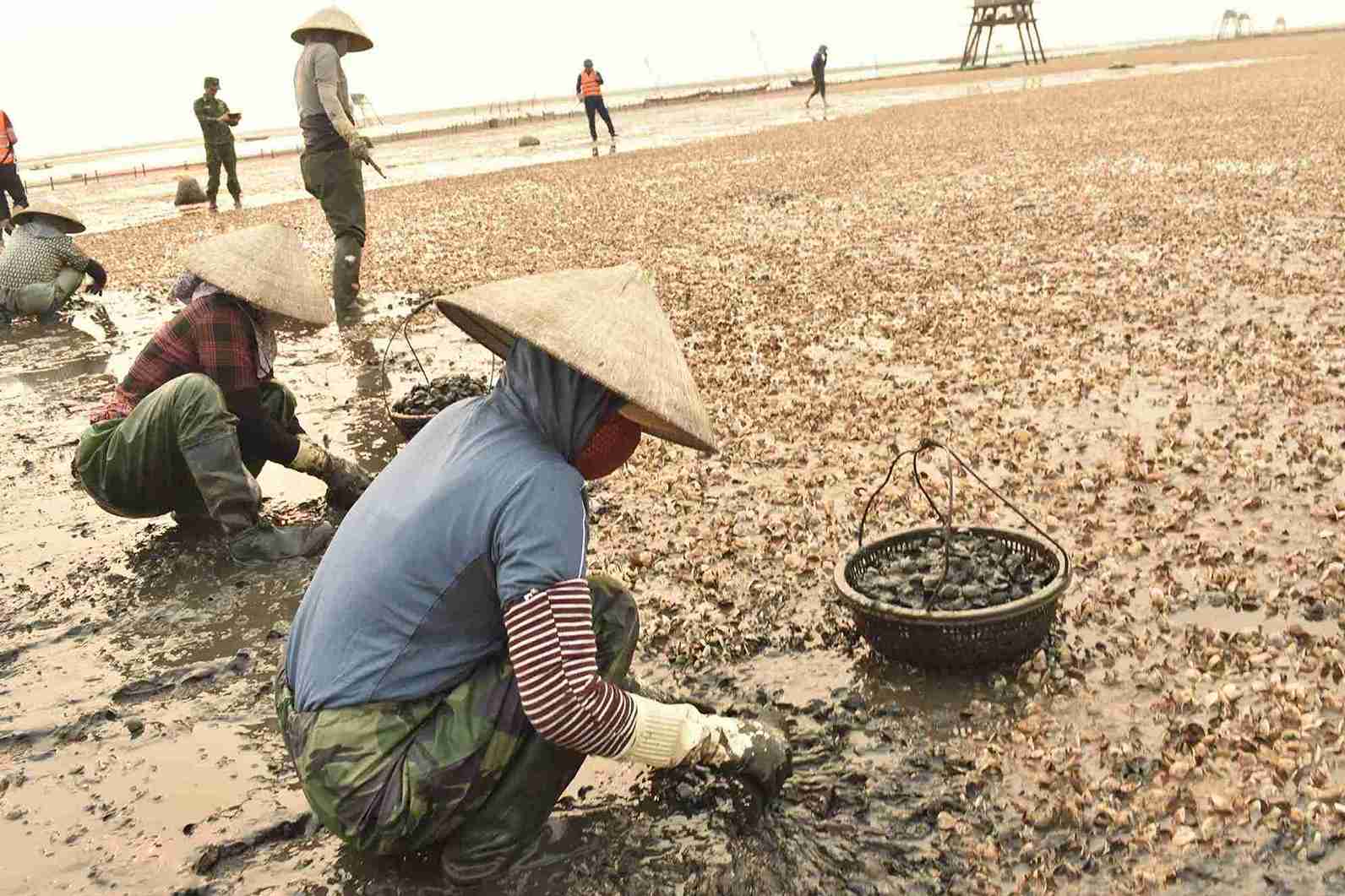
Real-world records at some farming grounds show that many areas of clams have reached commercial size but are not harvested in time. At Mr. Nguyen Van Nang's farming area (Nam Cuong commune) with a total area of 7ha, clams die densely, the shell covers the ground surface. To limit pollution, his family has to hire workers to collect clam shells from early morning, transporting them ashore for treatment.
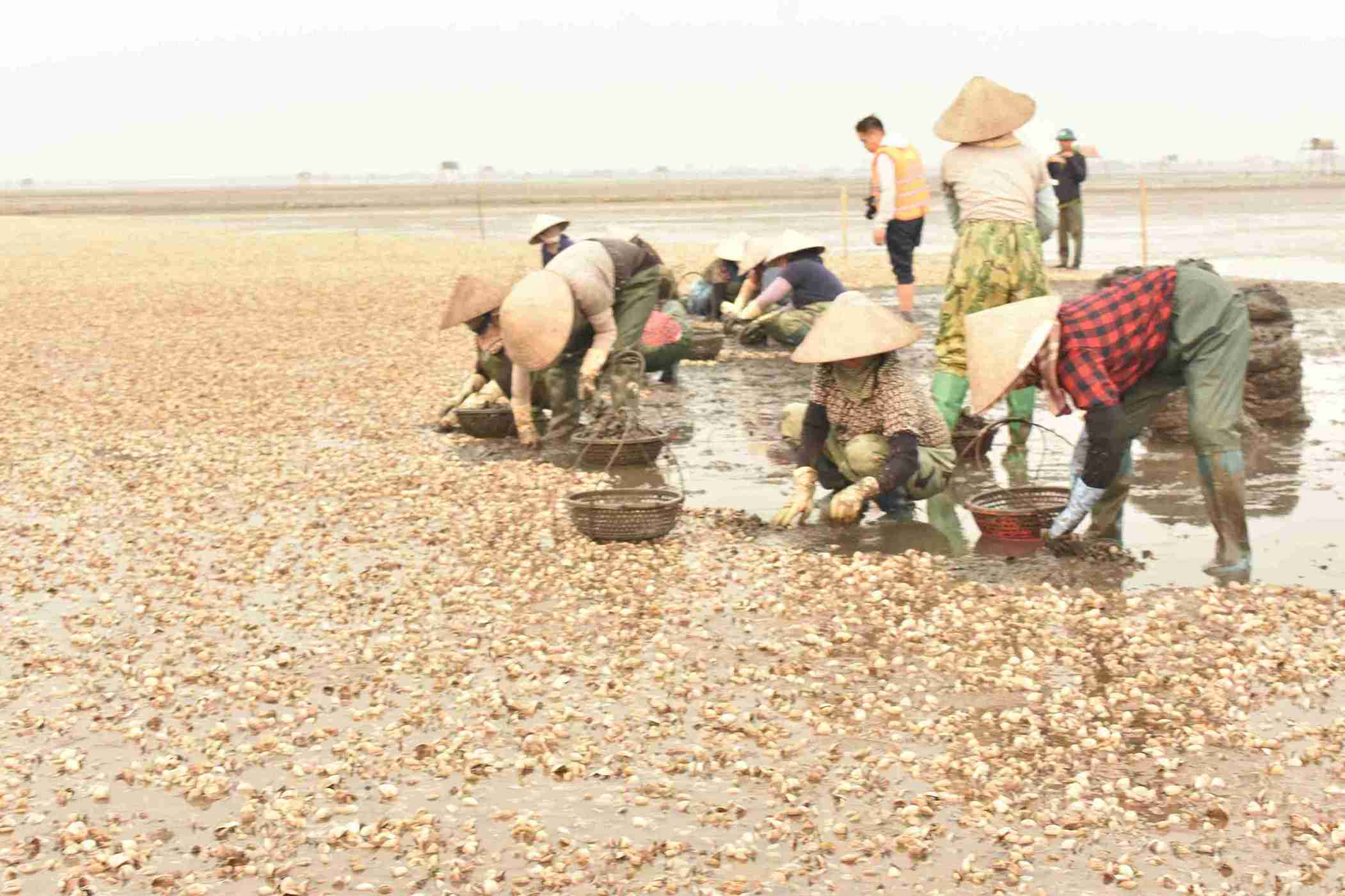
According to Mr. Nang, the phenomenon of clam deaths began to appear about half a month ago, but in recent days it has become more serious. His family has harvested 3ha with quite high yields, but the remaining 4ha are almost completely lost. It is estimated that about 400 tons of clams were damaged, equivalent to billions of dong, not to mention the cost of hundreds of millions of dong to hire people to collect them.
In previous years, there was also this situation, but it only occurred sporadically, but this year many areas suffered very heavy damage, with some places almost completely lost" - Mr. Nang said.
Not only Mr. Nang's household, many other farming yards are also in a similar situation. In Mr. Tran Van Duc's farming area, clams that were reaching the size for sale suddenly died en masse in a short time. The total damaged output is nearly 300 tons, causing great economic losses.
The price of clams this year is higher than every year, so everyone expects a successful farming season. But when clams just reached harvest time, they died en masse, it's like the day of harvesting fruit and losing everything, it's very painful" - Mr. Tran Van Duc shared.
Localities recommend environmental treatment
According to statistics from Nam Cuong Commune People's Committee, the whole commune has more than 1,000ha of tidal flats for clam farming. The total area of clams that died is nearly 200ha, the area that died from over 70% is 30ha, the area that died from 50 - 70% is 75ha, and the remaining 30 - 50% died is more than 90ha.
The initial cause is identified as related to weather factors. Since the beginning of the year, low rainfall has caused seawater salinity to increase, while the long sunbathing time and dense farming density can cause clams to be "salt shocked", leading to mass deaths.
Faced with this situation, local authorities have coordinated with specialized agencies to take samples and analyze them to clearly determine the cause. At the same time, functional forces organized actual inspections at farming sites to assess the extent of damage and guide people on remedial measures.
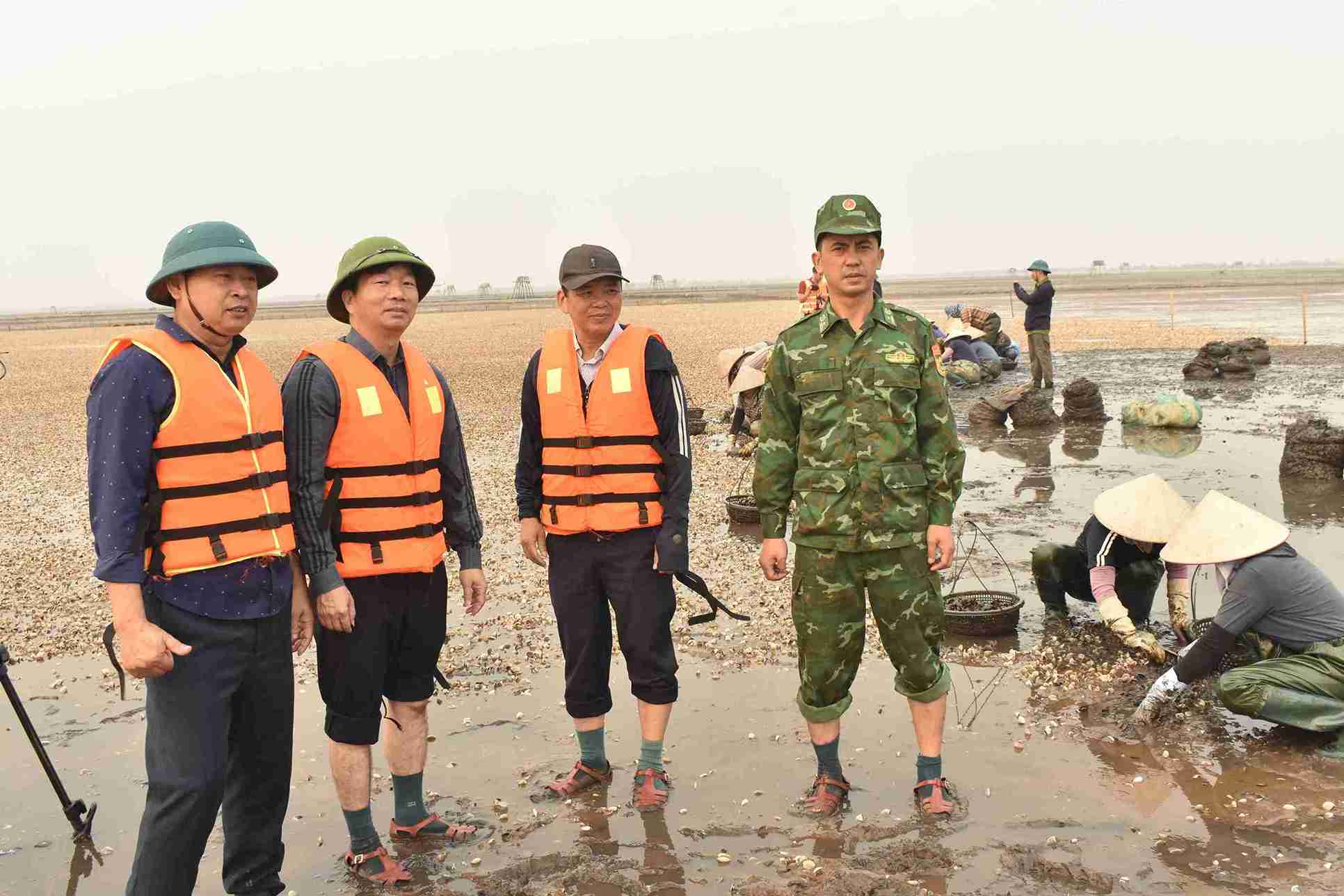
According to Mr. Bui Van Quyet - Vice Chairman of Nam Cuong Commune People's Committee, on the morning of April 7, the Commune People's Committee coordinated with Cua Lan Border Guard Station to establish a delegation to conduct actual inspections at the clam farming tidal flat to assess and review the area and number of dead clams. Through inspection, commune leaders shared and encouraged people to overcome difficulties and damages in farming.
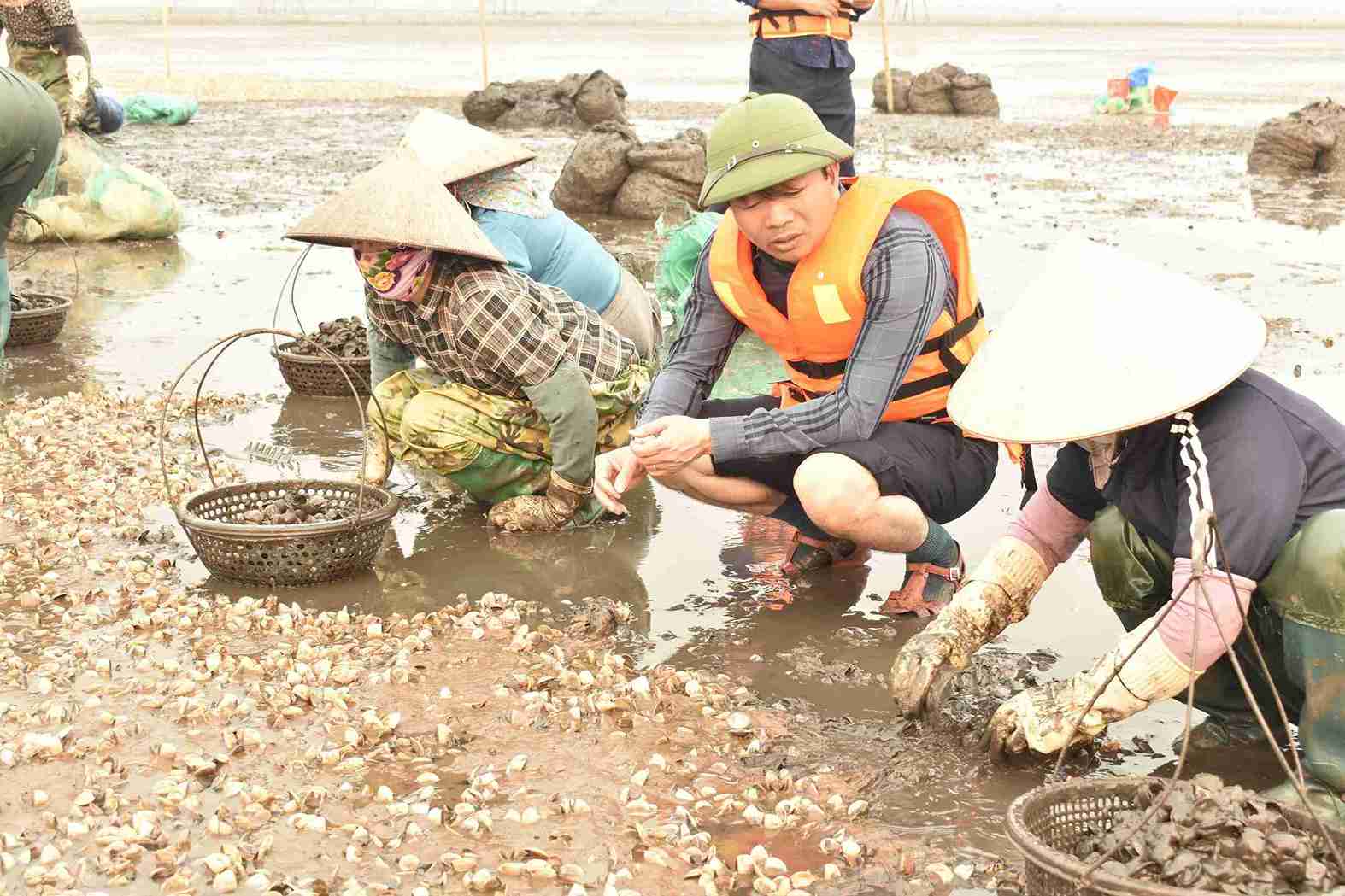
At the same time, urging people to actively clean up the farming ground, implement the best environmental treatment solutions, collect dead clams as soon as they die, do not let dead clams remain in the clam farming area, especially collect dead clam shells to bring ashore for burial in the right place, without causing environmental impact.
Nam Cuong Commune People's Committee recommends that farmers not re-release clam seeds during the clam death period; when environmental conditions are favorable, renovate and clean the farming ground to start re-release new seeds according to the guidance of specialized agencies.


