
Seafood accounts for more than 92% of export turnover
Ca Mau Provincial People's Committee has just issued a Plan to promote goods exports in the 2026-2030 period, setting a target of export turnover for the whole province reaching about 17 billion USD in the whole period, with an average growth rate of 8%/year or more. By 2030, export turnover strives to reach about 4 billion USD.
It is noteworthy that the export structure continues to lean almost absolutely towards seafood. According to the plan, seafood exports are expected to reach about 3.695 billion USD, of which shrimp alone reaches about 3.5 billion USD. Meanwhile, all other commodity groups only set a target of about 305 million USD.
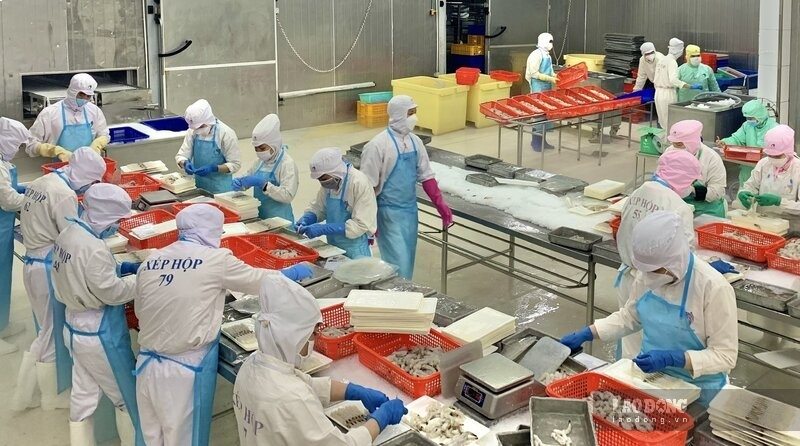
Thus, seafood accounts for more than 92% of the province's total export turnover. This continues to be a leading industry, but also reflects that the export structure is not really diverse.
Mr. Long Van Nghia, director of a seafood farming enterprise, commented: This is a good opportunity for Ca Mau seafood to develop. However, the room for the seafood processing and export industry in Ca Mau is not large. Being too dependent on one field is an opportunity for seafood to develop but will lack balance with other industries.
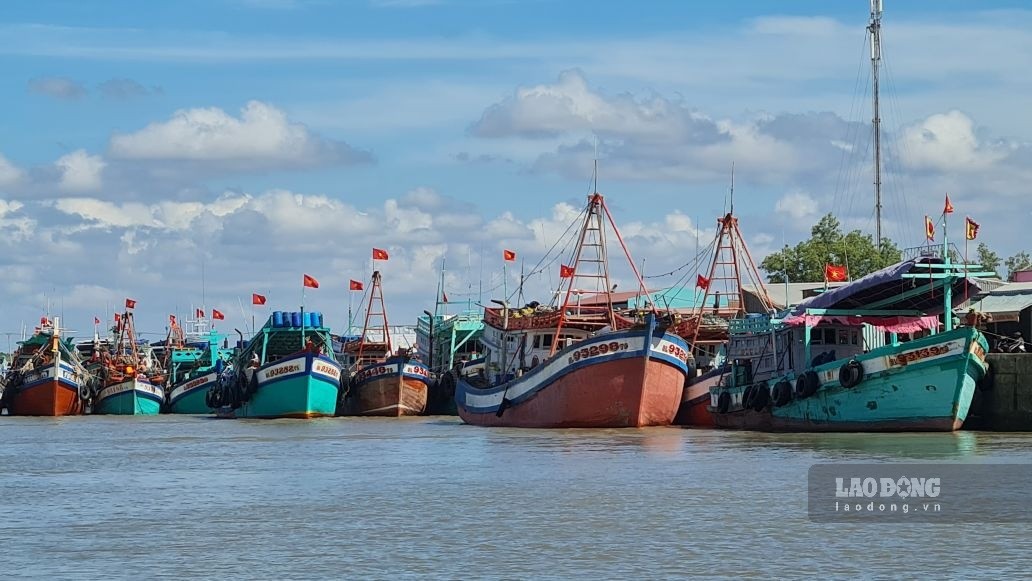
Reality over the years shows that the seafood industry, especially shrimp, is frequently affected by fluctuations in the international market such as technical barriers, trade remedy policies, traceability requirements, fluctuations in freight rates, logistics costs and purchasing power in import markets. When key commodities face difficulties, local export growth will be significantly affected.
Large room for high value-added industries
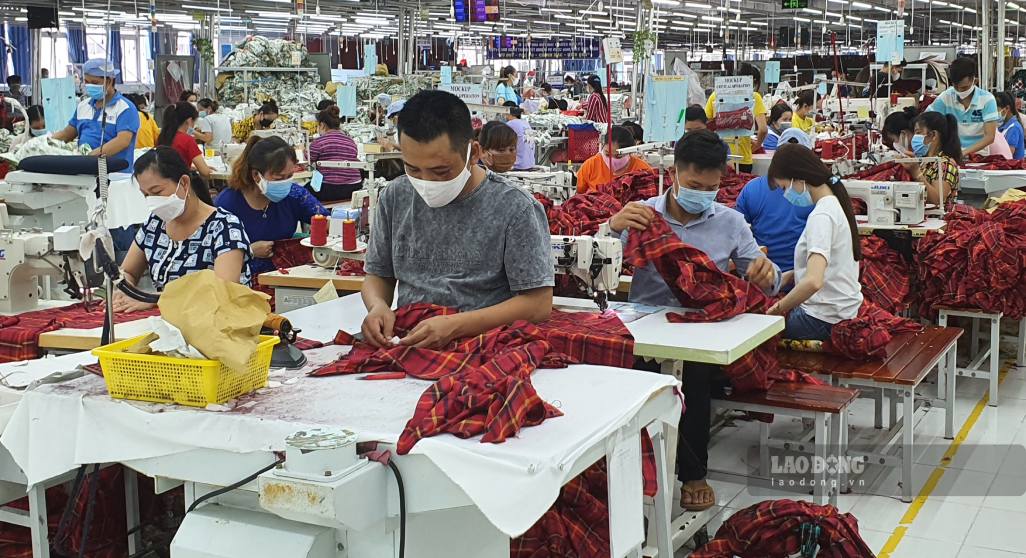
In the plan, Ca Mau continues to identify developing raw material areas, investing in logistics infrastructure, attracting processing and manufacturing projects and promoting the application of science and technology to improve export value. Priority items besides seafood include fertilizers, rice, bananas, chitin, OCOP products, garments, shrimp crackers and some other potential products.
However, compared to the export turnover target, processing industries with high technology content have not yet created a significant position in the province's export structure.
Mr. Pham Van Muoi, Director of Ca Mau Department of Agriculture and Environment, said: currently Ca Mau has not exported rice. The annual rice output (more than 1.4 million tons - PV) is mainly purchased by traders from other places for processing.
The plan also does not show a clear presence of new fields such as artificial intelligence (AI), software industry, digital services or high-tech industries capable of creating large added value and less dependent on resources.
Continuing to promote the advantages of seafood is necessary for a locality with strengths in farming and processing. However, to aim for sustainable exports, Ca Mau needs to gradually expand its space for technology industries, digital services and high-quality fields. When the export structure is diversified, the economy will reduce dependence on one industry, improve its resilience to fluctuations in the international market, supply chains and logistics operations.


